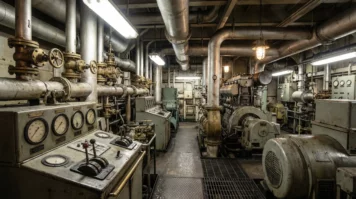
Getting to know ship engine systems is crucial for anyone interested in modern marine transportation.
As cargo ships, cruise liners, and even smaller vessels rely on these engines, understanding what makes them tick can give you a whole new perspective on how global trade and travel work. Here, I’ll share a friendly introduction to ship engine systems, highlight their core parts and functions, examine recent innovations, compare popular types, and explain the safety and future trends that everyone should know about.
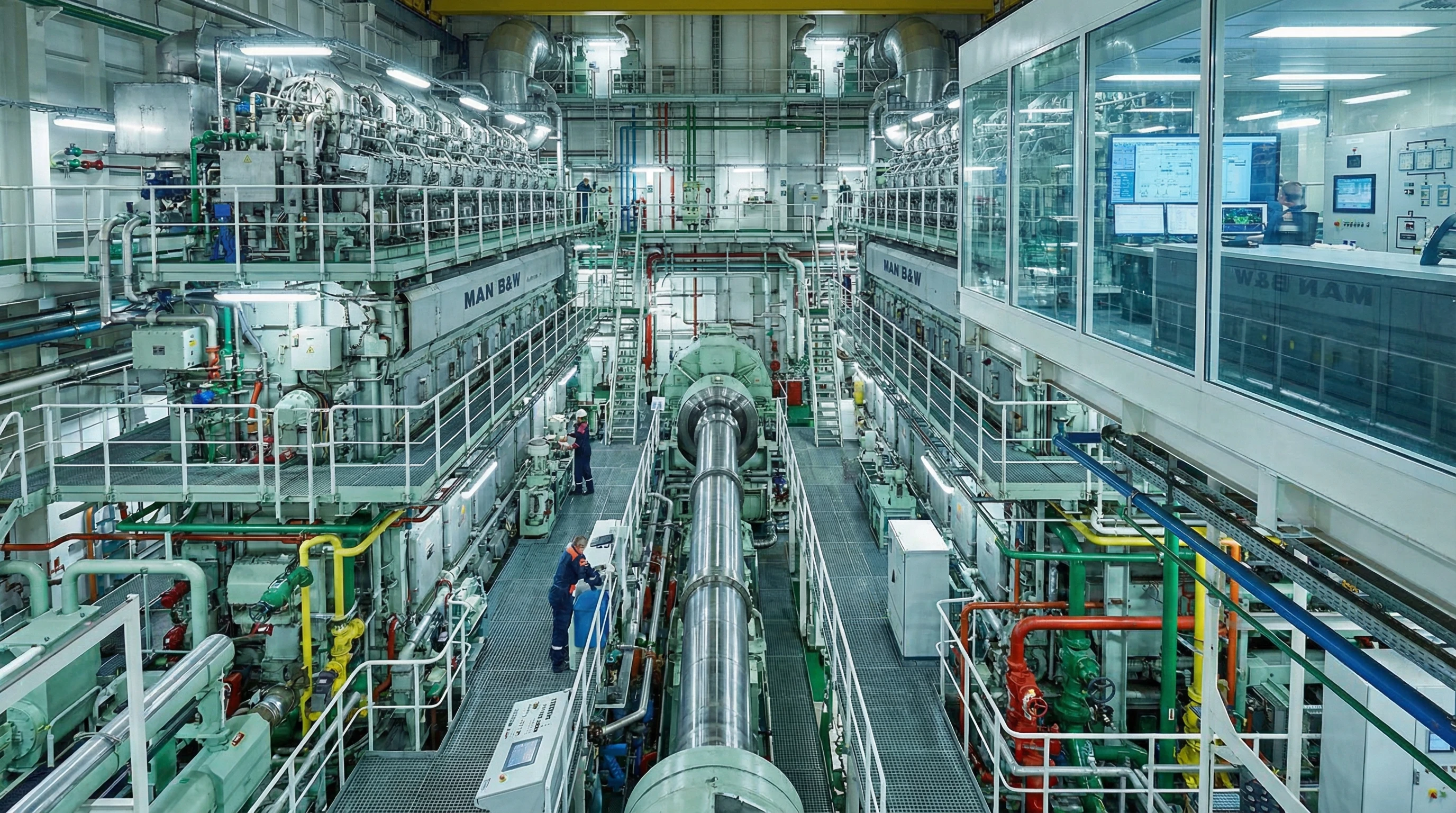
Why Ship Engine Systems Matter
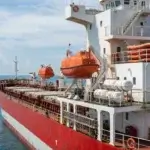
Ship engine systems provide the main source of power to propel vessels across the world’s oceans and rivers. Without them, moving goods and people over long distances wouldn’t be possible. Most ships use highly specialized engines built to operate for long periods under tough conditions. The reliability of these systems is a big reason why maritime trade runs smoothly. According to UNCTAD, over 80% of world trade by volume travels by sea, showing how heavily the global economy depends on robust and efficient marine engine systems.
From what marine engineers share, it’s clear that the main types of ship engine systems, diesel, dual fuel, gas turbine, and electric propulsion, come with their own pros and cons. The vital role they play in moving massive vessels safely and efficiently from port to port cannot be overstated. Learning about them can help you appreciate the engineering that keeps maritime commerce and travel on track.
How Marine Engine Systems Work
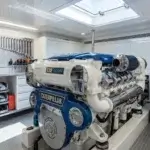
Most large ships use internal combustion engines, with marine diesel engines being the most common choice. These engines work similarly to car engines but on a much larger scale. The basic idea is that fuel combusts inside the engine cylinders to move pistons up and down. This motion spins a crankshaft, rotating the ship’s propeller through gears or directly, which produces forward or backward movement.
There are two main types of diesel engines found on ships:
- Slow speed two stroke diesel engines: These usually drive the main propeller directly. They are known for their energy efficiency and reliability.
- Medium speed four stroke diesel engines: Often used for generating electrical power onboard or sometimes as the main propulsion on smaller ships.
Some key ship engine terms to know:
- Propeller Shaft: Transfers the engine’s power to the propeller.
- Reduction Gearbox: Adjusts engine speed for optimal propeller operation.
- Auxiliary Engines (Generators): Produce electricity for all the onboard systems.
Innovations in Ship Engine Systems
The shipping industry has stepped up efforts to improve sustainability and efficiency. Innovations in ship engine systems now focus on reducing emissions and using new fuel types. These changes are motivated by regulations from organizations like the International Maritime Organization (IMO), which sets environmental standards for ships worldwide.
Recent innovations include:
- Dual fuel engines: These can switch between traditional heavy fuel oil and cleaner options like liquefied natural gas (LNG), letting ship operators adapt to changing fuel availability and costs. This swap helps reduce environmental impact.
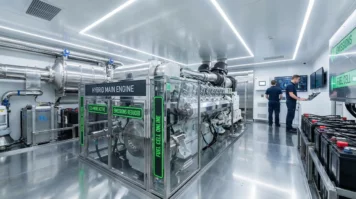
- Hybrid propulsion systems: Diesel engines combine with batteries or electric motors to boost efficiency and lower emissions, especially when ships are maneuvering near ports or during slow speeds.
- Alternative fuels: Manufacturers are experimenting with engines that run on methanol, ammonia, and hydrogen, hoping for a zero carbon future in shipping.
- Engine monitoring and automation: Advanced sensors and digital systems track performance, predict maintenance needs, and help crews operate engines efficiently.
These innovations aren’t only about environmental compliance. They also help ship operators save on fuel and maintenance, a priority for nearly every fleet manager.
Comparing the Best Marine Engine Systems
Selecting the best marine engine system for a vessel depends on factors such as vessel size, operational needs, fuel costs, and maintenance expectations. Here’s a comparison of the most common marine propulsion systems:
- Diesel Engines
Pros: Reliable, tried and true, and widely supported. Most economical for large ships on long journeys.
Cons: Runs on heavy fuel oil, which emits greenhouse gases. Maintenance can require lots of labor. - Gas Turbine Engines
Pros: Lightweight and compact, offering smooth operation and a high power to weight ratio. Favored for naval or fast vessels.
Cons: Less fuel efficient than diesel engines. Maintenance is specialized. - Hybrid Systems (Diesel Electric)
Pros: Allow ships to use both diesel and electric motors, reducing emissions and noise. Ideal for cruise ships and vessels near populated harbors.
Cons: Higher upfront costs and more complicated to maintain. - Dual Fuel Engines
Pros: Flexibility to switch fuel types. Helps vessels comply with changing regulations. LNG is cleaner than oil.
Cons: LNG infrastructure isn’t universal, so refueling can be a challenge. - Fully Electric Propulsion
Pros: Zero emissions at point of use, low noise, and easy maintenance.
Cons: Limited to smaller vessels and ferries due to battery weight and limited capacity.
This comparison helps owners pick the right propulsion method balancing efficiency, fuel options, and operating costs over time.
Core Safety Standards for Ship Engine Systems
Safety is a huge priority in ship engine systems, since malfunctions can put a vessel at risk. Robust standards are set by organizations like the International Association of Classification Societies (IACS) and the IMO. These cover design, operation, and maintenance of ship engines.
Key ship engine safety standards:
- Fire detection and suppression: Engine rooms have specialized sensors and fire suppression systems, often using CO2 or water mist, to contain fires quickly and safely.
- Regular inspections: Engine components are checked based on manufacturer and classification society requirements to catch issues before they escalate.
- Vibration and noise controls: Rules ensure engines are properly mounted and aligned to prevent structural problems from excess vibrations.
- Crew training: Engineers and crew are trained both in how the propulsion system works and in responding to emergencies.
- Data monitoring: Modern ships use digital sensors to monitor vital engine stats like temperature and oil pressure in real time.
Adhering to these safety standards gives crews the tools and know how to handle issues fast, making life at sea safer for everyone onboard.
Everyday Challenges and Tips for Ship Engine Maintenance
Ship engine systems confront daily challenges. Corrosion from sea air, constant wear from hours of operation, and risks like overheating require attention. Here are some practical tips maintenance engineers recommend:
- Maintain oil and fuel quality by following recommended schedules for filtration and sampling.
- Document all repairs and inspections to satisfy regulations and warranty terms.
- Regularly check hoses, valves, and seals. Spotting leaks early prevents bigger problems.
- Use real time engine monitoring systems to find minor issues before they become big ones.
- Train new crew members with digital simulations for hands-on experience without risks.
Companies investing in regular crew training and digital maintenance tools tend to encounter fewer unexpected breakdowns. Staying proactive is key to a safer and more reliable ship engine system overall.
The Next Stage for Marine Propulsion Systems
Marine propulsion systems are going through a glow-up as new regulations push for efficient and cleaner shipping. Modern designs are increasingly focused on reducing emissions and boosting efficiency.
Some of the key trends shaping the future of ship engine systems:
- Bigger use of electric and hybrid propulsion for ferries and short haul ships.
- New fuel cell technology using hydrogen, where the only byproduct is water.
- Hull designs working in tandem with new propulsion systems to save even more fuel.
- Digital twins, or virtual models, allow engineers to simulate engine performance before anything goes wrong.
These trends suggest ship engine systems will soon be more digital, with lower emissions and smarter integration with ship operations. Anyone considering a maritime career or investment should pay attention to these changes.
Frequently Asked Questions
I hear a lot of ship engine questions. Here are answers to some of the most common ones:
Question: What is the most common ship engine system?
Answer: Most big commercial ships rely on slow speed two stroke diesel engines. These engines are famous for their durability and efficiency on long hauls.
Question: Do zero emission ships exist yet?
Answer: While large zero emission ships are rare, several ferries and small ships powered by batteries and hydrogen fuel cells operate in places with the right infrastructure, such as Norway and Denmark.
Question: How often do ship engines require maintenance?
Answer: Engine maintenance works on cycles: daily checks, weekly inspections, and deeper servicing every few months or after a certain number of running hours. Sticking to the manufacturer’s guidelines keeps things safe and reliable.
Question: How do ship engine systems help save fuel?
Answer: Thanks to newer tech like electronic fuel injection, waste heat recovery, and hybrid power, modern engines turn more of their fuel into useful work, and that cuts operating costs and curbs emissions.
Looking Forward: The Road Ahead for Ship Engine Systems
Ship engine systems keep fleets moving and oceans linked together. Learning about their types, how they function, and the latest innovations shows why they are central to world commerce. If you’re curious about which marine engines lead the pack or want to keep up with the latest clean propulsion trends, this field offers endless exploration.
The future is set to bring cleaner, smarter, and even more efficient ship engines every year. Whether you’re a maritime enthusiast or work with ships yourself, knowing about these systems offers a front row seat to how goods and people move across seas worldwide.