Working at sea brings its own set of risks and responsibilities. Making safety a priority is really important for every seafarer, regardless of experience or role onboard.
Over the years, I’ve seen firsthand how following solid safety practices can prevent accidents and create a safer, healthier working environment for everyone. In this Basic Seafarer Safety Guide, I cover the Essential Safety Tips for Seafarers, how to build strong Seafarer Safety Protocols, and how you can use your training every day to stay safe at sea.
Why Safety Matters at Sea
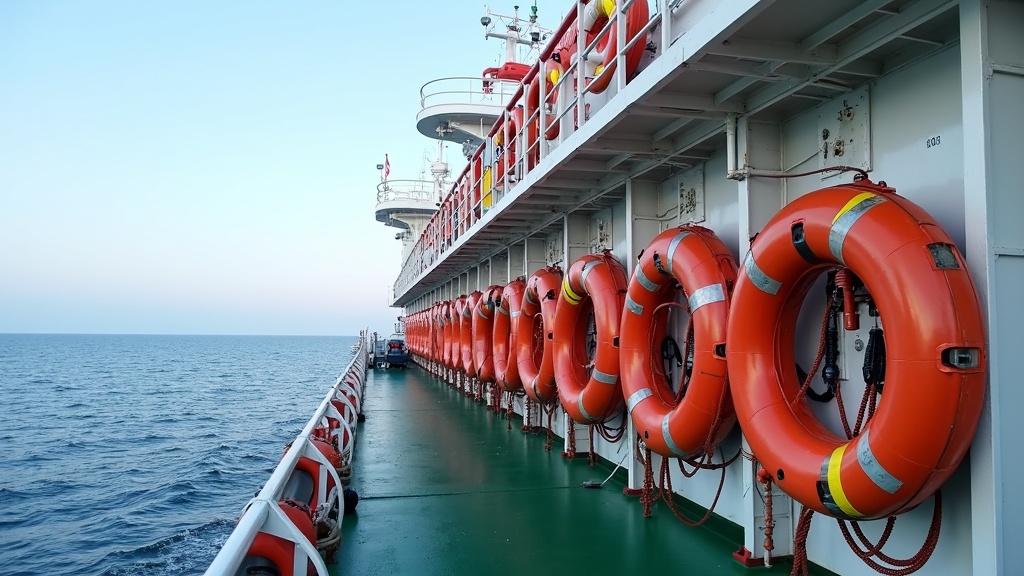
Unlike working onshore, ships operate far from immediate help, often facing unpredictable weather and challenging situations. Seafarers must know how to respond quickly in emergencies because the window to act is usually small. Good training and strong habits can help reduce the risk of injuries, protect the ship, and ensure that everyone is able to return home safely. That’s where proper safety training for seafarers really pays off. It teaches the essential skills needed for everyday work and emergencies.
Shipping is one of the world’s oldest and most important industries, but it also continues to be one of the higher risk workplaces. The International Labour Organization (ILO) highlights that serious injuries and fatalities can be greatly reduced with thorough training and awareness. From personal experience, even simple actions, like double-checking safety gear, make a real difference in keeping everyone onboard safe.
Key Safety Training for Seafarers
Every seafarer needs a foundation in both theory and hands-on practice. Most training starts with the internationally recognized STCW (Standards of Training, Certification, and Watchkeeping) courses, which I found invaluable when first starting out. These programs cover not just what to do but why it’s important, and encourage the right habits for life at sea.
- Personal Survival Techniques (PST): Teaches you how to use lifejackets, lifeboats, and other survival equipment. Practicing these skills helps you act automatically during real emergencies and avoid panic when time is critical.
- Fire Prevention and Fire Fighting: Explains fire hazards, how fires spread on ships, and practical exercises putting them out using extinguishers and hoses. Practicing these skills develops the confidence needed to react to fires swiftly and effectively.
- Elementary First Aid: Covers basic medical skills for treating injuries and illnesses until professional help is available. Knowing how to safely move a patient or dress a wound can make all the difference in remote situations.
- Personal Safety and Social Responsibilities (PSSR): Sets expectations for teamwork, safe work habits, and understanding shipboard routines. This course helps build a foundation of mutual respect and cooperation onboard.
Refresher training is just as valuable as the initial courses. Rules and technology change, and it’s easy to forget even the basics if they aren’t practiced regularly. Repeating safety drills reinforces learned skills and reveals any areas for improvement, keeping everyone sharp.
Daily Essential Safety Tips for Seafarers
Day-to-day tasks onboard may seem routine, but shipboard safety comes down to the details. Here are some of the main points I always stick to, based on both training and personal experience:
- Always Wear Personal Protective Equipment (PPE): Helmets, gloves, safety shoes, and sometimes harnesses should be worn on deck or in the engine room. PPE helps prevent injuries from slips, falls, and heavy equipment. Making PPE easily available and wearing it at all times is a simple yet effective habit for everyone.
- Follow Permit to Work Systems: Certain tasks, like hot work or working aloft, need permits and extra checks. Trying to save time by skipping paperwork is never a good idea, as these systems exist for clear reasons. Double-checking paperwork ensures everyone is informed and protected.
- Keep Work Areas Tidy: I’ve seen that a cluttered workspace leads to trips, slips, and other accidents. Returning tools, cleaning up spills, and storing equipment after use creates safer paths for everyone and makes it easier to find tools quickly in urgent situations.
- Respect Signs and Warnings: Safety signs, alarms, and instructions must always be followed. Sometimes people get too comfortable and ignore these, which can end badly. Remind yourself and crewmates that every sign is there for a reason and ignoring it could have major consequences.
- Communicate Clearly: Good communication keeps everyone informed. I’ve found that checking in before starting risky tasks often catches problems before they turn serious. Using radios, signals, or a buddy system can help ensure critical info doesn’t get missed.
Seafarer Emergency Procedures
Every ship runs regular drills so everyone knows what to do if something goes wrong. Even if drills feel repetitive, treating them seriously helps you respond better in real emergencies. Here are the emergency procedures every seafarer should know:
- Abandon Ship: Learn your muster station location, lifeboat assignment, and how to don a lifejacket fast. In my time at sea, I practiced lowering lifeboats so often that the motions felt automatic. This confidence is key under pressure and might save precious time.
- Fire: Remember your fire stations and fire plan. Fires can move quickly on ships, so knowing escape routes and how to operate alarms is essential. Regular fire drills help everyone get used to moving quickly and calmly to their stations.
- Man Overboard: Know the “man overboard” signals and your role in a rescue. Everyone should be ready to raise the alarm, launch rescue boats if assigned, or throw lifesaving equipment immediately. Practicing this drill means you’re ready to react fast no matter the conditions.
- Medical Emergency: Quick response saves lives. Every seafarer should know how to get help, use the ship’s first aid supplies, and give basic care until professionals arrive. Regularly checking the contents of the medical kit ensures everything is available in a crisis.
- Security Threats: Piracy, stowaways, or suspicious activity are rare but real. Ships have plans to limit risks and respond if something happens. Keeping your eyes open and knowing the plan is the best way to protect yourself and your crew.
Participating in drills and reviewing emergency procedures regularly builds trust in yourself and your team. If you practice as you would perform, responses in a real crisis will come more naturally and confidently.
How to Stay Safe at Sea as a Seafarer
Staying safe at sea is a team effort. As a seafarer, it’s not just about looking after yourself—looking out for your crewmates is equally important. Here’s how I keep safety top of mind every day:
- Observe the “Take Five” Rule: Before starting a job, take five seconds to assess the area, equipment, and potential hazards. This small pause can prevent a lot of trouble later and helps you spot anything out of the ordinary before it’s too late.
- Ask Questions: If unsure about a task or equipment, I always ask a senior crew member or officer. Better to double-check than risk a mistake. Asking for guidance shows care for safety, not weakness.
- Get Enough Rest: Fatigue is a major cause of accidents. Good sleep, taking scheduled breaks, and looking out for signs of tiredness in others are simple ways to stay sharp. Encourage your crew to be honest about tiredness so that everyone can work at their best.
- Alcohol and Drug Policy: Most ships have a strict zero tolerance policy. Avoiding alcohol and drugs keeps everyone safer and is required by most maritime authorities. Regular reminders during briefings help keep this rule front of mind.
- Stay Alert During Bad Weather: Heavy seas, storms, or ice conditions create extra hazards. Move slowly, use handrails, and wear extra gear when needed. Keeping watch during rough spells can stop accidents before they happen.
Common Challenges to Seafarer Safety
Each vessel and voyage brings its own safety challenges. Drawing from my time offshore, here are some main issues and how to work through them:
- Equipment Failure: Even reliable equipment can fail. I run regular checks on safety gear and report or fix problems right away. Well-maintained equipment is your best backup in a crisis.
- Language Barriers: Crews are often multinational, and misunderstandings can put people at risk. I try to use clear language, visual cues, or repeat important points to avoid confusion. Effective communication builds trust and prevents mistakes before they start.
- Complacency: Doing the same job over and over can make anyone less careful. Treating every task as new, paying attention to detail, and encouraging others to do the same all help. Keeping a checklist or step-by-step reminders can help shake up routine and keep focus high.
- Weather and Environmental Hazards: Changing weather conditions can create slippery decks, rough seas, or poor visibility. Processing weather updates and wearing the right gear are steps I never skip. Anticipating changes makes it possible to avoid most weather-related injuries.
- Mental Health and Stress: Being at sea for long periods can be hard emotionally. I find talking openly about stress, staying connected with family, and supporting my mates goes a long way in preventing accidents linked to distraction or fatigue. Regular check-ins help keep morale up.
Equipment Failure
Routine inspections prevent small problems from becoming bigger risks. For example, checking that lifejackets and lifeboats are in good working order can make all the difference in an emergency. If something is worn or broken, reporting it immediately means it can be sorted quickly. Creating a simple checklist can help keep inspections regular and effective.
Language Barriers
Diversity strengthens the crew, but it can cause miscommunication. I always make sure everyone in my team understands instructions clearly, sometimes using diagrams or demonstrations if language skills are different. Peer-to-peer teaching or short role-play scenarios help new crew members feel comfortable asking questions.
Complacency
It’s easy to feel bored or overconfident about tasks you’ve done a thousand times. Setting a good example by following proper procedures, no matter how basic, shows others that safety is worth it every time. Posting reminders and holding refresher talks also help.
Weather and Environmental Hazards
Taking weather reports seriously and preparing in advance reduces accidents. Non slip shoes, extra railings, and watching out for icy or soaked surfaces are just some habits I keep. Checking forecasts at the start of every shift can make unexpected changes less of a surprise.
Mental Health and Stress
Looking after yourself mentally is just as important as physical safety. If you notice a crewmate feeling down or overwhelmed, checking in and offering support can help prevent mistakes that lead to accidents. Organizing regular group activities, when possible, also lightens the mood and eases tension during long contracts.
I know that no ship can operate perfectly all the time. Accepting this reality, while always working to improve, keeps safety efforts moving forward.
Essential Skills for Seafarer Safety
There are some fundamental skills that every seafarer should have, whether it’s their first trip or their hundredth. These skills help ensure you stay ready for both routine duties and emergencies:
- Practical First Aid: Knowing how to treat wounds, burns, or seasickness is part of most emergency drills. I make a habit of reviewing the first aid kit’s contents and knowing how to use everything inside. Familiarity with supplies lets you stay calm and quick when it counts.
- Basic Firefighting: Fires start fast and are hard to fight at sea. I keep familiar with fire extinguishers, hoses, and where the nearest firefighting stations are on my ship. Periodic practice gives the confidence to handle a real fire without hesitation.
- Reading Safety Data Sheets (SDS): Many jobs involve chemicals or oils. Reviewing the SDS for materials being used helps me know what to do if there’s a spill or exposure. Keeping these sheets handy saves time during a real incident.
- Proper Use of Communication Systems: Quick, clear calls over radios or public address systems spread information to the right people in a crisis. Practicing basic radio etiquette, such as identifying yourself and the emergency clearly, prevents confusion.
- Safe Lifting and Manual Handling: Ship work is physically demanding. Bending knees, using proper lifting technique, and asking for help when needed prevents back injuries and strains. Remember, using mechanical aids or sharing the load makes the job safer.
Building Strong Seafarer Safety Protocols
Good shipboard routines keep risks under control. Setting up clear safety rules, scheduled drills, and regular toolbox talks makes everyone safer. Here’s how I help build a safer routine onboard:
- Daily Safety Meetings: These short check-ins let everyone bring up risks and solutions. I find it’s a great time for the crew to share ideas and learn from recent incidents. Taking a few minutes each day can save hours lost to accidents later.
- Toolbox Talks Before Every Task: Quick chats before starting jobs help refresh key safety steps and pass along any recent lessons learned. Sharing stories of near misses draws on real experiences to warn others.
- Clear Reporting Systems: Easy ways for everyone to report hazards or near misses allow officers to fix problems before they get worse. An open-door policy with officers means concerns are addressed early.
- Consistent Documentation: Keeping records of drills, safety checks, and maintenance supports continuous improvement. Reviewing past reports helps spot trends and prevent repeat incidents.
- Positive Safety Culture: When everyone takes responsibility for themselves and each other, you get a safer, more cooperative ship. Recognizing and praising good safety behavior encourages this culture to grow over time.
These steps are not complicated, but taking them seriously and making them regular habit is really important in reducing risk. Encouraging input from the whole crew helps create a team mindset focused on safety.
Common Questions About How to Ensure Seafarer Safety
Here are some questions that I have heard from colleagues, especially those starting their first contracts or moving up to new positions:
Question: What’s the single most important thing to remember about ship safety?
Answer: Stay alert and be prepared for the unexpected. No matter how experienced you are, every day can bring something new. Always choose safety over shortcuts and remind others to do the same. A cautious approach keeps everyone safer.
Question: How can I make sure my safety training stays up to date?
Answer: Attend all drills and refresher courses as soon as possible, and review official guidance from the International Maritime Organization (IMO). Ask your safety officer about the latest updates and changes in procedures. Proactively seeking updates helps you stay current and ready for any changes.
Question: What do I do if I notice unsafe behavior from another seafarer?
Answer: Report it to your officer right away. If it’s safe, remind your crewmate about the right procedure and offer to help out. Onboard safety is everyone’s job, and speaking up might prevent an accident.
Question: Are there any resources for learning more about the rules and regulations?
Answer: Yes, the International Maritime Organization (IMO) and International Labour Organization (ILO) websites have lots of information. Shipping companies also usually have manuals and training modules available online and onboard. Reviewing these regularly is always a good move. Joining safety forums or crew knowledge-sharing groups can provide new insights as well.
How to Practice Ongoing Seafarer Safety
I’ve learned that building safety into every action onboard makes a bigger impact than just relying on rules or drills alone. Always considering the consequences before acting and keeping communication lines open are the two biggest things I focus on each day. Whether you’re on deck, in the engine room, or the galley, the same basic Seafarer Safety Protocols apply.
Every seafarer plays a key part in keeping the ship safe for all. Sharing knowledge, learning from close calls, and supporting one another means fewer accidents, less stress, and a better trip overall. Following the Essential Safety Tips for Seafarers every day is how I make sure I’m ready for whatever the ocean throws my way.
Adding to your safety knowledge doesn’t stop with training—it’s something you build day by day, alongside your crew. Keep an open mind, stay curious, and don’t hesitate to ask questions or make suggestions. By staying proactive, you not only protect yourself but help create a safer environment for everyone aboard. Safe travels and smooth seas to all seafarers.






2 Comments
This was such a well-rounded and insightful read! I really appreciate how you combined technical safety procedures with personal experience. It makes the topic both practical and relatable. The emphasis on teamwork, communication, and mental well-being stood out to me, since those aspects are often overlooked in safety discussions. I especially liked the “Take Five” rule. It’s simple yet powerful. In your experience, which safety habit has had the biggest impact on preventing onboard accidents?
Thank you so much for your thoughtful comment — I’m really glad you found it valuable!
You’re absolutely right — teamwork, communication, and mental well-being often get less attention than they deserve, even though they’re key to maintaining a strong safety culture.
As for your question, I’d say consistent situational awareness has probably had the biggest impact on preventing onboard accidents. When everyone stays alert, communicates changes, and feels empowered to speak up, potential issues are caught early — often before they turn into incidents. The “Take Five” rule really helps reinforce that mindset by creating a brief pause for awareness before any task.
What about you — have you found any particular safety practice or habit that’s made a big difference in your own experience?