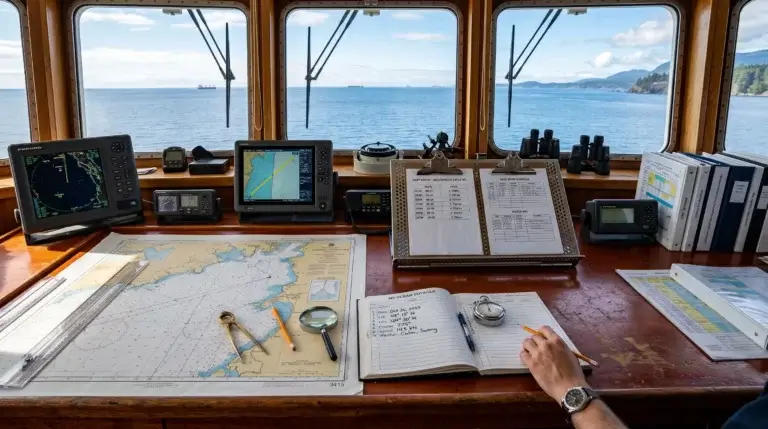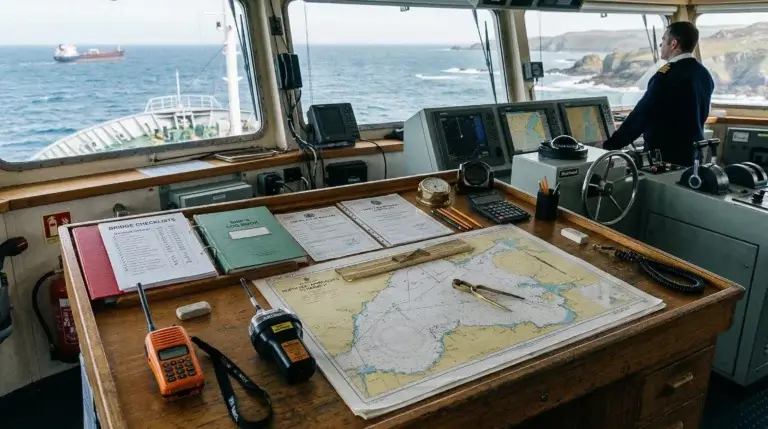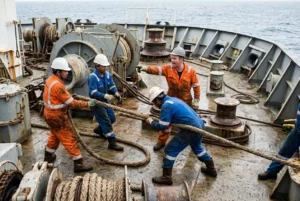
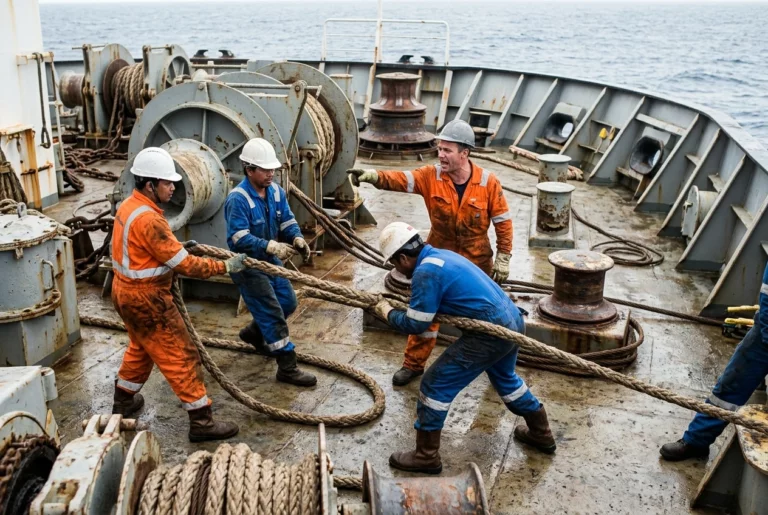
Organizing work schedules and duties on ships is crucial for smooth operations and crew well-being. Reliable work schedule management tools have made this process more efficient and organized than eve...
Across the world’s oceans, thousands of seafarers go about their daily work in one of the most demanding and hazardous environments humanity has ever navigated. The difference between a ship tha...
Managing audits and inspections at sea can seem daunting, but understanding what’s expected and being well prepared in advance makes the process much more manageable. Based on my experience, smooth au...
SOLAS, short for the International Convention for the Safety of Life at Sea, stands as the leading international benchmark for maritime safety. Whether I’m responsible for a ship or crew on board, und...
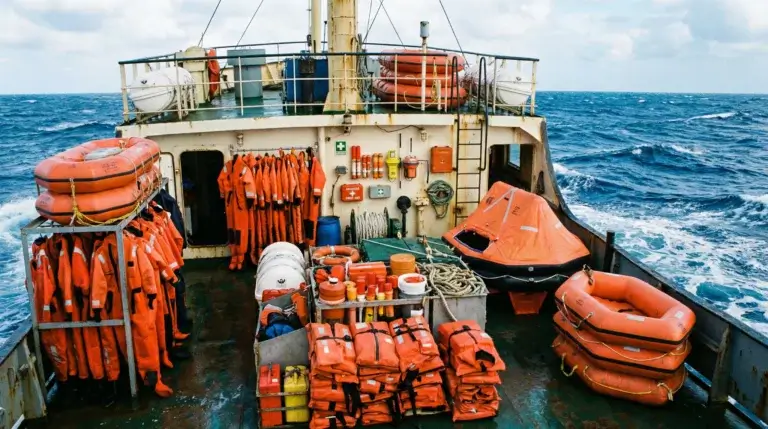
Using survival suits and emergency equipment is a major part of life at sea. I’ve spent years working with ship safety routines and know that the right choices and good preparation save lives when thi...
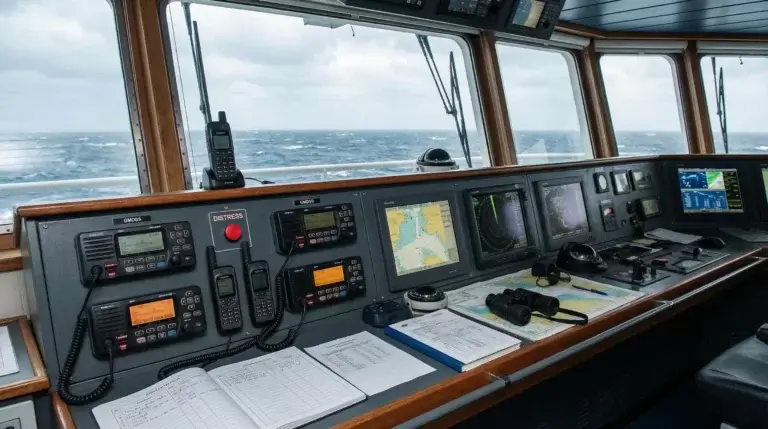
Emergency communication at sea is super important for safety. Being able to quickly and clearly share urgent information during a crisis can mean the difference between a safe outcome and disaster. My...
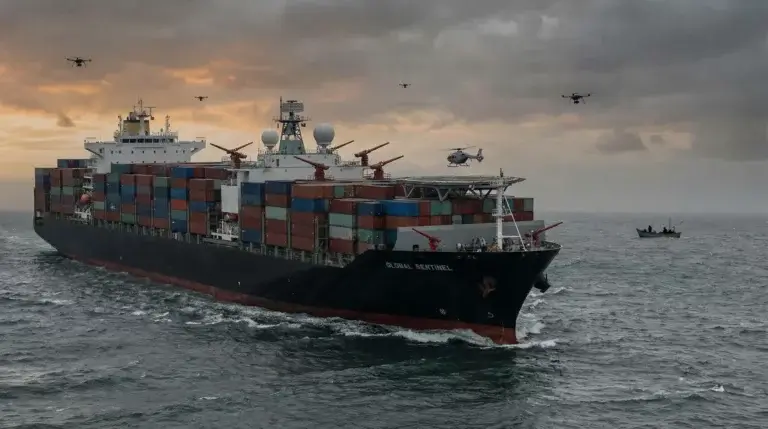
Ships and cargoes move across oceans every day, but maritime piracy and security threats still put people and goods at risk. I have seen firsthand how the response to these threats keeps getting more ...
Safety drill training for seafarers helps crews react appropriately when real danger strikes. Seafarers have jobs that put them directly in environments where quick decision making and being ready for...
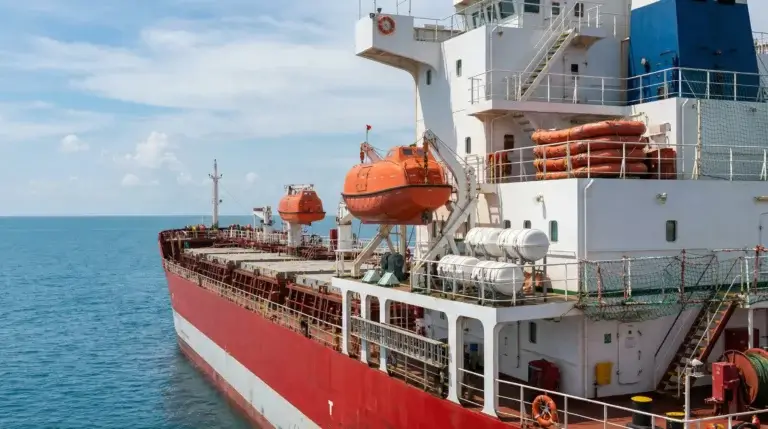
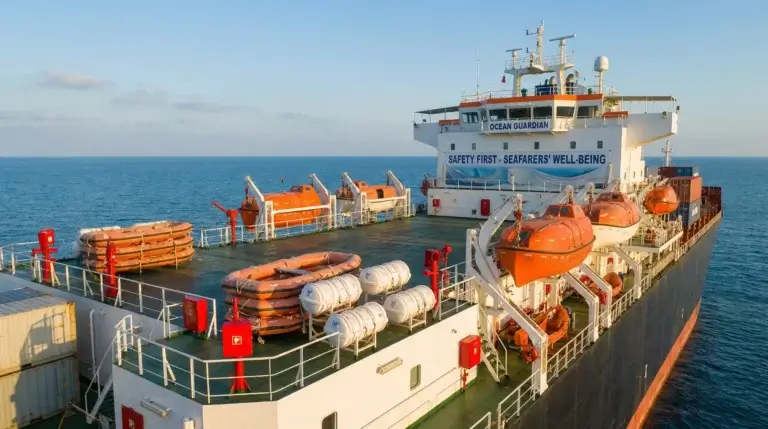
Lifeboat and life raft procedures form the backbone of emergency response at sea. Knowing how to use these lifesaving tools and understanding the steps involved during an evacuation can make all the d...


2 responses to “Lifeboat And Life Raft Procedures”
This article offers a clear, practical discussion of lifeboat and life raft procedures, emphasising how preparation, training, and repetition directly impact safety at sea. It does a great job connecting real-world drills with confidence-building, showing that knowing the steps ahead of time helps reduce panic during emergencies. The focus on teamwork, equipment checks, and survival techniques reinforces that maritime safety isn’t just about rules; it’s about readiness, communication, and staying calm when it matters most.
Thank you for your thoughtful feedback. We’re glad the article’s emphasis on preparation, training, and repetition resonated with you. As you highlighted, effective drills and clear procedures are key to building confidence and reducing panic in real emergencies. Maritime safety truly depends on teamwork, communication, and a calm, well prepared response, and we appreciate you recognising how these elements come together in practice.