Marine engines play a big part in the global transport and fishing industries, but many people don’t realize how much their energy use impacts fuel costs and the environment.
When I first started looking into marine engine efficiency, I stumbled upon a ton of things that big ships and even smaller boats could do to cut down on fuel waste. If you’re curious about improving energy performance at sea, whether it’s for cost savings or to help shrink your carbon footprint, understanding energy efficiency for marine engines can be pretty rewarding.
Why Marine Engine Energy Efficiency Matters
Marine Engine Energy Efficiency isn’t just about running ships with less fuel. I’ve found it helps save money, reduces pollution, and meets strict international rules. For anyone running a cargo vessel, ferry, or even a private yacht, keeping engines efficient really matters today.
Fuel costs are a huge part of operating expenses at sea; sometimes up to 60% of total costs for a commercial vessel. With fuel prices going up and rules tightening around CO₂ emissions, shipowners and operators are constantly searching for the best Energy Efficiency Solutions for marine engines.
The environmental impact is hard to ignore too. International Maritime Organization (IMO) regulations, like the Energy Efficiency Design Index (EEDI) and Carbon Intensity Indicator (CII), are now shaping how vessels are built and operated. Investing in efficiency doesn’t just trim costs; it also means ships can stay compliant and be a better neighbor on the water.
How Marine Engines Lose Efficiency
Boosting Marine Engine Energy Efficiency starts with knowing where and why engines lose efficiency. The main energy losses I’ve noticed are pretty similar across most marine engines:
- Heat Loss: A big chunk of the fuel energy in marine engines just turns into heat, which doesn’t do any work.
- Mechanical Friction: Moving parts inside marine engines can waste energy due to friction, especially if they aren’t well maintained.
- Poor Fuel Combustion: If the air-fuel mixture isn’t right, the engine burns more fuel than it needs, and releases more smoke.
- Underloading: Some vessels rarely run at their “sweet spot,” using more fuel than necessary during slow steaming or idling.
- Inefficient Propellers: Old or damaged propellers and unclean hulls make the system work harder for the same result, wasting fuel.
Energy Efficiency Solutions for Marine Engines
Manufacturers and operators have come up with several energy efficiency solutions for marine vessels. Switching to some of these technologies and techniques can make a big difference:
- Waste Heat Recovery: Some modern engines are built to reuse energy that would usually go out the exhaust. Waste heat recovery systems can capture this leftover energy to power generators or heat water on board.
- Variable Speed Drives: Adjusting pump and fan speeds to actual demand instead of running at full tilt all the time saves power.
- Engine Upgrades: Older engines can be retrofitted with new controls, fuel injectors, or turbochargers to boost performance without a total replacement.
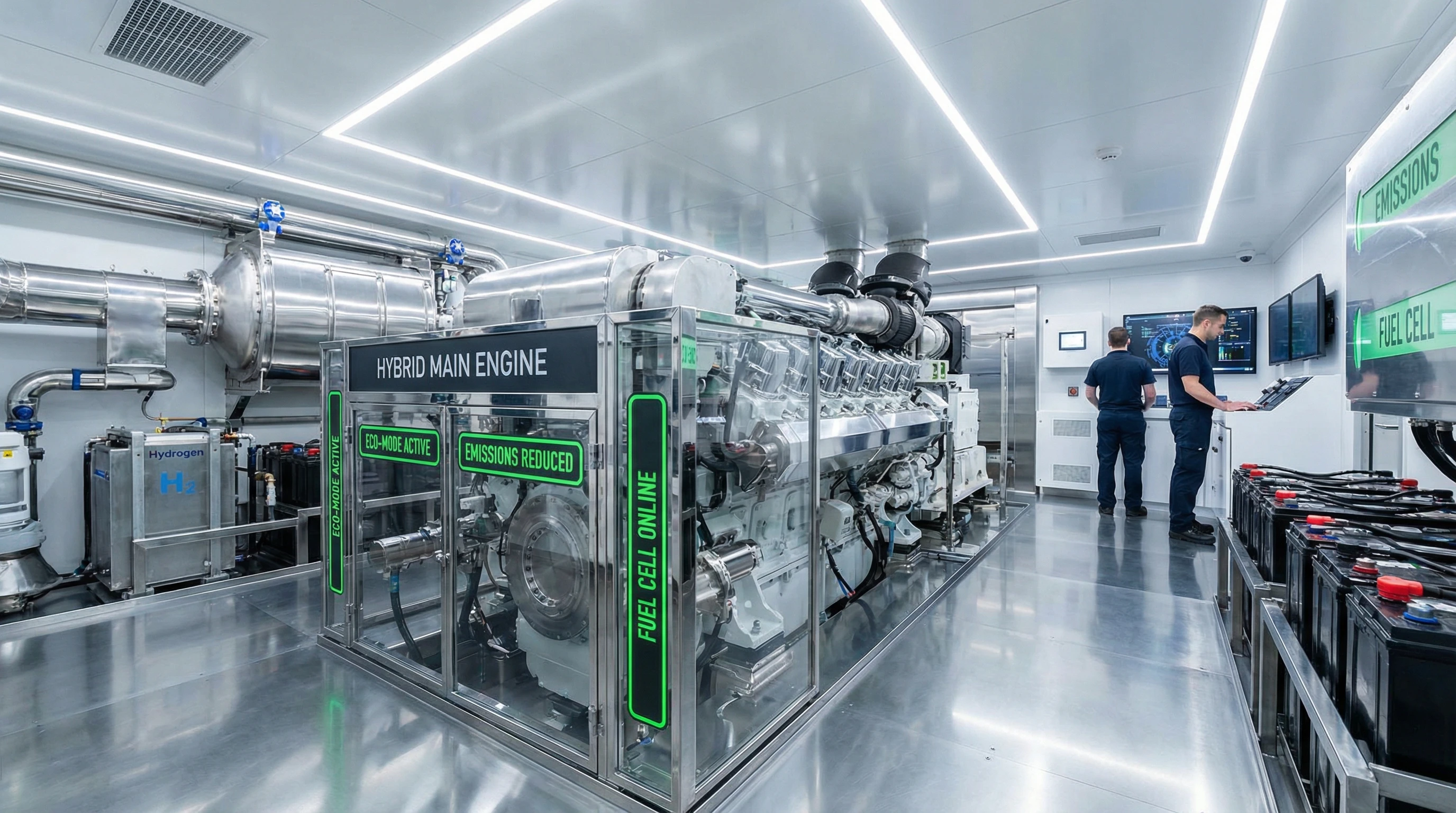
- Alternative Fuels: Switching to LNG (liquefied natural gas), biofuels, or even hydrogen cuts emissions and can burn more efficiently than heavy fuel oil.
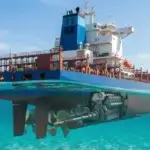
- Hull Coatings and Cleaning: Special low-friction paints and regular cleaning help ships glide through water with less resistance.
- Air Lubrication: Blowing bubbles under the hull creates a thin air layer, lowering drag and making the engine’s job easier.
Top Marine Engine Efficiency Technologies
Some new ideas have really raised the bar for marine fuel efficiency. These top Marine Engine Efficiency Technologies are worth checking out:
- Dual Fuel Engines: Engines that can switch between LNG and traditional fuel let operators pick the most efficient and clean fuel for any trip.
- Hybrid Electric Propulsion: Adding batteries and electric motors means the ship can run on electricity for some journeys, slashing fuel use in port or when coasting.
- Advanced Propeller Designs: More efficient propeller shapes like fins, ducts, or multiblades get more push out of every drop of fuel.
- Real Time Performance Monitoring: Sensors track fuel use, engine load, and ship speed, providing data for constant adjustments. It works like a fitness tracker for your ship, helping catch problems early.
- Exhaust Gas Recirculation (EGR): This system mixes some exhaust gas back into the engine, lowering nitrogen oxide emissions and improving combustion in certain situations.
How to Step Up Marine Engine Efficiency Day to Day
Making technical upgrades is just part of the solution. How ships are run every day is just as important. Here’s what I’ve noticed really gives a boost to fuel economy:
- Regular Maintenance: Cleaning filters, checking fuel injectors, and monitoring oil levels keep the engine running at its best.
- Optimal Speed: Ships are often most efficient at “design speed.” Running too fast or too slow for long stretches can waste a lot of fuel.
- Trim and Ballast Adjustments: The way weight is distributed on board affects how much hull is in the water. Optimizing trim reduces resistance.
- Route and Weather Planning: Mapping the best route and timing the adventure to avoid headwinds or strong currents saves time and fuel.
- Training Crew: Even the best tech needs people who know how to use it. Training personnel on energy-saving operations pays off over time.
Marine Engine Fuel Efficiency Tips
I’ve picked up some practical marine engine fuel efficiency tips over the years that work regardless of ship size:
- Keep the propeller and hull clean from fouling. Marine growth adds drag and wastes fuel.
- Avoid unnecessary idling in port. Shut down the engine when you can or use shore power.
- Watch your speed. Small reductions can lead to big fuel savings; the power needed goes up fast as speed increases.
- Use the right grade of fuel and look for suppliers with the cleanest fuel blends.
- Track performance regularly and look for trends. Tackling small issues early can stop bigger, expensive problems later on.
Marine Engines and Renewable Energy
Many shipbuilders and operators are exploring renewable energy to lower costs and hit environmental targets. A few of the ideas already out there:
- Wind Assisted Propulsion: Retrofits like sails or rotorsails use wind power to support the main engine, reducing fuel demand.
- Solar Panels: Some ships now have solar panels on deck to power lights, air conditioning, or even charge batteries for hybrid propulsion.
- Batteries and Energy Storage: Storing renewable electricity on board makes it possible to run systems or even engines without burning fuel for hours at a time, especially in port.
Combining conventional engines with renewables is getting more common on ferries, cruise ships, and even cargo ships.
Challenges to Improving Marine Engine Energy Efficiency
There’s plenty of potential, but improving energy efficiency for marine engines isn’t always easy. Some of the challenges I see most often include the following:
- Initial Costs: Upgrades like hybrid systems or new propellers can cost a lot up front, though they typically pay for themselves over the years.
- Older Fleets: Many ships are decades old, making upgrades tricky without major refits. Sometimes a total engine replacement is needed.
- Fuel Quality: Poor quality fuel can cause more maintenance issues and reduce gains from hitech upgrades.
- Regulatory Compliance: International rules change quickly. Keeping up and staying compliant can be a full time job in itself.
- Crew Training: Skilled crew make a difference. Ongoing learning is really important as more systems become digital and automated.
Advanced Strategies for Efficient Marine Engine Operation
If you’re already running a fairly efficient operation, there are some advanced strategies to squeeze out even more performance:
- Combining Data Analytics with AI: Predictive maintenance tools use AI to warn you before something breaks, allowing for repairs that won’t disrupt operations or cost more in wasted energy.
- Fleet Wide Monitoring: Tracking performance across multiple ships helps spot trends, share best practices, and optimize refueling or routing decisions.
- Economizer Installations: These devices recover additional heat, often for heating accommodation or generating extra electricity onboard.
- Collaboration With Industry Experts: Teaming up with naval architects, marine engineers, and technology providers can help you stay ahead of the curve and get access to new efficiency ideas before they become mainstream.
- Integration Of Digital Twins: Using a virtual model of your vessel allows for real-time simulation and testing of efficiency upgrades or operational tweaks before making investments.
The Real World Impact of Marine Engine Energy Efficiency
I’ve seen companies save hundreds of thousands of dollars each year just by implementing a few key efficiency upgrades. For example, a ferry line that installed hybrid engines and started using real-time tracking to find the best speed and routes reported both lower costs and better reliability for their fleet.
You don’t need to be running a huge cargo ship to see benefits. Even smaller operators are finding that keeping a close eye on fuel use, investing in new hull coatings, or running engines closer to their design specs can cut fuel bills and reduce emissions. This kind of attention to detail also extends the lifespan of key equipment, meaning fewer unexpected breakdowns or repairs. A yacht owner I know switched to alternative fuels and embraced solar energy for onboard systems, resulting in quieter operations, savings, and less hassle at sea.
Aside from the financial perks, several case studies have shown that cutting vessel emissions doesn’t just meet government targets; it can also improve worker safety and strengthen your brand’s image. Because more ports and customers pay attention to green practices, going the extra mile with efficiency can open the door to new business opportunities.
Frequently Asked Questions
If you’re new to marine engine energy efficiency or thinking about upgrades, here are some questions I get asked a lot:
Question: What’s the quickest way to improve my vessel’s energy efficiency?
Answer: Keeping the propeller and hull clean, following good maintenance routines, and operating at or near design speed provide solid gains without big investments.
Question: Can small vessels use advanced efficiency technologies too?
Answer: Yes, many improvements like hull coatings or new propeller designs are available for boats of all sizes. Hybrid and renewable energy systems are becoming more accessible for smaller operators too.
Question: Are there funding programs for upgrading marine engines?
Answer: Some national and international organizations offer grants or tax credits for green upgrades, especially if they help meet emissions targets. It’s definitely worth checking with local maritime authorities or trade associations.
Question: How do fuel quality and type affect efficiency?
Answer: Engines run best on high-quality, clean-burning fuels that match manufacturer specs. Upgrading to alternatives like LNG or synthetic fuels can bring extra gains and reduce pollution, but compatibility and infrastructure need checking first.
Key Takeaways for Better Marine Engine Efficiency
Marine engine energy efficiency is going through a real glow-up. If you want to lower costs, reduce emissions, or extend your vessel’s life, there’s a pretty big toolbox of upgrades and strategies to try. Starting small, like using cleaner fuels and keeping up with maintenance, can lead to bigger things such as hybrid propulsion or integrating renewable energy.
Staying informed and embracing change is really important, especially with new technology and rules always on the horizon. For anyone working on or around boats, paying attention to energy use pays off both financially and environmentally.