Port State Control (PSC) is one of those things in shipping that I find both highly detailed and really important for safe global trade.
The concept of a memorandum of understanding (MoU) in port state control can sound a bit technical, but understanding how these agreements work helps explain why ships are inspected and how safety rules are enforced around the world. I’ll break down what a port state control MoU is, what goes into PSC regulations, best practices for port state control, and how to prepare for inspections with checklists and real examples.
What Is a Memorandum of Understanding in Shipping?
A memorandum of understanding (MoU) in shipping is a formal agreement between countries to work together on certain goals without creating legally binding obligations. In the context of port state control, an MoU focuses on improving ship safety, environmental protection, and working conditions for seafarers. It creates a framework for how countries inspect ships visiting their ports and helps establish common standards across regions.
The main reason these MoUs exist is because single countries working on their own would not have much impact on global shipping safety. By grouping together, countries can set clear inspection procedures and create databases of ship records, making it harder for substandard ships to slip through. This cooperation has led to more consistent oversight and has strengthened accountability across the shipping world. For seafarers and shipowners, knowing the MoU rules in regional waters is crucial as they can directly impact business continuity and crew welfare.
Port State Control Regulations: Why They Matter
Port state control regulations set minimum safety, security, and environmental standards for foreign-flagged ships entering a country’s ports. The main goal is to prevent accidents and make sure ships are seaworthy and properly managed. These regulations often reference international conventions such as SOLAS (Safety of Life at Sea), MARPOL (Marine Pollution), and STCW (Standards of Training, Certification, and Watchkeeping for Seafarers).
By following port state control regulations, I see how countries protect their coastlines, ports, and the people working at sea. Failing an inspection can mean heavy fines, costly detentions, and even bans from entering other ports. PSC helps step up the overall quality of global shipping, and regular inspections remind companies that compliance is not optional.
Major Memorandum of Understanding Shipping Guidelines
Several major PSC MoUs exist around the world, each covering a specific region. Some of the key MoUs include:
- Paris MoU: Covers Europe and the North Atlantic. It’s one of the most well known agreements and acts as a model for others.
- Tokyo MoU: Focuses on Asia Pacific ports.
- Indian Ocean MoU: Deals with the Indian Ocean region.
- Caribbean MoU: Centers on Caribbean ports.
- Mediterranean MoU: Covers Mediterranean states.
- Black Sea MoU, Abuja MoU, Riyadh MoU, and others: Each serves specific geographic areas.
Each MoU has its own guidelines, but they all aim for harmonized procedures. Ships flagged under countries not seen as strict on safety often get targeted more rigorously for inspections based on MoU data and ship histories. MoU committees regularly review their procedures to address new safety challenges, including cybersecurity and environmental issues, and adjust their checklists accordingly.
How a Port State Control MoU Works in Practice
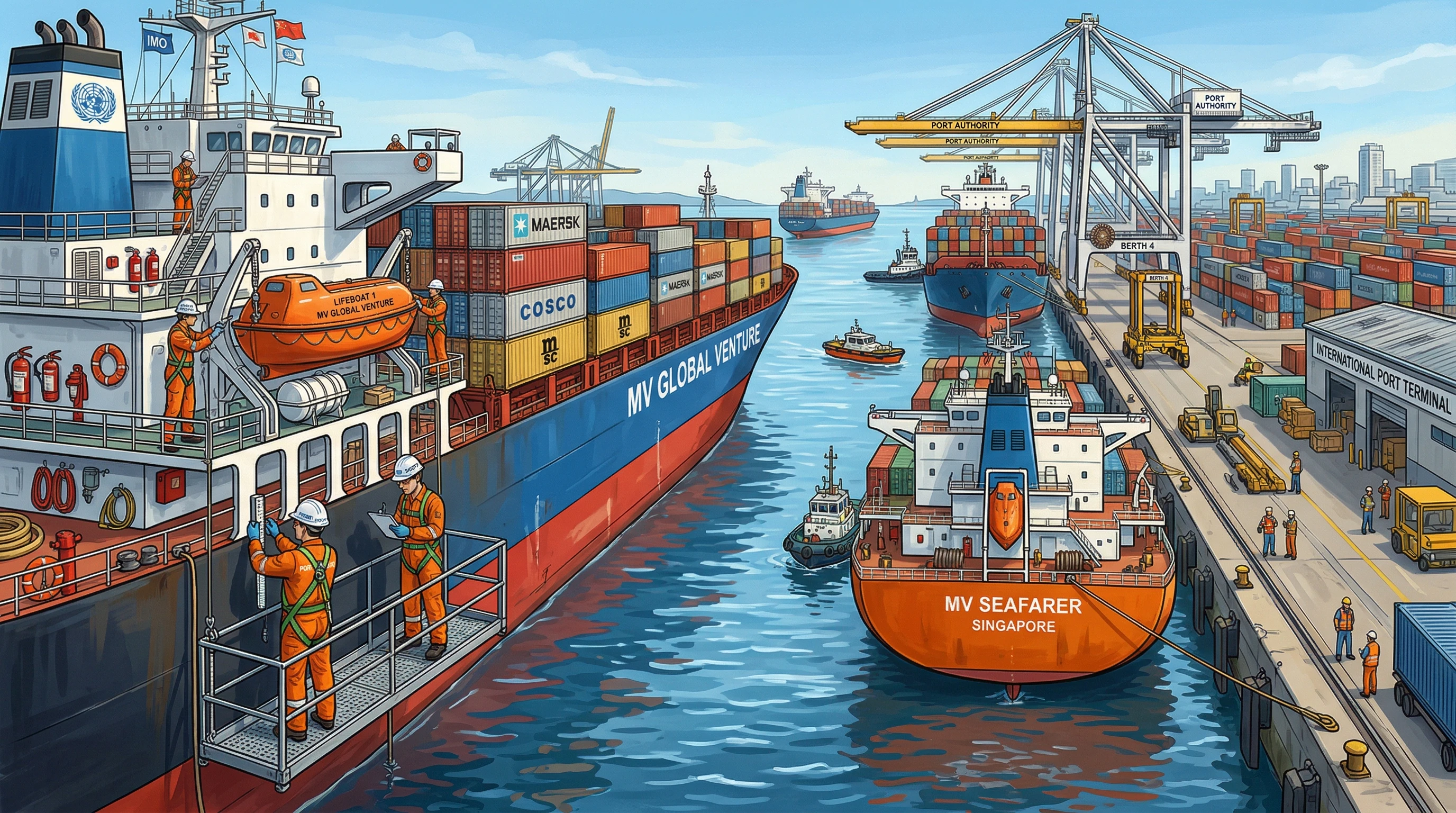
When my ship arrives in a foreign port under an MoU, local authorities review the vessel’s history, ownership, and previous inspection records, often using a shared MoU database. If selected, an inspector (sometimes called a port state control officer) boards to check the ship based on the MoU’s inspection checklist and standards. This creates an even playing field, as inspectors across MoU member countries use the same criteria for all ships, regardless of their flag.
Port State Control Memorandum Examples
Imagine a bulk carrier arriving at a European port. The local port state control officer logs into the Paris MoU database, reviews the ship’s past inspections, and decides whether to inspect. If the ship was recently detained in another MoU country, the chance of inspection increases. Another example would be in the Tokyo MoU region, where ships flagged to countries with poor performance records might find themselves inspected frequently. These examples show that MoUs provide structure and consistency across borders and help ensure that poor performers do not go unnoticed.
Best Practices for Port State Control Compliance
Based on my experience and industry standards, sticking to best practices is the easiest way to avoid trouble during port checks. Here’s what I focus on to ensure PSC compliance:
- Keep all ship documents up to date, including certificates, crew records, and logs.
- Make sure all safety equipment is working correctly, from lifeboats and firefighting systems to pollution prevention gear.
- Train crew members on safety drills and ensure everyone knows their role in emergencies.
- Review recent PSC reports and address any issues found during previous inspections.
- Stay updated on new PSC regulations and MoU policy changes.
Keeping up with maintenance and training is super important. Ships that take shortcuts are the ones most likely to face problems when port inspectors come aboard. Also, having a crew that is aware of the rules and inspection procedure can lead to smoother inspections and less disruption to port calls.
Understanding the Port State Control Inspection Checklist
A PSC inspection is much more than just checking a few documents, it’s a careful review that covers the ship’s condition, equipment, and crew practices. I find it helpful to keep a port state control inspection checklist on hand so nothing slips through the cracks. Typical items on the checklist include:
- Ship’s certificates (like registration, safety construction, and class certificates)
- Lifesaving appliances (lifeboats, lifejackets, distress signals)
- Firefighting equipment and fire control plans
- Pilot ladders and access equipment
- Emergency drills records and actual emergency readiness
- Pollution prevention (oil filtering equipment, MARPOL records, garbage management)
- Crew qualifications, licenses, and work/rest time documentation
Following the PSC inspection checklist isn’t just about passing an inspection, it builds a culture of safety and operational consistency on board. Ensuring that all crew understand their responsibilities and know where vital documents and equipment are located can make a world of difference during the inspection process.
Challenges and Things to Watch Out for With MoU Compliance
Staying compliant with port state control MoU requirements can be challenging. Even small oversights can cause delays and operational setbacks. Here’s what I usually keep an eye on:
- Language Barriers: Not all seafarers speak the local language, so I make sure critical documents have certified translations when possible.
- Technical Issues: Faulty or poorly maintained equipment will draw negative attention.
- Recent Detentions: Ships recently detained elsewhere are almost guaranteed to be checked again.
- Changing Regulations: MoUs often update their checklists or focus areas without much warning. Staying informed is key to staying compliant.
Crew and management can also benefit from regular training on the latest MoU trends and focus areas. This keeps everyone sharp and reduces the risk of being caught off guard by updated inspection routines or documentation changes.
Case Example: Paris MoU and Ship Detention
I remember when a container vessel I worked with failed to update safety certificates after a dry dock. Inspectors quickly noticed and detained the ship until updated paperwork was provided. This is a classic example of how MoUs share records and can spot recurring problems, using data driven risk assessment to target higher risk ships. It proved how important it is to stay on top of every document and not leave things to chance.
Preparing for a Successful Inspection, PSC Compliance Checklist
Being inspection ready is a continuous process that shapes the ship’s daily routine. Here’s a PSC compliance checklist I use to stay prepared:
- Double check all ship certificates and survey dates.
- Inspect and run safety equipment drills (lifeboats, fire, and abandon ship).
- Review accident and incident logs to ensure followups are complete.
- Clean and organize machinery spaces, decks, and accommodation areas.
- Ensure MARPOL documentation (oil record book, garbage log) is current and correct.
- Brief the crew on what to expect during inspections and check that everyone understands emergency duties.
- Cross reference with MoU specific inspection trends or circulars, which are often published on MoU websites.
This PSC compliance checklist helps keep things on track and address any issues before inspectors come aboard. By sticking to the checklist, you not only make PSC inspections smoother but also maintain an overall higher standard onboard for everyone’s benefit.
Real World Impact, Why MoUs Are Still Relevant
Some people see MoUs as just another layer of paperwork. But in my experience, these agreements have reduced casualties, environmental spills, and unsafe ship operations. Member countries also share training resources and databases, which means a unified approach to tracking low quality shipping and improving safety outcomes worldwide.
Industry feedback often leads MoUs to add new focus areas, such as cyber risk management, fuel compliance checks (like IMO 2020 low sulfur rules), and stricter labor standards for seafarers. This means the scope of PSC will keep changing as shipping grows. MoUs will need to stay agile and update their methods as the shipping world brings in new technology and regulations.
Staying aware of these changes and adapting crew training and documentation can save a lot of trouble in the long run. By keeping up with these evolving requirements, ships demonstrate their commitment to global standards and safety on the seas.
FAQs: Common Questions About MoUs and PSC
Here are some questions I frequently hear when talking to crew, shipping companies, or trainees about port state control and MoUs.
Question: What’s the difference between a port state control MoU and an international convention?
Answer: International conventions create the legal rules for safety, security, and environment at sea. MoUs bring countries together after making those rules, helping them coordinate inspections, share information, and make enforcement more consistent.
Question: How often are ships inspected under an MoU regime?
Answer: The frequency depends on risk factors tracked by each MoU. Ships with good records may only get checked every few years, while those with recent problems or from lower ranked flag states might be inspected at every port call.
Question: What should shipowners do to avoid trouble at PSC inspections?
Answer: Regularly review PSC reports, stay up to date on regulations, keep documents organized, and follow a robust maintenance and training routine based on the port state control compliance checklist.
How MoUs Will Keep Shaping Global Shipping
Port state control MoUs remain a key part of shipping, helping keep ships safe, workers protected, and the environment cleaner. For me, staying familiar with these guidelines and keeping up with inspection trends has become a daily part of ship operations. Ships that treat MoU compliance as an ongoing project, rather than a box to check, see better results and fewer delays at port.
Understanding memorandum of understanding shipping guidelines, using PSC inspection checklists, and reviewing port state control memorandum examples are all tools that help avoid issues and smooth out global shipping. This approach also builds trust with port authorities and keeps the crew ready for anything that comes up.
If you are new to shipping or just want to step up your safety game, check out official MoU resources and PSC guidelines published by your region’s MoU. Joining industry forums or reaching out to port state control veterans can provide real world insights and help prepare for what to expect. Bottom line: being proactive, staying organized, and keeping everyone trained pays off every time your ship calls at port.
PSC MoUs are here to stay and provide the backbone for safer, cleaner, and more reliable shipping worldwide.