IMO regulations continue to shape daily life at sea for thousands of seafarers across the globe.
As we move closer to 2026, new standards and updates are coming into effect that directly impact how I work, rest, and interact with the ships and teams around me. My experience shows these rules are not just abstract policies; they guide almost every aspect of my routine, from safety and crew well being to environmental protection. Understanding the IMO regulations effects on seafarers is really important if you want a clear view of what to expect in the near future.
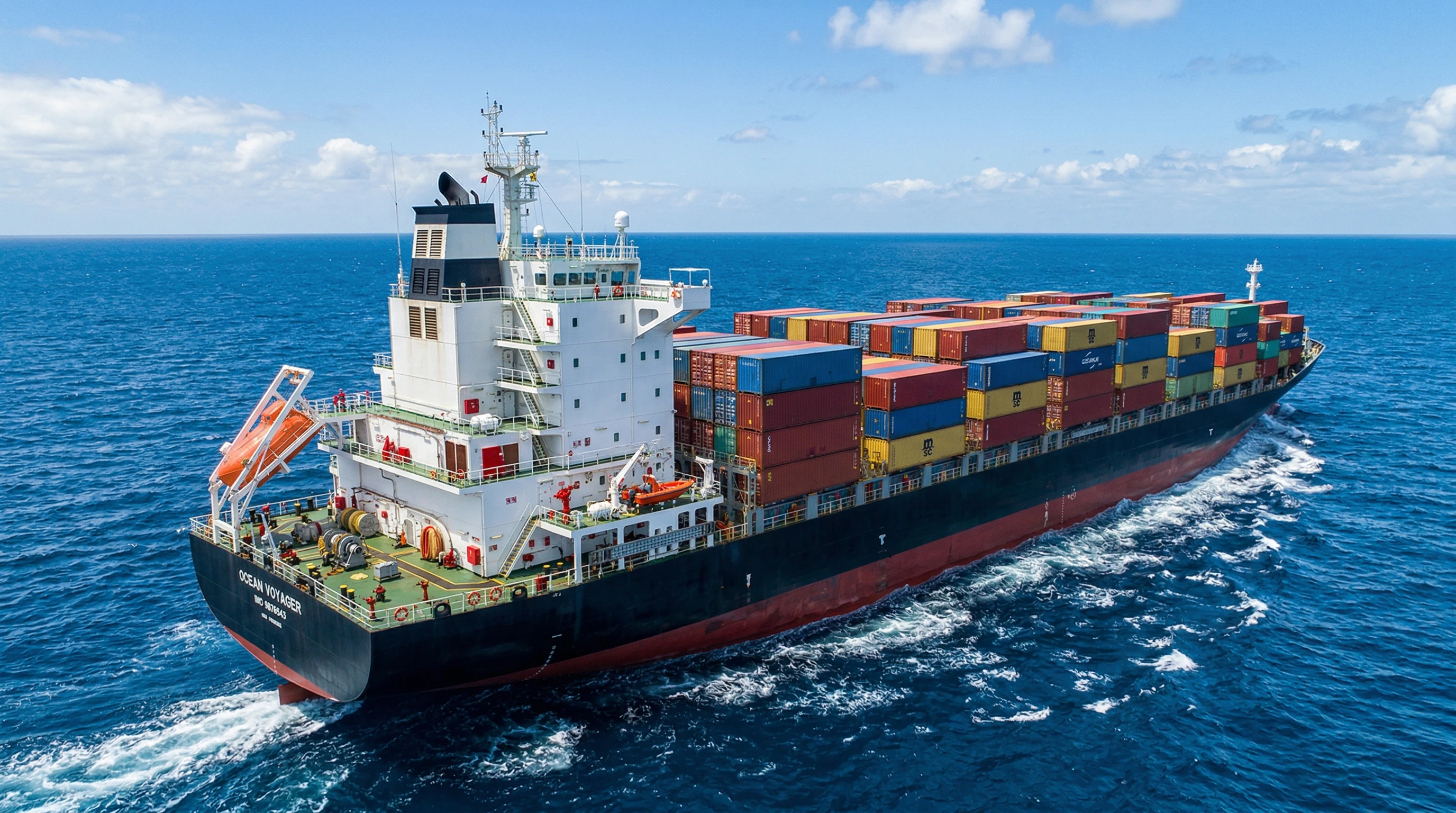
Core Areas Where IMO Regulations Affect Seafarers
IMO regulations cover a wide range of subjects, but I see some main areas where they have the strongest influence on my work onboard. The biggest changes relate to safety, the environment, working hours, and required documentation. These rules set out international expectations, and my experience tells me that failing to follow them can mean fines for my shipping company or even personal professional trouble.
Many of these rules are updated regularly, so keeping up with the latest standards is really important. Paying attention to things like the SOLAS (Safety of Life at Sea) Convention, MARPOL (Prevention of Pollution from Ships), and the Maritime Labour Convention (MLC) helps me stay ready for audits, drills, and new operational requirements. These create the foundation for safe operations and fair working conditions at sea.
How IMO Regulations Influence Seafarer Working Conditions in 2026
Seafarer working conditions 2026 will be shaped by several regulatory updates already in motion. For example, I have noticed tighter rules on rest hours under the MLC, aimed at fighting fatigue and protecting my health. Compliance is verified through logbook checks and on the spot inspections. That means I need to keep really clear records of my work and rest times.
Shipboard living conditions get regular upgrades thanks to rules about accommodation, food, and medical care. My accommodation needs to meet certain space, lighting, and ventilation standards. Inspectors check kitchen hygiene and look for regular menu variety to keep meals healthy and morale high. The MLC also requires ships to have certified medical supplies and easy access to telemedicine or port side care in emergencies.
- Rest hour documentation: I make sure to log my hours accurately, since this forms a big part of MLC audits.
- Living space requirements: Crew cabins and social spaces need to meet strict standards. I’d notice if renovations are needed or if routine inspections flag recurring issues.
- Crew connectivity: New rules encourage better access to internet or voice calls at sea, making it easier for me to stay in touch with my family during long voyages.
The improvements extend beyond the basics. Ships are now introducing recreational areas designed for fitness and leisure, including workout zones, game consoles, and comfortable lounges. Improved air filtration and climate systems further boost personal comfort and cut down on illness among the crew, giving a boost to well being at sea. With healthier and more engaging living spaces, crew are better equipped to deal with the stress and isolation that often come with months at sea.
Challenges Seafarers Face Adjusting to New IMO Regulations
Some of the top challenges for seafarers under IMO rules come from adapting to new procedures. I see complexities with electronic documentation, waste management protocols, and rapidly changing emissions standards. Even experienced crew can struggle with unfamiliar tasks or new recordkeeping systems. Continuous learning, therefore, is required to stay on top of these updates and maintain compliance.
- Electronic Recordkeeping: Swapping paper logs for digital reporting saves time long-term, but can be confusing at first. Training on new software helps reduce errors and makes compliance checks less stressful.
- Ballast Water Management: Stricter rules about managing and documenting ballast water mean extra steps I can’t overlook. Mistakes here carry heavy penalties, especially in international ports.
- Environmental Regulations: New sulphur limits require fuel testing, use of scrubbers, and maintenance documentation. I have to check that every procedure gets logged and that I’m using compliant fuel blends at all times.
Furthermore, keeping an eye out for differing regulations in various port states requires vigilance. Each port may apply certain rules with added strictness or unique local guidelines, so it’s wise to double check requirements and seek guidance from compliance experts within the company.
Seafarers and Safety, The Link Between IMO Regulations and Maritime Safety in 2026
IMO regulations and maritime safety 2026 go hand in hand. The SOLAS Convention and its regular amendments push for better fire safety, more realistic drills, and updated lifesaving equipment. My role often includes regular participation in these drills and double checking safety equipment every week.
New standards for personal protective equipment (PPE), alarms, and firefighting gear offer better protection for me and my crewmates. My company also educates us on new rescue techniques or changes in escape routes as part of annual safety training. I find it reassuring that rules are in place to make sure all crew members, not just officers, know the basics, from man overboard alarms to use of survival craft.
- Regular Drills and Training: Participation in realistic fire and evacuation drills is expected. My logbook reflects the frequency of drills and my role in each one.
- Equipment Upgrades: Access to modern lifejackets, upgraded firefighting tools, and clear instructions gives me and my team confidence during emergencies.
More ships are now equipped with advanced safety sensors, heat detectors, and real time alert systems, making early hazard detection easier. Ongoing investments in crew mental health and stress management are also slowly becoming a norm, recognizing that safety extends into mental and emotional health for everyone on board.
Best Practices for Seafarers to Maintain IMO Compliance
Over the years, I’ve learned that best practices for seafarers compliance really matter for smooth operations and inspections. Consistency, good communication, and proactive preparation reduce stress when audits roll around.
- Keep Records Accurate and Up to Date: Recording everything as soon as possible ensures inspectors find complete and correct information.
- Stay Informed About Updates: I attend briefings, read company circulars, and keep reference materials handy for new IMO rules.
- Take Scheduled Training Seriously: Attending refresher training keeps my knowledge current and builds my confidence for drills or emergencies.
- Regular Self Checks: Reviewing my own compliance with rest hours, environmental procedures, and safety equipment before audits means fewer surprises.
- Open Communication: I talk openly with shipmates and officers to clarify points of confusion and share helpful tips or solutions we find onboard.
Another good move is building a checklist tailored to each voyage and vessel, noting items unique to regional laws or scheduled inspections. Having a crew compliance champion, someone who can answer questions and support others, can make the atmosphere on board more supportive and collaborative.
Upgrades in Seafarers Training Programs for IMO Compliance
Seafarers training programs for IMO compliance see regular updates to cover new environmental and safety requirements. Short courses on cybersecurity, ballast water management, and new engine technologies are now as common as fire safety and first aid.
My company sponsors regular e-learning modules, allowing crew to meet requirements even while onboard. Interactive simulations, onboard workshops, and practical demonstrations help me keep skills fresh and apply them in real situations. I’ve found feedback sessions useful for pointing out knowledge gaps and getting extra help without judgment.
- STCW Refresher Courses: Mandatory for my ongoing certification, covering everything from personal safety to emergency response.
- Environmental Operation Training: Workshops show how to use fuel scrubbers, test water ballast, or manage waste streams safely.
- New Tech Familiarity: Training helps me operate advanced navigation, digital record systems, and compliant machinery more confidently.
The most recent changes include scenario based safety training sessions, where crew members take on specific roles to practice responding to simulated emergencies. There are also remote assessment tools to check our understanding of new protocols, helping ensure that each crew member is ready before formal inspections take place.
How IMO Regulations Affect Shipping Jobs and Career Paths
Changes in how IMO regulations affect shipping jobs are clear in new skill requirements and updated job roles. I see more emphasis on specific technical know how, experience with modern machinery, and ability to adapt quickly to new protocols.
Some traditional tasks are getting automated or digitized, meaning I’ve had to pick up new skills for electronic chart displays or digital monitoring systems. On the flip side, compliance and safety roles are growing. For example, there are new shipboard jobs focused solely on environmental compliance, documentation, and training. This can open up more career paths for seafarers willing to keep learning.
- Increased Job Specialization: Roles now include environmental officers, data analysts, and compliance specialists, making the industry more diverse.
- Digital Skills: My ability to work confidently with software and smart ship systems has become just as important as traditional seamanship.
- Stronger Career Progression: Crew who keep up with training and certifications have more opportunities for promotion to senior roles.
Soft skills like problem-solving, effective communication, and the ability to work in multicultural teams are more highly valued than ever. As new positions are created, I see job satisfaction rising among crew members who are able to mix in some variety to their daily tasks by taking up specialties or teaching others.
Seafarers Rights and IMO Compliance, What I Should Know
Seafarers rights and IMO compliance go together in protecting my welfare. The MLC stands out for ensuring fair wages, reasonable hours, and access to medical care and shore leave wherever possible. I pay close attention to contract terms and know where to go for help if I think my rights are being missed.
Unions and international organizations support seafarers facing contract disputes, delayed wages, or unsafe conditions. I know that IMO requires my employer to keep contracts onboard, offer clear contact points for complaints, and post information about rights in common languages. Confidential reporting channels and whistleblower protections are also becoming more common.
- Clear Contracts and Wages: My employment contract should list all pay, scheduled hours, leave, and repatriation details clearly.
- Safe Channels for Reporting: Anonymous feedback and independent support are available if I need to report safety or employment issues.
- Guaranteed Leave: The MLC spells out my right to paid leave after long service periods.
There are also more efforts now to translate legal documents into crew members’ native languages and set up support hotlines staffed by people who understand the maritime industry. Knowing these support systems are in place makes me feel safer and more confident that I have resources backing me up when needed.
Frequently Asked Questions
Many people, including new crew, often ask about what the rules really mean onboard. Here are some questions I hear most often:
Question: What happens if I make a mistake in recordkeeping under IMO rules?
Answer: Small mistakes can usually be fixed by correcting records and reporting the error. Trying to hide errors can lead to bigger problems, so I always update records truthfully and notify the officer in charge.
Question: Can IMO regulations change my vacation schedule?
Answer: Sometimes, yes. If audits, new crew training, or compliance upgrades are underway, rotations and shore leave might be delayed. Good companies stick to agreements where possible, but safety or compliance always comes first.
Question: How do I learn about new IMO rules in advance?
Answer: I check updates from my company, union newsletters, and official IMO announcements. Asking officers during safety meetings is also a good way to stay informed.
Question: Who do I contact if my working conditions do not meet regulations?
Answer: Reporting unsafe or unfair conditions should go through the ship’s procedures first. If issues are not handled, I reach out to my union or port state authority. The IMO promotes and protects my right to raise concerns without fear of losing my job.
How I Prepare for the Future Under IMO Regulations
With the pace of regulatory change, being proactive is the best way I can protect my rights, keep my job secure, and make life onboard smoother. Staying informed, speaking up when I see problems, and taking part in training and drills all help me adapt. These steps keep my skills sharp and make inspections less stressful for the whole crew.
Being a seafarer in 2026 means working within a stricter but fairer system. The protections that come from IMO rules make the risks more manageable, while ongoing learning and communication keep me ready for whatever the job brings next. By taking these steps, I know I am set for success in a rapidly changing maritime world.