
Experiencing mechanical failures on a ship can cause real stress and lead to delays or even damage if not handled quickly.
I’ve seen how staying on top of ship maintenance and having a straightforward troubleshooting process makes a huge difference. In this article, I’ll share my approach to troubleshooting common mechanical failures on ships, discuss marine engine failure solutions, and offer guidance that’s practical whether you’re a seasoned engineer or new to working with ship machinery.
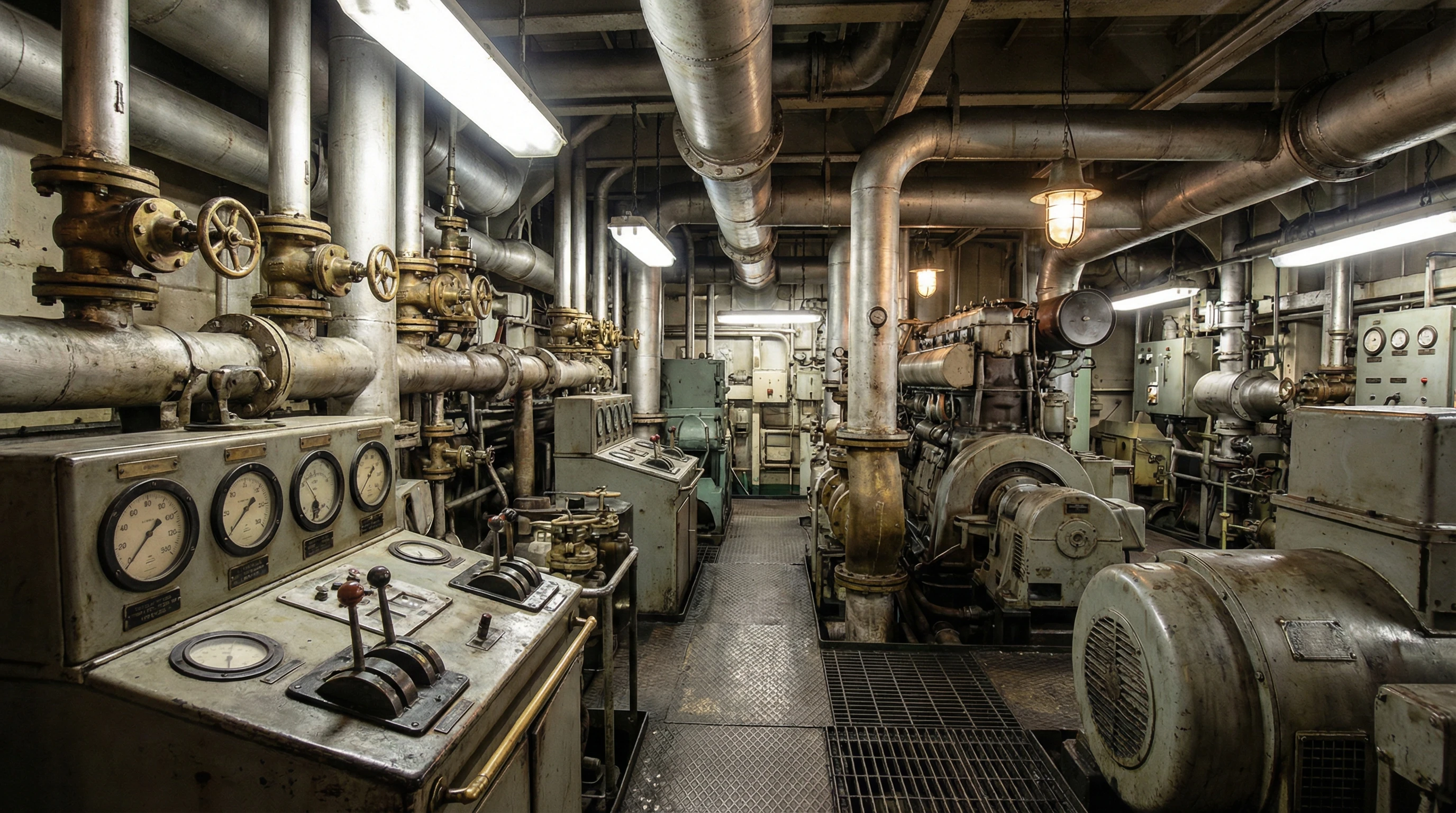
Understanding Why Mechanical Failures Happen on Ships
Mechanical failures on ships can occur for several reasons. High engine hours, harsh sea conditions, irregular maintenance, and using lowquality parts are some of the biggest factors. I’ve learned that taking time to learn the causes helps with quicker repairs and smarter decisions when something does go wrong.
A ship has many complex systems working together: engines, generators, pumps, valves, and cooling systems are just a few examples. When any of these develop a fault, it’s not just about fixing the broken part. Knowing why it failed in the first place can help stop it from happening again. To add another layer, environmental factors like humidity, vibrations from the hull and propeller, and even the age of the vessel can weaken key components. That means regular inspection is just as crucial as scheduled maintenance because you’re more likely to spot abnormal wear before it evolves into a full-blown breakdown.
Common Types of Mechanical Failures on Ships
Some issues come up more often than others when you’re dealing with ship machinery. Here are the most common mechanical issues on vessels that I’ve come across:
- Main Engine Failure: Problems with the main marine engine top the list, usually from poor lubrication, contaminated fuel, or overheated components. These affect propulsion and safety.
- Pump Malfunction: Pumps are essential for cooling, bilge control, ballast operations, and firefighting. The most common failures are from seal leaks, impeller damage, or electrical faults in the motor.
- Generator Problems: Auxiliary generators can fail because of overload, dirty fuel, or electrical shorts, and these affect all electrically powered systems on board.
- Valve or Pipeline Blockage: Salt, foreign objects, or corrosion can block pipelines, causing reduced flow to critical machinery.
- Gearbox or Propulsion Issues: Wear and tear in the gearbox, misalignment, or low oil can result in loss of propulsion control.
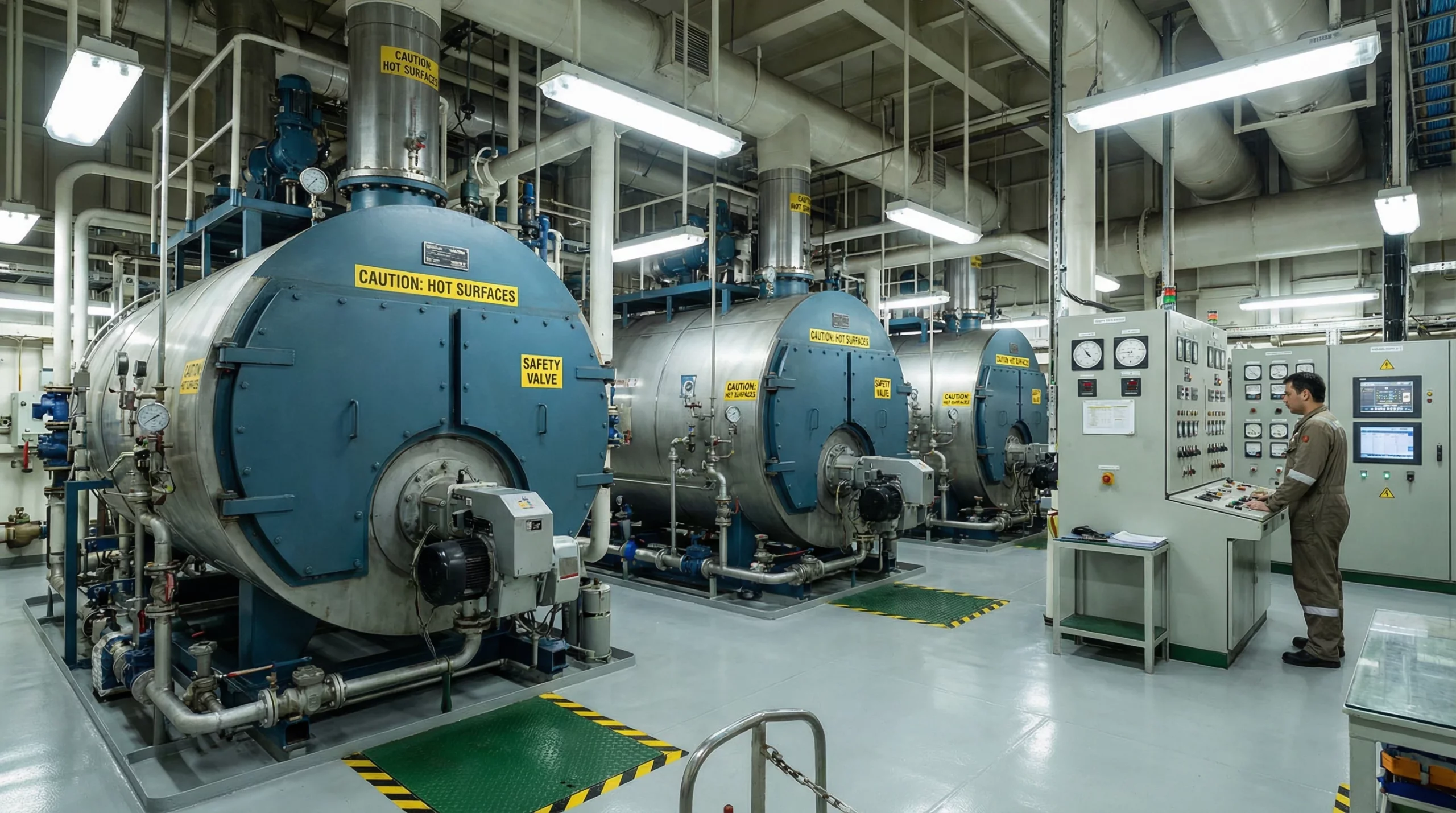
- Heat Exchanger/Cooling System Faults: Marine engines run hot, and cooling is really important. Most cooling system faults trace back to scale buildup, leaking pipes, or failing pumps.
Beyond these, ships also have to deal with steering gear hiccups, hydraulic leaks, and automation failures that trigger false alarms or even unexpected shutdowns. All these mechanical problems not only risk mission success but can trigger chain reactions affecting crew safety, cargo, and schedule reliability.
Steps to Troubleshooting Ship Machinery
Troubleshooting ship machinery means following a systematic method. I follow these steps when I’m diagnosing problems on board:
- Observe and Record: Look for warning alarms, unusual sounds, or vibrations. Make a quick note of all readings from gauges and monitoring systems. This first step points you toward the source of the problem.
- Refer to Manuals: Every piece of machinery comes with a manual. I always check the troubleshooting guides for ship systems before opening up any parts so I don’t miss something important.
- Isolate the Fault: Find out if the problem is mechanical, electrical, or hydrodynamic. For instance, if a pump isn’t working, is it the motor, the impeller, or the control system?
- Test Step by Step: Use process of elimination. Start at one end of the system and move methodically through each potential fault area.
- Repair or Replace: Once I find the fault, I decide whether to repair (like fitting a new gasket or clearing a block) or to replace a component (such as a relay or sensor).
- Retest: After repair, run the equipment to confirm everything works. I also keep an eye on it for a while to make sure the problem doesn’t return.
Adding to the process, it’s best to double check all connections before turning the power back on or closing up machinery panels. This makes sure loose wiring causing intermittent issues doesn’t restart the cycle of failures. If in doubt at any stage, I pause, reassess the symptoms, and sometimes even sketch a diagram to clarify which part of the system is being affected most.
Main Engine Troubleshooting Guide
Knowing how to troubleshoot marine engines is really important since so much depends on the main engine running well. Here’s what I do when there’s a suspected engine failure:
- Check Lubrication: Low oil pressure is a common root cause of major damage. I check levels, look for leaks, and review the oil filter for debris. Dirty or milky oil suggests internal leaks or contamination.
- Inspect Fuel System: Blocked filters, water in the fuel, or worn injectors can all lead to reduced power. I drain a sample to check for water and examine filters for debris.
- Cooling System Review: Overheating is one of the top causes of engine breakdown. I check sea water strainers, heat exchangers, and coolant flow. Salt deposits or fouling need to be cleaned out regularly.
- Air Intake and Exhaust: Clogged filters or leaks in the air intake or exhaust can starve the engine of oxygen or cause pressure loss. I look for restrictions and signs of black smoke.
- Crankcase and Bearings: Sudden changes in engine noise often warn of internal wear or bearing failure. I listen for knocks or rattles and feel for unusual heat around bearing housings.
For especially puzzling cases, I keep records of pressure, temperature, and performance. Patterns in these numbers help trace issues before they become much bigger repairs. Also, having an emergency repair kit, including spare sensors and gaskets, can be a game changer. The quicker you fix leaks or minor sensor glitches, the less likely a full breakdown will happen.
Dealing with Auxiliary Machinery Failures
Auxiliary equipment, like generators and pumps, keeps life support and operational systems working smoothly. When troubleshooting common ship problems with these systems, I check:
- Circuit Breakers and Fuses: Sudden stops usually point to electrical supply problems, so I start here for quick fixes.
- Motor Condition: If a pump hums but won’t start, the motor may be seized or burned out. I test with a multimeter before removing it from service.
- Seals and Bearings: Drips, odd noises, and vibration mean the seals or bearings need replacing.
- Impeller Wear: A loss of flow often points to impeller or vane damage, especially on seawater pumps.
Good logkeeping helps spot which machinery is wearing out ahead of schedule, so I always write down any abnormal events. Checking wiring insulation and looking for hot spots on electrical panels is also smart. Sometimes, routine cleaning alone can extend the life of auxiliary machines. Dust and salt in electrical cabinets have a way of creating corrosion or invisible short circuits, and regular cleaning prevents surprise faults.
Routine Maintenance to Prevent Common Ship Maintenance Issues
After years of working with marine machinery, I’ve found that prevention is better than cure. Following proper maintenance routines is one of the best marine engine failure solutions you can apply:
- Regularly check and clean filters in all fuel, oil, and air systems.
- Lubricate according to the manufacturer’s schedule, and don’t skip checks even if things “seem fine.” Dust and micro particles do add up over time even in closed systems, so fresh oil and filters always have value.
- Monitor temperature and pressure readings to spot changes early.
- Inspect gaskets, hoses, and seals for leaks each week. Small damp spots grow into major leaks if left unchecked. Mark any area you patch for future inspections.
- Keep spare parts for items that wear often: belts, hoses, fuses, and filters.
I always recommend keeping a maintenance log. Being able to look back and see when parts were last changed can sort out a mystery failure fast. In addition, regular crew training on simple maintenance tasks keeps every team member alert to warning signs. A wellcoordinated crew prevents domino effects from unnoticed problems. You don’t have to be a chief engineer to report odd smells or hot surfaces – everyone plays a part in ship safety.
Quick Checklist for Troubleshooting Common Ship Problems
- Listen for abnormal noises; knocks, rattles, or whines can signal trouble early.
- Sniff for burning or chemical smells, these might indicate overheating electrical parts or leaks.
- Check all digital displays and alarms. One alarm often hides other related faults, so I read through system logs to trace the original problem.
- Watch for unusual vibration. A sudden change points to alignment or mounting problems.
- Physically check surface temperatures with an infrared thermometer. Hot spots reveal friction or poor coolant flow.
Additionally, use touch and smell as diagnostic tools; a faint fuel odor or a slightly hot bearing can pinpoint a developing issue before it escalates. Familiarize your team with what’s normal in the engine room, so the whole crew can spot oddities right away.
Special Tips for Solving Hard-to-Find Ship Machinery Issues
Some failures take more patience and a bit of creative thinking. Here are tips from my experience:
Keep Diagnostic Tools Handy: Tools like portable vibration analyzers, multimeters, and infrared thermometers make diagnosis much faster. They reveal things that eyes and ears can miss.
Understand Patterns of Failure: If a problem keeps coming back, I look beyond the immediate cause and check for deeper issues in related systems, like recurring shaft misalignment due to hull movement.
CrossCheck with Engineers: Troubleshooting works best as a team effort. I discuss issues with fellow engineers or the manufacturer’s technical support when a fix isn’t obvious.
Refer to Troubleshooting Guides for Ship Systems: Most ship manuals include stepbystep troubleshooting. Relying on these guides helps avoid jumping to conclusions and saves time.
One additional strategy I use for the trickiest problems is swapping out identical spare components, such as relays or sensors, to rule out intermittent faults. This lowrisk technique quickly isolates if a cheap component is causing big headaches. Video recording a repeated issue can also allow you to show technical support exactly what’s happening, often leading to faster, more accurate assistance.
RealWorld Example: Diagnosing a Persistent Cooling Issue
Once I had repeated high engine temperature alarms that baffled the crew. All filters were clear, flow looked normal, and yet the engine would overheat after a few hours. By checking the system section by section, I found that calcium scale inside the heat exchanger tubes caused poor heat transfer. An acid clean fixed the problem and the alarms stopped. Staying systematic with each check made all the difference. After that, I made spot checks of the heat exchanger every couple months to be sure buildup wasn’t coming back – preventative followup is important.
Frequently Asked Questions about Ship Mechanical Failures
Here are some questions I often hear from those handling ship maintenance and troubleshooting ship machinery:
Question: What’s the most common cause of marine engine failure?
Answer: Most failures come down to oil problems. Low levels, dirty oil, or lack of regular filter changes. Monitoring and changing oil on schedule goes a long way.
Question: How do I know if a pump problem is electrical or mechanical?
Answer: If the pump makes a noise but won’t run, it’s likely mechanical (impeller jammed or bearing seized). If it won’t start at all, start with fuses and circuit breakers. Use a multimeter to confirm electrical supply.
Question: Can I reduce the risk of repeat failures?
Answer: Yes, by following preventive maintenance, keeping logs, and using quality spares. Reviewing logbooks and equipment history helps spot trends that lead to repeat failures.
Question: Why does my engine still overheat after cleaning the filters?
Answer: Hidden scale inside heat exchangers, airlocks, or faulty thermostats can all cause this. Check every step in the cooling circuit, not just the filters.
Question: Should I call for outside help if an issue stumps the crew?
Answer: Absolutely. Safety comes first, and manufacturers’ technical support or a shore-based engineer can save you time (and money) when the usual approaches don’t bring answers.
Takeaways for Smoother Ship Operations
Troubleshooting common ship problems is a key part of life at sea. Being methodical means repairs are quicker, breakdowns are less stressful, and you’re more confident every time a warning alarm sounds. Having a plan and the right information close at hand lets you get back on course with less hassle. Staying prepared is super important to avoid those situations where small problems become big repairs. I find that sharing troubleshooting guides for ship systems and keeping the crew trained makes everyone’s job safer and more straightforward. Creating a “lessons learned” log to capture fixes for rare faults is also a good policy, ensuring the same problem is never misdiagnosed twice. Finally, treat every minor issue as training for the next big repair challenge: routine practice builds confidence and reduces stressful situations when they crop up unexpectedly.





2 Comments
This was a very informative overview — it really highlights how even small mechanical issues at sea can escalate quickly if not caught early. Problems like lubrication failure, contaminated fuel, or pump malfunctions don’t just affect performance; they directly impact safety and maneuverability.
It seems like preventive maintenance and systematic troubleshooting are just as critical as repair skills themselves. In your opinion, which type of failure tends to cause the most downtime in real operations — engine issues, pumps, or electrical systems?
Thank you for your thoughtful comment! You’ve highlighted something very important, at sea, minor issues rarely stay minor if they’re not addressed early.
You’re absolutely right that preventive maintenance and systematic troubleshooting are just as critical as hands on repair skills. In marine operations, discipline and early detection often make the difference between a short delay and a major casualty.
In my opinion, the failures that cause the most downtime are usually:
1. Main Engine Issues (Highest Downtime Impact)
Engine-related failures tend to cause the longest and most operationally disruptive downtime, especially when they involve:
Lubrication failure leading to bearing damageCooling system failure causing overheatingFuel system contamination affecting injectionTurbocharger or cylinder head damage
When the main propulsion engine is compromised, maneuverability is immediately affected. In severe cases, the vessel may require tug assistance or dry dock repairs, which means significant downtime.
2. Pump Failures (Most Frequent Operational Disruptions)
Pumps fail more frequently than engines, particularly:
Fuel transfer pumpsLube oil pumpsCooling water pumpsBilge or ballast pumps
While individual pump failures may not always cause catastrophic downtime, they can escalate quickly if redundancy is limited. A failed cooling or lubrication pump, for example, can lead directly to engine damage if not addressed immediately.
3. Electrical System Failures (Most Unpredictable)
Electrical faults can be especially disruptive because they:
Affect multiple systems simultaneouslyCan be difficult to trace (sensor faults, short circuits, automation errors)May impact navigation, control systems, or alarms
Modern vessels rely heavily on automation, so electrical failures can paralyze operations even if mechanical systems are intact.
???? So which causes the most downtime overall?
Severe engine failures – cause the longest downtimePump failures – occur most oftenElectrical issues – can create the most complex troubleshooting scenarios
From real operational experience, major engine casualties tend to result in the greatest downtime due to repair complexity and parts availability.
That said, many major engine failures actually begin as “small” pump or lubrication issues, which reinforces your point about preventive maintenance being critical.
If you’re working in marine engineering or studying it, I’d be interested to hear your perspective as well, what have you seen cause the biggest operational delays?