
Shipping is moving quickly toward a greener future. Green shipping innovations are leading this switch up, and I see more focus than ever on how these ideas are changing marine transport. The goal is ...
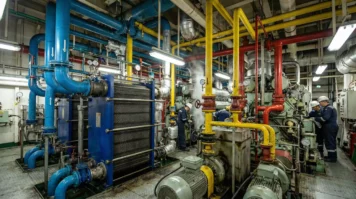
Ships are the backbone of global trade, carrying goods and people across vast oceans. At the heart of their relentless operation are two key systems: cooling and lubrication. These systems work round ...
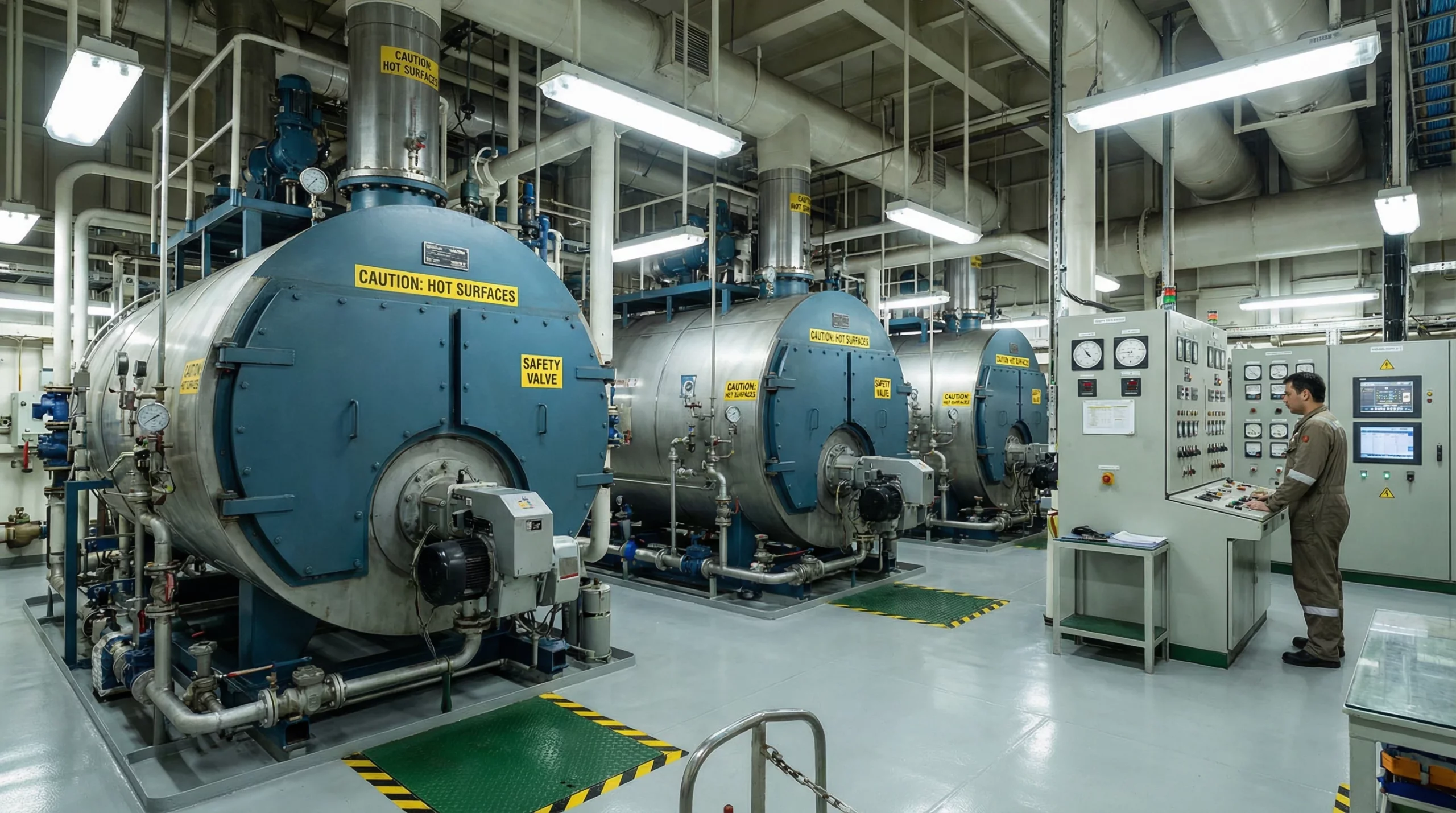
Marine boilers form the heart of many shipboard operations, playing a key role in providing steam for propulsion, heating, and other onboard systems. I have found that running these systems smoothly w...
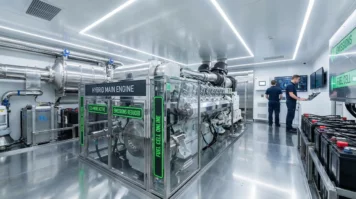
Marine engines play a big part in the global transport and fishing industries, but many people don’t realize how much their energy use impacts fuel costs and the environment. When I first starte...
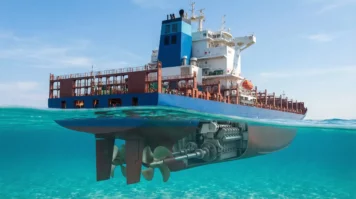
Ships propulsion mechanisms affect almost every aspect of how vessels move, carry cargo, and stay efficient on the water. With changes in regulations, fuel costs, and emission standards, choosing and ...
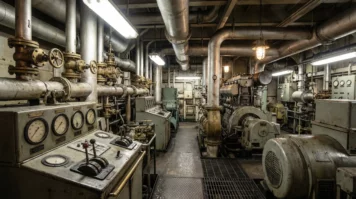
Experiencing mechanical failures on a ship can cause real stress and lead to delays or even damage if not handled quickly. I’ve seen how staying on top of ship maintenance and having a straightforward...
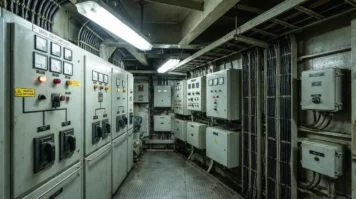
Understanding shipboard electrical systems is really important for anyone working in marine environments, from engineers and electricians to yacht owners and crew members. The electrical network on a ...
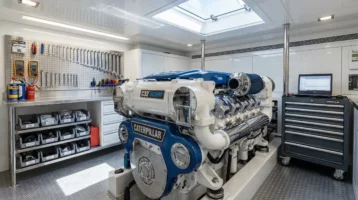
Regular marine engine checks play a big role in making sure every adventure is smooth, whether you’re setting out for a weekend trip or managing commercial boats. In my experience, even small routine ...



2 responses to “Routine Maintenance Checks For Marine Engines”
Great overview! Your checklist approach makes marine maintenance feel systematic instead of overwhelming.
I especially like how you tied small daily habits to real-world saves; that’s exactly how costly failures are prevented.
The mix of DIY vigilance and knowing when to call certified techs strikes the right balance.
Anyone running in salt or heavy-duty conditions will appreciate the practical, experience-backed advice.
Thank you so much for the thoughtful feedback! I’m really glad the checklist format resonated with you, that was exactly the goal, turning something that feels overwhelming into a clear, repeatable system.
You nailed it, most major failures really do trace back to the small, consistent habits. A few minutes of daily attention can save thousands in repairs (and a lot of downtime).
I also appreciate you pointing out the DIY vs. certified tech balance. Preventive vigilance is powerful, but knowing when to bring in trained eyes, especially in salt or heavy-load environments, can make all the difference in long term reliability.
Thanks again for taking the time to share your thoughts!