The maritime industry operates across borders, cultures, and jurisdictions, making it one of the most highly regulated sectors in the world. For seafarers, understanding legal and regulatory frameworks is not just a matter of compliance—it is essential for safety, professional growth, and the protection of their rights. Legal knowledge empowers seafarers to perform their duties confidently, avoid violations, and respond appropriately to challenges at sea.
1. International Maritime Regulations

At the heart of maritime law is the International Maritime Organization (IMO), a specialized agency of the United Nations responsible for regulating shipping. The IMO develops international conventions that member states adopt into their national laws. Among the most important conventions seafarers must understand are:
- SOLAS (Safety of Life at Sea): Establishes minimum safety standards in ship construction, equipment, and operation. It covers lifesaving appliances, fire safety systems, navigation equipment, and emergency procedures.
- MARPOL (Marine Pollution Convention): Aims to prevent pollution from ships due to oil, chemicals, sewage, garbage, and air emissions. Compliance with MARPOL is critical, as violations can result in severe fines and imprisonment.
- STCW (Standards of Training, Certification and Watchkeeping): Sets qualification standards for masters, officers, and watch personnel. It ensures that seafarers are properly trained and competent.
Seafarers must be familiar with these regulations because inspections by port state control authorities routinely check compliance. Ignorance of regulations is not considered a defense.

2. Maritime Labour Rights

In addition to safety and environmental rules, seafarers are protected by international labor standards. The most significant framework is the Maritime Labour Convention (MLC 2006), often referred to as the “Seafarers’ Bill of Rights.”
The MLC sets minimum requirements for:
- Employment contracts
- Wages and payment systems
- Working and rest hours
- Medical care onboard
- Accommodation and food standards
- Repatriation rights
Seafarers should carefully review their Seafarer Employment Agreement (SEA) before signing. Understanding contract terms, including salary, leave entitlements, and termination clauses, helps prevent disputes.
If rights are violated, seafarers can file complaints onboard, with the shipowner, or through port authorities. Knowing these procedures ensures protection against exploitation or unfair treatment.
3. Flag State and Port State Control
Every vessel sails under the flag of a particular country, known as the flag state. The flag state has primary responsibility for enforcing international regulations onboard its ships. Seafarers should know which country’s laws apply to their vessel.
However, ships visiting foreign ports are subject to Port State Control (PSC) inspections. Authorities verify compliance with conventions like SOLAS, MARPOL, STCW, and MLC. If serious deficiencies are found, ships may be detained.
For seafarers, PSC inspections mean:
- Documentation must be complete and up to date.
- Safety drills must be regularly conducted.
- Equipment must be functional and properly maintained.
Professional conduct and preparedness during inspections reflect both individual competence and company standards.
4. Criminal Liability and Personal Responsibility
Maritime law does not only apply to shipowners and captains. Individual seafarers can face criminal charges for violations such as:
- Illegal discharge of pollutants
- Falsification of records (e.g., oil record book entries)
- Drug trafficking or smuggling
- Negligent navigation leading to accidents
In some jurisdictions, penalties include heavy fines or imprisonment. Therefore, seafarers must never participate in unlawful orders and should report suspicious activities through proper channels.
Understanding the principle of “duty of care” is crucial. Every crew member has a responsibility to act safely and prevent harm to people, property, and the environment.
5. Health, Safety, and Environmental Compliance
Compliance with safety management systems (SMS) under the International Safety Management (ISM) Code is another essential area. The ISM Code requires ships to implement structured safety procedures and risk assessments.
Seafarers must:
- Follow safety protocols strictly
- Use personal protective equipment (PPE)
- Participate in drills and training
- Report hazards promptly
Environmental awareness is equally important. Improper garbage disposal or oil discharge can result in international investigations. Awareness of environmental responsibilities protects both the ocean and one’s career.
6. Documentation and Certification
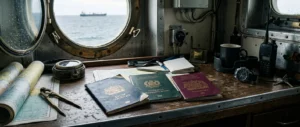
Seafarers must maintain valid documentation, including:
- Certificates of competency (CoC)
- Medical fitness certificates
- Seaman’s book
- Training endorsements
Expired or missing certificates can prevent boarding or lead to detention during inspections. Under STCW requirements, continuous professional development is necessary to maintain qualifications.
Keeping digital and physical copies of important documents is a good professional practice.
7. Dispute Resolution and Legal Assistance
Disputes may arise regarding unpaid wages, injuries, contract termination, or repatriation. Seafarers should know:
- The complaint procedures under MLC
- The role of maritime unions
- The availability of legal assistance in major ports
Many ports have seafarer welfare organizations that provide guidance and support. Prompt action is essential to preserve legal rights.
8. The Importance of Continuous Learning
Maritime regulations evolve frequently due to technological advances and environmental concerns. For example, stricter emission standards and decarbonization targets are continuously being introduced.
Seafarers should:
- Attend refresher courses
- Participate in company training programs
- Stay informed about regulatory updates
Legal awareness enhances professionalism, safety, and career advancement.
Conclusion
Legal and regulatory knowledge is a cornerstone of a successful maritime career. From international conventions developed by the IMO to labor protections under the MLC, seafarers operate within a structured legal environment designed to ensure safety, fairness, and environmental protection.
Understanding these laws is not optional, it is a professional obligation. By staying informed, maintaining compliance, and exercising ethical judgment, seafarers protect not only their ships and employers but also their own rights and reputations. In a global industry where accountability is increasing, legal literacy at sea is as vital as navigational skill.