Fuel consumption reduction strategies for ships have become really important as the shipping industry faces more attention for its environmental impact.
With tighter regulations and increased pressure from customers and governments, I find that both ship operators and manufacturers are now actively looking for ways to improve ship fuel efficiency. The good news is that there are practical steps, technologies, and even new fuel choices that make a big difference for anyone managing or operating ships.
Why Reducing Fuel Consumption and Emissions on Ships Matters
Shipping moves over 80% of the world’s goods, which means the industry uses a lot of fuel and emits large amounts of greenhouse gases. Global trade relies on ships, but traditional marine fuels like heavy fuel oil and marine diesel contribute to air pollution, health problems, and climate change. Reducing shipping emissions improves air quality and public health in coastal areas. It also helps shipping companies save money on fuel, which is often their biggest expense.
More global regulations have come into effect, like the International Maritime Organization’s (IMO) rules on sulfur emissions and goals for cutting greenhouse gases by 2030 and 2050. As a ship operator, ignoring these changes can mean fines, restricted access to certain ports, and growing pressure from customers who prefer using ecofriendly shipping methods. Focusing on marine emissions regulations is something I pay close attention to when planning shipping operations or advising clients. Efforts to reduce emissions also contribute to meeting climate targets and shaping a positive reputation in a more eco-conscious market.
Understanding How Ships Use Fuel
Most commercial vessels are powered by large internal combustion engines that burn fossil fuels. The main factors that affect how much fuel a ship uses include the size and type of vessel, engine design, speed, cargo load, weather, and even hull cleanliness. Older, less efficient engines use more fuel. Sailing at high speeds increases resistance and can dramatically boost fuel use. Even a small amount of marine growth on the hull creates extra drag, requiring more fuel to move the ship forward. Managing all these factors is key to improving ship fuel efficiency in my experience.
Engine types have evolved over the years. Two-stroke diesel engines are commonly found on large ships, while medium-speed four-stroke engines are used on smaller vessels. Fuel quality, routine maintenance, and mechanical tuning also impact how efficiently engines convert fuel into propulsion. Understanding these technical differences lets operators identify areas with the greatest potential for improvement. Smart management shapes significant long-term savings and reduces harmful emissions.
Best Fuel Consumption Reduction Strategies for Ships
There are several proven strategies that help reduce fuel use. Many of these involve a combination of operational adjustments, regular maintenance, and adding new technologies. These steps are relatable to ship owners and operators no matter what kind of vessels they run:
- Slow Steaming: Operating ships at lower speeds, known as slow steaming, cuts fuel consumption drastically. I often advise ship operators to reduce speeds during non-urgent voyages. Dropping speed by even a couple of knots leads to significant savings. Lower speeds extend time between engine overhauls and reduce engine stress, making operations smoother over the long run.
- Regular Hull and Propeller Cleaning: Marine growth and fouling increase drag. Scheduling regular cleanings keeps hulls and propellers smooth, reducing resistance and saving fuel. Some companies invest in antifouling coatings to limit growth and extend cleaning intervals.
- Weather Routing: Using advanced weather routing software helps ships choose routes with the best sea and wind conditions. Ships can avoid rough weather that forces engines to work harder, which means less fuel burned.
- Trim and Ballast Optimization: Distributing cargo and ballast evenly balances the ship, lowering resistance. Maintaining optimal trim helps the vessel move more efficiently through water at any time of year and reduces rolling in rough seas.
Other practical steps include maintaining appropriate tire pressure for roll-on/roll-off vessels, using shore power while docked to avoid unnecessary idling, and reducing auxiliary engine use during port stays. Tracking performance metrics and reviewing voyage data after each trip can highlight opportunities for incremental savings.
Technologies for Improving Ship Fuel Efficiency
Fuel efficiency technologies for shipping offer practical ways to optimize engines and onboard systems. Some of the most effective options I’ve seen include:
- Energy Saving Devices: Adding ducts, fins, or propeller boss cap fins can channel water more efficiently around the propeller, reducing energy loss. These are often added during retrofits and pay off in fuel savings over time.
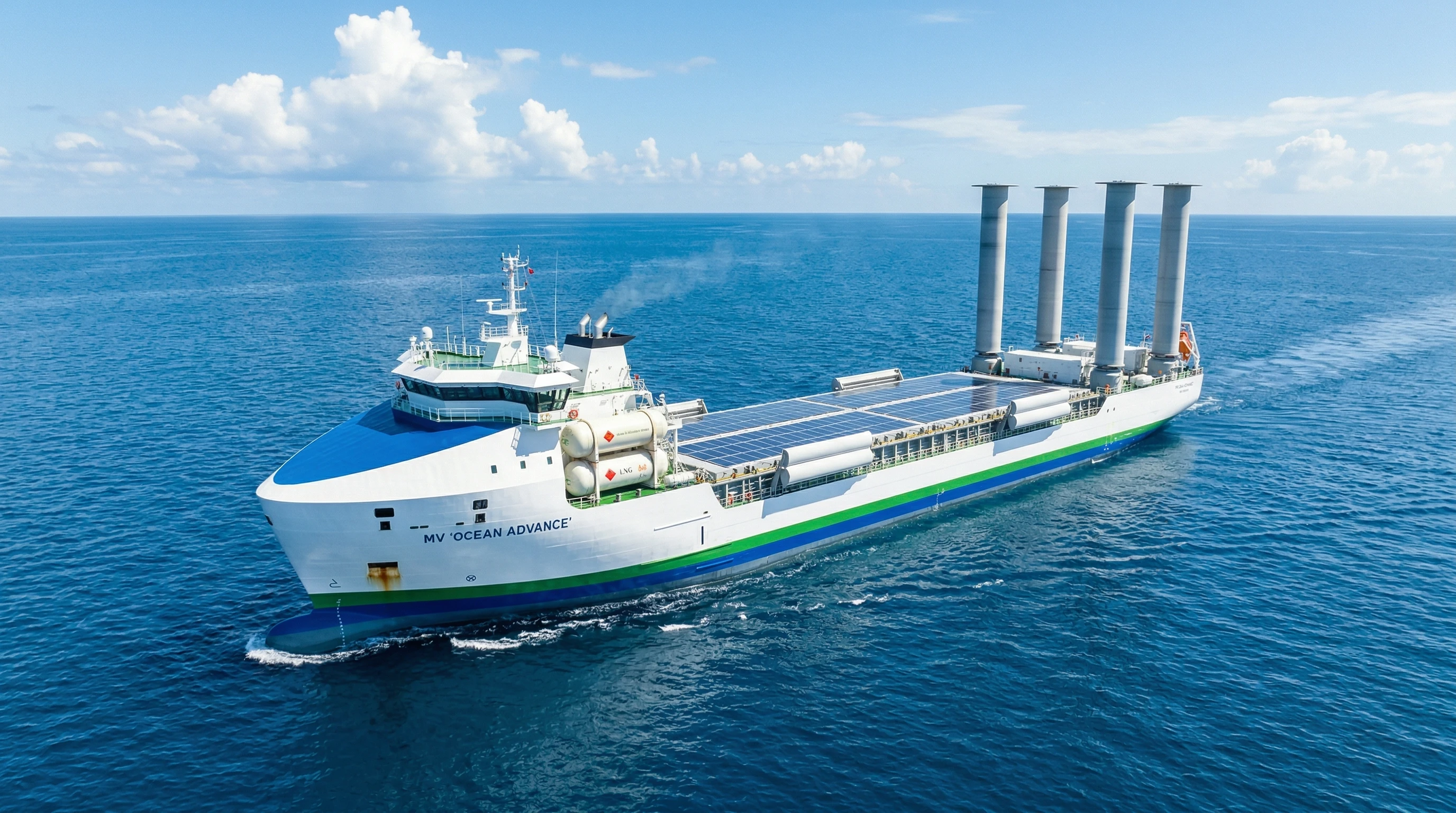
- Air Lubrication Systems: These pump a layer of air bubbles under the hull, decreasing friction between the hull and water. Over many miles at sea, this small change means less fuel is needed to maintain speed. Larger vessels, like LNG carriers and cruise ships, have tested these systems and found notable returns on investment.
- Waste Heat Recovery: Ship engines generate a lot of excess heat. Waste heat recovery systems use this heat to provide extra power, often for onboard electricity, steam, or cooling. This reduces the load on generators, which also saves fuel.
- Advanced Engine Controls: Modern marine engines now include digital controls that fine-tune fuel injection, timing, and turbocharging for the best performance at all operating conditions. Upgrading to smart controls enables precise monitoring and diagnostics, improving response to load changes.
- Battery Hybrid Systems: On some ships, batteries work alongside main engines, especially during maneuvering or in ecosensitive ports. This hybrid approach cuts emissions and saves fuel, while giving flexibility for different power needs at sea and in port.
Upgrading to LED lighting, installing variable frequency drives for pumps and fans, and using energy management software are additional steps that reduce auxiliary power consumption. These subtle improvements, when taken together, contribute to major reductions in operational costs and environmental impact.
Ecofriendly Shipping Fuel Alternatives
The trend toward ecofriendly shipping fuel alternatives is getting stronger as new fuels become available and more tested on a commercial scale. These include:
- LNG (Liquefied Natural Gas): LNG burns much cleaner than traditional fuels, reducing sulfur oxides and particulates. Some ships now use engines that run entirely on LNG, especially those operating in strict emissions control areas.
- Biofuels: Derived from renewable sources like vegetable oils or waste, biofuels can lower lifecycle emissions compared to fossil fuels. They’re now being blended with marine diesel and tested in several real-world shipping routes. The flexibility to use existing infrastructure with minimal engine modifications makes biofuels attractive for many operators.
- Methanol and Ammonia: Methanol is cleaner and produces less carbon dioxide. Ammonia powered ships are now being designed and are seen as promising because ammonia doesn’t produce CO2 when burned. Both require special handling but offer big emission reductions for future fleets looking to decarbonize.
- Electric and Hydrogen: Shortsea ferries and small ships are starting to use batteries for allelectric trips. Hydrogen fuel cells are being tested, though the technology is still new for large oceangoing vessels. As battery and hydrogen infrastructure gets better, these options will grow much more common.
Choosing the right alternative fuel depends on ship type, route, and available refueling infrastructure. Hybrid approaches, using a mix of traditional and alternative fuels, can smooth the transition while infrastructure catches up worldwide.
Reducing Shipping Emissions with Onboard Technologies
Reducing shipping emissions technologies go beyond fuel choice. Ships now use a wide range of onboard systems to limit the release of pollutants. Some of the most widely used include:
- Scrubbers: Scrubbers remove sulfur oxides from exhaust gases, letting ships use less expensive highsulfur fuel oil while staying within emissions rules. Open-loop, closeloop, and hybrid designs give operators flexibility depending on local regulations.
- Selective Catalytic Reduction (SCR): By injecting urea into the exhaust, SCR systems cut emissions of nitrogen oxides, which are harmful pollutants.
- Particulate Filters: Using filters traps soot and tiny particles before they leave the ship’s funnel. This leads to cleaner exhaust and helps meet health and air quality targets in port areas.
Many ship operators decide which technologies to adopt based on their trading routes, the fuel available, and upcoming international regulations. Careful research helps buyers make informed decisions about when and how to upgrade older vessels. Proactive planning minimizes disruption and ensures a smoother path toward compliance.
Guide to Marine Emissions Regulations
The main organization setting emissions standards for shipping is the International Maritime Organization (IMO). The big regulations I keep up with include:
- IMO 2020 Sulfur Cap: Limits sulfur content in marine fuels to 0.5% globally and 0.1% in special Emission Control Areas (ECAs). This rule has pushed adoption of cleaner fuels and exhaust treatment systems.
- Energy Efficiency Existing Ship Index (EEXI): This sets minimum efficiency standards for existing ships, encouraging upgrades like energy saving devices or digital monitoring. Regular inspections and reporting are necessary to meet requirements.
- Carbon Intensity Indicator (CII): Ships get annual ratings based on their emissions per cargo carrying capacity. Low ratings will trigger corrective actions, creating real pressure to improve efficiency, and noncompliance can mean operational limitations.
- Regional Rules: The European Union, China, and California now have their own requirements for emissions and monitoring, with plans for even stricter rules ahead. Ports may enforce shore power use, cold ironing, or require the use of certain fuels.
Staying aware of upcoming changes is really important for ship owners and operators, since retrofitting vessels and adopting new fuels or technologies can take years and a lot of investment. Being proactive means fewer business interruptions and fewer surprise costs, keeping the fleet operations smooth.
How to Get Started, Current Trends in Marine Fuel Consumption Management
For those new to shipping or looking to modernize their fleet, focusing on current trends in marine fuel consumption makes a good starting point. Technology has brought digital monitoring and smart systems that make it easier than ever to track and manage every aspect of ship fuel use. Some tips I’ve found practical are:
- Install Fuel Monitoring Systems: New meters and software help track realtime consumption, letting crews adjust how they operate based on accurate data.
- Invest in Training: A welltrained crew knows how to optimize the ship’s performance, use new tools, and follow best practices for trimming, routing, and maintenance. Upskilling also improves safety standards at sea and onshore.
- Plan Efficient Voyages: Good planning uses weather, cargo, and port data to choose routes and speeds that use less fuel without unnecessary delays.
- Use Data Analytics: Analyzing trends over time helps spot small issues that add up to a lot of wasted fuel, like engine tuning needs or poor hull maintenance. Regular performance reviews can uncover hidden inefficiencies.
- Retrofit Smart Controls: Adding autopilot, autopilot route optimization, and engine management systems brings even older ships closer to modern fuel efficiency standards. Integration with onboard communication networks helps streamline adjustments and record keeping.
Combining these steps leads to consistent cost savings, safer voyages, and easier compliance with both global and regional regulations. Fleet managers who embrace new systems are better positioned to handle changing market demands and regulatory developments.
Challenges When Reducing Fuel Consumption and Emissions on Ships
Making real progress with fuel consumption reduction strategies takes more than just buying new equipment. Some of the main challenges I’ve dealt with, and how to address them, include:
- High Upfront Costs: New engines, scrubbers, or alternative fuel systems usually mean major investment. Spreading retrofits over several years, taking advantage of grants, or targeting the mostused ships first helps spread the cost out. Proper budgeting and forecasting are essential for successful project delivery.
- Availability of New Fuels: Depending on where ships operate, accessing LNG, biofuel, or even lowsulfur diesel can be tough. Keeping in contact with local suppliers and planning refueling stops around available bunkering ports is really important. Operators benefit from staying in the loop about new fueling infrastructure.
- Uncertainty About Regulations: Knowing what environmental rules will be in place over the next five years (or longer) can be tricky. Sticking with tried-and-tested solutions and tracking updates from global and regional authorities helps keep ships compliant. Building flexibility into fleet planning eases transitions as new standards arrive.
- Crew Training: New tech, alternative fuels, and stricter standards require new skills. Ongoing training and good technical support make it easier for crews to adapt quickly and safely.
Battery and Hybrid System Challenges
Batteries offer zeroemission potential on short runs, but range and weight are still barriers for longhaul vessels. Upgrading infrastructure at major ports and investing in better battery storage will make this solution more practical in the future. A focus on research, policy incentives, and demonstration projects will speed things up for widespread adoption.
Biofuel Supply and Quality
Biofuels can vary in quality and consistency, depending on source and production process. Testing blends on a small scale and monitoring engine performance closely helps avoid issues, and working with reputable suppliers adds peace of mind. Transparency throughout the supply chain boosts performance and customer trust.
Advanced Tips for Marine Engine Fuel Optimization
Optimizing marine engines takes hands on effort and making use of the latest tools. Some of the best practices I recommend:
Monitor Engine Load Continuously: Keeping the engine within its most efficient load range saves fuel and prevents long-term wear. Crew should review logs after each voyage for any abnormal spikes. Consistency between voyages signals smooth operations and highlights emerging problems early.
Use Digital Twin Models: Digital twins use realtime engine data to run simulations and suggest minor tweaks for better performance. Ships using these systems get early alerts for needed maintenance or adjustments, leading to fewer breakdowns and optimized fuel use.
Invest in Engine Upgrades: Installing new fuel injectors, turbochargers, or timing systems can boost efficiency by several percent, offering a good return over time when fuel prices are high. Monitoring the payback period and performance metrics helps decide the best timing for capital investments.
Combining these approaches allows operators to get the most out of their existing engines while stepping up sustainability goals and staying ahead of technical requirements. Working with engine specialists and utilizing onboard sensors further sharpens decision-making and response.
Frequently Asked Questions
Here are some of the most common questions I get about improving ship fuel efficiency and reducing shipping emissions:
Question: What is the fastest way to lower fuel costs on my ship?
Answer: Reducing speed by just a couple of knots and cleaning the hull regularly are simple steps that anyone can apply. These actions will start showing benefits right away and do not require substantial investments.
Question: Are ecofriendly shipping fuel alternatives more expensive?
Answer: Alternatives like LNG and biofuels are sometimes pricier than traditional fuels, depending on location, but the price gap has narrowed as tech improves and more suppliers enter the market. Savings often come from avoiding emissions penalties and improving engine life. Longterm contracts and government incentives may also reduce the cost difference.
Question: How do I know which technologies or fuels to adopt?
Answer: Start by reviewing your ship’s main trading routes, current regulations, and available infrastructure. Pilottesting a new system or fuel on a single ship before a full rollout helps manage risk and cost. Expert consultation and peer networking can shed light on proven methods.
Question: What resources can help me with marine emissions regulations?
Answer: The IMO website, regional port authorities, and major industry organizations regularly update requirements and offer guidance for compliance planning. Subscribing to newsletters and industry alerts keeps operators well informed.
RealWorld Results and Success Stories
I’ve seen several shipowners who switched to air lubrication systems and slow steaming report 10-20% drops in annual fuel use, with payback periods of under two years. Operators updating their voyage planning software have shaved days off long trips and avoided bad weather, saving both money and emissions. Biofuel pilot programs on container ships now show reliable engine performance with a noticeable cut in exhaust smoke and carbon footprint.
These strategies are helping shipping businesses build a reputation for responsibility and reliability. Customers care more about environmental impact than ever, so ships using the best fuel efficiency technologies for shipping get more business and stay ahead of changing rules worldwide. With each positive example, others in the industry are encouraged to adopt similar upgrades, pushing the entire sector toward a cleaner, more efficient future.
Wrapping up, implementing fuel consumption reduction strategies and ecofriendly alternatives is central to meeting regulations, saving money, and protecting the environment.
As technology progresses and green shipping becomes the new normal, operators who act early will see the greatest advantages, both for their business and the world’s oceans.
This article was created with AI assistance and reviewed by a human editor.



The slow steaming and maintenance parts stood out the most to me. Those feel like things companies could actually act on right away, not just long-term ideas. It’s kind of surprising how much of a difference small operational tweaks can make over time. And then when you get into alternative fuels, it really shows how quickly things are shifting in the industry. Overall, it gave me a much clearer picture of where efficiency gains are actually coming from right now.
Curious what you think, which of these has the biggest short-term impact?
That’s a great takeawayyou’re focusing on the parts that actually move the needle right now.
In the short term, slow steaming probably has the biggest immediate impact. It’s something companies can implement almost instantly across fleets, and the fuel savings add up fast without needing major investment. It’s one of those rare changes that’s both simple and highly effective.
That said, maintenance is a close second, and in some cases just as important. Things like hull cleaning, propeller polishing, and engine tuning might seem minor on their own, but they directly improve efficiency and can compound over time. Plus, they’re relatively low cost compared to big tech upgrades.
Alternative fuels are definitely the future, but they’re more of a long term shift since they require infrastructure, new vessels, and regulatory alignment.
So if we’re talking right now impact, slow steaming leads, with maintenance right behind it as a steady, compounding advantage.
Do you see companies actually prioritizing these operational changes, or do you think they tend to focus more on bigger, long term innovations?