I know that traveling or working on a ship feels like an adventure, but close quarters and shared spaces can also mean that illness spreads easily. When everyone uses the same elevators, restaurants, bathrooms, and lounges, and when air is recirculated on many ships, germs have more opportunities to spread from person to person. That makes preventing illnesses on cruise ships really important for both passengers and crew. Cleaning routines, personal habits, and a bit of planning go a long way to keep everyone healthy while at sea.

Preventing Illnesses on Cruise Ships: Why Prevention Matters
When I think about ship travel, I always picture all the fun activities, dining, and socializing that make cruises memorable. But I also know that the same close-knit environment is where sickness can spread fast. Ships combine a lot of people from different places, and because fresh air is sometimes limited, especially in cabins or indoor common areas, one cough or contaminated surface can affect many others quickly.
There have been well-publicized outbreaks of norovirus, the flu, and, more recently, COVID-19 on ships. While these events are rare compared to the total number of cruises, even a small outbreak can cause discomfort, disrupt plans, and, in some cases, lead to quarantine. Staying healthy keeps the trip enjoyable and helps everyone, from travelers to staff, avoid unnecessary stress and medical bills.
Ships are like floating cities, with thousands of people from all walks of life. The bustling social environment is ideal for making new friends, enjoying entertainment, and sampling different cuisines, but it also means germs have plenty of opportunities to mingle. Eating at buffets or in shared dining rooms, joining group fitness classes, and sharing pool areas all boost the social aspect of cruising but also make it easier for viruses and bacteria to spread from person to person. This is one reason why experienced travelers plan ahead, take precautions, and watch for updates from cruise line staff.
Health Guidelines for Ship Crews
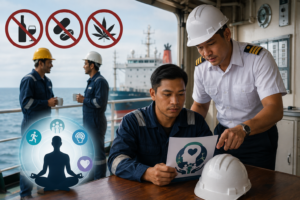
Crews are the backbone of cruise ship health. Before most passengers board, staff undergo regular health screenings to ensure no one is showing signs of illness. Training covers everything from proper handwashing techniques to the use of gloves and protective gear when preparing food or cleaning. Daily health checks help spot early signs of fever, cough, or stomach issues.
Hygiene standards are set high for crew members. Washing hands thoroughly and often (especially after touching public areas or handling food) is required. Crew who feel unwell are encouraged to report symptoms right away. Ships usually have clear isolation protocols for anyone sick, which may involve staying in their cabin or using a separate bathroom. Regular drills and training updates ensure everyone knows what to do if an outbreak occurs.
Regular training also focuses on addressing emerging health threats. In addition to food safety and surface cleaning, staff learn how to wear and change personal protective equipment, such as masks and gloves, and how to clean up after someone has been sick. This extra attention helps catch and address potential issues as soon as they arise. Crew leaders conduct routine spot checks to ensure health and hygiene rules are being followed and provide additional reminders as needed, especially on longer itineraries.
Best Practices for Ship Sanitation
I’ve noticed that ships with healthy records have solid cleaning routines. The crew disinfects high-touch surfaces often, such as railings, elevator buttons, door handles, touch screens, and restroom fixtures. Guest cabins are cleaned daily, and disinfectant is applied to surfaces prone to germ buildup. Public restrooms are stocked with antibacterial soap, and many ships install hand sanitizer stations throughout common areas.
Food and water safety also play a role. Galley staff follow strict guidelines for washing hands, storing food at safe temperatures, and avoiding cross-contamination. Drinking water goes through filtering and treatment systems. Ship ventilation matters too. Fans, UV filters, and fresh-air intakes help reduce the risk of airborne illness, which is especially important during cold and flu season. Even outdoor decks need regular cleaning, since germs can linger on chair arms, railings, or drink stations.
Many ships now use advanced cleaning products that work fast and help prevent cross-contamination between areas. Regular deep cleaning is performed on turnaround days, before new groups board the ship, and in high-traffic areas like gyms, spas, and kids’ clubs. Some cruise lines also use electrostatic sprayers, which coat surfaces more evenly than traditional spray bottles, adding even more peace of mind for travelers.
Common Diseases on Vessels
Ships most often deal with contagious illnesses like norovirus, which causes vomiting and diarrhea. This virus sticks easily to surfaces and can spread via unwashed hands or contaminated food. Respiratory illnesses like influenza and, more recently, COVID-19 also spread quickly in crowded spaces with less circulation. Other common gastrointestinal bugs, the common cold, and occasional foodborne bacteria are also things I keep in mind when planning time at sea.
On several cruises, I’ve seen extra cleaning begin as soon as a single case of norovirus is detected. This is because even a few cases can put many at risk. Isolation of sick passengers or crew, rapid communication, and constant disinfection stop outbreaks from becoming bigger problems.
In addition to norovirus and the flu, travelers should be aware of occasional outbreaks of chickenpox, measles, and even Legionnaires’ disease, a type of pneumonia that can thrive in poorly maintained water systems or hot tubs. While rare, ships take these potential threats seriously and most modern vessels use advanced water filtration and regular system checks to keep passengers safe. Extra attention is given to any illness that starts quickly and involves fever or rashes, with immediate isolation until a diagnosis is made.
Top Health Tips for Cruise Passengers
I always remind myself and my travel companions that some simple habits make the biggest difference. Washing your hands before eating, after using the bathroom, or when returning to the cabin helps keep many germs away. Hand sanitizer is a good backup when soap isn’t handy.
Vaccination is worth considering, especially for flu, COVID-19, and sometimes hepatitis A, depending on the route. Many cruise lines suggest vaccines before boarding, and having up-to-date shots helps protect not only me but those around me. At buffets, use sanitizer before eating and avoid touching food with bare hands. Using serving utensils and choosing freshly prepared items helps lower the risk. Staying hydrated, resting enough, and reporting any signs of fever or stomach trouble to the ship’s medical team can make a real impact in stopping the spread early.
Beyond those basics, I take time to learn the ship’s emergency procedures and find out where the medical center is located. Many ships have a nurse or doctor on call 24/7, but knowing how to reach them saves precious time if needed. I also ask about any onboard health programs or briefings that can offer region- or route-specific advice. Reusable water bottles help with staying hydrated, and face masks can be useful in crowded indoor settings, especially during peak flu season or for those who are immunocompromised.
Preventing Seasickness on Ships
While not contagious, seasickness can ruin a trip if not managed. I’ve found that picking a cabin in the middle of the ship, ideally on a lower deck, helps limit motion. Over-the-counter medications like meclizine or dimenhydrinate (Dramamine) can offer relief and are best taken before symptoms start. Natural options include ginger candy or tablets, acupressure wristbands, and keeping fresh air moving in the cabin. Eating light meals, avoiding greasy food, and sipping water instead of gulping down drinks are useful tips that I’ve personally used.
Seasoned cruisers also pack snacks like saltines, peppermint tea, or apples, which are easy on the stomach. Spending time outside in fresh air, looking at the horizon, may help some people readjust their sense of balance. Limiting caffeine and alcohol intake, at least until the body adapts to the ship’s movements, can also help reduce the risk of feeling unwell.
How to Stay Healthy on a Ship
My daily health checklist always starts with clean hands. I pack disinfectant wipes and keep them in my bag for wiping down tray tables, light switches, and TV remotes in my cabin. Drinking plenty of water, getting enough sleep, and balancing rich cruise food with fruits and vegetables keep my energy up. I also pay attention to signs of illness in myself and others, like fever, cough, or stomach pain, and don’t hesitate to check in with the ship clinic if something feels off. Sharing updates with the crew or fellow passengers means people can take action quickly.
- Wash Hands Frequently: Always use soap and water, especially before meals and after being in public areas.
- Use Hand Sanitizer: Carry your own bottle in case dispensers are empty.
- Get Plenty of Rest: Fatigue lowers immunity, so aim for enough sleep every night.
- Balanced Meals: Try to eat fruits and vegetables, and avoid too much heavy or raw food.
- Pay Attention to Symptoms: Early reporting helps contain illnesses fast.
- Disinfect Personal Items: Wipe down phones, tablets, and headphones daily.
- Carry a Small Medical Kit: Having basic supplies like bandages, pain relievers, and seasickness tablets saves time when minor issues arise.
Essential Medications for Ship Travel
I always travel with a small health kit, and it has saved me more than once. In my kit, I pack seasickness medication, loperamide (Imodium) for diarrhea, acetaminophen or ibuprofen for fever and pain, bandages, antibiotic ointment, and antihistamines for allergies. Rehydration salts or electrolyte tablets can help if mild diarrhea occurs. Prescription medications should always be brought in their original bottles, with enough supply for the whole trip plus a few extra days in case of delays. The ship’s clinic can help with common needs, but medicines in the onboard store may be limited or more expensive, so planning ahead can save stress.
If you rely on regular prescriptions, bring a little more than you expect to use, as it can be difficult to get replacements at sea. Include a paper list of all your medications, their dosages, and your doctor’s phone number in case of an emergency. For travelers with allergies or chronic conditions such as asthma or heart issues, having a doctor’s note describing your diagnosis, current treatment, and any necessary precautions is always a good idea. Over-the-counter remedies for upset stomach, constipation, or motion sickness rarely take up much space and have come in handy on more than one trip.
Shipboard Illness Prevention Strategies
Shipboard illness prevention relies on combined efforts. Onboard teams focus on frequent cleaning, staff education, and screening protocols. Passengers help by sticking to healthy habits and reporting if they feel unwell. Many cruise lines email pre-cruise health surveys, encourage vaccination, or even require a negative test result before sailing.
I like to keep track of announcements from the ship’s medical team or safety office during a voyage because policies can change as needed. If an outbreak starts, expect more frequent cleaning, extra handwashing reminders, and sometimes changes to meal service, such as closed buffets. Honest communication and quick action by both cruise line staff and passengers play a big part in keeping cruises as safe and illness-free as possible. With everyone on board taking responsibility, cruising can stay one of the most enjoyable ways to travel.
Today, many cruise lines have adopted digital monitoring and contactless check-in to make the boarding process smoother and safer. Ships may post digital menus in restaurants or use mobile apps to alert guests of important health information and schedule changes, all to keep passengers up to date as situations develop. These small details help everyone relax and focus on fun while still contributing to a safe, healthy environment.
By following these simple yet effective tips, cruise passengers and crew can together help ships maintain high health standards on every voyage. Every passenger’s actions, from frequent handwashing to honest self-reporting, play a vital part in making ship travel as safe and carefree as possible for all aboard.
This article was created with AI assistance and reviewed by a human editor.