Effective ship crew communication isn’t just about tossing orders across the deck or sending quick messages from one end of the vessel to the other. It forms the heart of daily operations, helping everyone stay safe, keeping routines smooth, and building that all-important teamwork vibe. Over the years, I’ve seen how the right approach to communication on board can prevent mix-ups, tighten up safety, and even boost morale when things get tough at sea. If you’re looking to strengthen how your crew interacts, it’s worth checking out some proven communication strategies for ship crews and the best practices for maritime communication that actually work out on the water.
Why Ship Crew Communication Matters More Than You’d Think
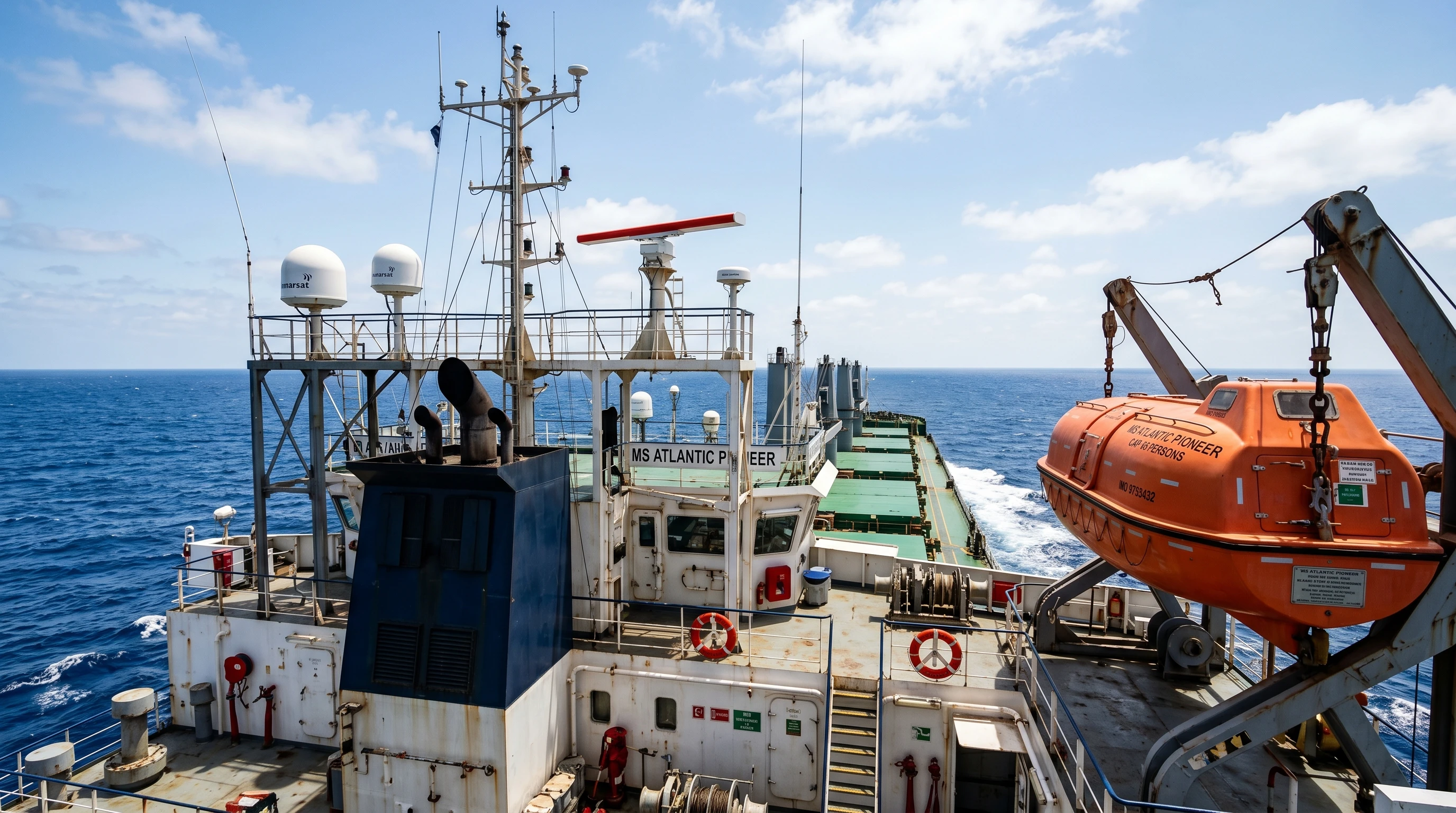
On a ship, getting your message across quickly and clearly isn’t just helpful; it’s essential for smooth, safe navigation. Crews are often made up of people from different backgrounds, sometimes speaking various languages, each with their own communication habits. If things get lost in translation or misunderstood, it can put everyone at risk or lead to mistakes with cargo, maintenance, and routine tasks.
For anyone who’s spent weeks at sea, you know how easily confusion can slow down operations or stir up conflict. A simple misunderstanding, such as a missed engine alarm or a wrong docking instruction, can have serious consequences. That’s why effective ship crew communication sits right at the center of every successful voyage, big or small.
Organizations like the International Maritime Organization (IMO) even include crew communication as a priority for safety training. Learning more about best practices for maritime communication means investing in everyone’s safety and the vessel’s success.
Getting Started: Fundamentals of Shipboard Communication
Every ship has its own personality, but a few basics always apply. Onboard communication isn’t just about who talks to whom. It’s about how reliably and efficiently information moves, whether face-to-face, over the radio, or through written logs.
Here are a few core ideas to focus on if you’re working toward more effective ship crew communication:
- Standardized Language: Many ships use Maritime English, a simplified and standardized form of English. Using standard words and phrases cuts down confusion.
- Check-Backs and Repeats: After sharing information, repeating back what was heard can make sure both parties are on the same page.
- Clear Hierarchies: Knowing who’s in charge and who to report to removes a lot of second-guessing during daily operations and emergencies.
- Written Records: Jotting down notes in logs helps keep track of decisions, routines, and issues so nothing falls through the cracks when personnel changes shift.
Getting comfortable with these basics smooths the way for more advanced collaboration and keeps everybody in sync.
Quick Guide: Tips for Easy and Efficient Communication on Ships
I picked up some handy communication strategies for ship crews over the years that actually make a difference in day-to-day work. Here are a few techniques to use right away:
- Use Simple, Direct Language: Avoid long-winded directions or idioms that could be misinterpreted, especially if the crew has mixed language skills.
- Keep the Radio Clear: When using VHF or walkietalkies, stick to necessary information and established call signs. Excess chatter can clog up airwaves in urgent moments.
- Nonverbal Signals Help: Sometimes hearing isn’t possible (or the engine is roaring). Hand signals play a significant role in ship crew communication guidelines, especially for mooring and cargo tasks.
- Daily Briefings: Taking 5 minutes each day for a team update or handover ensures everyone has the right picture, especially before drills or jobs involving multiple departments.
- Encourage Questions: I always try to remind teams that there’s no harm in double-checking if you’re unsure. A little back-and-forth can prevent a lot of stress later.
Bringing a bit of structure to everyday communication sets a good example and helps newer crew members learn faster.
Challenges Most Crews Deal With, and What You Can Do About Them
Even well-trained crews hit communication bumps, especially under high-pressure deadlines or when language barriers are present. Here are a few common hurdles (and some practical ways I’ve seen work to get past them):
- Language Differences: Having a diverse crew can make for a great working environment, but navigating accents, slang, and varying levels of English proficiency can slow down communication. Keeping those on board with weaker English skills in mind when explaining tasks helps the whole team stay safe and efficient.
- Noise and Distractions: Noisy machinery, alarms, or even weather can make hearing instructions tough. It’s worth practicing hand signals or written notes, sometimes an old-school whiteboard does wonders during big cargo operations.
- Fatigue: Long hours or back-to-back watches impact how well people take in and remember information. Having routines for position changes or using written handover notes cuts down on missed details.
- Misinterpretation of Tone: When using radio or messages, it’s super easy for short texts to come off as rude or confusing. Encouraging responses like “received” or “will do” make it clear the message landed as intended.
Language Barriers
Some vessels now offer onboard language support tools or training in Maritime English. For example, using illustrated safety cards, shared vocab lists, and quick translation apps is a small investment that can save a lot of trouble.
Dealing with Noise
Ear defenders, clear signage, and good lighting for gesturing are practical tweaks that improve the effectiveness of nonverbal messages. Positioning people strategically during loud ops, such as having one communicator relay messages between noisy zones, can make the difference during a crisis.
Combatting Fatigue
Rotating tasks, taking regular breaks, and pairing new hires with mentors all help ensure no one gets too tired to listen or respond accurately. Crew check-ins at shift changes, both written and spoken, help everyone stay up to date on what’s happening.
Tone in Communication
Creating a culture where double-checking is the norm and feedback is welcome goes further than policing every message. Encouraging even informal checkbacks like, “Just double-checking, do you mean the starboard winch or the port side?” keeps confusion low. Teams that keep the atmosphere open for clarifications can solve challenges before they grow.
Taking the time to address these snags up front helps avoid repeated mix-ups and keeps morale up, even on tough crossings. Remember, even small changes in how you communicate can ripple out across the whole crew for the better.
Advanced Tools and Techniques Worth Trying on Board
Tech nowadays offers a bunch of ways to improve ship crew collaboration techniques firsthand. While traditional voice and written logs never go out of style, digital tools for crews are becoming increasingly popular each year. Updates in maritime technology make more robust communication possible for crews of all sizes.
- Satellite Communication Systems: These are super useful for staying in touch beyond radio range or when you’re operating in remote locations.
- Onboard Messaging Apps: Some vessels now use closed onboard chat apps that let teams coordinate maintenance, share updates, or report safety issues, often way quicker than hunting someone down on deck.
- Digital Noticeboards: Replacing some paper logs with digital noticeboards or tablets reduces misunderstandings. Big announcements or shift plans posted in a spot everyone passes can be a game-changer by making key information available anytime.
- Regular Communication Drills: Scheduling mock drills for radio failure or emergency messages helps the team keep skills sharp and builds confidence if something breaks down.
I’ve also spotted crews using dedicated weather, navigation, and maintenance apps synced across devices, keeping everybody on the same page, no matter their location on the ship. These tools are especially helpful during hectic operations and adverse weather, ensuring schedules, plans, and updates reach everyone quickly.
Making Communication Part of Everyday Crew Culture
Turning good communication from a “nice bonus” into part of the ship’s daily fabric isn’t about policing every word. It starts with strong leadership and a sense of shared responsibility. Effective leadership on ships fosters an environment where feedback, questions, and updates happen naturally, making communication second nature for everyone.
Some crews use a daily “all hands” roundtable where everyone from deckhands to chief engineers shares what’s on their radar for the day. Even if it takes just ten minutes, it’s valuable for building trust and flattening out misunderstandings before any job starts. Older crew members can share their experience while new hires become familiar with ongoing routines and expectations.
- Promoting Open Feedback: Inviting suggestions and making it clear that every voice counts encourages crewmembers to speak up when noticing something off.
- Setting an Example from the Top: When senior officers consistently use clear, respectful, and timely communication, it filters down and helps newer crew learn fast.
- Celebrating Crew Wins: Marking good teamwork or smooth coordination during drills, such as a quick shoutout at meal times, helps anchor those behaviors as the ship’s go-to style. Recognizing even small communication milestones boosts morale and sets a positive tone for others to follow.
As communication routines take hold, they eventually become second nature. Crew members begin to rely on each other for updates and feedback, which then strengthens the whole team and increases safety across the board.
Real-World Applications: How Better Communication Saves the Day
Effective crew communication has saved more than a few sticky situations in my experience. For example, navigating busy ports means coordinating engineers, navigation, and deck crews under tight time constraints. One well-planned briefing before arrival, with everyone double-checking their roles, often means less shouting and fewer last-minute scrambles when the pilot boards.
For cargo ships, passing along precise shift-to-shift updates, such as maintenance alerts or security issues, keeps small problems from turning into big breakdowns. Even outside emergencies, using group chats or checklists on mobile devices can help maintain quality and morale during longer crossings.
- Emergency Drills: Practiced and clearly communicated drills help people react quickly during fire alarms or abandon-ship calls, so no one is left wondering what to do next.
- Maintenance Coordination: Clear notetaking and handovers ensure engineers tackle tasks in the right order, preventing both overlap and missed deadlines.
- Mooring Operations: When multiple departments are involved, including engine, deck, and bridge, a clear, shared plan in advance reduces confusion and delays.
Keeping clear records in group chats or digital logs also lets crews review incidents and learn from mistakes, making them smarter and better prepared for whatever comes their way. Improved communication isn’t just about speed; it’s about building a culture of understanding and support, which shows in everyday wins, big and small.
Frequently Asked Questions
Here are a few questions I hear a lot from newer crew members and ship operators about communication on board:
Question: What should I do if I don’t understand an order?
Answer: Always ask for clarification; don’t try to guess. Most captains and officers would rather explain twice than fix a mistake later.
Question: How can mixed-language crews work together more smoothly?
Answer: Lean on standard Maritime English for instructions, use visual aids, and consider onboard language support tools where possible.
Question: What are simple tools to improve ship communication fast?
Answer: Whiteboards for shift handovers, group chats for day-to-day coordination, and clear signage in common spots are all super helpful for getting everyone in sync.
Key Takeaways for Building a Communication-First Ship Culture
Making sure a ship runs smoothly always comes back to how well people understand each other. Embracing straightforward communication strategies, choosing ship crew collaboration techniques that suit your specific vessel, and trying out new digital tools can all have a huge impact. Creating a culture where checking, repeating, and clarifying are seen as smart, not a hassle, goes a long way toward keeping crews safe, happy, and productive at sea. If you stick with these best practices for maritime communication, you’ll notice the difference the next time there’s high stress or a complicated maneuver up ahead.
This article was created with AI assistance and reviewed by a human editor.