Plastic pollution in the ocean is a massive problem that has touched almost every coastline and waterway around the globe. Every year, millions of tons of plastic waste find their way to the sea. This problem is hard to ignore, especially as the need for Plastic Pollution Solutions becomes more urgent with each passing year.
My own awareness started when I visited the beach and saw plastic debris tangled in the seaweed; it’s not just an eyesore but a danger to marine life and our own food chain. This issue affects not just environmentalists but anyone who enjoys or depends on the ocean for food, work, or recreation. In this article, I want to share some practical approaches and fresh ideas for reducing plastic pollution at sea, and, just as important, spotlight some simple steps you can take to make a real difference beginning today. The more we talk and act, the better our chances are to turn the tide against ocean plastic.
Understanding the Scope of Plastic Pollution at Sea
Ocean plastic pollution is a problem that affects countries everywhere, no matter how far inland they are. Plastic debris often starts its journey on land, gets washed into rivers, and eventually flows into the ocean. Items like singleuse bottles, shopping bags, and fishing nets are common offenders. It can take hundreds of years for some plastics to break down, and even then, they simply become microplastics, which are just as harmful.
According to research published in Ocean Conservancy, more than 8 million metric tons of plastics enter the oceans every year. This affects not just beaches, but also the health of fish, seabirds, turtles, and even humans, as microplastics make their way up the food chain. Every piece of plastic, big or small, matters.
The Impact of Plastic Pollution on Marine Life
One of the most distressing effects of plastic pollution is what it does to marine creatures. I remember reading about sea turtles mistaking plastic bags for jellyfish, which can lead to fatal blockages in their digestive systems. Birds, fish, and whales often eat or get tangled in plastic, which can lead to injury, starvation, or death. Even tiny plankton consume microplastics, which means the problem starts at the very base of the ocean food web. Realizing the Marine Life Plastic Pollution Impact highlights why quick action is really vital.
For people who rely on fishing or tourism for income, polluted oceans also threaten livelihoods. Clean beaches attract visitors, while trash hurts local economies. Local businesses that depend on clean water suffer when pollution rises.
Top Ocean Conservation Strategies for Tackling Plastic Pollution
Addressing plastic waste in the ocean takes a mix of prevention, cleanup, and alternatives. I’ve found that some strategies shine at the source, while others try to fix what’s already in the water.
- Prevention at the Source: Restricting singleuse plastics, improving waste management systems, and promoting reusable products has slowed plastic runoff in some communities. For example, switching to metal straws or cloth shopping bags keeps plastics out of the waste stream entirely.
- Community Cleanups: Joining local beach cleanups or river sweeps can make a difference, especially before the waste reaches the sea. According to The Ocean Cleanup, these efforts are a powerful way to get involved and teach others about the problem.
- Corporate Responsibility: Pressuring manufacturers to reduce plastic packaging or use biodegradable materials mixes in some responsibility upstream. When major brands make changes, the effect spreads quickly.
- Legislation: Laws that ban or tax singleuse plastics have led to reduced usage in cities around the world.
Bringing these strategies together creates a strong approach for fighting plastic pollution from several angles at once.
Best Practices for Reducing Marine Waste
I’ve learned that cutting down plastic in the ocean doesn’t always require huge investments. Some practices that work well include:
- Proper Disposal: Making sure every piece of trash ends up in the right bin, especially when by the sea, is the most basic step. Keep your items secure so wind or water doesn’t pull them into the surf.
- Reducing SingleUse Plastics: Carrying a reusable water bottle, containers, and bags keeps plastic out of circulation. Bringing your own coffee cup or shopping sack helps stop plastic before it starts.
- Supporting Local Bans: Voting for or supporting companies and local governments that push singleuse plastic restrictions can bring quick and lasting benefits. When communities back these initiatives, change happens faster.
- Personal Cleanups: Picking up litter on the beach or riverbanks helps stop it from washing out to sea. If you see a bottle cap or bag blowing in the wind, grab it and dispose of it properly, it all counts.
Making small, mindful decisions every day adds up to a healthier ocean for everyone, and these routines encourage others to take part as well.
Marine Waste Cleanup Innovations
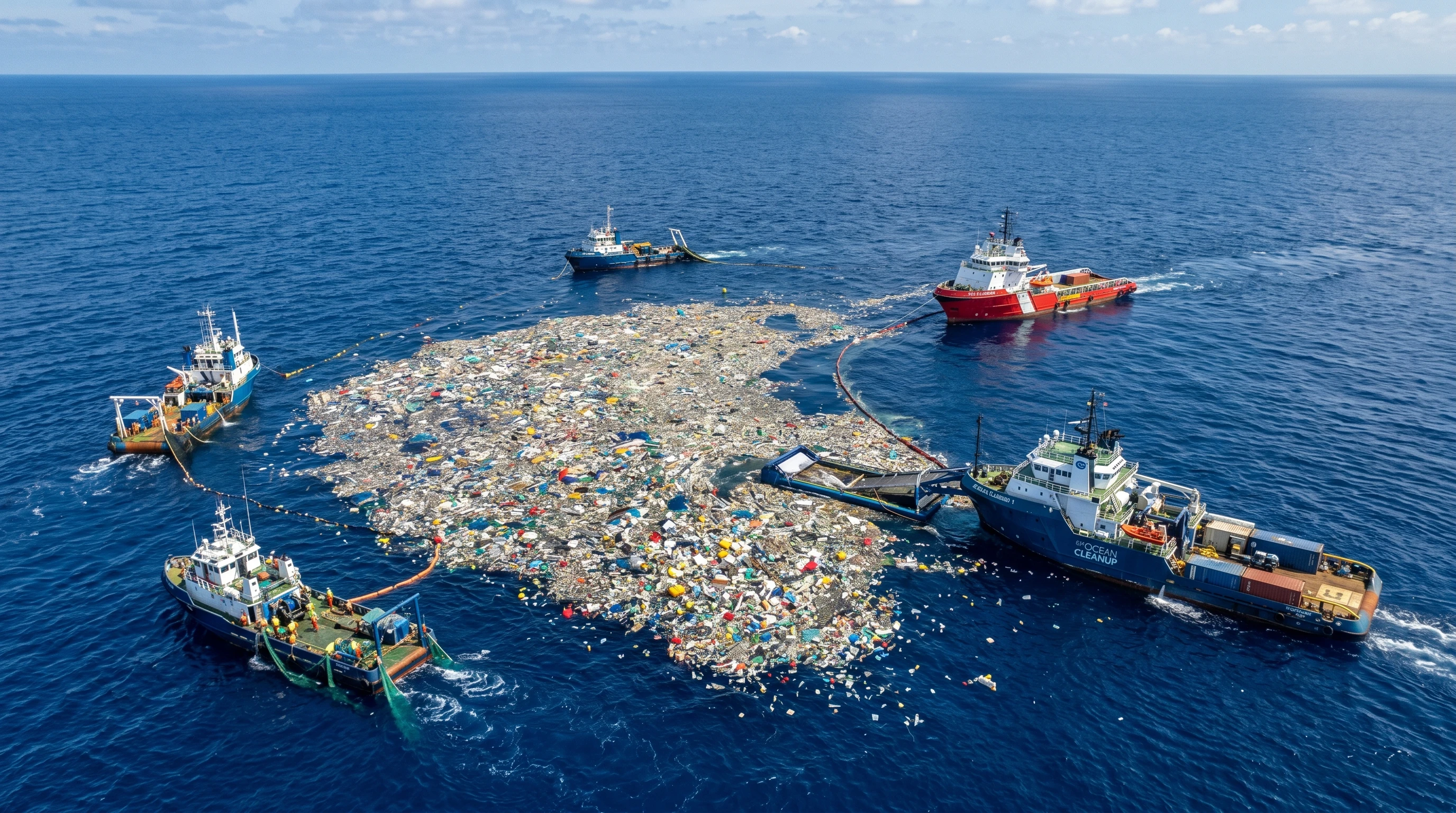
Marine Waste Cleanup Innovations have been making headlines for good reason. Over the last decade, engineers and scientists have created devices that scoop up tons of plastic from oceans and rivers. One wellknown system is the floating barrier developed by The Ocean Cleanup project. This device takes advantage of ocean currents to collect debris for later removal. The technology is still improving, but big strides have already been made.
Other groups are using solarpowered robots that skim the surface of harbors and rivers, trapping plastics in onboard bins. There are also nets and barriers placed at river mouths, which act as the final checkpoint before plastics hit the open ocean. I’ve observed some of these projects grow from small crowdfunding campaigns to real-world cleanup operations moving tons of trash each year.
Despite high startup costs and technical challenges, these innovations show what creative thinking can accomplish and offer real hope for the future.
How to Reduce Plastic Waste in Oceans, What I’ve Found Works
After years of following this issue, a few solutions stand out as especially useful:
- Support Clean Water Infrastructure: Good sewage and stormwater management systems keep trash and microplastics from slipping into rivers and coastal areas. Upgrading local waste processing is one of the best investments any community can make for the environment.
- Choose Alternatives: Whenever possible, swapping to products made from glass, metal, or compostable materials skips plastic altogether and helps protect wildlife. Even using bar soap instead of bottled helps avoid extra packaging.
- Speak Up for Policy Changes: Public input can encourage lawmakers to act, so contacting local representatives works. You might not get a response every time, but those messages can be very persuasive as policymakers consider new laws.
- Educate and Share Information: Whether I’m posting online, sharing at school, or just chatting with neighbors, raising awareness helps others make stronger choices. Many people don’t realize how big the issue is until someone points it out.
Most of these steps are easy to do as an individual, but they work even better when whole communities jump in together. Working with friends or coworkers can have a multiplier effect, positive actions ripple out far beyond your own circle.
Best Plastic Alternatives for Oceans
Tracking down the Best Plastic Alternatives for Oceans takes a little creativity and openness to new ideas. Bioplastics made from cornstarch or sugarcane break down faster and are less likely to harm wildlife. Edible packaging, like seaweedbased wrappers, is another option that’s appearing in some restaurants and hotels.
Switching to natural fibers like cotton or jute shopping bags and glass or stainless steel drink bottles makes a real difference. Restaurants and shops giving discounts for using your own bag or cup make positive choices even easier. Even swapping plastic-wrapped produce for loose fruit and veggies supports change and trims unnecessary waste.
It might feel like your effort is small, but each step moves us in a healthier direction and builds momentum for the bigger changes that must happen.
Challenges and Hurdles in Plastic Pollution Solutions
Like many big problems, plastic pollution at sea faces a few stubborn obstacles. Here are some that I’ve run into or read about:
- Cost: Building and launching cleanup equipment takes money. Public funds and donations help, but often only cover a part of what’s needed. Many groups run on shoestring budgets and depend on local volunteers, so every bit counts.
- Lack of Infrastructure: Some places do not have solid waste management or recycling options, causing more plastics to end up in rivers and oceans. Building up these capabilities is crucial for keeping plastic out of waterways in the long run.
- Changing Habits: Getting people, myself included, to consistently use less plastic is not simple. Habits develop quickly and can take some conscious effort to shift. It helps to start with one swap at a time, so you don’t feel overwhelmed.
- Microplastics: These almost invisible particles are everywhere, from deepocean trenches to table salt. Tracking and removing them remains a huge technical challenge that needs smarter solutions in the years ahead. Scientists are hard at work looking for ways to screen microplastics from water before it reaches us.
Despite these roadblocks, making progress one step at a time feels achievable as more people learn about and care for the ocean. Keeping hope alive and encouraging one another makes a difference.
Local Action Matters
Small changes can add up fast. Beach, river, and lake cleanups led by schools, work teams, or just a few friends prevent thousands of pounds of trash from reaching the sea each year. Community action not only clears away debris but strengthens connections to local waterways. From what I’ve seen, people who take part in even one cleanup are far more likely to reduce their plastic use afterward, and often bring friends with them next time.
Frequently Asked Questions
Here are a few questions I often hear about ocean plastic pollution:
Q: What are the best ways to reduce plastic pollution at sea?
A: Start with the basics: reduce, reuse, and recycle plastic whenever possible. Support policies and projects focused on stopping plastic at the source and consider joining local cleanups to remove waste directly from beaches and rivers. Your choice really does matter.
Q: Are there any new technologies making a difference?
A: Projects like The Ocean Cleanup’s floating barriers and solarpowered cleaning drones are already pulling tons of debris from vulnerable water regions. These efforts are expanding swiftly and every new advance helps clean up more of our oceans.
Q: How does plastic waste affect me?
A: Microplastics have been found in seafood and even drinking water. Reducing plastic pollution protects not only marine life but also human health and wellbeing for generations to come.
Taking Action for a Cleaner Ocean
The fight against ocean plastic pollution will keep needing help from people, companies, and governments. Serving as a volunteer, reducing singleuse plastics at home, embracing Marine Waste Cleanup Innovations, and encouraging change in your community are all strong ways to pitch in. Each piece of trash removed or avoided makes the ocean a little cleaner and the world better for everyone, both animals and people. If each of us pitches in just a bit more, the difference could be eye catching. The next time you visit the beach, bring a reusable bag and pick up a few pieces of litter. Urge a friend or family member to join. It’s a small move, but with millions doing the same, the ripple effects will reach far and wide, helping turn the tide on ocean plastic for years to come.
This article was created with AI assistance and reviewed by a human editor.


Plastic pollution at sea is one of the most urgent environmental problems today. I think stronger action is needed from governments, shipping industries, and individuals because marine life and ecosystems are suffering greatly. Education, better waste management, and reducing single-use plastics can make a real difference. Every small effort helps protect our oceans for future generations. What additional steps do you think communities can take to reduce plastic waste before it reaches the ocean?
That’s a really thoughtful point, prevention at the community level is where a lot of real impact can happen.
Beyond reducing single use plastics and improving waste systems, communities can take a few extra steps that are surprisingly effective:
1. Intercept waste before it travels
Installing simple capture systems like storm drain filters, river barriers, or litter traps can stop plastic on its way to the ocean. Many cities have reduced pollution significantly just by targeting these “leak points.”
2. Create local refill and reuse networks
Encouraging refill stations for water, cleaning products, or even groceries helps shift habits away from disposable packaging. Community supported refill shops or pop-up stations can make this more accessible.
3. Organize regular cleanups, but with data tracking
Beach and street cleanups are great, but they’re even more powerful when participants log what they collect. This data can highlight the biggest pollution sources and push local policy changes.
4. Support plastic free local businesses
Communities can promote or incentivize shops that use minimal or compostable packaging. Even small recognition programs (“plastic-smart business” labels) can influence both businesses and customers.
5. Improve sorting and accountability
A lot of plastic waste leaks into nature because of confusion or poor sorting. Clearer labeling, community workshops, and even standardized bins can reduce contamination and increase recycling rates.
6. Encourage school and youth programs
Getting younger generations involved, through school projects, challenges, or eco clubs, builds long term habits and often influences household behavior too.
7. Advocate for local policy changes
Community pressure can lead to bans on certain single-use items, deposit return schemes, or better waste infrastructure. Local action often moves faster than national policy.
The key is combining behavior change + infrastructure + local pressure, when those three align, communities can drastically cut the amount of plastic that ever reaches waterways.