

MARPOL regulations play a crucial role in keeping our oceans cleaner and safer. For anyone working in shipping or simply interested in marine environmental protection, understanding how these rules fu...

Learning how to handle immigration and visa rules is really important for seafarers, whether I am heading out on my first contract or taking on a new international route. The guidelines for getting a ...
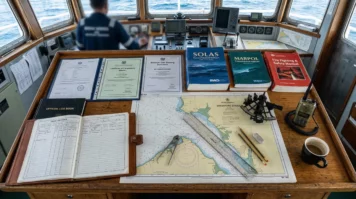
Certificates and documentation are absolutely crucial when working as a seafarer. Having the right paperwork not only proves my skills, knowledge, and qualifications, but also makes it possible for me...

Maritime law keeps changing, and 2026 is shaping up to be an eye-catching year for anyone following the latest maritime law trends. Between tightening regulations, fresh technologies, and the growing ...

Marine boilers form the heart of many shipboard operations, playing a key role in providing steam for propulsion, heating, and other onboard systems. I have found that running these systems smoothly w...
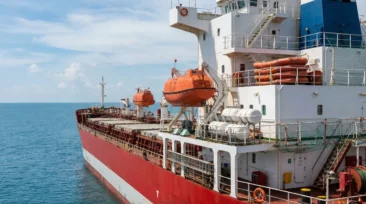
SOLAS, short for the International Convention for the Safety of Life at Sea, stands as the leading international benchmark for maritime safety. Whether I’m responsible for a ship or crew on board, und...
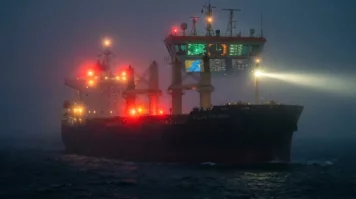
Safety and effective navigation are really important when I find myself facing an emergency at sea. Whether I’m a professional mariner or just starting out in maritime operations, knowing ship emergen...
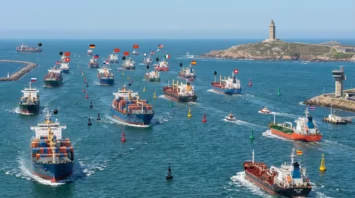
Understanding maritime laws is really important for anyone involved in global shipping, fishing, or even recreation on the water. These laws set the foundation for safe, orderly, and fair use of the w...
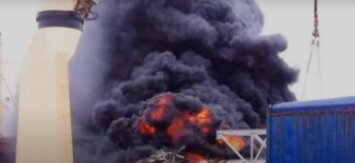
Fire safety on board isn’t something I ever take lightly. Whether I’m docking for the night, setting off on a long trip, or just spending an afternoon out on the water, fire is a real risk that can qu...



10 responses to “Fire Safety On Board: What You Need To Know”
Reading this, I kept thinking about growing up in South Sudan, where one careless spark from a kerosene lamp could turn a whole tukul into ashes, and how that same mix of fuel, heat, and tight space becomes even more serious on a boat.
I like how you turned fire safety into a daily habit, not just a box to tick, because that is the only way people really stay ready in an emergency.
How would you adapt your checklist and drills for guests who are completely new to boats, so they do not panic or get in the way if a fire breaks out. I’m just curious about this.
John
John, thank you for sharing that. Your point about the kerosene lamps in South Sudan really resonates — it’s a powerful reminder that fire risk feels very different when you’ve lived close to it. And you’re absolutely right: on a boat, that same combination of fuel, heat, and confined space can turn small mistakes into real danger fast.
For guests who are completely new to boating, I try to keep things simple and calm. A few things that seem to work well:
1. A 2-minute safety brief the moment they come aboard.
Nothing dramatic — just where the extinguishers are, where to move if I say “fire,” and what not to touch. If people know what to expect, they freeze less.
2. A “follow me, don’t fight the fire” rule.
New guests often think they should grab an extinguisher, which usually causes more chaos. I tell them clearly: your job is to follow my voice and stay clear so I can work.
3. A simple phrase for emergencies.
Instead of shouting “fire,” I use a rehearsed cue like: “Everyone forward now.” It keeps people from panicking, because they’re executing a familiar instruction rather than reacting to alarm words.
4. A quick walkthrough of escape routes.
Even just pointing out, “If anything happens, go this way,” gives people an anchor under stress.
5. Reassurance.
Newcomers panic when they feel useless. I give them one clear responsibility — “Stay here and wait for my instructions” — so they feel part of the process rather than overwhelmed by it.
It doesn’t take long, but it makes a big difference. Once people understand what not to do, everything becomes calmer and safer.
Really appreciate your perspective — thanks again for sharing it.
This was an insightful and informative post. I hadn’t realized how many different ignition sources exist on boats, from wiring and fuel lines to something as simple as cooking in the galley.
The idea of conducting practice drills with everyone on board, including guests, makes sense. In an emergency, preparation could be the difference between panic and a calm response. I’m curious, do you think that newer technologies like automatic fire suppression systems or smart detectors make a significant difference compared to traditional extinguishers and alarms?
Thank you for sharing such practical advice; it really emphasizes how prevention and readiness are essential when it comes to fire safety at sea.
Thank you so much for the thoughtful comment! You’re absolutely right—boats are full of potential ignition sources that are easy to overlook, and it’s often the small, everyday things that can pose the biggest risks.
Practice drills really do make a huge difference. Even a simple walk-through can help everyone stay calm and know exactly what to do if something unexpected happens.
As for newer technologies, yes—automatic fire suppression systems and smart detectors can significantly enhance safety. They react faster than humans typically can, especially in areas that aren’t constantly monitored, like engine compartments. That said, they work best as supplements, not replacements. Traditional extinguishers, alarms, and good old-fashioned vigilance are still essential.
I’m glad you found the post useful! Prevention and preparation truly are the best ways to stay safe at sea.
Such valuable information, and so many things to take into consideration. I really like this article! The information you present is very concise, contains much value and answers many questions. Fire Safety is something that no one should ever take lightly and it’s necessary to have a well laid out plan. I like how you emphasize to importance of not just the plan but the importance of checking systems on a regular basis.
I am not a boater, but I do spend time with friends that invite me onto vessels. After reading this article, I think I will find a way to ask the “captain” what about fire safety and what I need to know or understand as to my role. Fire Safety is everyone’s responsibility!
Thank you for taking the time to put together such an insightful article on an important topic! I am looking forward to future reads!
Thank you so much for your thoughtful comment — I really appreciate your kind words!
You’re absolutely right: fire safety is something that should never be overlooked, whether you’re the vessel owner or a guest on board. Having a clear plan is essential, but keeping systems checked and maintained is just as important, and I’m glad that part resonated with you.
It’s great that you’re thinking about asking the captain about fire safety during your next outing. That kind of awareness can make a real difference, and you’re spot on — fire safety truly is everyone’s responsibility.
Thanks again for taking the time to share your insights and for following along. I’m glad you found the article valuable, and I look forward to sharing more helpful content with you!
This is a very thorough overview of fire safety on board, and I appreciate how you stress that fire prevention on boats must be more than a “check-the-box” activity — it requires consistent vigilance, good habits, and proper training. I especially like your emphasis on checking fuel lines, wiring, and ensuring extinguishers and alarms are up-to-date before each outing. The checklist and the point about running drills with everyone on board — even guests — make the advice feel practical and doable.
What would you say is the single most overlooked safety check that boat owners tend to skip, even though it can make a big difference?
Thank you — I really appreciate that. If I had to choose the single most overlooked safety check, it would be verifying that ventilation systems are actually working effectively, especially in engine compartments and enclosed fuel-storage areas.
Boat owners will often look inside, maybe even lift the hatch for a moment, but they don’t always run the blower long enough or confirm that airflow is unobstructed. Poor ventilation allows fuel vapors to accumulate, and that’s one of the leading causes of onboard fires and explosions.
A quick functional check of the blower, plus giving it enough time to clear the compartment before starting the engine, makes a huge difference — and it only takes a minute or two.
A thoroughly comprehensive and vital guide, every seafarer should have this bookmarked! The clear breakdown of fire classes, prevention protocols, and onboard equipment is incredibly practical. I especially appreciated the emphasis on regular drills and crew readiness, which truly underscores that in maritime fire safety, preparation is everything.Thank you for compiling such crucial knowledge in one accessible place. Stay safe out there!
Thank you so much for your thoughtful feedback! I’m really glad to hear the guide was helpful. Fire safety at sea is something we can never take lightly, and you’re absolutely right—consistent drills and a well-prepared crew make all the difference.
I appreciate you taking the time to share your thoughts. Stay safe, and fair winds to you as well!