
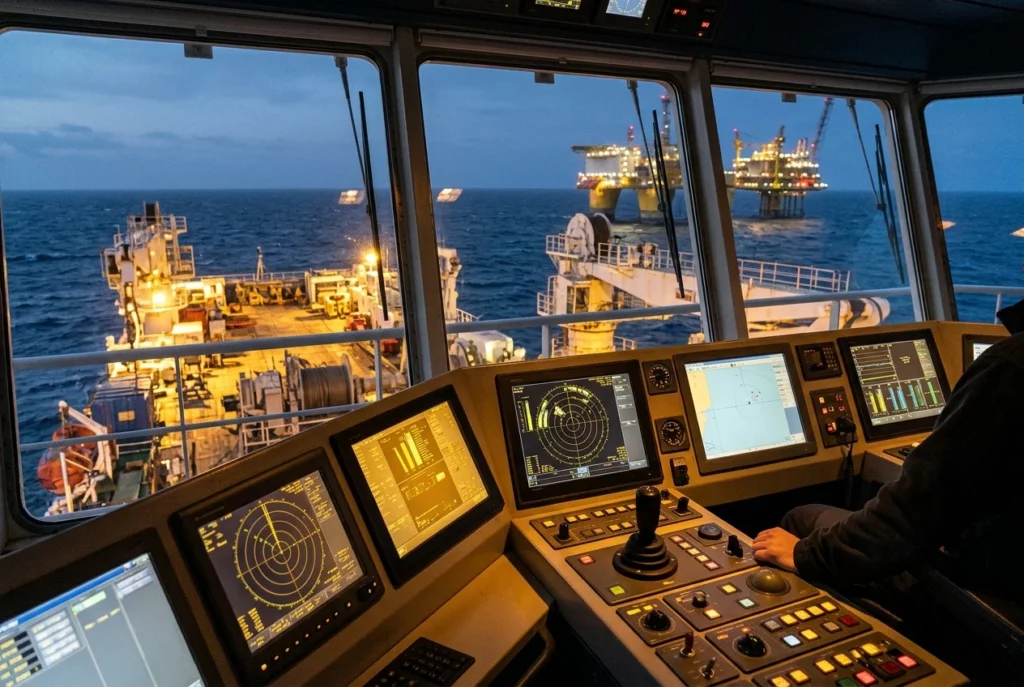
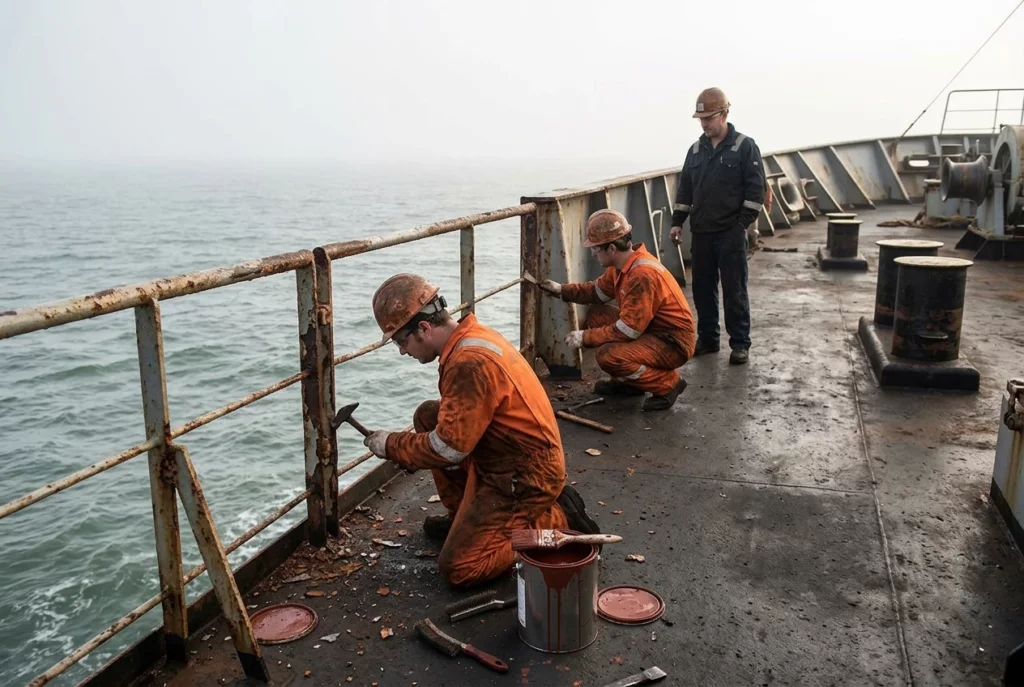
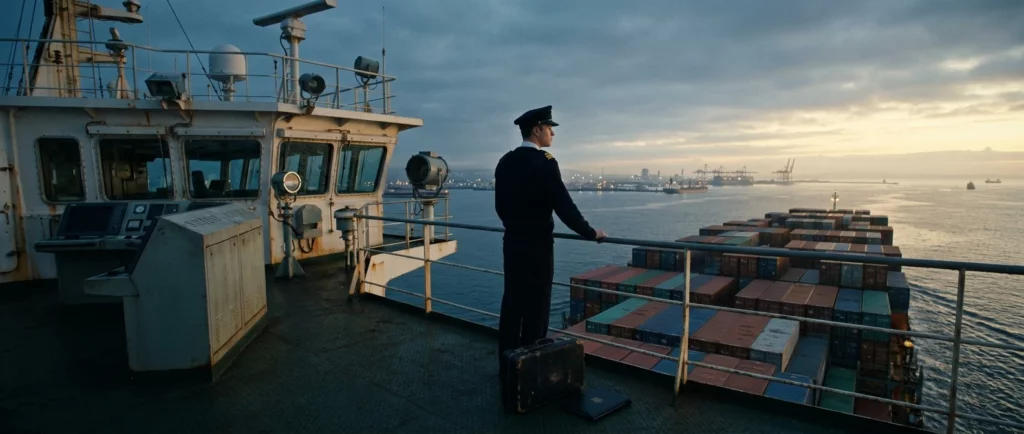
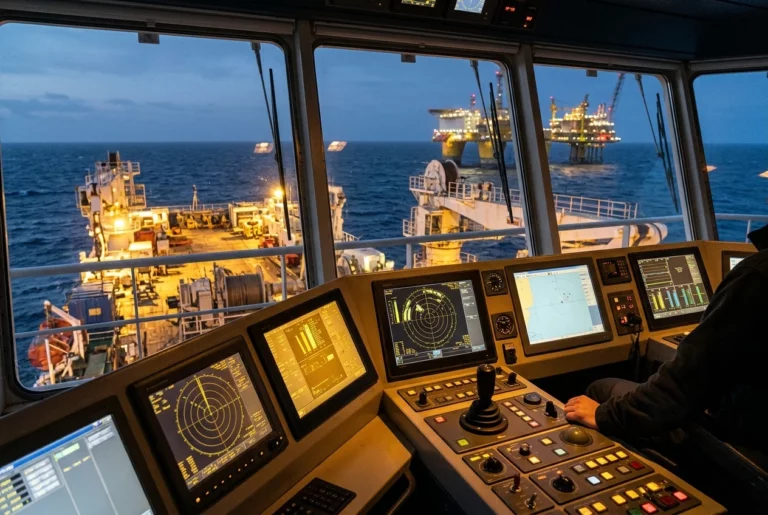

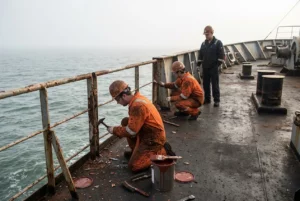
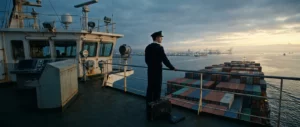
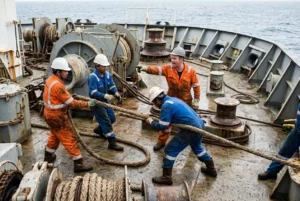

Seafarer Environmental Training is rapidly becoming a key part of working at sea in today’s shipping industry. Over the years, I’ve seen environmental demands grow; crews not only need to meet complia...
I’ve learned that seafarer environmental training is not just a formality. It’s a practical need for anyone working at sea. The ocean is central to global trade, climate balance, and the well be...
The global maritime sector is undergoing a profound transformation as environmental concerns, regulatory pressures, and technological innovation converge. With shipping responsible for around 3% of gl...
Plastic pollution in the ocean is a massive problem that has touched almost every coastline and waterway around the globe. Every year, millions of tons of plastic waste find their way to the sea. This...
Fuel consumption reduction strategies for ships have become really important as the shipping industry faces more attention for its environmental impact. With tighter regulations and increased pressure...
Managing ballast water management systems (BWMS) is a critical responsibility for modern ships. Ballast water management ensures vessel stability while preventing the spread of invasive marine species...
Managing waste on ships is a critical issue for both environmental protection and safe operations at sea. Every vessel generates waste, ranging from food scraps in the galley to plastics from packagin...
MARPOL regulations play a crucial role in keeping our oceans cleaner and safer. For anyone working in shipping or simply interested in marine environmental protection, understanding how these rules fu...
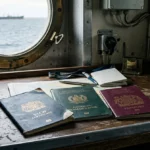
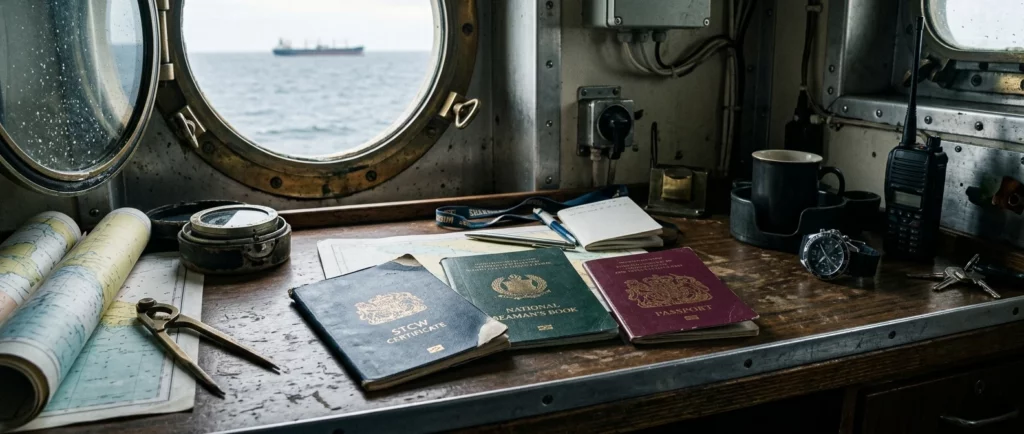
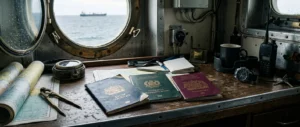
Learning how to handle immigration and visa rules is really important for seafarers, whether I am heading out on my first contract or taking on a new international route. The guidelines for getting a ...


2 responses to “Maritime Environmental Training for Seafarers: Everything You Need to Know”
This was such a thorough and eye‑opening guide. I really appreciate how clearly you explained not just the regulations, but the real‑world habits that actually make a difference on board. The focus on practical training, daily routines, and crew awareness shows how environmental protection isn’t just a policy — it’s a culture that has to be lived every day.
The section on challenges felt especially honest. It’s easy to forget how diverse crews are and how much language, time constraints, and limited tech access can impact training. Your solutions were simple but powerful, especially the emphasis on consistent reminders and leadership involvement.
Overall, this is a great resource for anyone in the maritime industry who wants to understand how environmental responsibility becomes part of everyday operations.
Thank you so much for your thoughtful feedback; it really means a lot. I’m glad the practical side of things resonated with you, because that’s exactly where real change happens: in the everyday habits and decisions on board.
You’re absolutely right that environmental protection has to go beyond policies and become part of the onboard culture. The human element, training, communication, and leadership, play a critical role, especially on diverse crews where challenges like language barriers and time pressures are very real.
I also appreciate you highlighting the challenges section. It’s important to acknowledge those realities honestly so we can focus on solutions that are actually workable in day-to-day operations.
Thanks again for taking the time to share your perspective!