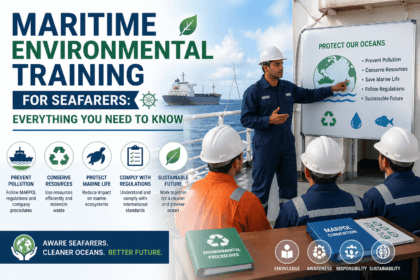
Seafarer Environmental Training is rapidly becoming a key part of working at sea in today’s shipping industry. Over the years, I’ve seen environmental demands grow; crews not only need to meet complia...
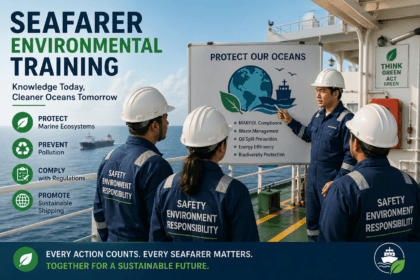
I’ve learned that seafarer environmental training is not just a formality. It’s a practical need for anyone working at sea. The ocean is central to global trade, climate balance, and the well be...



2 responses to “Protect Our Oceans: Environmental Training Every Seafarer Must Complete”
This was a really insightful read. I never realized how much responsibility seafarers carry when it comes to protecting the environment. It’s not just about navigating ships, but also about daily decisions that impact marine life. From what I’ve been learning, proper environmental training, like waste management and understanding pollution risks, plays a huge role in reducing harm to the ocean.
It made me think about how important awareness is, not just for those working at sea but for all of us. Do you think there’s enough emphasis globally on environmental training for seafarers, especially as the industry continues to grow and evolve?
That’s a thoughtful takeaway, and you’re right to connect it to the bigger picture.
I’d say there is a solid framework in place globally, but whether it’s “enough” is still up for debate. Organizations like the International Maritime Organization (IMO) have made environmental training a formal requirement through conventions such as the MARPOL Convention and the STCW Convention. These set minimum standards for pollution prevention, waste management, and fuel management.
But here’s the catch: “minimum standards” don’t always translate to consistent, high-quality training across the industry. Shipping is global, and crews often come from very different training systems and economic backgrounds. Some companies go well beyond compliance with strong sustainability cultures, while others treat it more like a box-ticking exercise.
Another challenge is the industry’s rapid evolution. With new fuels, stricter emissions targets, and technologies aimed at decarbonization, environmental training has to keep up, and it doesn’t always move at the same pace as innovation.
So overall, awareness and regulation are definitely stronger than they used to be, but there’s still room for improvement, especially in making training more practical, continuous, and universally consistent.
Your point about awareness beyond seafarers is spot on, too. A lot of environmental impact is shaped by decisions on land—consumer demand, regulations, and corporate policies all feed into what happens at sea. It’s a shared responsibility, even if seafarers are on the front line of it.
If you’re interested, I can break down what environmental training for seafarers actually looks like day to day; it’s more hands-on than most people expect.