I’ve learned that seafarer environmental training is not just a formality. It’s a practical need for anyone working at sea. The ocean is central to global trade, climate balance, and the well being of countless communities. Every crewmember carries a shared responsibility to protect these waters, and that obligation starts with proper education. Whether you’re joining your first ship or leading as an officer, the right training can shape safer, cleaner practices throughout your career.
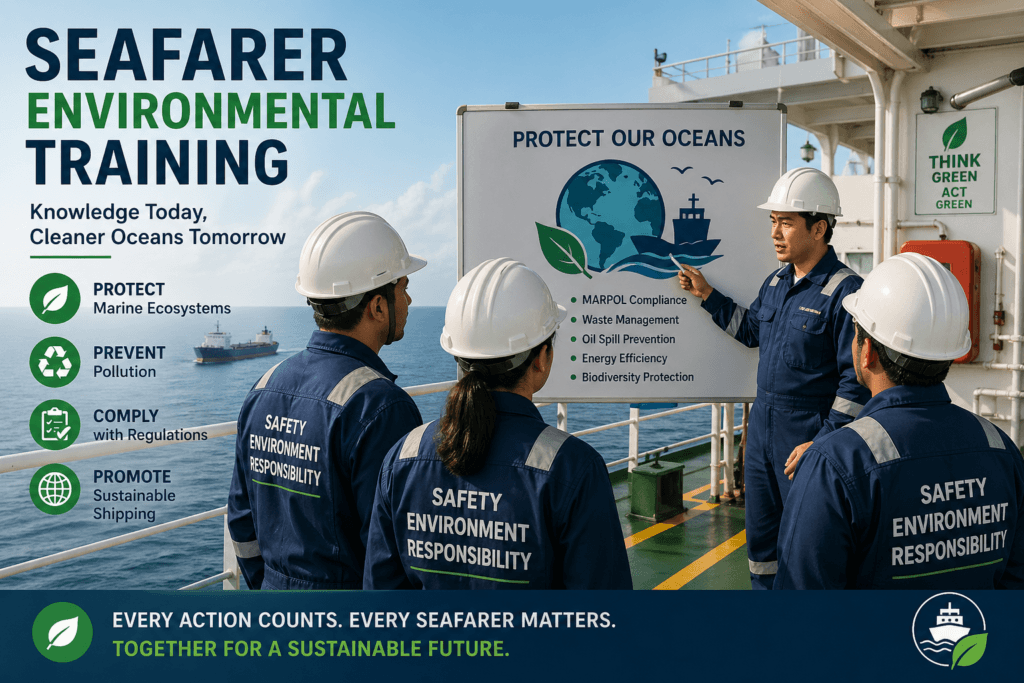
Why Environmental Training Matters for Every Seafarer
Working at sea brings close encounters with a natural world that is both beautiful and fragile. Human activity, especially large scale shipping, can seriously impact marine ecosystems. Even small spills, careless waste disposal, or the wrong type of engine maintenance can have long lasting effects. That’s why online environmental awareness training for seafarers has become such a priority in recent years.
International maritime regulations like MARPOL and guidelines from organizations such as the International Maritime Organization (IMO) set out responsibilities for ships and their crews. But rules alone are not enough. Crewmembers need the confidence and knowledge to follow those procedures, act quickly in emergencies, and foster an onboard culture where protecting the environment feels like everyone’s responsibility rather than an added burden.
Types of Marine Environmental Training
Today, there is a range of maritime crew training for pollution prevention. These programs come in different formats but share a common aim: teaching practical skills that help crews avoid environmental harm. These are some of the main training categories:
- Online Environmental Awareness Training: Digital courses help seafarers understand pollution risks, waste management, and their personal role in keeping the seas clean.
- Environmental Compliance Courses for Ship Officers: These indepth classes focus on how to meet international standards and respond to environmental incidents during voyages.
- Seafarer Sustainability Certification Programs: These certifications can give a boost to a crew member’s career by showing a commitment to best practices and continuous learning in environmental care.
Combining practical lessons, video demonstrations, and interactive quizzes, these programs are better suited to the realities of modern shipping than traditional, lecture based instruction. Many courses use real world examples and updated scenarios to help seafarers apply what they learn to day to day work.
How Seafarers Are Trained in Environmental Protection
Training seafarers in environmental protection starts with clear, real world examples. Instead of only sharing statistics or legal texts, good programs break down what environmental protection looks like day to day on ships. Here are a few ways this training is delivered:
- Interactive simulators put crew in fictional emergency situations, such as an oil spill or a garbage mismanagement event, to test responses in a safe setting.
- Routine drills focus on actual tasks, like wastewater separation and engine room spill prevention, showing how everyday actions add up to real ocean protection.
- Case studies highlight both big disasters and smaller, preventable events, helping trainees see the true impact of seemingly minor mistakes.
I found that onboard mentorship remains one of the strongest tools. New crew members learn directly from experienced colleagues who can demonstrate best practices and explain why they matter. This peer learning creates a sense of shared responsibility and allows for open discussion about challenges encountered at sea.
For example, some ships set up regular environmental workshops or short group meetings. These sessions allow crew to talk through previous incidents, possible improvements, and brainstorm practical solutions to real onboard problems. Over time, regular training helps embed safe habits and creates a lasting onboard culture of environmental respect.
Key Topics Covered in Marine Environmental Courses
Courses aimed at online environmental awareness training for seafarers or environmental compliance for ship officers usually cover similar core topics, including:
- Pollution Prevention: Understanding how oil, sewage, garbage, ballast water, and hazardous cargoes can impact the marine environment, and best methods to minimize risks.
- Environmental Regulations: Detailed guidance on MARPOL Annexes, local port rules, and emerging standards such as those for greenhouse gas emissions.
- Resource Conservation: Strategies for saving energy and water on board, efficiently using fuel, and reducing waste generation. These tips not only help the planet but can also cut operational costs and improve vessel efficiency.
- Incident Response: Steps to take in containable emergencies, such as chemical leaks, accidental discharges, or waste mismanagement. Knowing how to follow response plans quickly is essential for limiting damage.
- Reporting Procedures: When and how to report problems or breaches to officers, shore management, and port authorities. Open communication is often the difference between a minor problem and a major disaster.
Some courses go further with modules on biodiversity, invasive species, and modern tech for monitoring ship emissions. Others include skills in new waste management tech or tracking environmental data using digital platforms.
Common Challenges and Solutions in Seafarer Environmental Training
Training at sea can come with its own set of roadblocks. Internet access is often unreliable, language barriers are common, and schedules leave little time for study. Here are some ways these challenges are tackled:
- Modular elearning: Short, focused lessons help fit training into daily routines, even during offshift or downtime in port. Breaking up the material into small, easy to complete units encourages more regular participation.
- Multilingual resources: Training materials are increasingly available in multiple languages, using clear visuals and audio aids to cross language divides. This helps build understanding no matter what the crew’s background is.
- Blended learning: Combining in person drills with digital coursework balances flexibility and practical skill building. Real time feedback from instructors can reinforce the messages learned online.
- Gamification: Points, badges, and progression rewards make learning engaging and keep motivation high. Leaderboards or small prizes can encourage healthy competition among crew members.
I’ve experienced how these approaches keep the material relatable and easier to remember, especially on busy ships with mixed crews. Making learning both fun and relevant increases retention and helps habits stick.
Onboard Culture and Officer Leadership
Environmental compliance courses for ship officers are designed to lift up those in charge to lead by example. Officers play a big part in setting the tone. When they show a strong commitment to proper waste sorting, prompt spill reporting, and careful resource use, those habits tend to spread across the crew.
Regular toolbox talks, short informal safety and environment meetings, help keep protocols top of mind and encourage feedback from all crew levels. Creating an onboard “green team” can spark friendly competition and reward good habits, like reducing waste or catching unsafe behavior before problems arise.
Benefits of Carrying Out Environmental Training
Environmental training is more than meeting legal requirements. I’ve seen the difference it makes not just for the sea, but also for the people onboard and the shipping company’s reputation. Key benefits include:
- Cleaner operations: Familiarity with environmental science and policy makes it easier to avoid accidental releases and properly handle hazardous substances.
- Career growth: Holding recognized seafarer sustainability certification programs can unlock promotion opportunities and make seafarers more attractive to international employers.
- Reduced fines and downtime: Better trained crews keep ships compliant with regulations, lowering the risk of fines, port delays, or detentions. Losses are avoided and insurance rates stay low.
- Trust from the public: Companies known for good environmental stewardship can secure valuable contracts and community goodwill, which is good for long term business sustainability.
Environmental practices are also linked with improved crew morale. Working within a team that prioritizes safety and the environment increases satisfaction among all ranks.
What to Look For in a High Quality Training Program
Not all marine environmental training programs deliver the same results. Based on my experience, here are things to check when comparing different courses:
- Accreditation: Reliable courses should be approved by shipping authorities or respected certifying bodies like DNV GL or Lloyd’s Register.
- Realistic scenarios: Training should use up to date equipment and current shipping case studies, not just theoretical material. Scenario based modules allow crews to apply what they’ve learned and build confidence handling real life situations.
- Support after training: Tools like onboard posters, instructional videos, or phone helplines support crews after courses finish. Continuing access to resources helps keep knowledge fresh.
- Progress tracking: The best elearning providers give certificates and records to help employers and seafarers maintain and update qualifications. Easy to check trackers let companies know who is up to date.
Careful research helps buyers make informed decisions and ensures crews remain involved over the long haul. Reviews from other seafarers, trial access to courses, and feedback from industry groups can help guide these choices.
Frequently Asked Questions About Seafarer Environmental Training
These are questions I hear most often from both new and experienced seafarers:
How can I access online environmental awareness training for seafarers if I have limited internet?
Answer: Some providers offer downloadable or app based lessons for offline use, so you can study during your downtime and upload completion records when online again.
Why is maritime crew training for pollution prevention so important when my ship already has a Safety Management System?
Answer: Procedures are only effective if everyone understands them. Regular training ensures crew members know both the rules and practical actions to prevent mistakes, so safe procedures are followed, not just written in manuals.
Who needs environmental compliance courses for ship officers?
Answer: These courses are aimed at officers and management level crew, but are becoming popular with ambitious junior officers and senior ratings seeking to move up.
What are the main qualifications involved in seafarer sustainability certification programs?
Answer: These include course completions approved by maritime authorities and assessments that test both knowledge and hands on responses to environmental scenarios.
How can I train seafarers in environmental protection if our ship doesn’t have specialist trainers onboard?
Answer: Use digital training resources and encourage peer to peer learning. Assign an onboard green ambassador or ask future crewmembers to share one lesson learned each voyage to build a supportive learning culture. You can also connect with industry groups for downloadable materials or short video updates.
The Long Term Value of Environmental Training at Sea
The oceans face many threats, from oil pollution and plastic waste to climate change and invasive species. While regulation and enforcement matter, the everyday habits of seafarers carry just as much weight. With online environmental awareness training for seafarers, crew training for pollution prevention, and up to date certification programs, our choices influence not just today’s voyage but the future of marine life. Every effort counts a lesson I’ve carried with me since my very first time at sea. Wrapping up, strong training sets the bar for safer seas and a more sustainable shipping world for generations to come.
This article was created with AI assistance and reviewed by a human editor.





2 Comments
This was a really insightful read. I never realized how much responsibility seafarers carry when it comes to protecting the environment. It’s not just about navigating ships, but also about daily decisions that impact marine life. From what I’ve been learning, proper environmental training, like waste management and understanding pollution risks, plays a huge role in reducing harm to the ocean.
It made me think about how important awareness is, not just for those working at sea but for all of us. Do you think there’s enough emphasis globally on environmental training for seafarers, especially as the industry continues to grow and evolve?
That’s a thoughtful takeaway, and you’re right to connect it to the bigger picture.
I’d say there is a solid framework in place globally, but whether it’s “enough” is still up for debate. Organizations like the International Maritime Organization (IMO) have made environmental training a formal requirement through conventions such as the MARPOL Convention and the STCW Convention. These set minimum standards for pollution prevention, waste management, and fuel management.
But here’s the catch: “minimum standards” don’t always translate to consistent, high-quality training across the industry. Shipping is global, and crews often come from very different training systems and economic backgrounds. Some companies go well beyond compliance with strong sustainability cultures, while others treat it more like a box-ticking exercise.
Another challenge is the industry’s rapid evolution. With new fuels, stricter emissions targets, and technologies aimed at decarbonization, environmental training has to keep up, and it doesn’t always move at the same pace as innovation.
So overall, awareness and regulation are definitely stronger than they used to be, but there’s still room for improvement, especially in making training more practical, continuous, and universally consistent.
Your point about awareness beyond seafarers is spot on, too. A lot of environmental impact is shaped by decisions on land—consumer demand, regulations, and corporate policies all feed into what happens at sea. It’s a shared responsibility, even if seafarers are on the front line of it.
If you’re interested, I can break down what environmental training for seafarers actually looks like day to day; it’s more hands-on than most people expect.