Seafarer Environmental Training is rapidly becoming a key part of working at sea in today’s shipping industry. Over the years, I’ve seen environmental demands grow; crews not only need to meet compliance rules but also deliver real change in their daily work. Marine pollution, responsible waste management, and reducing emissions are now critical issues that everyone in the maritime world discusses. Training now aims to help seafarers build real awareness of their direct impact on the ocean, paired with practical strategies to keep the waters healthier. This guide will show how this training works, why it matters, and what you need to know to get certified or provide effective training on board.
Why Environmental Awareness Matters for Seafarers
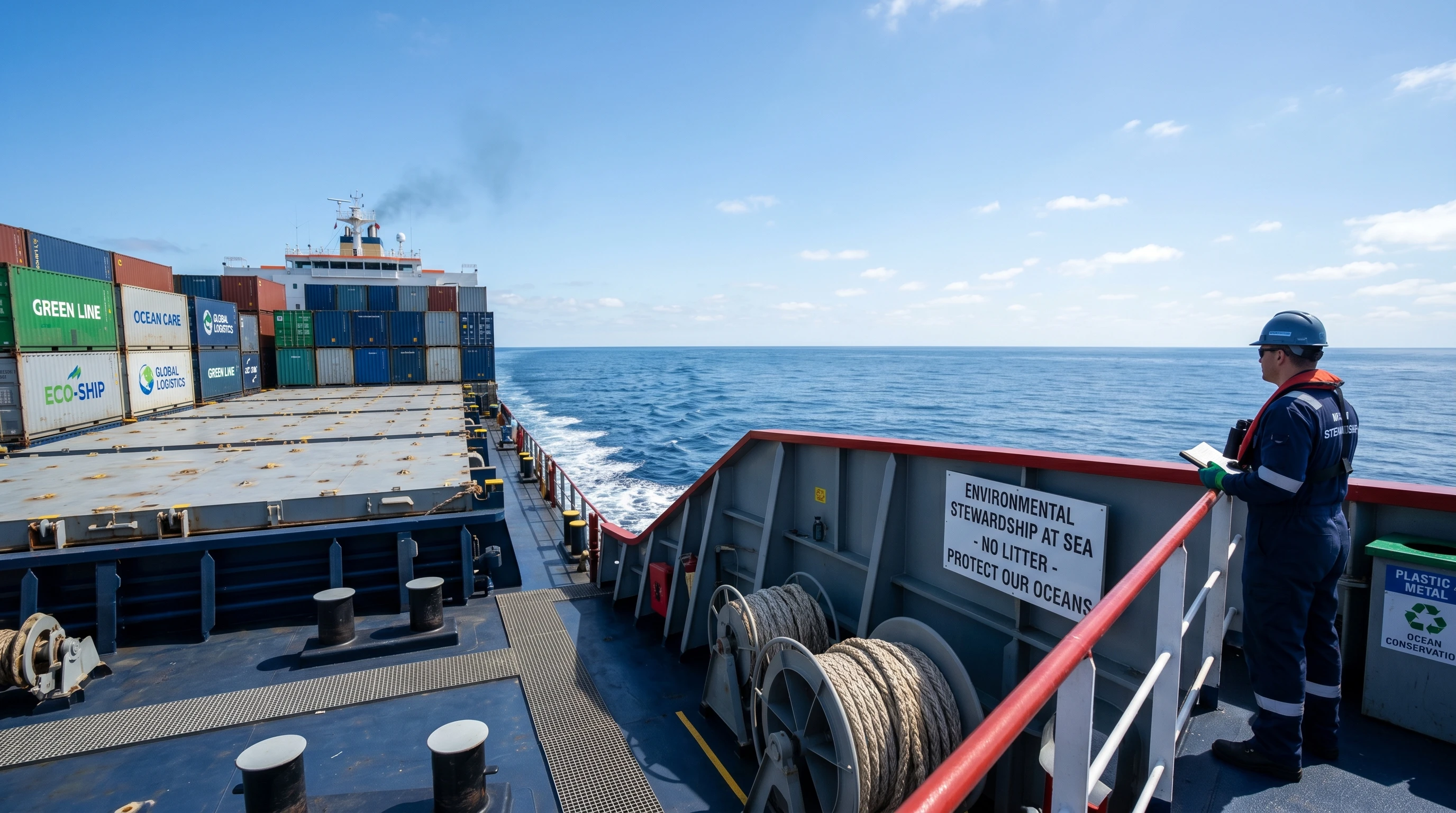
Ship crews spend their working days surrounded by marine life. But it’s often easy to overlook how daily operations impact the environment, oil spills, garbage discharge, and ballast water contamination can all hurt sensitive ecosystems. That’s where Seafarer Environmental Training makes a difference. I’ve found that when crews see the direct link between their actions and ocean health, they start making better choices in their routines, such as cutting back on single-use plastics, handling hazardous substances more carefully, and regularly checking machinery for leaks and spills.
Global rules, especially MARPOL and international conventions from the International Maritime Organization (IMO), are now stricter than ever. Breaking them can mean serious penalties for ships and their owners. Environmental Awareness for Ship Crew helps reduce risks, protects company reputations, and draws people who care about sustainability into the industry.
Core Elements of Seafarer Environmental Training
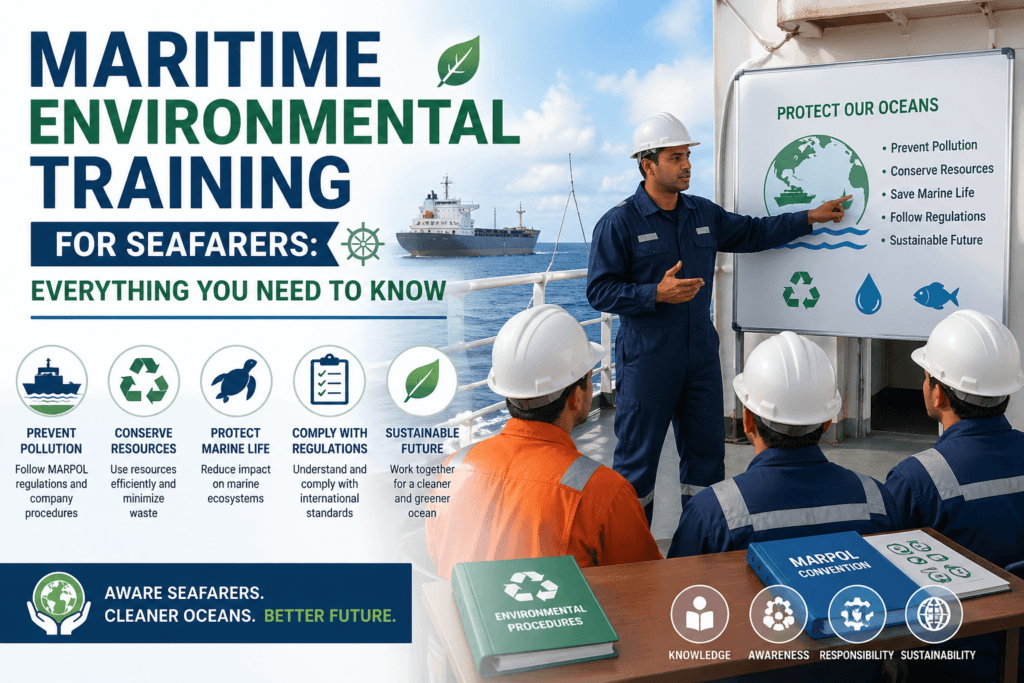
The foundation of strong environmental training is a clear set of topics. Marine Environmental Awareness Training usually covers:
- Understanding Marine Pollution: Real shipboard examples and incidents help seafarers see how pollution events start and what steps prevent them.
- Waste Management at Sea: Detailed guides for sorting, storing, and properly disposing of garbage, sewage, and oily waste, following MARPOL standards.
- Ballast Water Management: Insights into how organisms are transferred between oceans and how proper treatment systems keep this risk low.
- Handling Hazardous Materials: Spotting and properly dealing with chemicals and oils to prevent leaks before they become a major problem.
- Energy Conservation On Board: Hard-hitting but simple ideas like adjusting power use, timing engine runs, and picking the most efficient routes to steadily lower emissions over time.
Seafarer Awareness Course Certification always covers these points through both theory and hands-on practice. This approach ensures each seafarer understands both the “what” and the “why,” building a genuine culture of sustainability at sea.
How to Train Seafarers for the Environment: Tips and Approaches
Practical, active learning makes the biggest difference for seafarers. In my experience, there’s a huge gap between a dull classroom presentation and actually jumping into drills or exercises. Here’s how to make training stick:
- Blended Learning: Mix online modules for easy access anytime—Seafarer Online Training Courses fit well into the busy schedule of a rotating crew.
- Interactive Drills On Board: Practice spill handling, stage waste sorting walk-throughs, or role-play scenarios where choices make a difference to the environment.
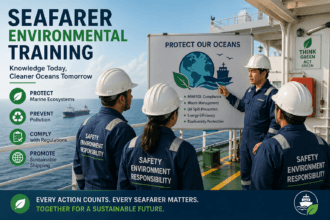
- Visual Reminders: Place posters showing clear do’s and don’ts in shared spaces to keep rules front of mind.
- Regular Toolbox Talks: Host short, focused sessions on the latest incidents and policy updates, always inviting questions and open sharing of concerns.
When several of these are combined, the training is more than a one-off task, it becomes a part of daily shipboard life. The most effective Training for EcoFriendly Seafaring relies on regular reminders, steady improvement, and real engagement from everyone on board.
Seafarer Awareness Course Certification: What to Expect
Thinking about getting certified yourself or for your team? Here’s a typical pathway based on IMO’s Model Course 1.38 and several common programs I’ve seen:
- Online Study Section: Self-paced modules dig into environmental laws, best practices, and detailed case studies.
- Assessment Quizzes: Frequent quick tests to make sure you’re picking up the key points as you go.
- Practical or Simulator Exercises: May include virtual drills or real-world shipboard scenarios that cover everything from oil spills to garbage segregation.
- Certificate Issuance: Successfully completing all parts gets you an official certificate—usually valid for about five years, depending on what the flag state or employer requires.
Refresher courses are becoming standard as rules shift; material is often updated to include lessons learned from new incidents or regulatory changes, so everyone can stay current.
Challenges in Marine Environmental Awareness Training
Even the best-designed training faces obstacles, such as:
- Language Barriers: Crews are very international. Course material should be clear and available in several languages to ensure everyone understands.
- Falling into Routine: Sometimes, seafarers see environmental training as another checkbox. Connecting the lessons directly to daily work and real consequences is key to keeping the team motivated.
- Time Limits on Board: With schedules that change frequently, it’s tough to block out long training periods. Quick, focused online modules help slot learning into busy days.
- Spotty Tech Access: Not every ship has stable internet. Making downloadable or printed versions of training content is essential so everyone gets a fair shot.
Challenging problems need smart solutions. Staying flexible by adjusting schedules, collecting regular feedback, and keeping course material up to date keeps these programs both accessible and useful.
Common Hurdles, Simple Solutions
- Updating Materials: Since rules change fast, stay in touch with up-to-date providers or your ship’s safety officer for new modules and lessons.
- Boosting Crew Engagement: Senior leaders should get involved. When they take part and follow the rules, everyone else follows.
Seafarer Environmental Protection Guide: Best Practices on Board
Nothing beats the effectiveness of strong guidelines paired with training. Here’s what’s worked best for us at sea:
- Clear Waste Segregation System: Ships should have obviously labeled bins and an always-followed process, checked regularly.
- Consistent Maintenance Routines: Daily checks for leaks and fuel usage, fixing minor problems before they grow.
- Encouraging Prompt Reporting: Crew should feel comfortable speaking up about issues so they can be fixed quickly, focus on the solution, not blame.
- Accurate Records: Keep MARPOL logbooks honest and up to date. Good records protect crews during audits and inspections.
- Small Steps Count: Set realistic, regular improvement targets, such as reducing plastic use or increasing recycling, so everyone can see progress and build motivation over time.
Training for Sustainable Shipping: The Future of Environmental Education
These days, sustainability is expected across the shipping sector. Companies that want to stay ahead are investing in Seafarer Training for Sustainability. But this is about more than passing inspections; it helps future-proof seafaring jobs, creates healthier ocean environments, and keeps the industry responsible. With zero-emissions shipping, new fuels, and digital ship management on the rise, everyone will need to regularly update their environmental skills.
In the coming years, I expect online learning and virtual reality (VR) drills to become people’s go-to tools. These new platforms make learning hands-on, fun, and easy to revisit when regulations shift. If you’re interested, check out current Seafarer Online Training Courses from major academies or flag state authorities for curated practice and useful references.
FAQs About Seafarer Environmental Training
Here are some of the most common questions I get on board or from newshore staff, with straightforward answers based on real industry experience:
What does Marine Environmental Awareness Training include?
Topics include marine pollution, properly sorting and disposing of waste, preventing oil spills, safe handling of hazardous materials, and understanding the main rules. It focuses on practical actions you can easily use in daily ship tasks.
How long does it take to get Seafarer Awareness Course Certification?
Depending on the course, it generally takes a day to a week. Certificates are typically issued immediately after passing assessments.
Is Seafarer Environmental Training required for all crew members?
Yes, for most ships working internationally, at least basic environmental training is required for all staff. Officers and dedicated environmental crew may need advanced training, depending on regulations or job roles.
Are online courses accepted for compliance with the Seafarer Environmental Protection Guide?
Absolutely, as long as the course is from a recognized flag state or the IMO. Online programs are now the preferred solution for most global crews.
How can I keep my environmental knowledge up to date?
Register for refresher programs, follow safety or environmental newsletters, or attend toolbox talks and webinars to learn about new rules and trends.
The Ongoing Value of Seafarer Environmental Training
The best crews make environmental care part of everyday work, not just something to check off for audits. With consistent, practical training, everyone learns why even the smallest steps matter. Seafarer Training for Sustainability adds value to crews, ships, and the whole maritime community by keeping oceans healthy and businesses efficient. Environmental Awareness for Ship Crew is always in motion, so staying active with fresh training options is the best way to keep moving marine protection forward.
This article was created with AI assistance and reviewed by a human editor.





2 Comments
This was such a thorough and eye‑opening guide. I really appreciate how clearly you explained not just the regulations, but the real‑world habits that actually make a difference on board. The focus on practical training, daily routines, and crew awareness shows how environmental protection isn’t just a policy — it’s a culture that has to be lived every day.
The section on challenges felt especially honest. It’s easy to forget how diverse crews are and how much language, time constraints, and limited tech access can impact training. Your solutions were simple but powerful, especially the emphasis on consistent reminders and leadership involvement.
Overall, this is a great resource for anyone in the maritime industry who wants to understand how environmental responsibility becomes part of everyday operations.
Thank you so much for your thoughtful feedback; it really means a lot. I’m glad the practical side of things resonated with you, because that’s exactly where real change happens: in the everyday habits and decisions on board.
You’re absolutely right that environmental protection has to go beyond policies and become part of the onboard culture. The human element, training, communication, and leadership, play a critical role, especially on diverse crews where challenges like language barriers and time pressures are very real.
I also appreciate you highlighting the challenges section. It’s important to acknowledge those realities honestly so we can focus on solutions that are actually workable in day-to-day operations.
Thanks again for taking the time to share your perspective!