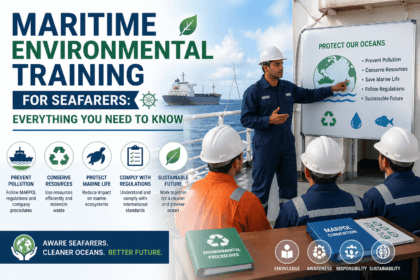
Seafarer Environmental Training is rapidly becoming a key part of working at sea in today’s shipping industry. Over the years, I’ve seen environmental demands grow; crews not only need to meet complia...
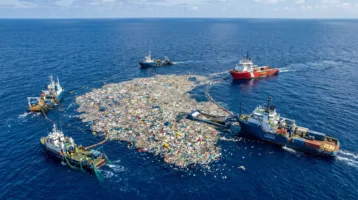
Plastic pollution in the ocean is a massive problem that has touched almost every coastline and waterway around the globe. Every year, millions of tons of plastic waste find their way to the sea. This...



2 responses to “Dealing With Plastic Pollution Solution At Sea”
Plastic pollution at sea is one of the most urgent environmental problems today. I think stronger action is needed from governments, shipping industries, and individuals because marine life and ecosystems are suffering greatly. Education, better waste management, and reducing single-use plastics can make a real difference. Every small effort helps protect our oceans for future generations. What additional steps do you think communities can take to reduce plastic waste before it reaches the ocean?
That’s a really thoughtful point, prevention at the community level is where a lot of real impact can happen.
Beyond reducing single use plastics and improving waste systems, communities can take a few extra steps that are surprisingly effective:
1. Intercept waste before it travels
Installing simple capture systems like storm drain filters, river barriers, or litter traps can stop plastic on its way to the ocean. Many cities have reduced pollution significantly just by targeting these “leak points.”
2. Create local refill and reuse networks
Encouraging refill stations for water, cleaning products, or even groceries helps shift habits away from disposable packaging. Community supported refill shops or pop-up stations can make this more accessible.
3. Organize regular cleanups, but with data tracking
Beach and street cleanups are great, but they’re even more powerful when participants log what they collect. This data can highlight the biggest pollution sources and push local policy changes.
4. Support plastic free local businesses
Communities can promote or incentivize shops that use minimal or compostable packaging. Even small recognition programs (“plastic-smart business” labels) can influence both businesses and customers.
5. Improve sorting and accountability
A lot of plastic waste leaks into nature because of confusion or poor sorting. Clearer labeling, community workshops, and even standardized bins can reduce contamination and increase recycling rates.
6. Encourage school and youth programs
Getting younger generations involved, through school projects, challenges, or eco clubs, builds long term habits and often influences household behavior too.
7. Advocate for local policy changes
Community pressure can lead to bans on certain single-use items, deposit return schemes, or better waste infrastructure. Local action often moves faster than national policy.
The key is combining behavior change + infrastructure + local pressure, when those three align, communities can drastically cut the amount of plastic that ever reaches waterways.