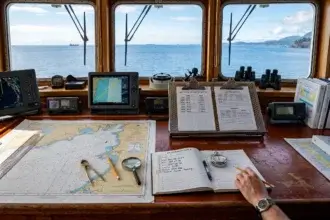
If you spend weeks or months at sea, you already know how demanding shipboard life can be. Time Management for Seafarers is not always straightforward, since routines often shift around watches, tasks, and unexpected situations. Managing time well is one of the most practical ways I’ve found to keep stress under control, stay organized, and protect my own downtime, even when things get hectic out on the water.
Why Time Management Matters at Sea
Time on board a ship runs differently than on shore. Shift work, changing schedules, and long voyages all make it challenging to keep a steady routine. When I manage my time properly, I can handle my job duties more efficiently and still carve out time to recharge. This approach isn’t just good for me. It keeps the ship’s operations running more smoothly, and it helps the whole crew avoid burnout.
Work-life balance is especially tough at sea. The lines between work hours, rest, and personal time can blur fast. Good time management builds a structure into daily life, prevents me from drifting into endless tasks, and reminds me to take breaks so I don’t burn out. There’s real value in making every hour count, both for safety and personal well-being.
Time Management Strategies for Maritime Professionals
I’ve found that simple, actionable strategies work best on ships, where conditions and responsibilities can change daily. Here’s how I approach my schedule so I stay on top of both work and personal tasks:
- Set Clear Priorities: At the start of each watch or shift, I make a quick list of tasks that matter most. Safety checks, maintenance, navigation duties, and paperwork all need attention, but not always at the same time.
- Stick to a Routine. When Possible: Standard watches or shifts are built around routines. I try to eat, work, and rest at regular times, which makes my energy levels easier to predict and maintain.
- Break Tasks Into Blocks: Large tasks get split into small chunks. For example, I set aside 1 hour for machinery checks, then budget another slot specifically for paperwork or cleaning. This prevents multitasking and helps complete things more efficiently.
- Use Alarms and Reminders: Smartphones, watches, or simple alarm clocks keep me on track. Setting alarms for scheduled events or tasks reduces the risk of missing key duties or appointments, even when sleep is short or I’m distracted.
- Respect Rest Periods: Sleep keeps me sharp and safe, and I protect my rest time as much as possible, especially before demanding shifts.
How to Manage Time Effectively at Sea
Managing my time effectively at sea means adapting to changing conditions while still focusing on my core goals. Here’s how I keep on track in unpredictable situations:
- Be Flexible, but Have a Plan: Life on board can change fast. I always set a schedule, but I’m ready to move things around when repairs, weather, or emergencies come up. Flexibility is just as important as planning.
- Use Downtime to Recharge: Even on busy ships, there are shorter periods of low activity. Instead of just scrolling on my phone, I sometimes use that time to review tomorrow’s schedule or prepare gear for the next job.
- Keep Communication Open: Coordinating watch changes, meal breaks, or shore leave with the rest of the crew prevents overlap and miscommunication. I make sure to update others if plans change.
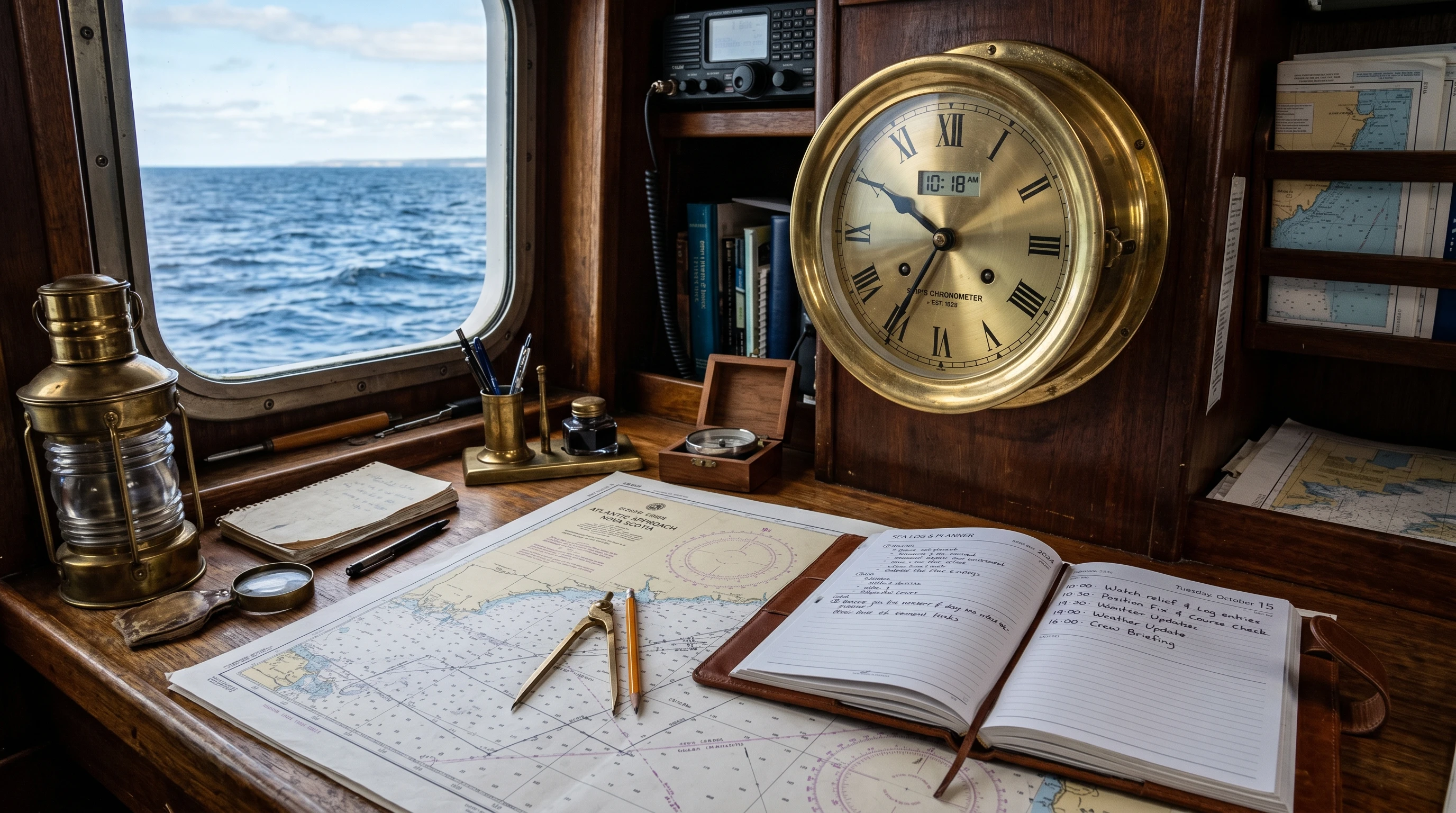
- Write It Down: I keep a simple diary or planner to jot down tasks, shift times, and notes about ongoing projects. Written reminders are much more reliable than memory alone, especially after long hours.
Best Time Management Techniques for Seafarers
Some ship-friendly time management techniques make things easier and less stressful:
- Time Blocking: I divide my day into segments for routine checks, breaks, reporting, and rest. Each chunk gets my full focus for a set period.
- Task Lists: I keep a running to-do list for both urgent jobs and recurring responsibilities. Crossing off completed tasks gives a real sense of progress.
- Countdown Technique: For unpleasant or tedious work, I’ll set a timer and promise myself a break when it runs out. This “just get through the next 20 minutes” method can really help push through hard moments.
- Prioritization: Urgent safety tasks or equipment checks always come first, with less essential tasks added on when possible. Sorting what matters most keeps operations safer and reduces last-minute stress.
Top Time Management Tools for Seafarers
I rely on a mix of traditional and digital tools for time management. Here are some of the best tools that suit life on board:
- Analog Planners: A notebook or printed planner is reliable, doesn’t rely on batteries, and is always on hand to track shifts and duties.
- Phone Alarms and Calendars: Most smartphones come loaded with timer, calendar, and reminder functions that help keep track of meetings, maintenance, or social calls.
- Maritime Specific Apps: Some of the Best Apps for Seafarers. Time Management lets you log your sea time, track compliance checks, share schedules with other crewmembers, and receive alerts about upcoming safety drills or weather changes. Seably and Logmate are both popular among maritime professionals for tracking duties and documentation needs.
- Shared Ship Calendars: Digital calendars can be shared across the ship’s network, making it easy for the crew to coordinate handovers, meal shifts, and maintenance windows.
Seafarers ‘ Work-Life Balance Time Management Tips
Balancing work requirements and personal needs can be tough at sea, but I’ve found a few practical strategies that support mental health and team spirit:
- Schedule Personal Time: Putting breaks, meals, and relaxation time on my planner makes me less likely to skip them, even on busy days.
- Pursue Onboard Hobbies: I’ll try to make room for music, reading, or light fitness in my off-hours. This keeps me energized and helps ease homesickness during longer contracts.
- Stay in Touch with Friends and Family: Even a short message home lifts my mood and helps me recharge. I set aside specific times during port calls or off-hours for these connections.
Mental Health and Downtime
Prolonged time at sea can be draining. Paying attention to my own stress levels, taking advantage of onboard recreational areas, and reaching out to crewmates if things get tough all promote healthier habits. Most ships have a recreation room or library, and using them gives everyone an important mental break.
In addition to these strategies, seafarers should be aware of the signs of stress and fatigue. Keeping an eye out for mood changes, sleep problems, or difficulty concentrating can make a real difference in catching issues early. Sharing experiences with fellow crew or seeking support from ship welfare organizations is a helpful step to maintain well-being on long voyages.
Don’t overlook the value of sunlight and movement. Spending a few moments on deck each day can help regulate your sleep cycle, lift your mood, and energize you for coming duties, even during tough weather or demanding schedules.
Time Management Tips for Long Voyages
Long stints at sea, like transoceanic crossings, present unique challenges. Here’s my go-to advice for handling long voyages:
- Pace Yourself: On a long trip, it’s really important not to burn out early. I focus on getting enough rest at the start and gradually ramp up work if needed.
- Set Small Goals: I break up long projects or routines into weekly or even daily goals. This keeps motivation high and gives frequent wins to celebrate.
- Stay Organized: I keep my bunk and work area neat. Clutter can add to stress, and a quick tidy at the end of each day helps set the right tone for tomorrow.
- Routine Check-Ins: On lengthy voyages, I plan routine check-ins with crewmates to talk about what’s working time-wise and what needs improvement. This team approach helps spot issues and find solutions quickly.
- Embrace Adaptability: Even with careful planning, unexpected situations can happen. Accepting that some days won’t go as planned helps maintain morale and keeps stress from escalating.
Common Questions About Time Management for Seafarers
Here are some questions I often hear from people heading out to sea, along with my take on the answers:
Question: What’s the most effective way for seafarers to manage long hours?
Answer: Build a consistent routine, respect your scheduled duties, and use apps or alarms to stay organized. Avoid skipping meals or pushing through fatigue; rest is part of the job.
Question: Are there specific apps designed for time management at sea?
Answer: Yes. Tools like Seably, Logmate, and even standard apps like Google Calendar can be adapted for shipboard use. These help track schedules, log sea time, and manage compliance tasks.
Question: How do I balance personal time with a heavy workload?
Answer: Schedule downtime like any other duty, set realistic expectations for yourself, and remember that a rested seafarer performs better and stays safer.
Real Life Examples of Better Time Management on Ships
During a two-month voyage, I once found myself juggling multiple roles: watchkeeping, administrative paperwork, and helping with equipment repairs. Using time blocking in my planner, I started allocating fixed daily periods to each task type. My productivity improved, mistakes dropped, and I even found more free time for a nightly walk on deck. Other crew members noticed and began using similar methods, which reduced stress for all of us.
Managing my own time at sea has also helped me when training new crewmates. Teaching them to prioritize urgent tasks, block out downtime, and track tasks on their phones makes their work smoother and keeps team morale up, even during rough crossings or port delays.
Whether you’re a seasoned officer or just getting started as a deckhand, improving your approach to time management means you spend less energy catching up and more energy enjoying the unique experience of life at sea.
This article was created with AI assistance and reviewed by a human editor.