
Regular marine engine checks play a big role in making sure every adventure is smooth, whether you’re setting out for a weekend trip or managing commercial boats.
In my experience, even small routine steps can prevent bigger problems. Following a practical marine engine maintenance checklist helps owners and operators feel confident that their engines will keep running as expected and avoid those unexpected breakdowns.
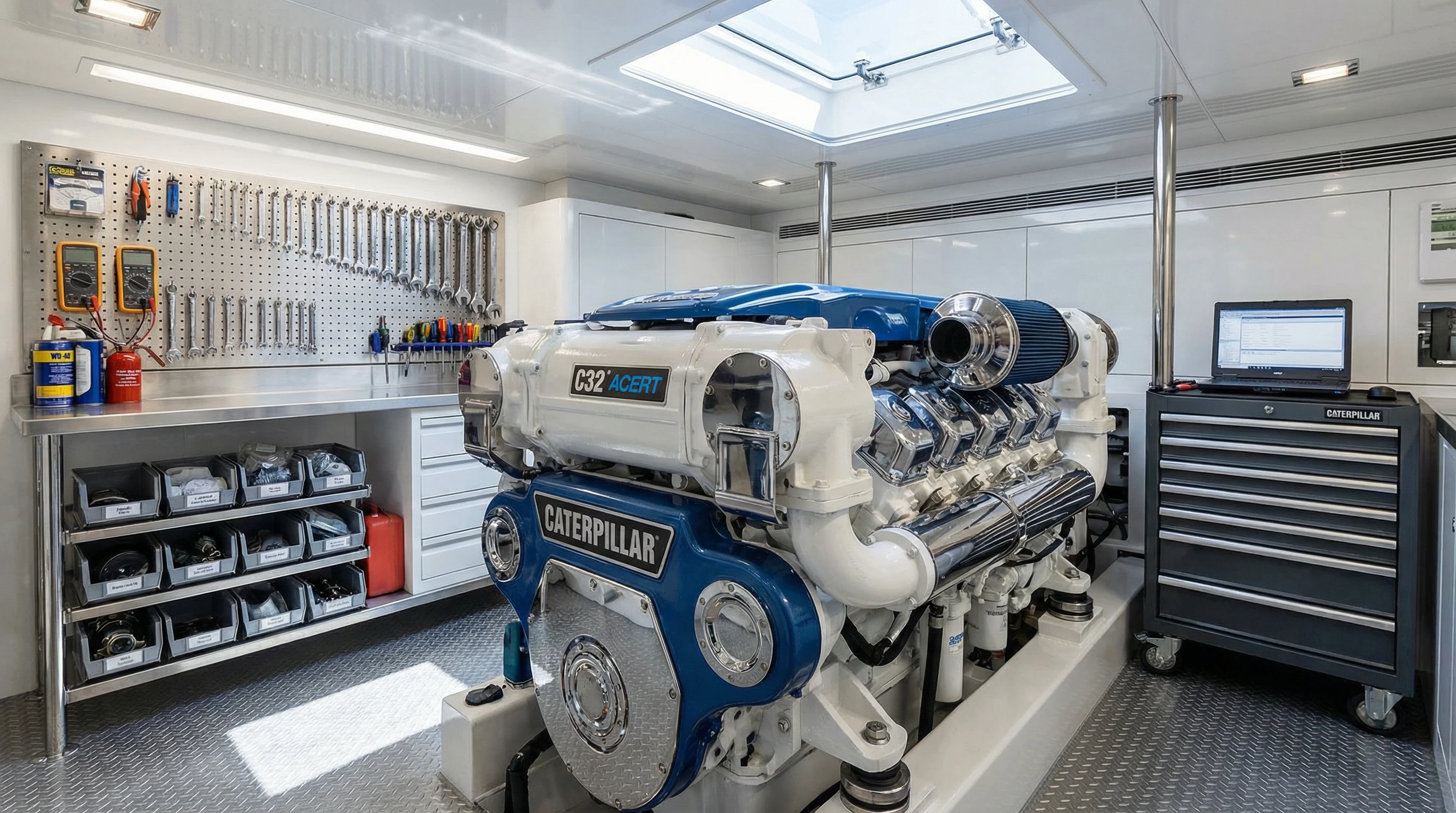
Why Marine Engine Maintenance Matters
Marine engines face tough conditions: saltwater exposure, constant vibrations, and changing workloads. Compared to engines in cars, boat engines deal with more humidity and harsh environments. Following the best practices for marine maintenance not only helps me steer clear of costly repairs but also extends engine life and boosts safety at sea. Surveys by engine manufacturers show regular checks can cut down emergency breakdowns by more than half, which saves both time and money. Plus, a well maintained engine runs more efficiently. I end up using less fuel and reducing emissions, making my trips both reliable and eco friendly.
Understanding the Basics, What Makes Up Marine Engine Maintenance?
When I talk about marine engine maintenance, I’m looking at a series of checks and routine servicing steps that keep the engine’s main components in solid shape. This ranges from oil changes to checking filters and keeping an eye on cooling systems. Missing those regular marine engine diagnostics can mean tiny issues will snowball into major failures. Getting comfortable with a maintenance checklist gives me a structured way to track what needs care and when.
- Oil and Filter Changes: Keeping oil levels right and using fresh filters cuts down on wear and overheating.
- Fuel System Care: Ensuring clean fuel lines and filters helps prevent blockages or contamination.
- Cooling System Checks: Inspecting hoses, coolant levels, and water pumps keeps the engine from overheating.
- Electrical and Battery Health: Testing battery charge and looking for corroded connections make sure I don’t get stranded.
- Inspecting Belts and Hoses: Replacing worn parts before they fail helps keep everything reliable.
Routine Maintenance Checks: The Marine Engine Maintenance Checklist
I rely on a marine engine maintenance checklist to stay organized. Regular checks include daily, weekly, and monthly tasks. It makes no difference what boat size I’m handling. The checklist approach helps me stay disciplined and catch issues before they build up.
- Daily: Check oil and coolant levels, look for leaks, and listen for unusual noises during startup.
- Weekly: Test battery voltage, inspect belts, and make sure all gauges work properly.
- Monthly: Clean fuel filters, check the exhaust system, and lubricate throttle and shift linkages.
- Seasonally or Annually: Replace oil and filters, check valve clearances, and flush the cooling system.
When possible, I keep a maintenance log. This way, I always know when a job was done, which helps with warranty claims and resale value. For commercial vessels, a well kept log might even be required for insurance purposes.
Top Marine Engine Maintenance Tips for Better Performance
Following the best practices for marine maintenance helps engines last longer and run more smoothly. In addition to the basics, here are a few habits I’ve picked up that truly make a difference:
- Warm Up Before Hard Use: Let the engine idle for a short time before ramping up the RPMs. Oil needs to circulate and lubricate all internal parts, especially after long storage or sitting idle.
- Flush the Engine After Saltwater Use: Salt can corrode internal parts, so flushing with freshwater keeps things cleaner. A two minute flush after every saltwater trip helps slow corrosion and keeps cooling passages clear.
- Keep Air Intakes Clean: Blocked intakes undermine performance and efficiency. I regularly inspect and clean air filters and vents, paying close attention after dusty or windy weather.
- Double-Check Alarm Systems: Testing audible and visual alarms is part of my routine. Working systems alert me early to low oil pressure or overheating, letting me act before damage occurs.
- Use Quality Replacement Parts: Cheaper parts might save pennies upfront but usually cost more in the long run. Original or recommended components keep warranties intact and help avoid repeated breakdowns.
These habits, along with regularly tightening hose clamps and checking engine mounts, have saved me trouble and money over the years. They apply whether you’re running a small outboard or a big diesel engine below deck.
Common Marine Engine Problems and How to Avoid Them
Even with consistent care, certain issues pop up again and again on marine engines. Here are a few and my take on keeping them at bay:
- Overheating: Most often due to a clogged raw water intake, low coolant, or a failing water pump. Routinely clearing debris and checking the impeller keeps temperatures stable.
- Hard Starting or Stalling: Old or contaminated fuel, dirty filters, and weak batteries are often to blame. Keeping fuel stabilizer in long term storage and swapping spark plugs seasonally pay off here.
- Unusual Noises or Vibrations: These could signal loose mounts, misaligned shafts, or worn bearings. Early diagnosis through regular checks means smaller, less expensive fixes.
- Excessive Smoke: Blue smoke signals oil burning; black smoke means a fuel overload, while white smoke sometimes means water is entering the cylinders. Paying attention to the color and volume helps me target the root problem right away.
Overheating
I’ve learned that overheating is usually tied to a blocked sea strainer or a stuck thermostat. Cleaning strainers, checking hoses for leaks, and flushing cooling passages help keep temperature in check. If the gauge leans hot, I stop the engine and check these parts immediately, rather than risking serious damage.
Electrical Issues
Corrosion can build up fast on battery terminals and connections, especially in salt-laden air. A little preventive care, like brushing on dielectric grease, helps stave off those problems. I also check charging systems regularly, making sure the alternator is putting out the right voltage for my battery type so I don’t run into issues starting up.
Fuel System Troubles
Keeping water and contaminants out of fuel tanks is critical for smooth engine performance. I use fuel additives to manage moisture and growth, and I check each filter for debris or algae every month. Stale gas is another culprit, so I run engines occasionally in storage or add stabilizer to keep things fresh.
Tools and Products I Keep Handy for Routine Maintenance
Whether I’m a long-time operator or just learning the ropes, a basic marine engine toolkit is a must. I stock it with:
- Socket and wrench sets in both metric and SAE sizes
- Screwdrivers and pliers (needle nose pliers are particularly handy)
- Oil and fuel filter wrenches
- Spare filters, belts, and hoses
- Electrical contact cleaner
- Lubricants and anticorrosion spray
- Portable jump starter and multimeter
A good toolkit helps handle most checks and minor fixes. For tricky problems, having spare parts and fasteners can make the difference between a quick fix and a major headache during a trip.
Questions to Ask When Choosing Marine Engine Maintenance Services
Sometimes a professional mechanic is the best route, especially with diesel engines or for warranty work. When considering marine engine maintenance services, I always ask:
- Are mechanics certified for my type of engine (diesel or gasoline)?
- What does the standard servicing package actually cover?
- Will they provide a written history of work performed?
- Do they use manufacturer-approved parts for repairs and replacements?
- How quickly can they respond to an emergency while I’m out on the water?
Talking with mechanics directly, as well as reading reviews from other boat owners, helps me track down a provider I can trust with my prized vessel.
Real World Examples, How Routine Checks Saved the Day
There’s no substitute for real-life lessons. Once, I found a small coolant leak during a routine check before leaving the marina. Repairing that leak prevented a big breakdown out on open water, something that could have left me stranded far from help. I know another boat owner who detected a failing alternator just by spotting an unusually low battery voltage during routine testing. That simple observation helped him avoid an expensive tow back to port and a ruined weekend.
These stories highlight why I pay close attention to my checklist and make it a habit rather than a chore. The more consistent I am, the less likely I am to run into trouble in the middle of fishing trips, cruises, or work runs.
Frequently Asked Questions
Plenty of questions come up regarding marine engine maintenance. Here are some of the most common with my thoughts added in:
Do I need to stick to the same maintenance schedule for a new engine as for an older one?
Answer: New engines have a break in window and sometimes different intervals early on. After that, following a consistent marine engine maintenance checklist keeps both new and older engines humming.
How often should I check coolant and oil levels?
Answer: Check before every outing. If you’re out for multiple days, do a daily once-over to stay safe and avoid surprises.
How do I know if it’s time to replace a belt or hose?
Answer: Look for cracked, frayed, or unusually soft spots. Catching these signs early during routine checks helps you avoid major repairs or sudden breakdowns.
What’s the difference between scheduled maintenance and regular diagnostics?
Answer: Scheduled maintenance covers set intervals like oil changes and major services, while diagnostics are those more frequent, visual, or operational checks you do routinely to spot small issues.
Are all maintenance products the same across different engine brands?
Answer: Usually not. Manufacturers recommend specific oils, coolants, and filters. I never mix different brands unless I’m sure it won’t risk my warranty or damage my engine.
Final Thoughts on Routine Marine Maintenance
Consistent maintenance checks help keep my boat running reliably, and they offer peace of mind every time I set out on the water. Whether I’m boating for fun or on the clock, sticking to a thorough marine engine maintenance checklist has paid off with smoother trips and fewer headaches. Picking up a few best practices and teaming up with marine engine maintenance pros when needed lets me truly enjoy my time on the waves, knowing my engine is ready for whatever comes next.







2 Comments
Great overview! Your checklist approach makes marine maintenance feel systematic instead of overwhelming.
I especially like how you tied small daily habits to real-world saves; that’s exactly how costly failures are prevented.
The mix of DIY vigilance and knowing when to call certified techs strikes the right balance.
Anyone running in salt or heavy-duty conditions will appreciate the practical, experience-backed advice.
Thank you so much for the thoughtful feedback! I’m really glad the checklist format resonated with you, that was exactly the goal, turning something that feels overwhelming into a clear, repeatable system.
You nailed it, most major failures really do trace back to the small, consistent habits. A few minutes of daily attention can save thousands in repairs (and a lot of downtime).
I also appreciate you pointing out the DIY vs. certified tech balance. Preventive vigilance is powerful, but knowing when to bring in trained eyes, especially in salt or heavy-load environments, can make all the difference in long term reliability.
Thanks again for taking the time to share your thoughts!