Ships propulsion mechanisms affect almost every aspect of how vessels move, carry cargo, and stay efficient on the water.
With changes in regulations, fuel costs, and emission standards, choosing and understanding the right propulsion system is a crucial decision for ship owners and marine engineers. I’ve spent a lot of time working around ships and studying how each propulsion type fits a particular task. This overview brings together the essentials of ships propulsion mechanisms and shows how new technologies are shaping what’s on the horizon.
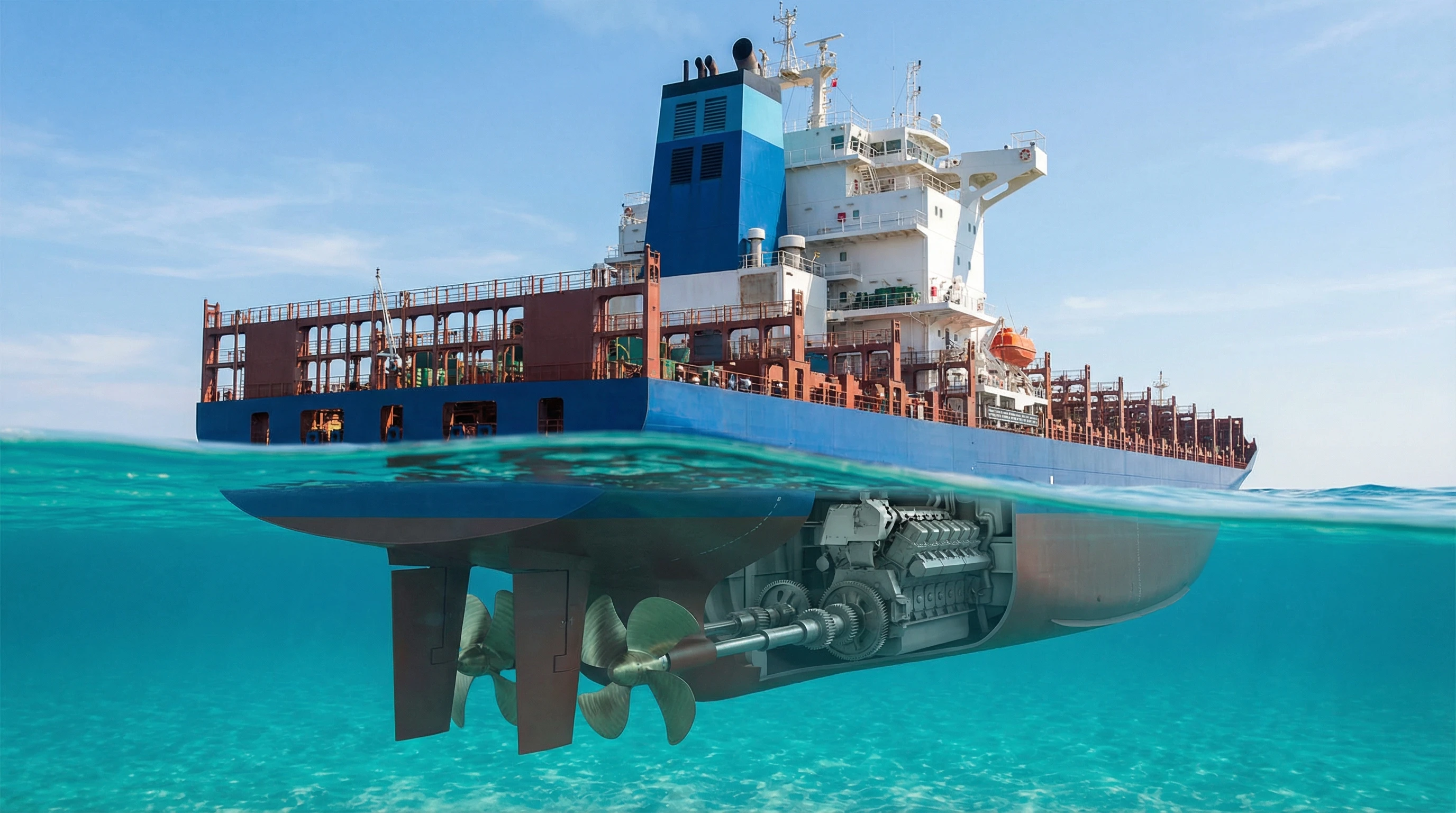
Ships Propulsion Mechanisms Overview
Ship propulsion refers to the system that generates the force needed to move a ship through water. This generally involves an engine or motor, a transmission system, and a propulsor (like a propeller or waterjet). The main goal of any propulsion system is to turn fuel or energy into thrust as efficiently as possible. Selecting the best propulsion method depends on the ship’s purpose, size, cargo requirements, and compliance with environmental rules.
Historically, ships moved with wind (using sails) or human power (rowers). During the Industrial Revolution, steam engines and, then, internal combustion engines changed maritime travel. Today, ships rely on a variety of traditional and advanced technologies, all with a focus on cutting emissions and stepping up ships propulsion efficiency for 2026 and beyond.
Main Types of Ship Propulsion Mechanisms
The most common ship propulsion systems are mechanical (diesel engines and steam turbines), electrical (diesel electric or fully electric), and more recent hybrid approaches. Here’s a breakdown of systems most commonly seen in commercial and cargo shipping environments:
- Diesel Engine Propulsion: The diesel engine powers the shaft connected to a propeller. This setup remains popular for its reliability and high efficiency, especially on long voyages.
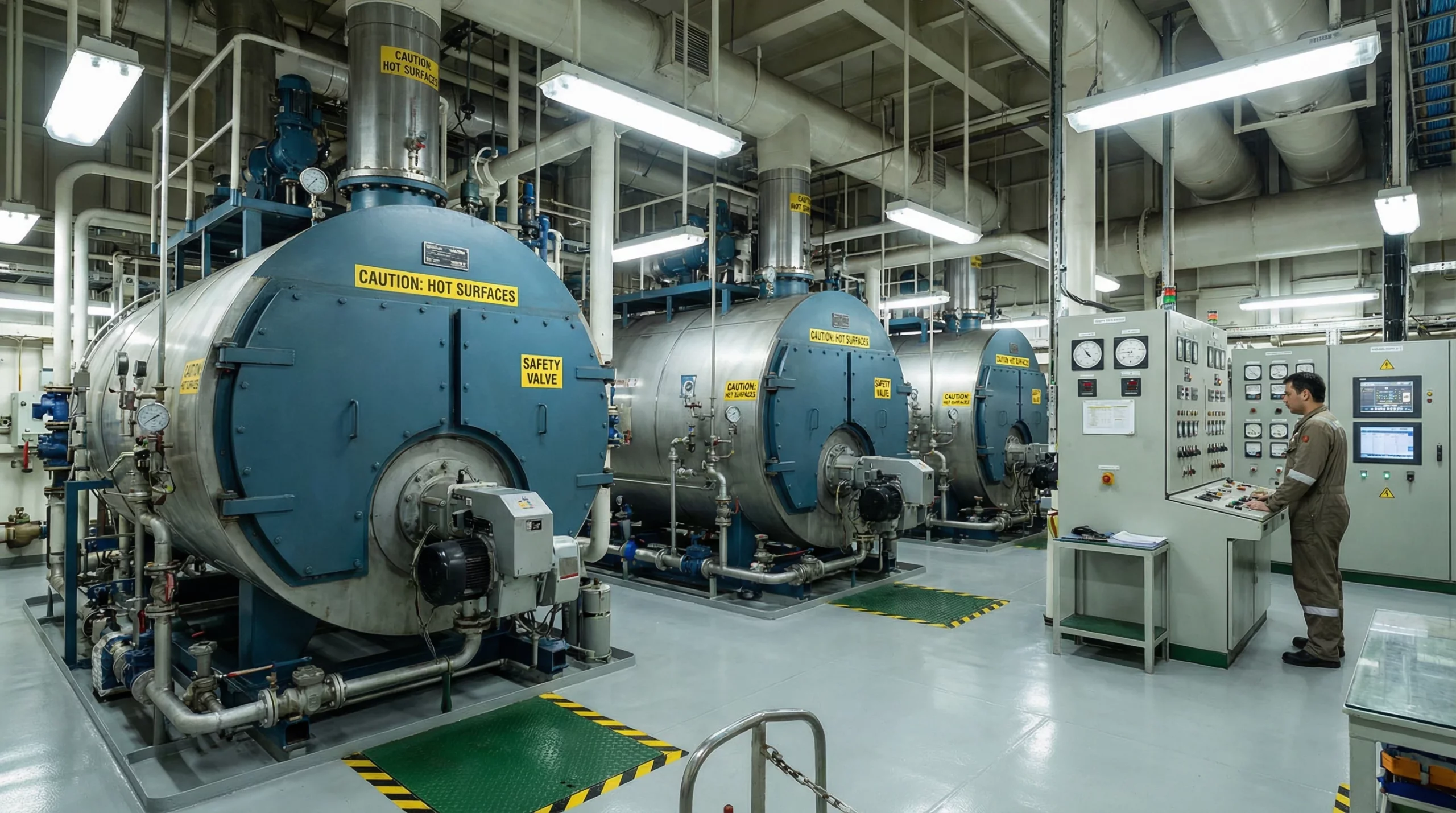
- Steam Turbine Propulsion: Less common today, but still relevant for certain older and specialized vessels. Steam produced in boilers spins a turbine, which moves the propeller shaft.
- Gas Turbine Propulsion: Gas turbines are lighter and can deliver strong power, but they usually consume more fuel than diesel engines. These are often used on high-speed ships like naval vessels and some ferries.
- Diesel Electric Propulsion: Diesel generators produce electricity for electric motors that turn the propeller. This setup allows for flexible placement of engines and ensures engines run at their best load, which can give a boost to ships propulsion efficiency.
- Pure Electric Propulsion: Batteries or fuel cells power electric motors directly. Pure electric ships are emerging mostly for short distances due to current battery limits.
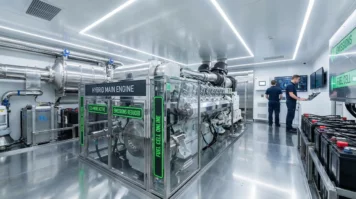
- Hybrid Propulsion: A mix of power sources such as diesel and batteries. Hybrid setups can lower consumption during slow speeds and tight maneuvers.
- Alternative Propulsors: Includes azipods, waterjets, and air cushion systems. These make the ship more agile, and they’re commonly used in cruise ships and ferries.
Key Components of Ships Propulsion Systems
Every propulsion system is made up of crucial components:
- Main Engine or Motor: The main source of mechanical or electrical power for propulsion.
- Transmission: Takes power from the engine to the propeller. This is often done with a gearbox or direct drive.
- Propeller or Waterjet: Converts spinning energy into forward motion.
- Control Systems: Adjust engine speed, propeller pitch, and thrust direction for easier handling.
From my perspective, knowing how these parts work together is essential when comparing top rated ship propulsion systems or setting up maintenance schedules. Each one affects how trustworthy, costly, and fuel-hungry a system can be.
Top Propulsion Methods for Cargo Ships
Cargo ships need solutions that are reliable and budget-friendly. Most cargo vessels stick with diesel engines because they combine proven performance, a global service network, and compatibility with multiple fuel types (like blends with biofuels). Below are the leading propulsion options for cargo ships:
- Slow Speed Two Stroke Diesel Engines: These giants are efficient and directly drive the propeller shaft. That means fewer moving parts, lower gear losses, and easier upkeep. I’ve witnessed these engines working well for years with careful maintenance.
- Diesel Electric: Some newer cargo ships use diesel electric setups to unlock better fuel savings and engine flexibility, which matters especially for icebreakers or ships that need to maneuver in tight spaces.
- Hybrid Systems: The blend of diesel power and battery packs is gaining traction in feeder ships and oil tankers. Several studies I’ve come across show these help cut emissions in port and during slow operations.
The biggest factors cargo operators weigh are efficiency, fuel supply, long term dependability, and how well they can meet shifting international emission standards.
Ships Propulsion Systems Comparison
Each propulsion system brings its own pros and cons. I find direct diesel engines are half the battle for long-range reliability and budget management, but electric systems add flexibility and, with advances in clean energy, could lower emissions. Here’s a direct comparison of several systems using key criteria:
| System | Efficiency | Emissions | O&M Requirements | Typical Vessels |
|---|---|---|---|---|
| Diesel Direct | High | Moderate | Simple, proven | Cargo ships, bulkers |
| Steam Turbine | Moderate | High | Regular, complex | Older tankers, LNG carriers |
| Gas Turbine | Low to Moderate | Low (with gas) | Specialized | Naval vessels |
| Diesel Electric | Moderate | Low to Moderate | Flexible, complex | Cruise, icebreakers |
| Hybrid/Battery | Varies | Low | Emerging tech | Ferries, shortsea cargo |
Challenges in Ships Propulsion Technologies
Picking a propulsion system has become more involved than before. I often see buyers factor in environmental rules, what fuels are available, and global route needs. The main hurdles are:
- Fuel Costs and Supply: Fluctuating fuel prices can quickly change operational costs. New options like LNG or methanol aren’t always easy to find at every port.
- Compliance with Emission Standards: IMO regulations cap emissions, so it’s necessary to buy engines that meet or exceed rules for greenhouse gases, NOx, and SOx.
- Maintenance Demands: Advanced systems like hybrid or all electric designs require different skills or parts inventories than traditional setups.
- Upfront Costs: Newer propulsion systems need more investment at the start, though many pay off thanks to later fuel savings and maintenance benefits.
A little homework helps ship buyers sort through the options, especially if they’re lining up multiple ships for replacement or upgrade.
New Technologies in Ship Propulsion
The industry is seeing fast-moving changes. Here are some standout new technologies making a splash in ship propulsion:
- Alternative Fuels: LNG, hydrogen, ammonia, and methanol all bring different benefits. LNG already sees use, offering reduced emissions, while hydrogen and ammonia are being tested for future shipping lanes.
- Fuel Cells: These create electricity via chemical reactions, mostly with hydrogen for now, resulting in zero emissions. They are being piloted on ferries and research ships.
- Battery and Hybrid Electric: Better batteries are giving ships more range, especially ferries and coastal craft. On some ships, batteries handle activity in port and switch to diesel for open sea.
- Wind Assist Technologies: Modern sails, vertical rotor sails, and kites are being put on cargo ships to draw some power from the wind and let engines work less.
- Innovative Propulsors: Azipods, rim driven thrusters, and waterjets offer upgraded ship handling and can give a boost to efficiency, especially for cruise and offshore ships.
Updates and modifications based on these ideas can stretch a ship’s service life and help line up with tighter emission rules for 2026 and beyond.
Understanding Ships Propulsion Efficiency (2026 and beyond)
Ships propulsion efficiency measures how well any propulsion setup turns energy into actual push. Industry standards I’ve followed show that losses from mechanical parts, the shape of the hull, and the type of propeller all affect the outcome.
Effective ways to pump up efficiency:
- Clean and polish propellers regularly to cut back drag.
- Install devices like pre-swirl stators or propeller boss cap fins to save energy.
- Consider hybrid or electric systems to use less fuel, especially while docking or in calm waters.
- Use weather routing tools that map out the best possible path.
Modern cargo ships increasingly rely on real time tracking to analyze and boost their fuel use. By 2026, I expect even bigger gains as data, automation, and fresh propulsion tech spread through the industry.
Future of Ship Propulsion Technology
The maritime sector is under growing pressure from both rules and customers. The future of ship propulsion technology clearly leans toward greener, smarter setups. Industry experts and working groups highlight a few main trends on the horizon:
- More Alternative Fuels: LNG, ammonia, and hydrogen are getting attention. Each brings new handling and storage challenges, but ports worldwide are improving infrastructure to help with these fuels.
- Growth in Electric and Hybrid Systems: Shore power and batteries are getting bigger roles, especially on rivers and short routes, with technology evolving and battery costs dropping.
- Digital Twin & Automation: Detailed digital copies of ships make predictive maintenance possible, keep costs down, and shrink emissions footprints.
- Wind and Solar Help: Sails and kites are coming back in a high tech form, and solar panels now help power onboard systems.
Ship owners are more interested in trying out prototypes and working together on pilot projects, thanks to new incentives and increasing international focus on cutting emissions.
Top Rated Ship Propulsion Systems: What to Look For
When sorting out which propulsion system to choose, I zero in on the ship’s routine operation, main route, upfront and life cycle costs, and regulatory concerns. The best-rated ship propulsion systems usually include:
- Steady fuel economy across different speeds and load levels.
- Easy access to skilled mechanics, spare parts, and dependable tech support from the supplier.
- Built-in flexibility for fuel changes or stricter future rules.
- Consistent results while docking and dealing with rough seas.
- Emphasis on total life span costs, not just purchase price.
Based on my own time working with ships, the real value shows up when decisions match both immediate and projected needs for the fleet.
Frequently Asked Questions, Ships Propulsion Mechanisms
Question: What’s the most efficient ship propulsion method right now?
Answer: Slow speed two stroke diesel engines remain the most efficient for large cargo vessels. On short, coastal trips, electric and hybrid-electric options deliver impressive results.
Question: Are alternative fuels like LNG or hydrogen available everywhere?
Answer: LNG is being supplied at more ports, but hydrogen and ammonia are still in the early days for marine fuel distribution. Mapping your fueling points ahead of time is crucial for newer systems.
Question: Will fully electric ships replace diesel engines soon?
Answer: For now, all electric ships work best with ferries and short runs. Diesel and diesel electric hybrids still run long-haul and heavy cargo for the foreseeable future while battery technology catches up.
Question: What should shipowners consider for 2026 emission rules?
Answer: Check over your fleet efficiency, study up on new propulsion options, and keep an eye out for fuel supply changes in your ports of call. Smart upgrades and fresh tech investments will help hit the new emission targets while opening the door to more flexibility.
Real World Applications and Personal Observations
I’ve seen container companies update ships with new propeller styles and hybrid engines to trim fuel bills and cut pollution. Local ferry services are adding battery-electric drives for a quieter ride and lower costs. In the long run, the success of new propulsion tech depends on matching the ship’s real-world job and the reliability of fuel delivery systems. My own experience shows there’s no “one size fits all” yet, but the clear trend is toward cleaner, smarter, and more flexible propulsion choices.
For anyone in the shipping field, keeping up with ship propulsion updates and using thorough ships propulsion systems comparison tools pays off. Whether you’re building something new or fixing up the old, smart planning leads to savings and keeps the fleet ready for whatever new rules come next.