Working on a ship isn’t just about steering, finding your way, or running engines. It’s a full-on team effort where everyone needs to be in sync. Teamwork skills training shows up for every maritime crew, and for good reason. Whether you’re on a cargo ship, a passenger ferry, or a fishing vessel, strong teamwork keeps everything running smoothly, keeps people safe, and helps avoid those small problems that can turn into big issues on the water.
Why Teamwork Means So Much Aboard Ships
Ships are basically floating cities that rely on tight collaboration to function. No single person can handle everything, especially when you’re dealing with unpredictable weather, complex processes, and the need for nonstop operations. Best maritime teamwork practices aren’t just formalities; they are the routines and habits that set apart crews that thrive from crews that just scrape by.
Maritime team dynamics often get tested when things are going sideways, like equipment failures or heavy storms. This is when you really see how effective teamwork for ships can make the difference between a close call and a true emergency.
A solid crew builds trust, communicates well, and is willing to back each other up. It’s about making an environment where no one feels left out or uninformed, and where everyone knows their role inside and out.
Main Elements of Strong Maritime Teamwork
Good teamwork doesn’t happen by chance. It takes consistent effort, practice, and sometimes a bit of formal training. Some of the main elements that matter most include:
- Clear Communication: Misunderstandings can lead to expensive mistakes or even injuries. Using standard maritime language, holding regular check-ins, and issuing clear orders really make a difference.
- Defined Roles and Responsibilities: When everyone knows their job, tasks get done faster and safer.
- Trust and Dependability: Crew members need to know they can count on each other in tough times.
- Problem Solving as a Group: The crew that comes together to work through issues finds solutions faster and learns in the process.
- Practicing Feedback: Giving and accepting constructive feedback helps everyone step up.
Getting Started with Teamwork Skills Training
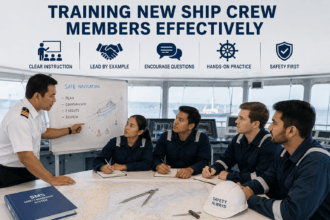
Training for maritime crew teamwork isn’t always formal, but certain courses and drills help build a foundation. Most seafarers will experience fire drills, man overboard practices, and simulated machinery breakdowns. These routines are designed not only to prepare for emergencies but to shape how people work together so their response is automatic even when the heat is on.
A quick look at some basic teamwork training options for crews:
- Bridge Resource Management (BRM) training: Focuses on safe navigation, clear communication, and the use of all available resources to keep human errors to a minimum.
- Engine Room Resource Management (ERM): Similar to BRM, but for engineering teams who keep the ship’s systems going strong.
- Team-building exercises: These might occur during port stops or safety weeks—simple challenges unrelated to ship operations that help build trust and understanding among crew members.
Training isn’t just for emergencies; it’s part of the fabric that holds the crew together. Even small group activities, such as joint planning or shared troubleshooting, help everyone work more as a unit and less like scattered individuals. The more a crew practices these routines, the more natural and trustworthy their teamwork becomes.
Building Effective Team Communication in the Maritime Industry
Team communication in the maritime world involves much more than yelling across the deck or using radios. It’s about established routines, using agreed-upon hand signals, double-checking instructions, and even reading body language. With multinational crews, language barriers are pretty common, so it’s crucial to develop habits that keep info moving no matter who’s on watch.
- Closed-loop communication: When someone gives an order, the other person repeats it back. This catches mistakes before they cause issues.
- Briefings and debriefings: At the start and end of shifts, talking through what went well and what didn’t keep everyone on the same page and encourages learning.
- Clear documentation: Logbooks, checklists, and written procedures help when words get lost or misunderstood. Having these written records makes the standards clear for everyone.
Maritime Crew Collaboration Techniques Everyone Can Use
Working together on a ship goes beyond simple tasks. Here are some practical ways to support strong collaboration among crew members:
- Job Shadowing: Letting new or less experienced crew members observe and assist more senior colleagues during tasks helps them learn quickly and builds respect across ranks.
- Peer Teaching: Crew members passing on tips and best practices about equipment, navigation, or maintenance creates a culture of sharing and lessens overreliance on one expert.
- Task Rotation: Regularly switching up who takes on certain roles (under supervision) builds flexibility and resilience within the team. Everyone becomes better equipped to handle surprises.
- Standard Operating Procedures (SOPs): Adhering to agreed routines keeps the crew acting as a unit rather than as separate individuals.
By mixing up tasks and sharing what they know, seasoned seafarers and new recruits both get to grow and pitch in when needed most. These habits turn a group of co-workers into a tight crew.
Using Maritime Team Performance Metrics
Tracking how well a team works together isn’t as simple as counting containers or miles, but it’s just as useful. Some maritime team performance metrics to keep an eye on include:
- Incident response times: How quickly the crew can muster or solve a problem shows how smoothly things are running.
- Audit scores: Ships are inspected regularly for safety, training, and communication—the reports lay out strengths and areas for improvement.
- Feedback surveys: After main drills or long voyages, anonymous surveys help spot communication gaps or morale dips.
- Turnover and retention rates: High turnover can indicate issues with teamwork or leadership. Low turnover usually means things are working.
Tools That Make Crew Teamwork Easier
Technology has made a big difference in crew collaboration over the past decade. Even on smaller ships, digital tools and apps are pretty handy for:
- Scheduling shifts and sending reminders
- Documenting daily tasks and procedures
- Language translation for multinational crews
- Sharing updates and important safety memos
Digital logbooks, cloud checklists, and ship chat tools keep information flowing, even when ships cross time zones or swap out team members frequently. Crew members can use their smartphones or tablets for quick updates or to access emergency protocols.
Common Teamwork Challenges for Maritime Crews (And How to Handle Them)
Working together on a ship throws up some unique hurdles. Here’s a look at a few common ones and how to handle them:
- Language Barriers: These can be tricky, but using standard phrases and closed-loop communication can make things run smoothly. Many crews also make good use of translation apps and clear visual signs to avoid misunderstandings.
- Fatigue and Shift Work: Tired people make more mistakes and can get short-tempered. Making sure everyone takes breaks, swaps shifts fairly, and checks in on each other helps everyone keep sharp and in good spirits.
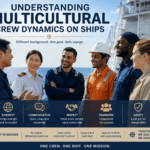
- Cultural Differences: Mixed-nationality crews bring diverse work habits. Regular group activities and clear codes of conduct set expectations up front and nip issues in the bud.
- Isolation and Morale: Long rides far from shore can be tough mentally. Planned downtime, movie nights, and shared meals help keep spirits up and boost teamwork.
Real World Example: How Teamwork Saved the Day
I remember a story about a sudden engine failure off the Singapore Strait. The crew’s regular safety drills paid off big time. Everyone got right to their stations, updates flowed over the radios, and the engineers fixed things fast. It wasn’t luck; it was the trust and habits built through regular teamwork. On a ship, teamwork isn’t just a buzzword. Sometimes, it can make all the difference.
Leveling Up: Advanced Teamwork Training for Maritime Crews
If you’re looking to go a step further, lots of maritime training institutions now offer courses that jump into the deeper side of teamwork and communication. These sessions often focus on:
- Leadership and decision-making under pressure
- Cross-cultural communication skills
- Risk management in group settings
- Conflict resolution and handling emergencies calmly
Online simulations and virtual reality have begun appearing in training programs, allowing crew members to practice tough situations before facing them in real life. More companies are staying on top of best teamwork practices by sending teams to skill-up sessions every few years.
Programs also emphasize emotional intelligence and stress management—recognizing and managing feelings on board helps prevent small disagreements from turning into real conflict. Investing in advanced training keeps crews ready for the unexpected and shows commitment to a safer, more reliable work environment.
Practical Takeaways for Maritime Teams
- Focus on communication first. Double-check that you’ve truly been understood.
- Make feedback part of everyday ship life.
- Cross-train crew members so no one is irreplaceable.
- Track performance not to blame, but to uncover ways to do better together.
Frequently Asked Questions
How important is formal teamwork training on ships?
Very important. On smaller vessels, informal learning can cover most gaps, but on larger ships with larger teams, structured teamwork training builds consistency and keeps standards high from the deck to the engine room.
Are there quick fixes for poor communication in a crew?
No instant fixes, but focusing on closed-loop communication and regular check-ins can fix most issues quickly. Don’t hesitate to call a quick team meeting if things seem out of step.
Can technology replace regular team meetings or drills?
No. Technology is a great backup for keeping records or reminders, but nothing replaces the hands-on learning and trust built through in-person drills and briefings.
How can I tell if my crew’s teamwork is working well?
Look for clean handovers, fewer mistakes, and team members who volunteer to help. Teamwork works if people talk openly and issues are handled early, before problems build up.
Final Thoughts on Maritime Teamwork
Strong teamwork on ships isn’t automatic. It takes regular, intentional work, clear conversation, openness to learning, and the occasional boost from outside training or tech tools. Even the best crews never stop looking for ways to crank up their skills, from improving communication to rethinking daily routines. If you’re part of a crew and want to keep things reliable and safe, investing a little extra effort into teamwork pays off every single time you leave port.
This article was created with AI assistance and reviewed by a human editor.