

Motivating ship crew performance shapes the success and safety of any vessel. My time working at sea has shown that a motivated crew improves daily routines, follows protocols more consistently, and s...

Working on a ship isn’t just about steering, finding your way, or running engines. It’s a full-on team effort where everyone needs to be in sync. Teamwork skills training shows up for every maritime c...

Working at sea brings its own set of risks and responsibilities. Making safety a priority is really important for every seafarer, regardless of experience or role onboard. Over the years, I’ve s...
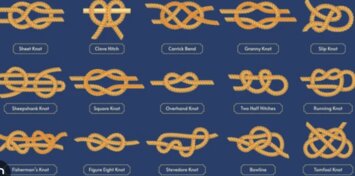
Seafarers rely on knot tying techniques every day, whether managing sails, securing cargo, or handling emergencies at sea. Knowing how to tie knots for sailing keeps the crew and vessel safe, makes ta...



4 responses to “Seafarer’s Guide to Essential Knot-Tying Techniques at Sea”
This is such a clear and essential guide, the step-by-step instructions and photos make it incredibly practical for both new and experienced seafarers. I especially appreciate you including the specific use-cases for each knot; it really helps to understand not just the ‘how’ but the crucial ‘why’ behind mastering them. This is a fantastic resource I’ll definitely be sharing with my friends who sail!
Thank you so much for your thoughtful comment! I’m really glad to hear the guide was helpful and that the explanations behind each knot resonated with you. Knowing why a knot is used can make all the difference out at sea. I truly appreciate you sharing it with your fellow sailors — that means a lot! Fair winds and smooth sailing to you and your crew!
I’ve always been curious about sailing, but I haven’t had much hands-on experience. I never realized how critical knot tying is for safety and efficiency on board. The way you explained each knot’s purpose and its real-world applications helped me understand that knot tying is more than just a technical skill; it’s a form of preparedness.
I’m particularly interested in the bowline and the round turn with two half hitches. Do you think these are the best knots for a beginner to start with? Also, how long did it take you to feel confident tying them in low light or under pressure?
Thank you for your thoughtful comment — I’m so glad to hear the explanation helped highlight the importance of knot tying beyond just the technical side. You’re absolutely right — it’s very much a form of preparedness and confidence-building on the water.
The bowline and the round turn with two half hitches are excellent starting points for beginners. They’re both versatile, reliable, and frequently used in real sailing situations. I’d recommend practicing them slowly at first, focusing on consistency and understanding why each step matters — that makes it easier to perform them automatically later.
As for tying them under pressure or in low light, it took a few weeks of regular short practice sessions before it felt second nature. Repetition is key — even five minutes a day can make a big difference.
You’re already approaching it with the right mindset, and that’s half the journey. Keep at it, and you’ll be surprised how quickly muscle memory takes over!