
Nutrition tips for seafarers can make a big difference in how I feel and perform during long voyages. Spending weeks or months at sea comes with its own set of challenges, especially when it comes to eating well. I’ve spent a lot of time talking to fellow mariners, consulting with ship cooks, and checking out research on what actually works onboard. This guide shares everything I’ve learned about healthy meals for long voyages and keeping energy levels steady while far from shore.
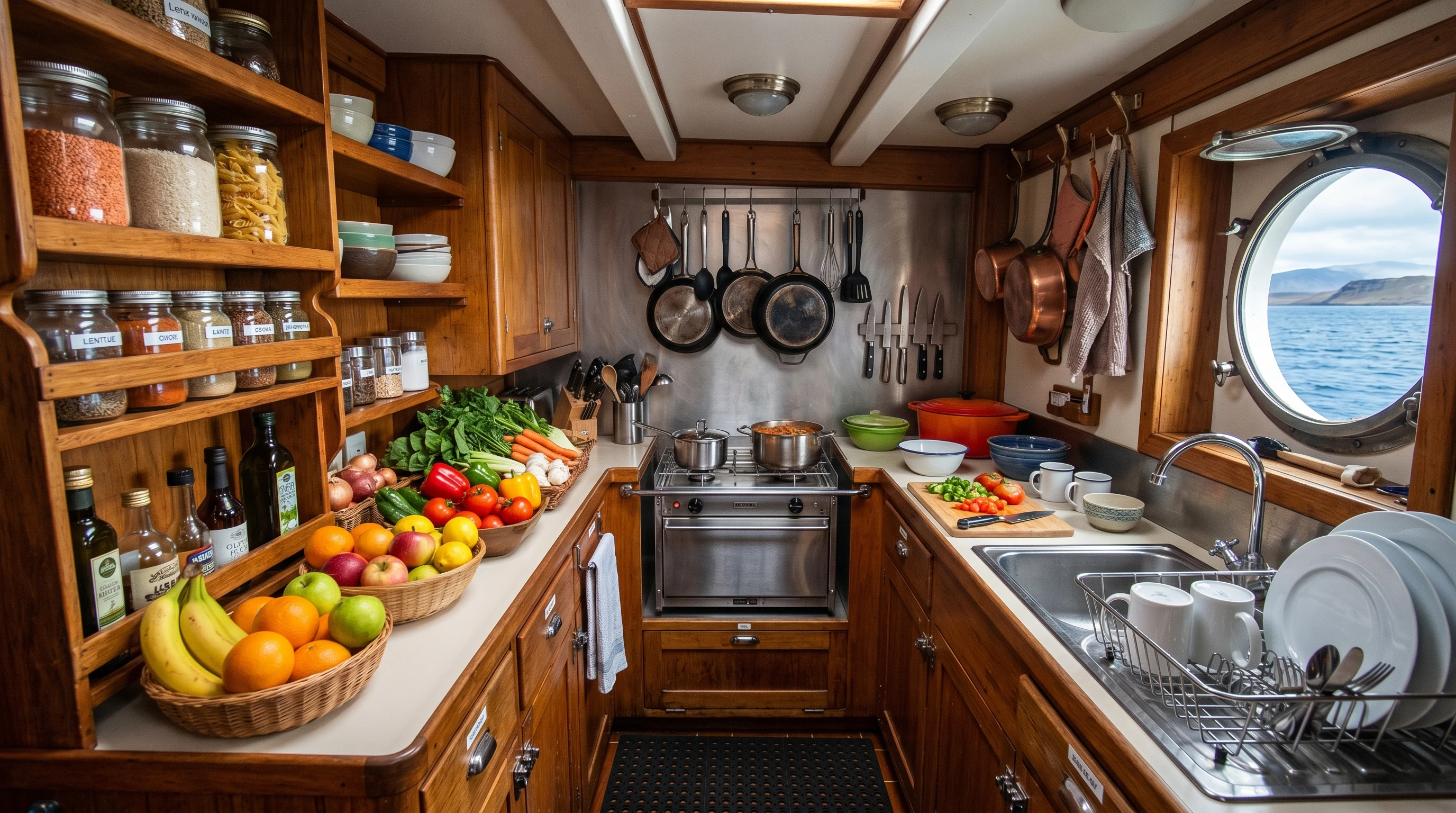
Understanding Nutrition Challenges for Sailors on Ships
Life at sea is very different from life on land, including how I get my meals. The limited space, unpredictable weather, long hours, and stretches without fresh food can all impact what I eat. I notice that relying only on processed foods makes me feel sluggish or bloated after a few days. At the same time, storing and preserving food can be tricky, and fresh produce isn’t always available.
Modern ships are equipped with freezers, canned goods, and sometimes hydroponic systems. But there are still weeks when I can’t get basic fresh items. Salted and tinned foods are common. This sometimes means battling bland or repetitive menus. I always try to find ways to get balanced nutrition even when choices are limited.
Key Nutrition Tips for Seafarers
Focusing on practical, smart eating helps me feel my best on long trips. The following nutrition tips for seafarers form the foundation of my daily habits, even when conditions are tough or the menu is monotonous.
- Eat Regularly and Don’t Skip Meals: Long or irregular shifts often throw off my appetite, but I try to eat at set times as much as possible. Not skipping meals keeps energy steady and avoids overeating later.
- Balance Carbs, Protein, and Fat: I look for a mix of rice or bread, protein (like fish or beans), and healthy oils with every meal. Too many starchy foods without enough protein don’t fill me up for long.
- Include Fruits and Vegetables: When we have fresh produce, I grab it early because supplies run out fast. I also make use of canned or frozen vegetables to avoid missing out on essential vitamins.
- Watch Out for Excess Salt: Ships often serve preserved foods, so sodium can add up quickly. I use herbs, lemon, or vinegar to add flavor instead of always reaching for the salt shaker.
- Stay Hydrated: Drinking enough water is super important on the ocean, especially during hot shifts or physical work. I keep a refillable bottle with me and try to avoid excessive coffee or soda, which can actually cause dehydration.
- Limit Sugary Snacks and Drinks: High-sugar treats are tempting, but too many make my energy spike and crash. I enjoy them sometimes, but mainly as a treat and not my go-to snack.
Building Meal Plans for Long Sea Journeys
Planning meals before a voyage has helped me avoid a lot of problems later, like running out of favorites or eating the same thing every day. Healthy eating habits for sailors start with smart preparation before the ship even leaves port.
When designing meal plans, I focus on rotating the menu so I don’t get tired of the same dishes. Mixing up proteins such as fish, chicken, beans, and eggs keeps things interesting. I also plan meals that use ingredients in several ways. For example, leftover chicken from dinner can become part of a lunchtime salad or sandwich the next day.
Working with the galley team or cook to map out realistic meals based on what’s available on board means no nasty surprises when it’s mealtime. I leave space in the schedule for theme nights or special treats. This boosts morale and gives the crew something to look forward to.
Packing Essentials for Healthy Meals
Some items always make it easy for me to stick to nutrition advice during long sea trips. I pack or request the following whenever possible:
- Plenty of canned beans, chickpeas, lentils, and fish (like tuna or sardines)
- Oats or wholegrain cereals for breakfast
- Long-lasting vegetables like carrots, cabbage, and onions
- Frozen fruits and vegetables
- Eggs, which last several weeks when refrigerated
- Wholegrain rice, pasta, and bread
- Herbs and spices for flavor
- Healthy oils (olive or canola oil)
- UHT milk or plant-based milk for extended shelf life
Best Snacks for Seafarers: Quick and Healthy Ideas
Shipboard snacks can either boost my energy and mood or leave me feeling tired and sluggish. The best snacks for seafarers are those that are nutrient-dense and easy to store, but also tasty enough to keep me away from candy bars day after day.
- Nuts and Seeds: Almonds, walnuts, pumpkin seeds, and sunflower seeds are filling and packed with healthy fats and protein.
- Dried Fruit: Apricots, raisins, and prunes are good for a sweet tooth and full of fiber. I check the labels for options without added sugar.
- Canned Fruit in Juice: These can be a good option when fresh isn’t available. I use them for snacks or as a topping for cereal.
- Wholegrain Crackers and Cheese: These are easy to store and make a satisfying, portable snack.
- Energy Bars: Not all are created equal. I choose bars with natural ingredients and limited added sugar.
- Rice Cakes and Peanut Butter: Lightweight and shelf-stable, this is my go-to quick snack for long watches.
- Roasted Chickpeas or Beans: Seasoned and baked until crunchy, these make a great alternative to chips.
Between watches and duties, I like to keep a stash of these snacks handy. They not only help keep my energy levels up but also stop unnecessary trips to the galley for junk food. For special occasions or just to break up the routine, preparing a mix of nuts and dried fruit can make a satisfying trail mix. Even adding a few dark chocolate chips for morale can make a difference on a tough day.
Quick Nutritious Meals for Sailors: Making it Work in the Galley
Preparing food in a small galley kitchen with shifting supplies and moving seas can be challenging, but I’ve learned a few tricks for whipping up quick nutritious meals for sailors. These meals rely on shelf-stable or frozen ingredients but always have enough variety and flavor to keep hours at sea enjoyable.
- Stirfries: Frozen or canned vegetables, tofu, or fish tossed with soy sauce and served over rice is easy and quick.
- Frittatas: Eggs, cooked vegetables, and cheese baked or fried in a pan. Good for breakfast or even as an evening meal.
- Hearty Soups: Lentil, bean, or chicken soups can be made from scratch or pumped up with extra veggies from the freezer.
- Wraps and Sandwiches: Using tuna, beans, avocado, and any vegetables I can find, wrapped in a tortilla or stuffed in bread.
- Oatmeal Bowls: Oats with milk, nuts, seeds, and fruit for a filling and customizable breakfast.
- Rice and Beans: Simple yet packed with protein and fiber, especially when spiced and paired with a side of veggies.
I’ve also found it’s helpful to cook in batches. Preparing extra servings ensures there are leftovers for the next meal, saving cooking time and guaranteeing there’s always a healthy option available, even during a busy shift or in unexpected weather.
Healthy Eating Habits: Overcoming Common Nutrition Challenges for Sailors
After many voyages, I’ve come to appreciate small changes that add up over time. I focus on routines and habits that build a foundation for better energy and mood on longer trips. Here’s what has worked best for me:
- Set Eating Routines: Ship schedules can be irregular, but sticking to consistent meal times whenever possible helps my body stay regulated.
- Sit Down and Enjoy Meals: Eating while rushing between duties impairs digestion. Sitting down for meals, even if they are short, improves how I feel.
- Portion Control: With unlimited bread and pasta available, it’s easy to overeat. Paying attention to portion sizes avoids sluggishness.
- Get Creative: Using spices, sauces, and leftovers in new ways goes a long way toward beating menu boredom.
- Rotate Crew Members in Kitchen Duties: Getting everyone involved brings different flavors and traditions to the menu and keeps meal planning fresh.
Managing Limited Fresh Produce
One of the hardest parts of nutrition advice during long sea trips is dealing with the shortage of fresh fruit and vegetables. I stock up right before departure and eat the more perishable foods first, such as salad greens and berries. Heartier produce like apples, citrus, carrots, and cabbage can last several weeks if stored properly. Using cool, dark storage areas and checking produce regularly to cull anything that’s starting to go bad helps preserve the rest longer.
Frozen produce is a good backup for stirfries, soups, and side dishes. Canned vegetables are not my favorite, but rinsing and seasoning them helps improve their taste and lower their salt content.
Getting Enough Fiber and Micronutrients
White bread, white rice, and instant noodles are popular on board, but they don’t provide much fiber. I seek out wholegrain options when possible, add beans or lentils to meals, and grab dried fruits or nuts as snacks. If the menu is missing key nutrients, a multivitamin from home is sometimes a good safety measure, especially for longer trips. It’s also important to look for fortified foods like cereals or UHT milk, which can help provide vitamins when produce is limited.
When possible, boost meal nutrition with homemade sauces made from tomato paste, garlic, and spices to add both flavor and micronutrients. Even a little fresh parsley or dried seaweed sprinkled on top of dishes can pump up the overall value without needing large amounts.
Advanced Tips: Keeping Morale and Nutrition High at Sea
Once I had the basics down, I turned my attention to little ways to keep spirits and nutrition high. The crew’s mental health improves significantly when meals are more than just fuel.
- Create Food Traditions: Sharing a meal for a holiday, cook-off, or themed night gives everyone something special to look forward to.
- Plan for Treats: A stash of dark chocolate, instant coffee, or favorite snacks helps boost motivation on a tough day.
- Share Healthy Recipes: Swapping ideas with other sailors has helped me build a list of easy, healthy, and popular recipes with the crew.
- Organize Group Breakfasts or BBQs: Every once in a while, organizing a group breakfast, pancake morning, or BBQ on deck (when weather allows) can lift the mood and encourage everyone to eat better together.
It’s also a good idea to make meals a social time, even for just a few minutes, to foster a sense of community on board. Meals are often the one time when everyone pauses and connects, which is just as valuable to mental health as the nutrients themselves.
Frequently Asked Questions
Common questions come up every time I join a new voyage or talk to new crew about healthy eating at sea. I keep these in mind when planning and sharing advice.
Question: How do I avoid getting bored with meals on a long voyage?
Answer: Mixing up how ingredients are used, rotating menus, and using herbs and spices keeps the diet more interesting. Meal swaps between crew and occasional special meals also help a lot.
Question: What can I do if I feel tired or run down from the same foods?
Answer: Adding fruits or vegetables whenever possible, drinking more water, and choosing more whole grains and protein can prevent fatigue. Sometimes taking a daily multivitamin is a good idea, especially if fresh options are missing for a long time.
Question: How can I prevent weight gain during long voyages?
Answer: Watching portion sizes and balancing high-carb foods like bread or pasta with plenty of vegetables and protein works well. Staying active, even with a short daily walk or workout routine on deck, also helps me maintain my weight and stay healthy.
Question: What’s the best way to stay hydrated at sea?
Answer: Bringing a refillable water bottle, drinking water often, and limiting sugary or caffeinated drinks is key. Flavored water or herbal teas add variety when plain water gets dull, and reminders on my phone make it less likely I’ll forget to drink enough.
Real-World Examples and Useful Resources
Many shipping companies and organizations now recognize that providing healthy meals for long voyages saves money and improves safety by reducing illness. Some supply companies offer meal kits or planning services for vessels, and the International Maritime Health Association shares dietary recommendations for seafarers on its website (imha.net).
Sharing tips with crew and discussing meal planning with the ship’s cook or catering staff before departure gives me more control over what I eat, even if space and storage are limited.
The International Transport Workers’ Federation also has tips and fact sheets on cookery at sea that I find helpful (itfglobal.org).
Solid nutrition helps me stay alert, positive, and physically fit throughout any trip, even on the roughest waters. With careful planning, the right attitude, and willingness to experiment, it’s possible to eat well at sea. No matter where or how long the voyage, a bit of planning and creativity goes a long way toward making shipboard nutrition better for everyone.
This article was created with AI assistance and reviewed by a human editor.