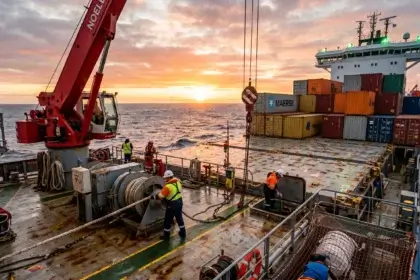
Motivating ship crew performance shapes the success and safety of any vessel. My time working at sea has shown that a motivated crew improves daily routines, follows protocols more consistently, and s...
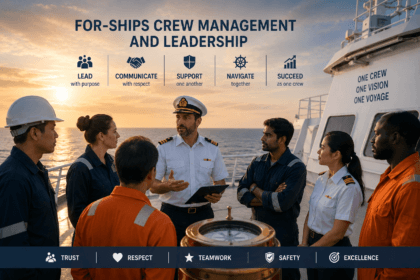
Effective ship crew communication isn’t just about tossing orders across the deck or sending quick messages from one end of the vessel to the other. It forms the heart of daily operations, helping eve...
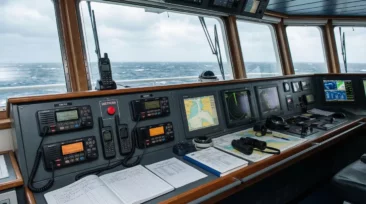
Emergency communication at sea is super important for safety. Being able to quickly and clearly share urgent information during a crisis can mean the difference between a safe outcome and disaster. My...



2 responses to “Emergency Communication Protocols At Sea”
Emergency communication protocols at sea are essential for safety, helping mariners quickly alert others and coordinate rescue when emergencies occur. By using standardised distress calls, reliable tools like VHF radios and EPIRBs, and following international guidelines from the International Maritime Organisation, crews can reduce confusion and speed up response times. Regular training, drills, and well-maintained equipment ensure these systems work effectively when they are needed most.
Well said. Effective emergency communication can make the difference between a manageable incident and a major disaster at sea. Standardised procedures and equipment only work if crews are properly trained and confident in using them, so regular drills and maintenance are just as critical as the technology itself. Following IMO guidelines helps ensure a coordinated, timely response when every second counts.