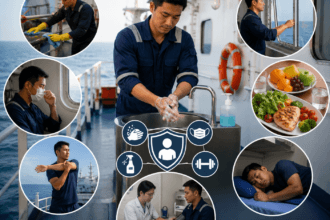
Creating strong substance use policies for seafarers is something I care about because life at sea is a unique workplace experience with specific risks. Seafarers face long stretches of isolation, stress, fatigue, and sometimes boredom, all while operating heavy equipment or steering through hazardous waters. The combination of high-risk tasks, limited resources, and communal living means that the effects of drugs or alcohol can have immediate and serious consequences, not just for the individual, but for the safety of the entire crew and the environment. That’s why I think every shipowner, maritime manager, and sailor needs to understand the critical role of substance use policies and awareness in supporting a safe and healthy shipboard culture.
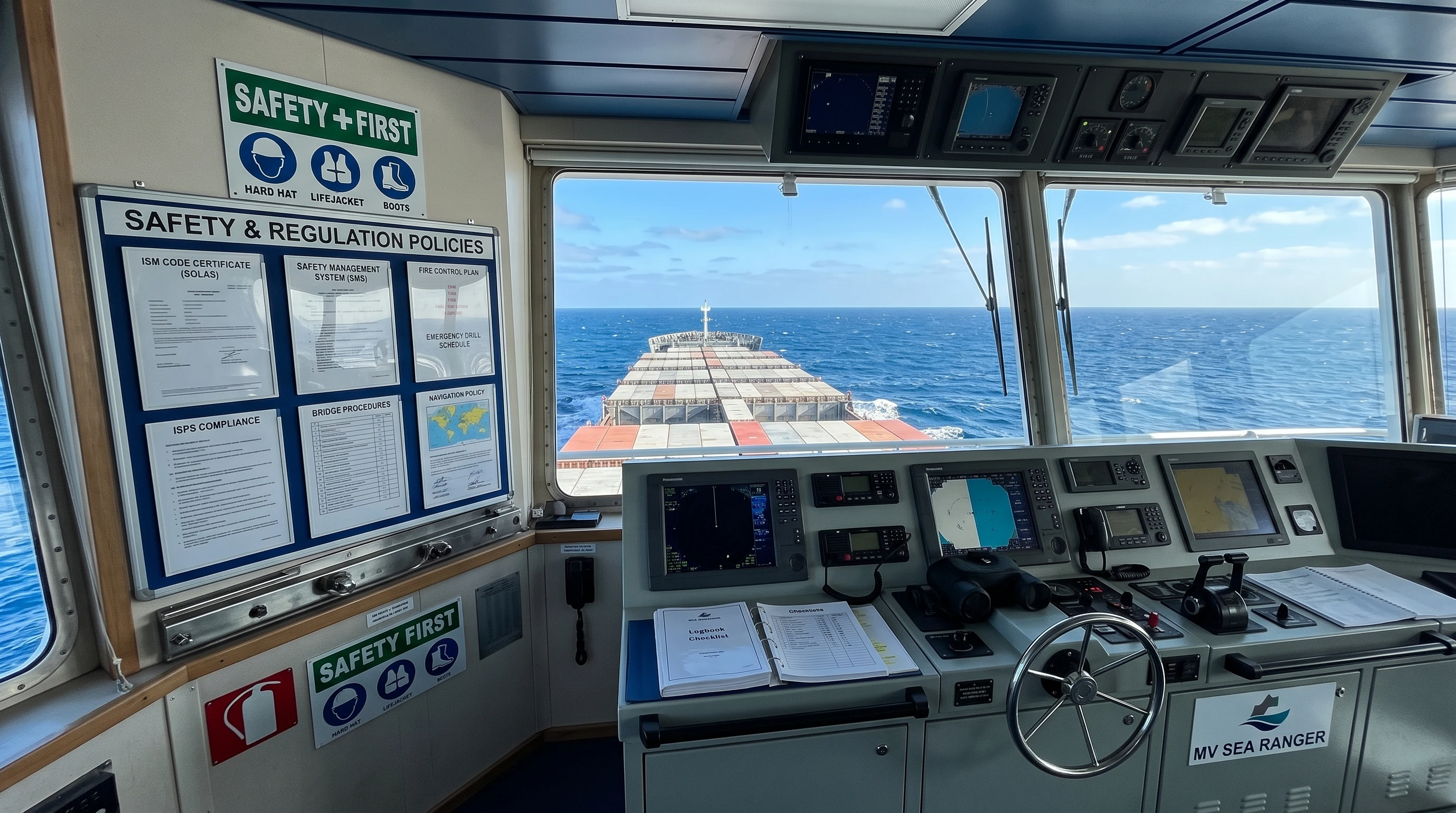
Why Substance Use Policies for Seafarers Are So Important
Seafarers work in environments where even small mistakes can have huge impacts. Tasks like navigating, cargo handling, machinery operation, and emergency response all demand clear minds and quick reflexes. Substance use interferes with these abilities and increases the risk of accidents, spills, equipment breakdowns, or even collisions at sea. Research shows that maritime incidents linked to substance use often involve not just harm to the individual, but to the vessel, cargo, and the world’s oceans.
International shipping relies on trust in seafarers’ professionalism. This trust is built on robust substance use policies, supported by global conventions and enforced by employers worldwide. When crews know the risks and understand the rules, everyone on board, as well as those ashore, is safer. Substance use policies also help protect companies from legal claims, insurance issues, and reputational damage. From my point of view, a clear policy isn’t just a compliance box to check; it’s a daily necessity for safe operations at sea.
Overview of Drug Testing Policies in Maritime
Drug testing is built into the seafarer employment process. Most maritime employers and manning agencies have structured programs for:
- Preemployment testing. Carried out before joining a vessel to make sure no illicit substances are in the candidate’s system.
- Random testing. Conducted regularly at sea or in port, with crew chosen by a random process to reduce bias.
- Postincident testing. Required whenever there’s a serious accident, injury, or nearmiss onboard.
- Periodic/repeat testing. Done at routine intervals to reinforce policy and bridge the gaps between other types of testing.
These procedures follow international legal frameworks:
- IMO (International Maritime Organization), via conventions like SOLAS and ISM, which require safety management including crew fitness and awareness.
- ILO Maritime Labour Convention 2006. Calls for medical fitness and welfare standards, including drug and alcohol controls.
- STCW (Standards of Training, Certification, and Watchkeeping). Sets minimum alcohol limits and addresses fitness for duty.
- Flag state rules. Many flag administrations set stricter standards, including lower alcohol thresholds or more frequent testing.
In practice, this means seafarers are regularly screened for substances like alcohol, opiates, cocaine, amphetamines, marijuana, and synthetic drugs. Each employer must explain testing protocols, frequency, and the consequences of positive tests. The key is transparency and respect for privacy, while still making clear that any breach has realworld outcomes for career, safety, and the wider shipping operation.
Substance Abuse Prevention for Seafarers: Early Intervention and Support
Prevention always beats cure, especially in a shipboard setting. I’ve seen the difference that a supportive environment can make for crew who might be struggling. Substance abuse prevention is about more than testing; it includes early identification and helping individuals before problems get out of control. Important prevention tools include:
- Early intervention protocols. Training officers and senior crew to spot changes in behavior, mood, or performance that may point to substance abuse.
- Confidential reporting channels. A way for crew to safely report worries about themselves or colleagues without fear of retaliation. This might be through a helpline or a confidential email.
- Shipboard welfare support. Offering access to medical staff or trained welfare officers who can assist or direct seafarers to support when needed. This includes brief counseling sessions, peer support, and designated welfare spaces onboard where crew can decompress without stigma.
Employers can encourage a culture where seeking help isn’t seen as weakness. Crews who trust that management cares about their health are much more likely to step forward at early signs of trouble. An added benefit of these early intervention efforts is that supporting a crew member at the right time can often prevent future incidents, which protects both individual crew and the company’s operations.
Maritime Substance Use Education Programs That Work
Creating awareness is one of the most effective steps ship operators can take. Substance use education for seafarers comes in various forms, but I find that programs tailored to shipboard reality have the most lasting impact. These include:
- Onboard training. Face-to-face sessions during induction or joining briefings, covering the dangers of drugs and alcohol, company policy, and real case studies. Many companies also schedule regular toolbox talks to refresh crew knowledge.
- E-learning modules. Online courses that seafarers can complete on their own schedule. Modules often include interactive scenarios, quizzes, and common misconceptions about substance use at sea.
- Presea cadet curricula. Education before joining the workforce is becoming much more common, with maritime academies including substance use awareness right from day one.
By getting everyone on the same page, these education programs reduce misunderstandings and help create a culture where all crew feel responsible, not just for their own choices but for the safety and health of the whole team. Taking time to focus on substance use education through engaging story-based learning or using immersive digital simulators can help crew members recall safe practices when they need it most. Real-world scenarios encourage discussion and learning opportunities that resonate longer than static handouts or posters alone.
Substance Use Resources for Marine Workers
When someone needs help, it’s important to know that resources exist both onboard and ashore. Here are the main types of support I’ve seen used successfully:
- Helplines for seafarers. For example, ISWAN’s 24/7 SeafarerHelp provides confidential advice on substance use, mental health, and emergency situations.
- Welfare charities and missions. Organizations like The Mission to Seafarers or Sailors’ Society offer counseling, accommodation, and rehab signposting at major ports worldwide.
- Rehabilitation and counseling support. Shipowners and PandI clubs can partner with clinics or counseling services to support repatriated crew, including programs that help seafarers return to work safely after treatment.
I always recommend keeping a list of global and local support contacts in the crew mess, medical room, and company intranet. The more visible these resources are, the easier it is for someone to reach out if they need help. Extended port stays can also increase temptation for risky behaviors, so shore-based partnerships with local welfare organizations are essential.
Top Substance Use Policies for Seafarers: Industry Best Practice
Leading shipping companies and PandI clubs set a high bar for their substance use policies. Here’s what I notice in the top programs:
- Clear policy statements. No tolerance for drug abuse, and alcohol use restricted to defined limits, with policies explained in every crew member’s native language.
- Multilayered testing. Combining preemployment, random, and incident-triggered testing, with clear communication about procedures and privacy protection.
- Integrated support. Policies that don’t just dismiss offenders but connect them with support to get healthy and eventually return to duty if possible.
- Leadership engagement. Senior officers model good behavior and participate in regular training, showing that substance use prevention is something for all ranks to get involved with, not just junior crew.
- Continuous review. Annual audits and policy refreshes to address new risks (for example, emerging synthetic drugs) and new compliance rules.
Companies like Maersk and NYK Line publish their drug and alcohol policies in crew handbooks and on their websites. The UK PandI Club offers downloadable policy templates and guidance that many smaller operators adapt. Setting the bar against these established examples is a smart way to check if your approach is up to date and practical for today’s shipping landscape. For instance, the best policies are regularly updated in response to lessons learned from recent incidents, ensuring that they keep pace with the rapid spread of new drug types or patterns of use worldwide.
How Substance Use Awareness Programs for Mariners Are Delivered Fleetwide
Awareness programs don’t end with the first training session. The best ship operators I’ve seen use a mix of ongoing tools to keep the topic front and center:
- Regular toolbox talks. Short, practical meetings led by officers or masters where real-life examples and reminders of the company’s substance use stance are shared.
- Monthly or quarterly safety briefings. Including updates on drug trends, recent incidents, and new counseling resources, often tied to safety campaigns across the fleet.
- Posters, newsletters, and crew apps. Shipwide messages reinforce policy reminders and spotlight help channels in formats crew can access during off-watch hours.
- Peer-led awareness sessions. Train the trainer schemes encourage experienced crew or shipboard welfare officers to run awareness groups, increasing buy-in and trust among crews of all backgrounds.
These programs are effective when leadership champions them, and when content is updated regularly to match new risks. The honest, open discussion of substance use, without judgment, breaks down barriers and supports long-term health for everyone onboard. Frequent refreshers help maintain vigilance among crew, reinforcing that substance use prevention remains a shared responsibility across every department and shift. Interactive discussions also help identify potential loopholes or new trends quickly, allowing for a rapid and reliable response.
Seafarers Drug Testing Regulations 2026: What’s New?
From what I’ve learned by following regulatory updates, several changes are coming in 2026 for maritime drug testing:
- Lower testing thresholds. Following new guidelines from IMO and ILO, many flag states will require stricter detection limits for substances like alcohol and certain prescription drugs.
- Expansion of test panels. New rules add testing for synthetic opioids, prescription painkillers, and so-called “designer drugs” that have crept into the market in recent years.
- Realtime digital reporting. Maritime authorities are moving toward electronic submission of test results, reducing lag time for enforcement and making compliance easier to track across fleets.
- Increased frequency of random testing. To match up with insurance and PandI club demands, many shipowners are raising the number of random tests per year per vessel.
- Greater support for rehabilitation and reintegration. Regulations will more strongly encourage employers to provide support, rather than immediate dismissal for first-time offenders who seek help.
Staying updated with flag state bulletins and industry association alerts helps operators and crews avoid noncompliance or penalties. Linking up with local maritime authorities or port state control can smooth the way and keep everyone informed about the latest standards. Crew should also be informed about the changing legal landscape via regularly updated training modules or bulletins onboard.
Seafarers Substance Use Policy Guide: A Step-by-Step Checklist
Building or revising a shipboard substance use policy doesn’t need to be complicated. Here’s a practical, step-by-step checklist I recommend for shipowners, HR professionals, or maritime compliance teams:
- Draft a concise policy statement. Say it clearly: lay out the company’s attitude towards drugs and alcohol, referencing applicable international and flag state rules.
- Define testing procedures. Specify types of tests conducted, substances screened for, testing frequency, and how results are handled.
- Set out clear consequences. Explain what happens if the policy is breached, emphasizing fairness and due process.
- Describe support resources. List helplines, counseling options, and rehabilitation pathways. Make sure all crew know these avenues are available before things get out of hand.
- Outline training and awareness tools. Include a program for on boarding, onboard refreshers, and digital learning for all crew.
- Designate a responsible officer. Appoint someone shipboard and at the company office to manage, review, and support implementation.
- Encourage feedback and review. Allow crew a chance to comment or raise concerns, and set a timeline for annual audits of the policy’s effectiveness.
- Publish your policy widely. Make it accessible on ships, in crew waiting areas, on apps, and in seafarer handbooks, so no one is left in the dark.
Following this checklist will help any shipping company build a policy that is practical, meets all regulations, and genuinely supports welfare at sea. I also suggest downloading template policies from reputable sources, such as the UK PandI Club or the International Chamber of Shipping, and adapting them based on the unique risks your vessels face. Open feedback channels allow for continuous improvement and adaptation as new challenges come up. Regularly communicating updates and encouraging questions helps keep the whole crew engaged and invested in maintaining a safe workplace.
Strong policies and awareness programs are the backbone of safe and healthy shipping operations. For crews, managers, and shipowners, making substance use prevention part of the everyday shipboard culture is not just smart risk management. It’s a sign of respect for every life at sea. If you want more guidance, I recommend exploring industry templates or contacting a qualified maritime compliance specialist. Staying proactive means you protect your crew, your reputation, and the global environment we all share.
This article was created with AI assistance and reviewed by a human editor.