Stress can build up quickly at sea. From the long work hours and harsh weather to family separation and tight living spaces, seafaring often pushes both physical and mental limits. Effective stress management isn’t just helpful; it can help maintain safety, job satisfaction, and crew harmony on board. I’ve faced these pressures myself and have seen firsthand how even small changes can make daily life on a ship a lot more manageable.
Why Stress Management Is Especially Important for Seafarers
Working at sea is unlike any shore-based job. I know from experience that most seafarers deal with long periods away from home, unpredictable conditions, and a sense of isolation. Round-the-clock operations, frequent watch changes, and tight quarters make relaxing difficult. These factors can increase not only day-to-day stress but also the risk of fatigue, accidents, and poor mental health.
Research from the International Transport Workers’ Federation (ITF) highlights that seafarers are particularly vulnerable to work-related stress, anxiety, and sleep issues. Feeling stressed is not a weakness; it’s a part of life at sea. Spotting stress early helps prevent burnout and keeps both personal wellbeing and crew performance strong.
Core Stress Management Techniques Suited to Shipboard Life
Certain stress management techniques work better in the unique environment on board a vessel. Here are some I’ve found to be practical and realistic for life at sea:
- Structured Routines: Keeping a daily routine- work, meals, sleep, and breaks- reduces uncertainty and settles nerves.
- Physical Activity: Short, simple bodyweight exercises or stretches in spare minutes help relieve tension and boost mood.
- Creative Outlets: Spending downtime with music, drawing, or journaling can give the mind a break from work worries. Some seafarers enjoy crosswords, puzzles, or playing cards to engage the mind in fun ways.
- Positive Self-Talk: Reminding myself of past successes or things I’m grateful for often helps switch up my mindset and build confidence.
- Goal Setting: Breaking big jobs into smaller, manageable steps keeps tasks from feeling overwhelming. Tracking progress gives a sense of achievement.
Seafarer Mental Health Solutions: Counseling, Helplines, and Peer Support
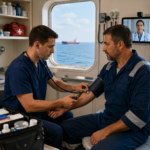
Getting mental health support is more available than many seafarers realize. Many shipping companies and maritime organizations now offer confidential helplines, counseling, and peer support networks for crew at sea.
- Helplines: Services like Sailors’ Society and SeafarerHelp provide free, 24/7 support in multiple languages via phone, chat, and email.
- Professional Counseling: Some vessels have arrangements for telecounseling sessions, so crew can book video calls for private sessions during their contracts.
- Peer Support: Seafarers often find relief by informally talking with shipmates about shared experiences, normalizing the ups and downs of shipboard life.
I’ve seen firsthand that reaching out—even just for a chat—can make a real difference during tougher contracts. Encouraging each other and having regular check-ins as a team creates an atmosphere of camaraderie.
Stress Relief Strategies for Mariners in Limited Space and Time
Onboard living areas are small, schedules are tight, and privacy is often hard to come by. Still, even ships with limited gym equipment or small cabins offer opportunities for stress relief. Here are some options that have worked for me and others:
- Breathing Exercises: Techniques like “box breathing” (in for four counts, hold for four, out for four, hold for four) can calm anxiety in just a minute or two.
- Micro Breaks: Short, regular pauses between duties help break the cycle of tension that comes with nonstop work. Even standing up, rolling the shoulders, and looking out a window for a minute can make a big impact.
- Sleep Routines: Trying to stick to a regular bedtime and winding down with a book or relaxing music improves sleep quality. Using earplugs or an eye mask is also helpful for better rest.
- Guided Meditations: Many apps offer recordings for mindfulness or quick mental resets, often available for offline use.
- Hydration and Nutrition: Simple as it sounds, drinking enough water and eating well-timed meals keep the body and mind more resilient. Packing healthy snacks can keep blood sugar steady during long watches.
Best Practices for Seafarer Wellbeing
Building Routines at Sea
Maintaining as much of a stable routine as watch schedules allow helps me find balance. Regular mealtimes, breaks, and keeping consistent with daily habits when possible are really helpful. On challenging days, I add something enjoyable to my routine, like listening to a favorite podcast or taking pictures of the sea view to share with family later.
Staying Connected with Others
Connection with shipmates is vital. Eating meals together, participating in onboard activities, or sharing stories keeps morale up. When connections from home are available, I try to make the most of video calls and messaging to keep relationships alive. Sharing highlights of your day, even just a quick message, helps combat loneliness.
Eating and Moving for Mental Health
Nutrition and exercise aren’t just about the body; they help my mood, too. I find even a few minutes of stretching, basic exercises like squats, or walking laps on deck can clear my head. Choosing fruit or a salad when I can, and keeping caffeine in check, also helps prevent energy crashes. Some ships host friendly competitions like step challenges, which motivate everyone to stay active.
Top Stress Management Tools for Seafarers
Technology now offers many stress management tools designed for use at sea. Some popular, practical options include:
- Wellbeing Apps: Tools like “ISWAN’s Well At Sea,” “Headspace,” and “Calm” offer guided meditations, sleep aid tracks, and breathing exercises. Look for offline access features, which are important with patchy internet.
- Online Therapy Platforms: Services like “BetterHelp” allow users to message or schedule video calls with licensed counselors.
- Company Sponsored Programs: Many shipping lines now include access to confidential counseling, digital toolkits, and contact details for crew support officers.
- Hotlines: International services like SeafarerHelp operate by call or SMS, which are good lifelines when Wi Fi is slow.
Some crews use tablets loaded with relaxation apps or podcasts, creating shared resources for stress management on longer voyages. Rotating books or digital movies also boosts morale in downtime.
Compare Seafarer Stress Management Apps
When choosing an app, I focus on:
- Offline Access: ISWAN’s Well At Sea and Headspace allow some resources to be downloaded ahead of time so they work during blackout periods.
- Easy to Use: Simple interfaces are easier to use on rolling ships and basic phones. Large text and single button navigation help when you’re tired or in rough seas.
- Features: I look for meditation, hydration reminders, and exercise suggestions, plus sleep tracking. Some apps also track mood, which is helpful for self-awareness.
- Cost: Some apps are free with optional upgrades. ISWAN’s Well At Sea is free; Headspace and Calm usually ask for a monthly fee, but often offer discounts for seafarers. Always ask your company if they provide access for free.
My shipmates and I have rated “Well At Sea” high for being simple and practical, while “Headspace” stands out for depth of meditation content. If you’re unsure, start with free trials, and stick with the one that fits your routine best.
Affordable Stress Management Courses for Seafarers
Learning to manage stress can pay off in both health and career. I’ve found several budget-friendly, accredited courses that suit seafarers’ needs:
- ISWAN’s Maritime Mental Health Awareness Course: Free online and includes practical shipboard scenarios. View Course
- Wellness at Sea Program (Sailors’ Society): Blends mental health, social, physical, and spiritual wellbeing. Discounted group rates. Course Information
- Seaintel’s Seafarer Resilience Training: Focuses on resilience-building modules, with some companies offering it for free.
- Coursera and Udemy Wellbeing Courses: Look for “stress management” or “wellbeing at work”; many start at under $20 and are accessible wherever there’s Wi Fi.
Many employers are willing to cover the cost for those who check in and request help in advance. Completing a course not only builds confidence but shows initiative for career progression at sea.
Effective Stress Management Techniques for Mariners by Rank and Role
Stress feels different depending on the job on board. Over time, I’ve noticed a few ways to tackle pressure based on rank:
- Deck Officers: Focus on delegating tasks, keeping communication lines with the crew open, and following a daily log for accountability to avoid overwhelm. Sharing planning with junior crew helps distribute workload.
- Engineers: Block out short times to step outside the engine room for fresh air. Use practical checklists to stay on top of routine inspections. Team up for equipment checks, so everyone shares the load.
- Ratings and Crew: Use team check-ins before shifts, and encourage recognition of good work and small wins. Rotating responsibilities across groups can add variety and boost morale.
- Catering Staff: Share meal feedback and menu suggestions; feeling involved can relieve pressure from repetitive jobs. Having recipe swaps or theme meals can make galley work more creative and less routine.
- Masters/Chief Engineers: Schedule private moments where possible. Discuss concerns with company DPA (Designated Person Ashore) or use helplines as a sounding board. Mentoring junior officers on coping strategies strengthens the whole team.
Stress Management Workshops for Ship Crew
Workshops are becoming more popular on ships, sometimes as part of training or company wellbeing programs. They may be led by HR, safety officers, or external wellness consultants over video or during port calls. Topics usually include practical resilience building, communication skills, sleep hygiene, and strategies to handle emergencies or conflict.
I’ve attended quick 1-hour “wellness refreshers” and more in-depth daylong retreats during extended port stays. These workshops often get good feedback from the crew for being interactive, providing take-home exercises, and offering confidential spaces for sharing concerns. Frequency depends on company policy and voyage pattern, but I recommend requesting them through your ship’s safety committee or HR contact. Team-building activities in these sessions also foster friendships and smoother communication on board.
Mindfulness Practices for Seafarers
Mindfulness isn’t just for calm seas or meditation pros. Short, focused exercises can be fit around even the busiest schedules:
- Watch Schedule Mindfulness: Before heading to watch or starting work, I take two to three minutes to focus on breathing or notice the sounds and smells around me. This helps switch gears mentally and prepares me for the next responsibility.
- On Rough Seas: Focusing on steady breaths and slow physical movements while bracing against the ship’s motion helps reduce stress and seasickness. Using grounding techniques, like feeling the deck under your shoes, brings attention away from anxiety.
- Quick Guided Meditations: Using downloaded tracks for breathing or relaxation, even during coffee breaks or in the cabin at night, is practical.
- Gratitude Lists: Writing down one thing I’m thankful for each day shifts my focus from stress to something positive, even if it’s just having a good meal or a smooth shift change. Re-reading these lists on rough days gives a boost of positivity.
Stress Management Techniques Guide: A Quick Checklist for Seafarers
This checklist covers the essentials I use and recommend. Print or save it to your phone for quick reminders at sea:
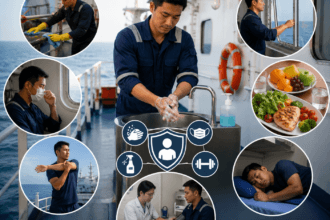
- Stick to a routine for meals, rest, and exercise when possible
- Take micro breaks and stretch regularly
- Try a few minutes of mindful breathing before or after watch
- Connect with shipmates and reach out to family when you can
- Use a free, offline-capable app for guided relaxation or sleep tracks
- Check in with yourself, talk with friends, supervisors, or helplines if feeling down or overwhelmed
- Look for opportunities to join wellness workshops or online courses
Simple changes can make a real difference. If stress feels unmanageable, don’t hesitate to reach out. Help is available, and no one has to face these challenges alone at sea. Download this checklist or ask your crew manager for support. Your mental health is just as important as your physical safety on board. In the end, staying sharp about your mental wellbeing ensures safer, happier voyages, so take these tips to heart and look out for yourself and your fellow crew.
This article was created with AI assistance and reviewed by a human editor.