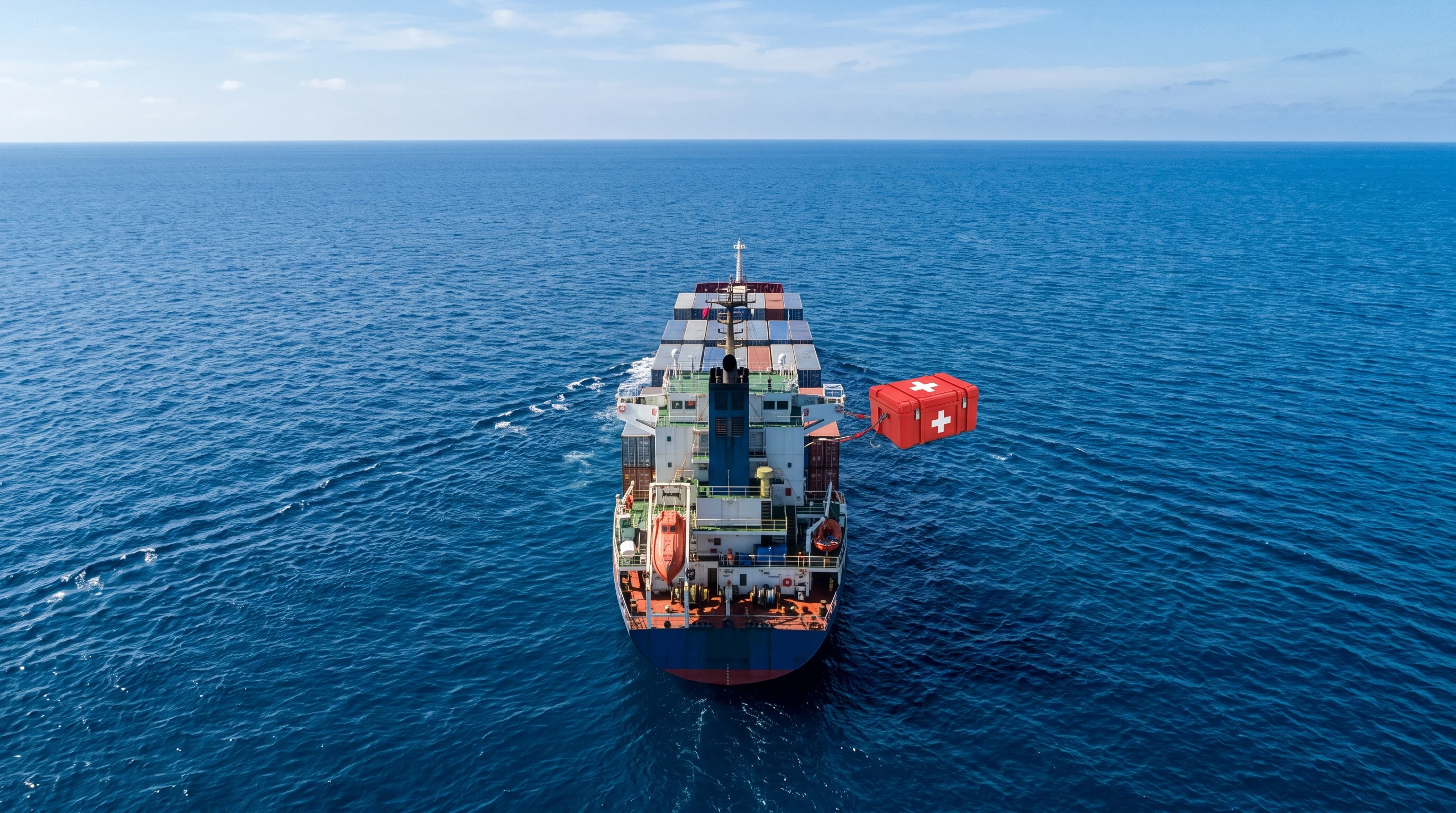
Accessing medical care at sea comes with unique challenges that those on land rarely think about. When I’m out on the water, the isolation means that getting professional healthcare isn’t just as simple as driving to the nearest clinic. If a medical emergency happens miles from shore, delayed evacuation and limited supplies make quick decision-making crucial. Planning ahead is the best way to stay ready and calm even if the unexpected happens.
Accessing Medical Care on Cruise Ships
Cruise ships are like floating towns, and onboard medical care is a big part of keeping everyone safe. Most large cruise lines have a dedicated infirmary with at least one doctor and several nurses onboard. These medical centers are equipped for common illnesses and injuries, and sometimes even urgent care like stabilizing fractures or giving IV fluids. When I book a cruise, I always check what kind of healthcare is available because protocols can differ from one line to another.
If you feel sick or get hurt as a passenger, heading straight to the infirmary as soon as possible is the best plan. Report symptoms early so ship staff can start treatment or decide if evacuation is needed. Ships follow strict protocols for infection control, medication dispensing, and keeping medical records confidential. For serious conditions that cannot be fully treated onboard, arrangements are made with ports of call or helicopter evacuation if necessary. It’s really important to carry all personal medications and some travel insurance that covers medical care at sea. If you rely on regular prescriptions or have allergies, inform onboard medical staff ahead of time to avoid delays in treatment. Additionally, many cruises now offer basic mental health support—a valuable resource for long journeys away from home—and often partner with onshore networks for further care if necessary.
Telehealth Services for Sailors
Medical teleconsultations are a game-changer for getting expert medical care at sea. Telehealth for sailors means I can connect with healthcare professionals from anywhere using satellite or internet connections. Platforms like Marine Medical Solutions, Future Care, and MedAire specialize in supporting vessels offshore, offering 24/7 access to doctors trained to guide crew through diagnosing and managing health issues until help can reach you or you make it back to port.
For telehealth services to work, I check that my vessel has a stable satellite internet connection or a strong enough radio link. This allows me to send high-quality photos or video of an injury, join live video calls for step-by-step guidance, and even transmit medical data from connected devices. Tele-expertise is especially useful for longer voyages or commercial operations, when there’s no immediate access to a doctor onboard. Some insurers or yacht management companies include telemedicine support in their service packages, making remote care more affordable. Plus, as remote diagnostic equipment becomes easier to use, the detail physicians can get from a distance continues to improve, meaning faster and more accurate instructions at sea.
Mobile Clinics for Maritime Workers
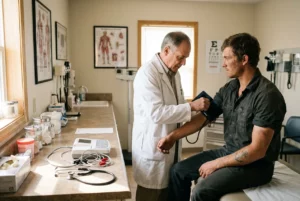
For commercial crew and long-distance workers, mobile clinics bridge the healthcare gap when you dock. These are port-based centers or traveling medical teams that offer medical checkups, vaccinations, and treatment for common issues. In busy ports like Rotterdam, Singapore, and New Orleans, mobile clinics serve seafarers from around the world. I’ve visited one myself after a tough trip to get a checkup and updated vaccines.
Mobile clinics work closely with shipping companies, unions, and maritime organizations to provide services tailored to seafarers’ needs. If I’m on a tight turnaround before heading back out, mobile clinics can speed things up with assessments and even offer specialist referrals if something needs closer attention. Many also help with filling prescriptions, managing chronic conditions, and completing mandatory fitness-for-duty exams. There are also regional initiatives in several countries to add dental and mental health services to port clinics, recognizing the stress and unique risks long periods at sea can pose. Checking in with these clinics at each opportunity helps catch early warning signs and could prevent larger health issues in the long run.
Best Medical Equipment for Ships
Being ready means equipping my vessel with the right medical gear. The recommended medical kit depends on the size of my vessel and how far I plan to travel from shore. At a minimum, every boat should have an all-in-one first-aid kit that covers wounds, burns, allergic reactions, pain relief, and basic infection control. For larger vessels, automated external defibrillators (AEDs) are now common in case of sudden cardiac events. I also keep splints, emergency oxygen, and seasickness remedies on board.
Telemedicine devices are becoming more popular. These can include portable ECG monitors, blood pressure cuffs, and glucose meters that connect to a phone or tablet for easy transmission of vitals during a remote consult. Inventorying supplies before a trip and checking expiration dates is a habit I follow for peace of mind. For those planning to travel for weeks at a time, portable ultrasound devices, satellite medical alert beacons, and personal locator beacons are worth considering. Even compact dental emergency kits are now available for long-range trips. Taking inventory and updating your kits regularly is one of the best steps you can take for safety, especially when help is hours or even days away.
Emergency Medical Protocols at Sea
Knowing what to do in a health crisis can make all the difference. If someone falls ill or gets injured far from land, I follow a set process: assess the situation, stabilize the patient as much as possible, and communicate clearly with remote medical providers or authorities. Keeping calm and following the vessel’s emergency plan helps everyone stay organized.
The first steps are to check the person’s airway, breathing, and circulation. If bleeding is severe, I use direct pressure and wound dressings from the kit. For suspected fractures, immobilize the area with a splint. In cases of suspected heart attack or stroke, use the AED and call for immediate remote support. Documenting symptoms, actions taken, and times is important for both further treatment and later reporting. Practicing mock drills with crew before departure helps everyone remember what to do if the worst happens. Training crew in basic lifesaving procedures and running through scenarios keeps everyone sharp and prepared for real incidents.
Finding Your Way Through Health Risks While Sailing
Sailing exposes my crew and me to health risks I might not face on land. Seasickness is common and can hit even experienced sailors. I bring motion sickness tablets, ginger chews, and try to stay hydrated, since dehydration can worsen nausea. Sunburn, heatstroke, and eye damage from glare are other big risks, so wearing hats, sunglasses, and sunscreen matters a lot.
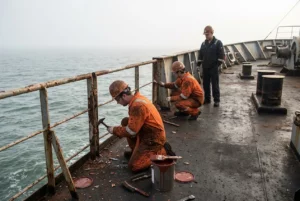
Injuries often happen from slips, trips, or equipment mishandling. I wear nonskid shoes and gloves when working on deck. Infections from cuts or minor wounds are another concern, especially in saltwater environments. I keep all injuries clean, apply antibiotic ointment, and watch closely for swelling, redness, or fever. Prevention goes a long way. Taking regular breaks, staying hydrated, and double-checking safety equipment can stop many problems before they start. Additionally, monitoring for fatigue and maintaining good hygiene routines among all crew can help avoid outbreaks of communicable diseases, which sometimes occur on packed vessels.
How to Get Medical Help at Sea: Practical Action Steps
If a medical emergency happens, knowing how to get help quickly is super important. Here’s how I take action:
- Use the VHF Radio: Channel 16 is the international distress frequency. I call “Mayday” for true emergencies, and provide my vessel’s name, position, nature of the emergency, and the assistance needed.
- Contact Coast Guard or Maritime Rescue Coordination Center (MRCC): These organizations help arrange evacuations or coordinate advice. They may connect me to a marine medical radio network for step-by-step support.
- Use Satellite Phone or Email: When far offshore, I use a satellite phone or email medical services like TMAS (Telemedical Maritime Assistance Service) for specialist support.
- Follow Onboard Emergency Protocols: I make sure to use the ship’s communication equipment to keep authorities updated as the situation develops.
Having a printed emergency contact list in the bridge and with the crew ensures that we don’t waste precious time looking up numbers or web addresses in a hurry. Drills to practice Mayday calls and emergency communications help everyone react swiftly under pressure, and keeping information laminated prevents it from being ruined by water at sea.
Medical Assistance for Fishermen
Commercial fishermen face specific health risks out at sea. Cuts, punctures, and crush injuries from gear and heavy equipment are common. Exposure to cold and wet weather raises the chances of hypothermia and infections. I’ve seen some fishermen deal with chemical burns from cleaning agents or fish handling.
To get help, fishing vessels often work with industry health programs that supply crew with advanced kits and regular first-aid training. Organizations like the Fishermen’s Mission and regional seafarers’ charities offer advice, port clinics, and sometimes even remote mental health support. Support networks are available for everything from dental pain to stress management after a tough season. Newer initiatives now include regular mental health check-ins and stress management workshops, recognizing that long periods at sea can lead to high-pressure situations and burnout. Being proactive with safety drills and health education sessions can lower the risk of injury and illness.
Health Resources for Yacht Owners
Owning a private yacht means I need to be even more proactive. Smaller boats might not have a doctor onboard, so careful pre-trip planning is the norm. This includes detailed medical kits, up-to-date prescription meds, and considering a basic first aid/CPR course for captain and crew.
Most marine insurance policies offer some kind of medical assistance, but coverage details vary. Double-check the specifics before you head out. I keep contact details for telemedicine support close at hand too. If I travel with guests who have known health issues, I ensure their medications and medical summaries are part of the voyage file. I also recommend a thorough safety briefing for everyone before departure, covering where medical equipment is stored and what to do in common emergencies. If children or the elderly are traveling, adjusting your kit with age-appropriate supplies can make all the difference in an urgent situation.
Maritime Health Regulations 2026: What’s New?
Regulatory bodies like the International Maritime Organization (IMO) and national maritime authorities have updated health standards for 2026. For example, the Maritime Labor Convention (MLC) now requires more detailed crew medical records and periodic first aid training certifications. Ships traveling internationally must carry medical supplies listed in the latest WHO International Medical Guide for Ships.
Other updates focus on infection control, based on lessons learned from COVID-19, so enhanced sanitation and isolation protocols are now required for any suspected contagious illness. New requirements for AEDs and telemedicine enablement on larger vessels are in effect. When managing my vessel, I regularly review these regulations and make sure my documentation and gear are up to date. Attending maritime safety workshops and subscribing to maritime authority updates ensures I don’t miss important regulatory changes. Keeping digital and physical copies of health documentation on board is now standard practice to speed things up during inspections or emergencies.
Actionable Takeaways and Getting Prepared
Accessing medical care at sea takes preparation, know-how, and the right support tools. Some practical things I always check:
- Restock and review onboard medical equipment before every trip
- Make sure everyone knows emergency radio protocols and has a card with contacts
- Set up a telemedicine plan with a provider specializing in maritime care
- Double-check my insurance for medical evacuation and onboard care coverage
- Schedule crew health checks at mobile clinics during longer layovers
- Organize crew training sessions in first aid, CPR, and regular safety drills to keep everyone ready
For anyone going offshore, whether alone or with a crew, investing time in medical preparedness can be a lifeline when immediate help isn’t near. I recommend consulting a maritime health provider or downloading a preparedness checklist before your next voyage to help you feel equipped and more confident on the water. Extra resources include apps that store medical records offline, guides for emergency procedures, and waterproof medical handbooks. By planning ahead and keeping safety top of mind, you can make the most of your adventure and handle whatever the ocean throws your way.
This article was created with AI assistance and reviewed by a human editor.