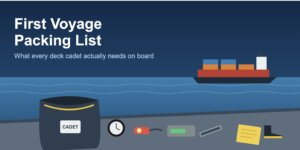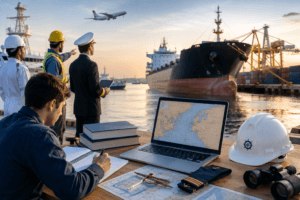
The maritime industry is going through one of its most interesting phases in decades. Right now, more ships are moving more goods than ever before. This is creating big gaps for new talent to step in—not just at sea but on shore too. In this post, I’m going to open up the world of maritime careers for you, break down the opportunities and roles, and help you figure out how to get started, even if you’re coming in with zero experience. Whether you’re a recent graduate, thinking about a midlife change, or just looking for a career with real adventure and strong job security, there’s a spot for you somewhere in this industry.
Why the Maritime Industry Is a Great Choice Right Now
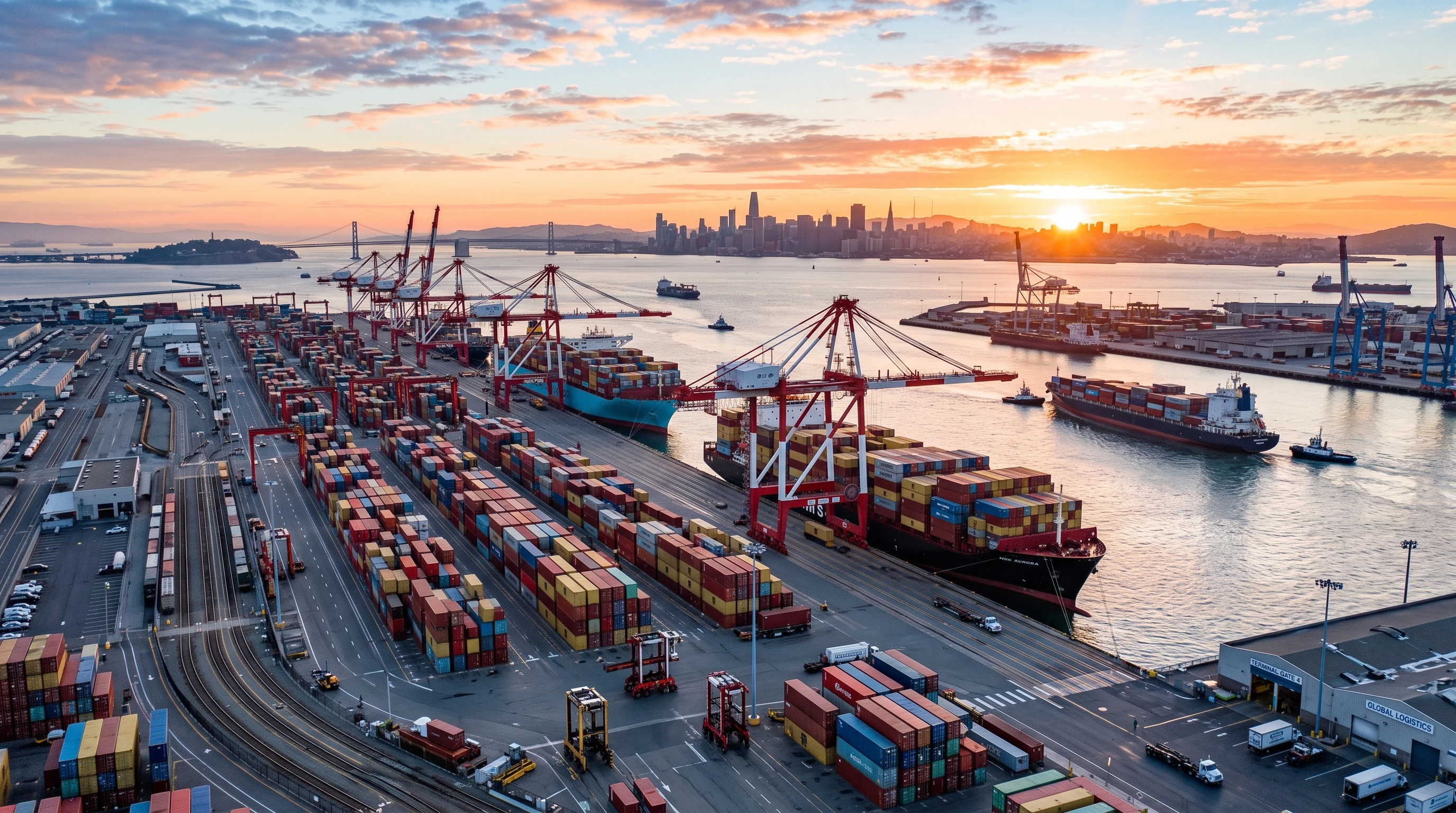
Today’s maritime industry is busier than ever. Container ships, oil tankers, ferries, offshore wind platforms — nearly every corner of this field is seeing new investment. According to industry forecasts, global seaborne trade is expected to continue rising sharply through 2026, driven by booming e-commerce, continued globalization, and the shift toward greener vessels. The technology on ships is also getting smarter and safer, which brings in new types of work from IT to environmental management.
Even with all this growth, many experienced crew members and technical staff are nearing retirement, leading to serious workforce shortages. I see more and more shipping companies, ports, and offshore contractors offering training, paid apprenticeships, and fast-track programs just to fill the gap. This creates one of the best environments in years for new entrants. Whether you want to work at sea or on shore, job stability is strong, and opportunities are everywhere.
A Beginner’s Guide to Maritime Careers
The maritime industry covers much more than just the crews who operate ships. Here’s a quick rundown of the main career tracks to help you decide what might suit you best:
Deck Officers and Ratings
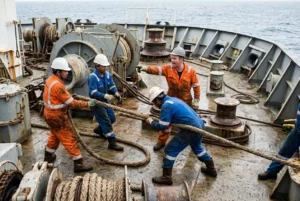
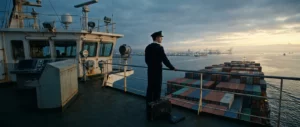
Deck officers are the navigators, leaders, and legal authority on board ships. Starting as a deck cadet, you work your way up through watchkeeping roles, eventually becoming Chief Officer or Master (captain). Deck ratings assist with the basics: mooring, watchkeeping, cargo handling, and upkeep. Being part of the deck crew means long hours on the bridge, learning how to safely steer massive vessels, and mastering navigation. Over time, you’ll take on increasing responsibility, oversee the crew, and manage complex operations, which can be both challenging and rewarding.
Marine Engineers and Technical Staff
Engineers keep the ship’s engines, power, and systems running smoothly. Marine engineering careers often start with an engineering cadetship or technical apprenticeship. With more ships switching to hybrid power and advanced automation, engineering is one of the fastest-changing and most stable maritime jobs around. As technology evolves, there is a growing need for those who not only understand diesel engines but also can work on electrical systems, computer-controlled machinery, and green technologies such as LNG and hydrogen propulsion. Marine engineers spend time troubleshooting, maintaining systems, and keeping everything running safely under tough ocean conditions.
Port Operations and Terminal Work
If life at sea isn’t for you, port operations might be a great fit. These jobs include stevedores, terminal planners, crane operators, maintenance techs, and port supervisors. Some roles are more hands-on; others involve logistics planning and technology. Working in a port can mean coordinating with international partners, ensuring cargo moves on time, and helping keep the world’s supply chains rolling efficiently. As port automation grows, opportunities in robotics, IT, and data analysis in these operations are also expanding fast.
Maritime and Supply Chain Logistics
The logistics end of shipping is a world on its own. Roles include vessel scheduling, customs documentation, maritime law, route planning, cargo claims surveying, brokerage, and insurance. Most of these positions are based on shore in port cities and logistics hubs. Logistics experts help ensure goods and containers travel from the factory to the ship to the destination with as few hiccups as possible. The complexity of modern supply chains means these roles are constantly evolving and offer opportunities for leadership and international careers, especially for those interested in operations research, management, or communications.
Shore-Based Support and Business Roles
Beyond the ships and ports, ship management offices need personnel in finance, HR, communications, security, environmental compliance, and IT. If you have a background in business, law, or computer science, you might find satisfying work in a maritime company without ever setting foot on deck. Many companies now operate global networks requiring back-office support, making these roles critical to keeping the industry moving. Sustainability officers and IT managers working with automated fleets are among the new professions emerging in the maritime sector, offering new ways to get involved.
Getting Started from Zero Experience
Plenty of people start out in maritime with no prior marine background. Entry-level roles like deck cadet, engine room cadet, ordinary seafarer, or dock worker don’t require seafaring experience, just basic high school education, a strong work ethic, and willingness to learn the basics of shipboard life and safety. Many jobs provide on-the-job training and sponsor new recruits through initial courses. With a focus on mentoring and development, employers want motivated people ready to take on the industry’s unique challenges. Attitude and adaptability often matter as much as formal qualifications when starting here.
Best Maritime Careers to Pursue in 2026
With so many options, picking the right starting point can feel daunting. I’ve found these roles to be not only in demand, but also offer good pay and long-term growth prospects:
Deck Officer (Navigation Officer/Cadet)
Deck officers manage bridge operations, cargo, safety, and navigation. Starting as a cadet, you combine classroom study and paid sea time. Within several years, promotion to Officer of the Watch, and even to Master, is possible. Deck work is great for those who enjoy leadership, solving problems, and seeing the world. You’ll learn seamanship, teamwork, and crisis management, gaining skills that transfer well to shoreside managerial positions later in your career. As environmental regulations become stricter and technology advances, modern deck officers are learning to blend traditional seafaring with digital skills.
Marine Engineer (Engineering Cadet)
Engineering cadets join the ship’s technical team and gradually move up to Second and Chief Engineer positions. You get to work hands-on with engines, machinery, and new green technologies. If you like mechanics or electrical engineering and want steady career advancement, engineering offers it. Marine engineers are often seen as the backbone of the ship, responsible for everything from propulsion to pollution control. The evolution toward greener engines and more digital control systems makes this an exciting, future-proof choice with global demand.
Port Operations Supervisor
Port supervisors coordinate terminal logistics, vessel berthing, and cargo flows. These jobs are growing due to larger ships and container terminals. Schedules are usually shift-based. Advancement often comes through experience, so it’s a good choice for those who want a dynamic, active job. Supervisors also help keep ports safe and efficient by monitoring equipment, leading teams, and ensuring every container lands in the right place. As automation and digitization advance, port operations jobs are evolving into roles that balance traditional logistics knowledge with tech savvy.
Maritime Logistics Coordinator
Logistics coordinators handle the massive amount of paperwork and communication associated with every arriving and departing ship. This includes customs documents, shipping manifests, itineraries, and compliance with international rules. If you’re detail oriented and enjoy fastpaced office work, logistics can take your career global. The ability to solve last-minute problems, negotiate with authorities, and support real-world business operations makes this a challenging yet highly rewarding path in maritime work.
Offshore Technician (Wind, Oil & Gas)
Offshore roles are booming, especially in renewable energy. Wind turbine technicians, ROV operators, and subsea engineering teams are all in demand. Most roles include rigorous safety training and unique schedules (generally several weeks on, several weeks off). Offshore technicians work on state-of-the-art equipment, help grow vital infrastructure, and are well paid for the physical and technical demands of the job. These positions are ideal for those ready to embrace adventure and take on significant responsibility in a team setting, often under challenging conditions far from shore.
Getting Started with Maritime Training
Training is the foundation of every maritime career. For most seagoing jobs, you’ll need to complete some form of maritime basic training, usually through a cadetship or apprenticeship. I recommend starting your search by looking at accredited government maritime academies and reputable private institutes that are recognized by your country’s maritime authority. Many training programs combine theory and practical learning to prepare you for a wide variety of roles, making the pathway accessible even if you’re new to the field.
What Is a Cadetship Program?
A cadetship is an organized blend of classroom study and hands-on sea experience. As a deck or engineering cadet, you’ll spend time both in college (learning theory, navigation, engineering) and on real ships (gaining practical sea service). These programs usually last between two and four years. Companies may sponsor cadetships, sometimes paying a basic allowance and covering course fees in exchange for a post-qualification work commitment. Cadetship programs are tailored to introduce real responsibilities early on, helping you adjust to shipboard routines and workplace expectations in a supportive environment.
What Are Apprenticeships in the Maritime Industry?
Ports, offshore operators, and shipyards often run apprenticeship programs for roles such as stevedore, marine electrician, fitter, and tugboat crew. These apprenticeships blend paid work and technical training. No prior experience is required, and they are often open to candidates with a secondary school diploma. Apprenticeships generally offer opportunities to specialize in vital technical trades or operations roles, sometimes leading directly to long-term employment after your training period ends.
Best Maritime Schools for Training
Look for programs approved by the national maritime administration and recognized by the International Maritime Organization (IMO). Here are a few respected names and types of institutions:
– United States Merchant Marine Academy (USMMA)
– Massachusetts Maritime Academy
– Warsash Maritime School (UK)
– Australian Maritime College (AMC)
– Maritime Institute of Technology and Graduate Studies (MITAGS)
You can also find strong training programs in countries like India, the Philippines, Singapore, Greece, and Norway. Many national colleges run short courses and refresher training for working seafarers, which is helpful for ongoing skills development. When picking a school, check for facilities that offer cuttingedge bridge simulators, modern engine rooms, and strong industry links for work placement—all of which are key for success after graduation.
Maritime Industry Certifications to Consider
Getting the right certifications is really important if you want employers to take you seriously. Most basic maritime jobs require at least the STCW Basic Safety Training, which covers firefighting, first aid, personal survival, and social responsibility at sea. Here are some of the most common certificates you’ll need or benefit from as you move along your career:
STCW Certificates
The International Convention on Standards of Training, Certification and Watchkeeping for Seafarers (STCW) sets the minimum training required for all crews working internationally. Basic STCW courses are usually short (about two weeks) and run by approved maritime schools and training centers. For higher officer roles, you’ll need advanced safety training, watchkeeping, and specialized endorsements. Many employers worldwide require these certificates even for entry-level sea positions, so it pays to get certified as early as possible.
Watchkeeping Certificates
Watchkeeping certificates authorize you to stand “watches” in the engine room or on the bridge, meaning you are responsible for the ship’s safe operation during your shift. Practical assessments and sea service are required, along with exams. Achieving watchkeeping certification marks a milestone in your seafaring career, opening doors to higher responsibility and future promotion in deck or engine departments.
Specialized Endorsements and Upgrades
As your career progresses, you may want to add extra qualifications, like Tanker Familiarization, Passenger Ship Crew, Fisheries Observer, or High Voltage System Operator. These are usually short, focused courses, but they help you qualify for a broader range of positions or vessels. Investing in endorsements can make you more marketable to a range of employers, help future-proof your career, and allow you the flexibility to switch ships or job functions as the market evolves.
Maritime Job Opportunities in 2026 and Top Companies to Work For
The industry’s ongoing labor shortage is creating greater opportunities for new entrants. Here’s where I’m seeing the most jobs:
Shipping Lines and Vessel Operators
Major international shipping lines like Maersk, MSC, and CMA CGM constantly recruit new crew, especially for container ships, bulk carriers, and car carriers. Cruise ship operators like Carnival and Royal Caribbean also run regular recruitment cycles, though roles may require strong hospitality skills in addition to safety training. These employers look for a mix of technical skills and customer service, offering a global work environment and career progression opportunities both on board and onshore.
Offshore Operators
Companies like Subsea 7, TechnipFMC, Allseas, and Ørsted hire technicians, engineers, and vessel crew for offshore platforms and wind farms. Offshore work tends to pay well and often uses rotation schedules, which some people find appealing for work-life balance. Offshore companies value adaptability, problem-solving, and a willingness to work in challenging environments, making them a strong fit for adventure seekers and those wanting higher pay with longer rest breaks between contracts.
Port Authorities and Terminal Operators
Port authorities (such as the Port of Rotterdam Authority and the Port of Singapore Authority) and global terminal operators like DP World offer jobs in port planning, vessel scheduling, IT, maintenance, and dock work. Advancements in port automation are opening spots in operations, analytics, and robotics. Joining a port authority can mean working for vital national infrastructure, with clear opportunities for advancement and specializations in customs, safety, or technical support.
Marine Services, Logistics, and Ship Management Firms
Firms like Wilhelmsen, Inchcape Shipping Services, and BSM manage not only crews but also technical support, vessel compliance, and supply chains. If you’re interested in logistics and management but prefer a shore-based lifestyle, this side of the sector is worth checking out. Ship management companies increasingly seek project managers, compliance specialists, and digital transformation experts as the industry modernizes, making these organizations attractive to a wide talent pool.
Top Maritime Industry Trends in 2026
Anyone thinking long-term about a maritime career needs to be aware of the trends shaping the future. Here’s what I’m watching closely:
Green Shipping and Decarbonization
With stricter emission rules coming into force, shipping companies are investing heavily in greener fuels (like LNG, hydrogen, biofuels) and energy saving technologies. Careers in energy management, environmental compliance, and engine upgrades are growing as companies look for people skilled in decarbonization projects. If you’re passionate about sustainability, this is an excellent area to jump into and help drive industry change.
Automation and Smart Ships
Ships and ports are getting smarter, with more systems automated or remotely operated. Bridge and engine systems, cargo handling, and even drone inspections are offering new types of jobs, especially in IT, data analysis, and remote operations. Learning about digital technology and automation can give you a jump start. As the future of port and vessel work becomes more digital, workers with tech skills will see even more opportunities and faster career progression.
Crew Welfare and Work-Life Quality
After the COVID-19 pandemic highlighted the strain of long contracts and limited shore leave, companies are offering better rotations, mental health support, and communication technology for seafarers. Programs that prioritize well-being are becoming more common, making now a much better time to join. Seafarer welfare is now part of recruitment, training, and retention strategy, with job benefits including onboard WiFi, faster shore leave, and enhanced support networks for families.
Growth in Offshore Renewables
As offshore wind farms and underwater cable projects expand, demand for technicians, engineers, and logistics experts continues to grow. If you’re interested in renewable energy, maritime is one of the few industries where you can put that interest to work offshore. Offshore wind farms are opening new job types, calling for people with backgrounds in both traditional marine skills and new energy technologies. Expect this sector to keep expanding throughout the next decade.
Maritime Industry Salary Expectations
Maritime industry pay varies a lot depending on your role, experience, and location. Here’s what I’m seeing as typical annual ranges in 2024, all in US dollars for comparison:
Deck or Engine Cadet: $15,000–$30,000
Junior Officer or Rating: $25,000–$50,000
Chief Officer/2nd Engineer: $50,000–$90,000
Master or Chief Engineer: $80,000–$150,000
Port Supervisor: $40,000–$70,000
Maritime Logistics Coordinator: $35,000–$65,000
Offshore Technician: $45,000–$110,000
These ranges can be higher with overtime or special skills, especially for offshore or hazardous duty. Pay is usually tax-free on registered ships with certain flag states, but always check local laws and contract terms. The most stable pay packets are usually in Europe, North America, Singapore, and Australia, while developing regions may offer lower base rates but rapid promotion. When weighing salary, think about benefits too, such as insurance, travel, pensions, and family support perks—all of which can add up to a highly attractive compensation package.
Taking Your First Step This Month
If you want to get started in the maritime industry, it’s pretty straightforward to take your first step right now. I recommend that you research a maritime academy or school near you, reach out to a maritime recruiter for advice, or register for an STCW Basic Safety Training course. Many employers hold open days or webinars to introduce prospective candidates to life at sea or to port operations. Landing your first job or training spot may take a bit of persistence, but with so many job openings and career paths waiting, now is definitely a good time to jump in and secure your spot in this essential global industry. As the world’s shipping needs keep growing and technology transforms the workplace, the maritime sector offers a blend of steady work, adventure, and exciting potential for anyone ready to jump onboard and shape the next era of world trade.
This article was created with AI assistance and reviewed by a human editor.