Seafaring is physically demanding work, and I know just how easily injuries can happen during daily tasks on board. Life at sea means moving heavy equipment, standing for long hours, and working in tight spaces that often shift with the ocean’s motion. That’s why following the best ergonomic practices isn’t just about personal comfort. These steps help prevent injuries, reduce downtime, and avoid costly long-term health issues that can hurt both individual seafarers and entire vessel operations. Investing in good ergonomic habits will pay off by making work safer and more comfortable for everyone on board.
Why Ergonomics Matters at Sea
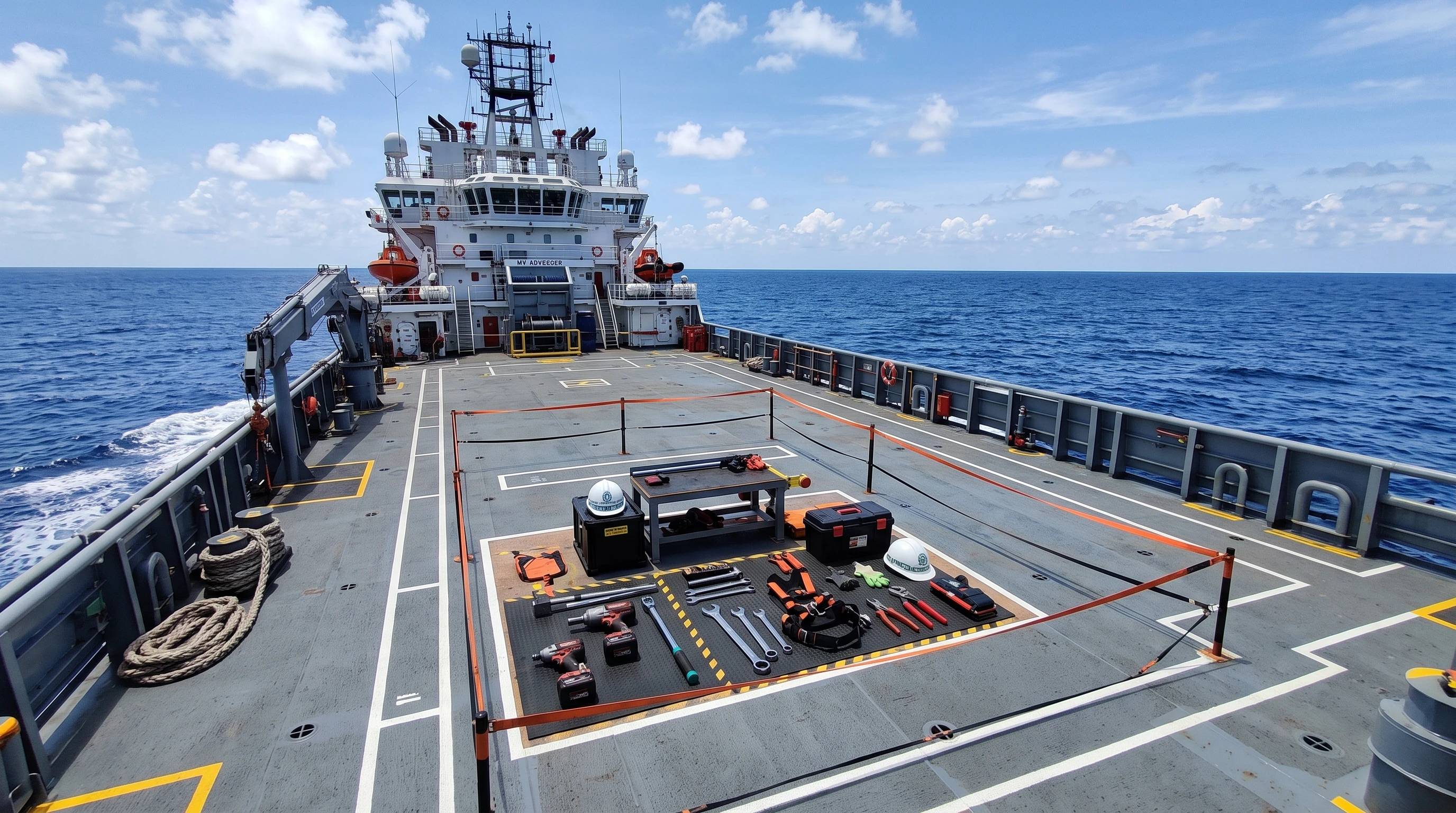
The physical environment on a ship differs from that of land-based jobs. Even small tasks can quickly become risky when the deck is rolling and equipment is bulky. Common injuries include back strain from lifting, repetitive stress on hands and wrists, and accidents from slips or awkward movements. I see how easily these issues can happen if crews don’t use safe techniques or ignore early warning signs.
Seafarer health and ergonomic safety must be a crew-wide effort. It’s not just something for individual crew members to think about. Everyone, from deckhands to officers, should help spot problems and suggest ways to reduce risk. Shared responsibility means safer ships, less sick leave, and better morale.
Top Ergonomic Tips for Seafarers
I follow several daily ergonomic practices that really reduce the chance of work-related injuries at sea. The most effective habits are easy to learn, and even small changes can make a difference.
- Pay Attention to Posture: Standing tall with a straight back takes pressure off the spine and muscles. When sitting, I keep my feet flat, my knees at hip level, and try not to slouch.
- Use Correct Lifting Technique: I bend my knees and hips rather than rounding my back. Keeping objects close to the body and asking for help with heavy or awkward loads helps avoid back injuries.
- Take Frequent Rest Breaks: Short, regular breaks help my muscles recover. Just a few minutes off my feet or some simple shoulder rolls can reset posture and decrease fatigue.
- Rotate Tasks: When possible, I rotate my duties to prevent the same muscles or joints from being overused during long shifts.
- Check and Maintain Equipment: Well-maintained, ergonomic tools make repetitive tasks much easier on my body. For example, using handles with padded grips and keeping moving parts well-oiled reduce strain and the risk of sudden slips.
- Use Anti-Slip Mats: I ensure walkways and work areas have anti-slip mats or treads, especially on wet decks, to reduce the risk of falls.
Incorporating these habits into the crew routine is one of the best ways to avoid injury as a seafarer. Training new crew members in basic ergonomic safety principles from day one also makes a big difference in long-term health.
Ergonomic Workspace Setup for Seafarers
Every vessel has critical workspaces like the bridge, engine room, and galley. Setting these up to minimize physical stress is really important for injury prevention.
Bridge Workstations
On the bridge, I set monitors at eye level, keeping navigational charts and keyboards within easy reach. Proper seating with lumbar support and adjustable chairs helps avoid neck and back fatigue, especially during long watches.
Engine Room
The engine room often involves working in cramped, noisy areas. I reposition tools and controls so they can be reached without uncomfortable stretching or twisting. Antivibration mats reduce strain from standing on metal flooring for hours. Adequate lighting and clear walkways lower trip hazards.
Galley
For galley stations, I keep knives, pans, and utensils organized so I don’t have to reach or bend awkwardly. Nonslip mats and rounded countertop edges create a safer cooking environment. Tall shelves or heavy storage bins should be avoided or kept at waist height to reduce the need for high lifts.
Making these adjustments keeps my body in a more natural posture throughout the day and helps everyone avoid muscle fatigue and accidental slips.
Ergonomic Solutions for Deckhands
Deckhands face their own set of physical challenges: mooring lines, cargo movement, and work outdoors in changing weather. Here’s what I do for safer, ergonomically sound deck work:
- Safe Mooring: When handling heavy ropes or mooring lines, I use a team when possible. Specialized hooks or powered winches help avoid overexertion. I also pay careful attention to body positioning, keeping feet clear and hands away from pinch points.
- Cargo Handling: I request mechanical aids, such as dollies or hoists, whenever cargo is especially heavy or awkward. If I have to move something by hand, I coordinate lifts with a partner and keep movements slow and controlled to avoid jerking muscles.
- Weather Protection: I always wear gloves and anti-slip boots, especially in wet or freezing weather. Layered clothing and sun-safe uniforms help ward off temperature extremes that can affect muscle control and cause slips or falls.
- Redesign and Maintenance: Regular maintenance of deck equipment, such as replacing worn-out grips or broken rails, reduces the physical effort required for many tasks.
Deck-specific ergonomic practices account for the unique hazards of this shipboard area and offer tailored ways to avoid injuries.
Ergonomic Assessments for Ship Crews
Routine ergonomic assessments can find injury risks before anyone gets hurt. On my ship, I like to walk through common tasks and spot where people are overreaching, lifting too much, or twisting awkwardly. Basic onboard assessment checklists generally cover:
- Manual lifting tasks: Are loads within the recommended weight? Are lifting aids available?
- Workstation layout: Do controls and tools require stretching or awkward posture?
- Floor and surface conditions: Are there slip, trip, or impact hazards?
- Tool and equipment design: Are handles padded and shaped for comfort?
- Break schedules and shift patterns: Are there planned opportunities for recovery?
Getting feedback from the whole crew is super important. Sometimes those doing the job daily will spot issues that others overlook. Documenting these risks gives the safety officer or ship’s management what they need to make changes that keep everyone safer.
Compare Ergonomic Designs for the Maritime Industry
Technology and ship design have come a long way in reducing injuries among seafarers. In the past, ships used traditional workstations and hand tools with little or no ergonomic consideration. I remember using old-style tools that were heavy, awkward to grip, and hard on the hands after a long shift. Crew quarters often had cramped bunks and shared bathrooms, leading to disturbed sleep and more aches.
Modern ships are now built with adjustable workstations, height-adaptable chairs, and non-slip flooring throughout. Advances include:
- Ergonomic tools: Lighter hand tools with anti-vibration grips reduce repetitive stress.
- Redesigned crew quarters: Private bunks and higher-quality mattresses help with rest and recovery.
- Bridge and engine room controls: Touchscreens and ergonomic chairs make long shifts more comfortable.
- Mechanical cargo handling equipment minimizes the need for manual lifting.
Switching from traditional setups to modern ergonomic practices directly lowers injury rates, improves efficiency, and boosts morale among seafarers. Crew members who have operated both older and newer vessels can really notice the difference in overall comfort, well-being, and productivity. Better ergonomics leads to fewer aches and less fatigue for crews after long shifts at sea, and the results show up in fewer accidents and sick days.
How to Create an Ergonomic Ship Environment
Creating a more ergonomic ship environment starts with shipowners and operators making it a priority from day one. During vessel design, I always look for features such as adjustable seating, well-lit walkways, and clear color-coded safety markings. These details reduce strain and improve safety even before the first sail.
I encourage management to include regular ergonomic training in daily operating procedures. This includes:
- Making sure every new crew member gets a basic class on safe posture, lifting, and tool use.
- Offering short refreshers before peak workload periods, such as cargo loading or rough weather.
- Keeping an open-door policy for injury reporting and quick fixes if a hazard shows up.
Routine risk assessments and surveys provide ongoing feedback, allowing ship design and operations to improve over time. Matching up with the best ergonomic practices for maritime safety ultimately protects both crew and company resources in the long run. Encouraging all crew members to participate in safety meetings and providing leadership support build a culture that values well-being at sea.
Ship operators should also consider investing in newer safety equipment designed for seafarers, such as slip-resistant footwear, lighter tools, and adjustable harnesses for specific jobs. Periodic ergonomic seminars can keep everyone up to date on the latest tips, while publishing safety success stories motivates the whole crew. Regularly updating procedure manuals not only ensures compliance with industry standards but also shows a real commitment to safety and health.
Ergonomic Injury Resources for Seafarers
I always urge fellow seafarers to stay up to date and take advantage of available support. There are many resources specific to ergonomic injury prevention for maritime workers, such as:
- International Maritime Organization (IMO): Safety bulletins and training standards for ergonomic work at sea.
- International Labour Organization (ILO) Maritime Labour Convention: Guidelines on worker health, rest, and equipment standards.
- Industry safety conferences and webinars offer ongoing training on new ergonomic equipment and practices.
- Onboard safety committees: I recommend joining or starting a crew safety group focused on ergonomic risks and prevention strategies.
- Anonymous reporting hotlines: Many large fleets offer ways to report unsafe working conditions without reprisal, helping address problems before injuries occur.
Taking advantage of these tools keeps everyone better informed and proactive in maintaining a safe, healthy work environment at sea. Sharing best practices and reporting near misses helps others learn and adapt, creating a stronger culture of safety across fleets.
Frequently Asked Questions
Here are questions I often hear from seafarers about ergonomic injury prevention. My answers are based on practical experience and industry standards.
Question: What’s the single best way to avoid injury as a seafarer?
Answer: Learning and practicing safe lifting and posture techniques every day really lowers the chance of injury. I also make a habit of speaking up if I notice a new risk.
Question: How often should ship workstations be checked for ergonomic safety?
Answer: I recommend conducting informal checks weekly and a more detailed assessment with the safety officer at least quarterly or after major equipment changes.
Question: Is ergonomic equipment really worth the investment for shipowners?
Answer: Yes. Proper gear reduces injuries, keeps crews working, and avoids costly repairs or lost time. Feedback from crews can help prioritize what equipment makes the biggest difference.
Question: How can I get ergonomic training?
Answer: Many maritime training centers offer online and in-person classes. Your ship’s safety officer or company safety department can recommend options or may already have courses in place.
Wrapping Up
Ergonomic practices help protect the health and careers of seafarers by reducing preventable injuries. Practical changes like safe lifting habits, better equipment, regular rest breaks, and a crew-wide focus on safety create a stronger work environment for everyone. I always recommend starting with small, daily improvements and building a culture where everyone cares about ergonomic safety, for themselves and their shipmates. Supporting a caring and well-trained crew today means healthier, happier, and more productive seafarers for years to come.
This article was created with AI assistance and reviewed by a human editor.