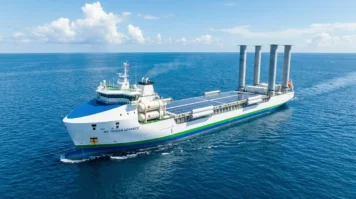
Fuel consumption reduction strategies for ships have become really important as the shipping industry faces more attention for its environmental impact. With tighter regulations and increased pressure...

Seafarer Skills Development
Fuel consumption reduction strategies for ships have become really important as the shipping industry faces more attention for its environmental impact. With tighter regulations and increased pressure...


The slow steaming and maintenance parts stood out the most to me. Those feel like things companies could actually act on right away, not just long-term ideas. It’s kind of surprising how much of a difference small operational tweaks can make over time. And then when you get into alternative fuels, it really shows how quickly things are shifting in the industry. Overall, it gave me a much clearer picture of where efficiency gains are actually coming from right now.
Curious what you think, which of these has the biggest short-term impact?

That’s a great takeawayyou’re focusing on the parts that actually move the needle right now.
In the short term, slow steaming probably has the biggest immediate impact. It’s something companies can implement almost instantly across fleets, and the fuel savings add up fast without needing major investment. It’s one of those rare changes that’s both simple and highly effective.
That said, maintenance is a close second, and in some cases just as important. Things like hull cleaning, propeller polishing, and engine tuning might seem minor on their own, but they directly improve efficiency and can compound over time. Plus, they’re relatively low cost compared to big tech upgrades.
Alternative fuels are definitely the future, but they’re more of a long term shift since they require infrastructure, new vessels, and regulatory alignment.
So if we’re talking right now impact, slow steaming leads, with maintenance right behind it as a steady, compounding advantage.
Do you see companies actually prioritizing these operational changes, or do you think they tend to focus more on bigger, long term innovations?
2 responses to “Reducing Fuel Consumption And Emissions For Ships”
The slow steaming and maintenance parts stood out the most to me. Those feel like things companies could actually act on right away, not just long-term ideas. It’s kind of surprising how much of a difference small operational tweaks can make over time. And then when you get into alternative fuels, it really shows how quickly things are shifting in the industry. Overall, it gave me a much clearer picture of where efficiency gains are actually coming from right now.
Curious what you think, which of these has the biggest short-term impact?
That’s a great takeawayyou’re focusing on the parts that actually move the needle right now.
In the short term, slow steaming probably has the biggest immediate impact. It’s something companies can implement almost instantly across fleets, and the fuel savings add up fast without needing major investment. It’s one of those rare changes that’s both simple and highly effective.
That said, maintenance is a close second, and in some cases just as important. Things like hull cleaning, propeller polishing, and engine tuning might seem minor on their own, but they directly improve efficiency and can compound over time. Plus, they’re relatively low cost compared to big tech upgrades.
Alternative fuels are definitely the future, but they’re more of a long term shift since they require infrastructure, new vessels, and regulatory alignment.
So if we’re talking right now impact, slow steaming leads, with maintenance right behind it as a steady, compounding advantage.
Do you see companies actually prioritizing these operational changes, or do you think they tend to focus more on bigger, long term innovations?