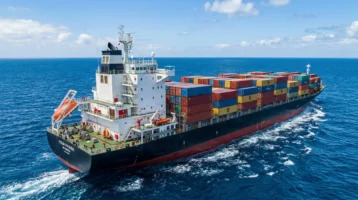
IMO regulations continue to shape daily life at sea for thousands of seafarers across the globe. As we move closer to 2026, new standards and updates are coming into effect that directly impact how I ...
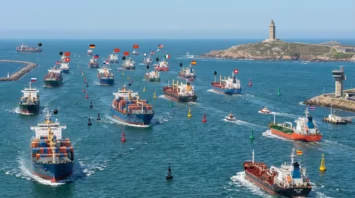
Understanding maritime laws is really important for anyone involved in global shipping, fishing, or even recreation on the water. These laws set the foundation for safe, orderly, and fair use of the w...



4 responses to “Maritime Laws Affecting Navigation”
I’ve visited this site several times now and always come away with useful insights, and this post is no exception. The section on the key rules and treaties shaping maritime navigation in 2026 really stood out to me. UNCLOS, COLREGs, SOLAS, MLC, and MARPOL form such a strong backbone for safe and fair use of the seas, and I appreciate how clearly you explained their relevance.
I can relate to the importance of staying updated; rules around emissions and safety technology seem to evolve quickly, and it’s easy to fall behind if you’re not paying attention. Do you think upcoming changes in 2026 will focus more on environmental concerns like pollution control, or on crew welfare and safety standards?
Thanks so much for sharing your thoughts! I’m glad the breakdown of the major maritime rules and treaties felt clear and useful — they really do form the foundation for how the global maritime industry operates. And you’re absolutely right: with the pace of change in emissions regulations and safety technologies, staying current isn’t just helpful, it’s essential.
As for what 2026 may bring, it will likely be a blend of both environmental measures and crew-focused standards, but the momentum right now seems to lean slightly more toward environmental initiatives. With pressures from the IMO, regional regulators, and even consumer expectations, we’ll probably see tighter controls on emissions, waste management, and fuel efficiency. At the same time, crew welfare is gaining more visibility, especially after the challenges highlighted in recent years, so enhancements to training, mental health support, and safety protocols should continue evolving in parallel.
In short, both areas are moving forward — but environmental regulation may take the front seat while crew welfare continues to strengthen alongside it.
This was a really interesting read! Maritime laws always sounded kind of dry to me but seeing how they actually affect navigation made it way easier to understand. It’s one thing to know how to read charts or use instruments but another thing to understand the rules everyone on the water is expected to follow. Do these laws start to feel automatic once you have enough time on the water or do you still have to consciously think through them? Solid article. I learned a lot from this one.
Thanks so much! I’m really glad it helped make maritime laws feel more practical and relevant, that’s exactly what I was hoping for. To your question, a lot of the rules do become more automatic with time on the water, especially the common ones you encounter regularly, like right of way situations. That said, there are definitely moments where you still have to slow down and consciously think things through, particularly in complex or unfamiliar situations. Even experienced mariners rely on continual review and situational awareness. I appreciate you taking the time to read and share your thoughts!