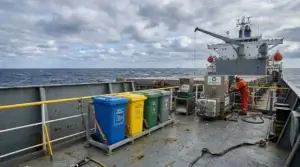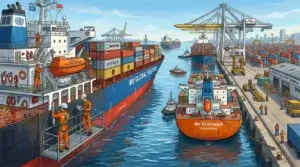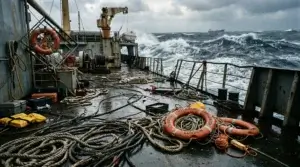
Safety drill training for seafarers helps crews react appropriately when real danger strikes.
Seafarers have jobs that put them directly in environments where quick decision making and being ready for emergencies are absolutely essential. From fires and abandon ship situations to man overboard or medical incidents, seafarers face risks that require clear heads, strong teamwork, and practiced procedures. This keeps people out of harm’s way and minimizes damage to vessels and cargo. In this article, I’ll break down everything you need to know about seafarers safety drills, from how to conduct them to best practices that ensure everyone on board is prepared.

Why Seafarers Safety Drills Matter
Conducting effective safety drills is one of the best strategies for building confidence and emergency response skills among crews. I remember being a cadet and practicing my first fire drill at sea. My nerves were high at first, but going over these drills until they became second nature gave me muscle memory that has stuck with me. Drills don’t just reinforce knowledge of emergency gear locations and escape routes; they help cement the importance of teamwork and communication, which are both essential on board.
Studies in maritime safety show that regular drill practice actually lowers accident response times and reduces the chance of confusion during high-pressure situations (IMO safety statistics). Bringing real world context to drill scenarios means crew members can adapt to a wide variety of emergencies, not just the textbook examples. Seasoned mariners know that you never get the same emergency twice, so real practice pays off.
The Basics: What Are Marine Safety Drill Procedures?
Marine safety drill procedures are step by step training exercises that cover emergency scenarios likely to happen at sea. These include, but aren’t limited to:
- Abandon ship drills: Crews learn the fastest route to their muster stations, how to safely get into lifeboats, and what supplies to bring along.
- Fire drills: Crews find firefighting equipment, operate fire hoses, and practice coordination for isolating and putting out fires.
- Man overboard drills: The team learns immediate reporting procedures, rescue actions, and how to use equipment like lifebuoys effectively.
- First aid and medical drills: Someone plays the part of an injured person, and the team demonstrates real medical care until professionals can help out.
Every drill is set up to mirror real life situations as closely as possible. I’ve found that when drills feel realistic, everyone takes them more seriously and the knowledge sticks better. Recreating pressure and urgency, without placing anyone at real risk, helps everyone prepare in a meaningful way.
Starting Out with Seafarer Safety Drill Training
Getting started means understanding marine safety drill procedures and recognizing the different types of emergencies covered by international rules. In my own training adventure, I saw early on that drills aren’t run just to check boxes, they’re fundamental steps to keeping people alive.
Here’s a quick rundown of how most ships organize their regular drills:
- Schedule drills: Most shipping companies run safety drills at least once a month, with some operators organizing them weekly.
- Post clear instructions: Notices explain drill times, muster stations, and duties. Everyone knows their job in advance.
- Role assignment: Each crew member gets specific roles, whether that’s firefighting, operating lifeboats, or providing first aid.
- Use real-life gear: Teams train with the same equipment they would need in a real emergency, making each practice meaningful and hands-on.
- Debrief after drills: Reviewing what went well and what could get better is essential for learning. Honest feedback is strongly encouraged.
It’s worth noting that leadership sets the tone here. Masters and officers who treat drills seriously help foster a learning-centric environment where everyone wants to improve.
Building an Effective Seafarer Safety Drill Checklist
Effective drills start well before an alarm ever sounds on board. I’ve seen the difference a good checklist makes, it ensures no one is left guessing and nothing gets forgotten. Here are some items you’ll want to include:
- Check the location and working order of all safety gear (fire extinguishers, hoses, lifeboats, lifejackets, radios, etc.).
- Test the emergency communication systems each time.
- Make sure everyone knows their duties and backup roles if someone is away or unavailable.
- Plan new scenarios each time (a “fire” in different spots or new injuries), so crews learn to think on their feet.
- Note the time it takes to respond and muster groups. Keeping records helps track progress over time.
- Record all participation so no one misses required training.
- Finish each drill with a quick review or quiz to reinforce learning and spot weak points.
Remember, a solid checklist doesn’t make drills harder to do, it smooths the way, keeps everything moving, and makes sure nothing vital is missed. I recommend reviewing and updating your checklist every year or after a significant incident that shows the need for an update.
Understanding Maritime Safety Drill Regulations
International law lays out specific rules for seafarer emergency response drills. The International Convention for the Safety of Life at Sea (SOLAS) is the main regulation requiring regular safety drills on all commercial ships. SOLAS stipulates that:
- All crew must participate in abandon ship and fire drills within 24 hours of joining a vessel.
- Abandon ship and fire drills must happen at least once a month, with more frequent drills for ships facing greater risks.
- Lifeboats are to be launched and maneuvered in water at regular intervals, with a minimum frequency of every three months.
- The results of all drills must be logged and reviewed on board.
I’ve run into Port State Control inspections where missing or poorly maintained drill records have caused major issues. Keeping up with maritime safety drill regulations isn’t just about following the rules, it keeps the crew safe and keeps the company running smoothly.
Common Challenges When Running Seafarer Emergency Response Drills
Drills aim to prepare crews for chaos, but sometimes practice misses the mark. Here are a few issues I’ve noticed during drills at sea:
- Complacency, especially among experienced crews who’ve done dozens of drills
- Language barriers or unclear communication between multinational crew members
- Poorly maintained or missing safety gear hampers real practice
- Noisy or confusing alarms can make it unclear what emergency is being simulated
- Rushed, box-ticking drills that focus only on paperwork, not true preparedness
Overcoming these hurdles usually involves stronger leadership, smarter checklists, and practical scenarios. But above all, creating a positive, no blame culture is crucial. Crew should always feel free to ask questions and learn, no matter how many drills they’ve been through.
Best Practices for Conducting Safety Drills On Board
Among the best crews I’ve worked with, a few habits really stand out. Here are best practices I think every team should stick to:
- Announced and Surprise Drills: Mix things up with scheduled and surprise drills to keep everyone alert and engaged.
- Rotate Leadership Roles: Letting new people lead parts of the drill uncovers gaps and prepares future leaders.
- Scenario Based Practice: Use recent real ship incidents as case studies, making each drill as close to reality as possible.
- Foster Open Questions: Discussions before and after drills prevent misunderstandings and encourage improvement.
- Interactive Debriefs: Gather everyone for a quick, judgment-free review. This improves learning and strengthens teamwork.
- Document Everything: Careful records help prove compliance, show progress, and make future reviews faster.
- Combine Drill Scenarios: Practice multiple emergencies together, such as moving from a fire into an abandon ship scenario, prepares everyone for complex situations.
In my own work, refreshing procedures with lessons from recent drills has fixed real problems. For example, we fixed an issue with lifeboat launching only after a difficult, realistic drill. The learning from that experience was added to the next drill and benefited the whole crew.
Seafarer Safety Training and Certification Requirements
Completing seafarer safety training certification through recognized programs is an essential step in becoming a capable mariner. The internationally accepted STCW Convention (Standards of Training, Certification and Watchkeeping for Seafarers) spells out the basic training that anyone working at sea must finish before starting work.
- Basic safety training, covering personal survival, fire prevention, first aid, and personal responsibility, is required of all new mariners.
- Certificates need to be renewed every five years, which includes refresher courses and practical drills.
- Specialized training, such as for tanker or passenger ships, covers extra risks on those vessel types.
- Records of training certificates are regularly checked by inspectors and port officials.
I’ve met some excellent trainers who share real shipboard experience in their courses. If you’re new, check if your trainer has current practical knowledge and hands on activities in the curriculum. This makes a huge difference in how much sticks once you’re at sea.
Tips for Conducting Effective Safety Drills
Even experienced crews benefit from clear, practical tips for making drills relevant. Here are approaches I rely on:
- Keep Language Simple: Adjust how you share instructions to match the backgrounds and languages in your crew.
- Explain Each Step: When crew know why a step matters, it’s much easier to remember under stress.
- Simulate Real Chaos: Add background noise, darkness, or blocked passages to mimic actual emergencies.
- Divide Into Small Teams: Practice in smaller groups lets crew practice skills closely and get more hands on time.
- Switch Up Drill Details: Change the timing, location, and emergency type to break the routine and keep people thinking.
Drill leaders know that the true value of safety drills is in building trust, confidence in the gear, and honing quick-thinking for the next real challenge. Make each drill count, every session is a chance to build a stronger team.
Equipment Focus: What Every Ship Should Check Before Drills
Great safety drills start with reliable gear and clear procedures. Here’s my short list of equipment to look over before any drill:
- Inspect firefighting hoses, nozzles, extinguishers, and protective clothing to make sure they’re ready.
- Check that all lifejackets and immersion suits are present and fit everyone correctly.
- Run checks on lifeboat launches (winches, hooks, engines) to make sure they’re operational.
- Test the public address and alarm systems, as well as radio backups.
- Verify that all emergency lights and signs are working and easy to spot.
Safety officers keep printed checklists for these tasks. Mark any broken equipment for repairs and follow up until everything is ready to go. Proper equipment checks are a basic but often overlooked step in keeping drill practice meaningful.
Frequently Asked Questions About Marine Safety Drill Procedures
I’ve been asked a lot of questions by new people entering the maritime world. Here are the ones that come up most often about safety drill training for seafarers:
Question: How often should marine safety drills be conducted on a commercial vessel?
Answer: Most ships require fire and abandon ship drills at least once a month. Some companies ask for more frequent drills, especially after crew changes or arrivals. Drills should also happen immediately after a new crew joins, or if a ship is in port for an extended period.
Question: What happens if drills are missed due to weather or port delays?
Answer: If a drill can’t take place as originally planned, the captain should re schedule as soon as it’s safe and practical. Any missed drills must be clearly logged, along with reasons for skipping, for review by inspection authorities.
Question: Why are combined drills (like fire and abandon ship together) becoming more popular?
Answer: Combined drills get crews ready to handle unexpected or complex real world emergencies. These practices encourage flexibility and build skills for managing multiple threats at once.
Question: Are safety drill records actually reviewed by inspectors or port officials?
Answer: Yes, safety drill logs and lists of participants are reviewed during both regular audits and surprise inspections. Complete, honest records help avoid fines or operational issues and demonstrate a real commitment to safety.
Real World Example: What Good Seafarer Safety Drills Look Like
On a container ship, I once watched a thorough abandon ship drill run by a senior officer. This officer planned it with one escape route blocked by a pretend “fire,” so crew needed to find other exits, launch the life raft quickly, and take care of someone playing an injured passenger. Afterward, the debrief was practical and offered clear feedback and ideas for improving next time. Watching this, it was clear how valuable hands on practice really is.
Top-tier companies use video recordings for self-review and sometimes bring in outside trainers for feedback. Investing in these tools shows a real commitment to safety and leaves everyone, from junior hands to senior officers, feeling more confident day to day.
Next Steps for New Seafarers
If you’re just beginning your seafaring adventure, earning a safety training certification is the first thing you need to do. Once on board, ask to see the drill schedule and records for your ship. Put your hand up for extra tasks during drills, and don’t be afraid to say if you’re confused or unsure about something, supervisors and senior crew members appreciate honesty and initiative. Keeping equipment checked, records accurate, and communication open does more for safety than any paperwork ever could.
Effective safety drills keep seafarers safe at sea. Whether you’re new to shipping or brushing up best practices, focusing on detailed procedures and regular training is the best way to boost safety outcomes and build confidence. Making safety drills a practical, routine, and respected part of ship life is one of the best moves any crew can make for their own peace of mind and well being.