Handling medical emergencies at sea comes with its own set of challenges that are very different from what I’m used to on land.
There’s no immediate access to a hospital or emergency services, and conditions can change rapidly. My experience at sea has taught me that being prepared is one of the best steps I can take when it comes to Maritime Medical Emergency Response. Knowing what to do, which equipment is needed, and understanding regulations keeps both crew and passengers safe.
Understanding Maritime Medical Emergencies
A medical emergency at sea is any health crisis that happens on a vessel or offshore platform, where medical help might not be immediately available. This could include sudden illness, injury, cardiac arrest, allergic reactions, or trauma. Based on my training and real scenarios I’ve read about, quick and effective action is really important because resources are limited, and delays can become life threatening.
The stress of being away from land and the lack of medical professionals mean that the crew’s emergency training makes a real difference. Crew members, especially those with medical responsibilities, have to be ready to give first aid, stabilize a patient, and communicate with shore-based medical services for guidance. Because of these unique risks at sea, learning best practices from real world stories and case studies ensures the team can stay sharp under pressure.
Key Maritime Health and Safety Regulations
Maritime Health and Safety Regulations guide how ships must prepare and respond to medical problems at sea. The International Maritime Organization (IMO) and the International Labour Organization (ILO) set out most of these requirements. The Maritime Labour Convention (MLC) and the International Convention for the Safety of Life at Sea (SOLAS) both state that ships need to have medical supplies, proper reporting procedures, and trained personnel. These rules help make sure that crews have the tools, knowledge, and responsibilities they need.
Ships are usually required to carry the best maritime medical emergency kits they can afford based on the number of people on board and the ship’s distance from the coast. There’s often a designated crew member, called the Ship’s Medical Officer, who has received extra medical training. Routine inspections and drills are carried out to make sure that everything is ready and in good working order. If I’m working in this field, keeping up with changes in regulations is super important, for example, regulations can sometimes change due to global health emergencies or after incidents at sea, which means all crew members need to stay informed.
In addition to international guidelines, companies often create specific health and safety protocols tailored to each vessel’s size and purpose. Among the most important measures are detailed checklists for supplies, clear chains of communication during emergencies, and regular reviews of on board procedures. By building a safety culture that makes responding to health problems a priority, accidents and complications can be minimized. I’ve found that reviewing updated lists from organizations like the IMO can help crews avoid fines or delays during inspections.
Must-Have Maritime Medical Emergency Equipment
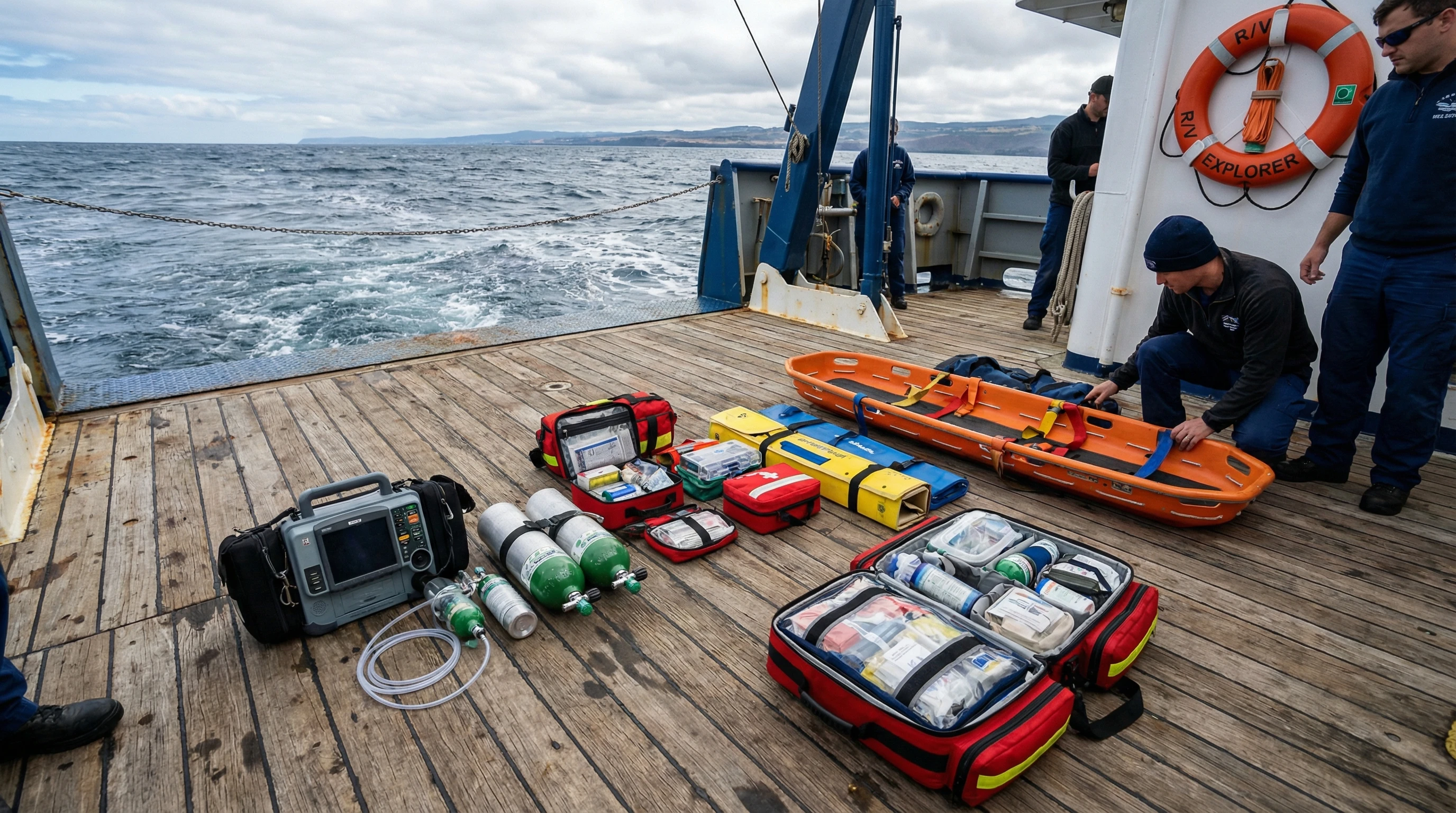
Having the right equipment onboard makes a big difference in how well I can respond during an emergency. The top maritime medical emergency equipment falls into several categories:
- Medical Chests and First Aid Kits: These usually contain dressings, antiseptics, pain relief medication, splints, and emergency drugs for trauma or illness. High quality kits are tailored for ships and conditions at sea. Choosing the best maritime medical emergency kits means looking for watertight packaging, clear labels, and a variety of supplies for different medical problems. Advanced kits may include temperature monitoring tools, antibiotics, and specialized trauma gear.
- Defibrillators (AEDs): Automated External Defibrillators are lifesaving devices that can treat heart attacks and sudden cardiac arrest. Easy to use instructions and voice prompts help even those with basic training to act fast. Some AEDs come with monitoring features, storing patient data that can be shared with telemedical teams on land.
- Oxygen Supply: Portable oxygen tanks are used in a range of emergencies, like breathing difficulties or smoke inhalation from a fire. Oxygen masks and tubing need to be checked regularly, as corrosion from salt air can cause leaks.
- Immobilization Equipment: Stretcher boards, neck collars, and splints help keep injured patients stable during movement or evacuation. In certain situations, inflatable splints or vacuum mattresses provide adjustable support for different injury types.
- Telemedicine Devices: Some vessels carry satellitelinked communication gadgets that allow video calls or data sharing with doctors on land. This is becoming more common and lets me get expert advice quickly.
- Personal Protective Equipment (PPE): Gloves, masks, eye protection, and gowns protect both the responder and patient, especially when dealing with infections or chemical spills. With recent emphasis on infection control (especially after COVID-19), more ships are keeping extra PPE and disinfectants on hand.
Suppliers who focus on maritime safety often provide kits that meet international standards, which makes it easier for ship operators like me to stay compliant. Investing in easy access storage and clear inventory systems can help avoid dangerous delays when every second counts during an emergency.
Learning the Basics: Maritime Medical Emergency Training
Before setting sail, every crew member should have basic medical emergency training. Maritime Medical Emergency Training Programs might include:
- First Aid and CPR: Basic and advanced first aid plus CPR help crew stabilize patients until professional help can be reached. I’ve found hands-on practice super helpful for remembering key steps in stressful moments. Training also often covers the use of equipment like splints, tourniquets, and thermal blankets.
- Telemedical Advice Training: Crew members are taught how to collect patient info and provide it to telemedicine services on shore for remote diagnosis. Training videos and roleplaying exercises help deepen understanding of proper communication.
- Mental Health First Aid: Not every problem is physical. Training covers how to handle psychological distress and support someone having a panic attack or crisis. Some programs also touch on stress management for ship life, which can prevent bigger problems later. I had a personal experience when we had to hospitalise a ship’s oiler in Panama due to real mental health priblems. It was a really sad moment.
- Casualty Evacuation Drills: Practice drills show crew how to safely move patients and manage stretchers, stairs, and coordination with rescue teams. These drills can expose possible blind spots, like blocked walkways or inaccessible storage areas.
- Hazard Awareness Workshops: Crew members learn about the risks posed by machinery, chemicals, and extreme environments to prevent injuries before they happen. Detailed checklists and real life demonstration videos make the learning stick.
Ongoing refreshers and real case debriefs help keep my knowledge fresh and relevant. Many countries require formal certification for those taking responsibility for medical care on vessels. These programs make a huge difference in my confidence if I ever need to respond for real. The more hands on the training, the more likely crew can perform calmly if a crisis does happen at sea.
Common Maritime Medical Emergencies and Their Management
From my research and experience, the types of medical emergencies most likely to happen at sea include trauma injuries, sudden illnesses, and exposure related problems. Here’s how I might approach some of these scenarios:
- Traumatic Injuries: Cuts, broken bones, and burns occur when crew members handle machinery or during storms. Quickly controlling bleeding, immobilizing injuries, and cleaning wounds help prevent complications. Follow-up steps, like monitoring for signs of infection or shock, are just as important until outside help arrives.
- Heart Attacks: Early use of an AED, giving aspirin if available, and keeping the patient calm and in a comfortable position make a difference. Having nitroglycerin and knowing how to monitor heart rate can further support patient stability.
- Allergic Reactions: Ship medical kits usually include antihistamines and epinephrine injectors for emergencies like anaphylaxis. Knowing how to use them is really important, crew should practice with training devices for confidence.
- Dehydration and Heatstroke: Hot working conditions can be dangerous. Prompt rehydration, moving the person to shade, and cooling techniques are steps I’ve seen work well. Salty snacks and plenty of water can prevent these incidents before they start.
- Infections: Outbreaks can happen quickly in close quarters. Isolating the patient, giving medications from the ship’s medical chest, and keeping everything clean are all practical responses. Reporting any cluster of symptoms to shore authorities may be required by regulation depending on the illness.
Even with good training, not every case is perfectly straightforward. If I’m unsure, reaching out to remote medical support is always an option when it’s available. Building a culture where asking questions and sharing concerns is encouraged helps every crew member feel prepared to address emergencies.
How Telemedicine is Changing Maritime Medical Emergency Response
The introduction of telemedicine services on vessels is something that I think will keep transforming the way people respond to medical issues at sea. Using satellite communication, I can connect instantly with medical teams onshore, share images and data, and even walk through procedures in real time.
This service gives me guidance while using onboard equipment and deciding whether an evacuation or diversion is needed. Several telemedical assistance providers work with shipping companies to provide 24/7 support, which helps save lives and limits medical evacuations to cases where they are truly needed. Newer devices allow for real time monitoring of vital signs and can send automated alerts to shore teams, giving doctors a heads up on evolving problems even before the crew requests help. I’ve seen telemedicine used to guide everything from minor suture repairs to assessing complicated chest pain situations.
The advantage of telemedicine is clear: it helps bridge the gap when professional help is far away. With regular connection checks and updated software, ships can avoid technical failures and make sure the system works when it’s needed most. Even smaller pleasure craft have begun installing telemedical help apps, knowing that rescue at sea is never guaranteed to be quick.
Best Practices When Handling Medical Emergencies at Sea
- Stay Calm: Keeping a clear mind helps me think and act logically. Taking even a few seconds to steady my breathing makes a difference in how clearly I react.
- Make a Quick Assessment: Looking at the situation and the patient’s vital signs allows me to prioritize actions and get the right help. Simple mnemonics, like ABC (airway, breathing, circulation), keep my approach structured.
- Communicate Clearly: Detailed and accurate info sent to whoever’s on call helps medical support give the right advice fast. Radio codes, standardized reporting forms, and redundant backup methods all help avoid miscommunication.
- Use Checklists: Having written protocols and step by step checklists in emergency kits is a practical way to avoid missing anything important under pressure. Reviewing these regularly with the team builds confidence.
- Debrief After Incidents: Gathering the crew to review what happened, what went well, and what could improve is a great way to build confidence for the future. This is a chance to update protocols, share new ideas, and make sure supplies get restocked right away.
Choosing the Best Maritime Medical Emergency Kits
When shopping for or restocking onboard supplies, picking the best maritime medical emergency kits means focusing on a few key things:
- Kits should have up to date supplies, with clear expiration dates for medications. Rotate stock every few months, and log any items used during drills or real emergencies.
- Packaging should withstand humidity, salt air, and rough seas. Some kits come with clear waterproof seals, color coded pouches, and locking lids to protect sensitive items.
- Instructions should be simple and included in common crew languages. Laminated guides that are both picturebased and written speed up response in high stress moments.
- Contents need to be adapted for the type of vessel, size of crew, and the time expected before professional help can reach you. For example, ocean crossing vessels pack more long term medication and wound care supplies than coastal ships.
I’ve seen kits packed into sealed cases, with each compartment labeled by type of emergency, which makes it faster to find what I need. Checking and replacing outdated or missing items before every long voyage is a routine part of preparation that I take very seriously. Some shipowners digitize inventory with apps to get prompts when replacement is needed, another way tech is giving safety a boost.
Maritime Medical Emergency Training Programs To Know About
Training programs help make sure that I’m ready to respond and not just relying on a book or instinct. Many maritime authorities offer courses that meet international standards, like the IMO’s STCW Medical First Aid or Medical Care Training.
These programs combine practical hands on sessions, video simulations, and written tests to give real life experience. Some programs also tackle cultural and language differences, which come up often onboard international crews. I’ve found that refresher courses every couple of years make sure my muscle memory is fresh and I’m not forgetting important procedures. Program content is regularly updated with new techniques and research findings, and online modules make it easier for crew to keep up even before or after a voyage.
There are also advanced courses, such as remote trauma management and wilderness medicine, designed specifically for long haul or expedition vessels. These prepare the crew for rare but severe events, like massive injuries in remote fishing grounds or sudden outbreaks during cargo operations. Crew who train together build stronger bonds that carry over when real stress hits. In short, the more I train, the more control and confidence I have at sea.
Case Studies in Maritime Medical Emergency Response
Real world examples show how theory becomes practice in emergencies. Here are a few Maritime Medical Emergency Case Studies that stand out to me.
During a crossing of the Atlantic, a crew member on a container ship suffered a serious injury while working with heavy machinery. The crew stabilized him using splints, kept his wound elevated and clean, and used telemedical support to guide them through pain management. A helicopter evacuation was arranged once the ship got within range, and the injured worker made a full recovery. This example shows the importance of good equipment and strong teamwork.
Another case happened on a research vessel stationed far from shore, where an outbreak of a contagious illness started to spread among crew. Quick isolation, prompt use of medication from the ship’s medical chest, and close communication with a shore medical team got the outbreak under control and prevented it from spreading further. The experience led the shipowner to invest in more PPE and regular emergency drills.
A third highlight involved a small charter fishing boat whose captain collapsed suddenly with severe abdominal pain. The crew, with basic first aid training, stabilized him and provided constant updates via radio to shorebased doctors, who suspected appendicitis. By following guidance and administering available pain relievers, they kept him stable until a Coast Guard boat arrived. These stories remind me that even basic skills and tools, coupled with teamwork and clear-headed thinking, can help save lives, even when miles from shore.
Frequently Asked Questions
Question: What is the very first thing I should do when there’s a medical emergency at sea?
Answer: The first step is to make sure the area is safe, then assess the patient’s condition. Call out for help and alert your ship’s chain of command. Quick communication lets trained medical staff or your medical officer step in fast.
Question: How can I get medical advice if there’s no doctor on board?
Answer: Many ships use telemedicine services, allowing crew to speak with doctors remotely through phone, satellite radio, or video calls. Be ready to provide detailed information about the patient and the supplies you have available.
Question: Are there rules about which medical supplies must be carried at sea?
Answer: Yes, international and local Maritime Health and Safety Regulations set out required lists of supplies based on ship size and crew numbers. Equipment and medications must be checked before every long sailing.
Final Thoughts on Steering Through Maritime Medical Emergencies
Whenever I’m preparing for an adventure at sea or advising others, I make sure that everyone knows the basics about Handling Medical Emergencies at Sea. This means ongoing training, maintaining equipment, following health and safety rules, and practicing drills. With limited access to outside medical help, preparation and teamwork onboard are the two things that have made the biggest difference when emergencies happen.
Maritime Medical Emergency Response is always changing, especially with advances in communication and medical technology. Staying up to date lets me keep everyone as safe as possible, whether I’m crossing an ocean or working in port. Regular training, strong communication, and the right supplies combine to turn emergencies at sea from chaos to manageable situations. Knowing we’re all prepared lets me face the unknown with far greater confidence, whatever the voyage brings next.