
Lifeboat and life raft procedures form the backbone of emergency response at sea. Knowing how to use these lifesaving tools and understanding the steps involved during an evacuation can make all the difference during real emergencies.
As someone who’s spent time working through marine safety training and learning about these systems up close, I realize how much confidence comes from hands on practice and sound guidelines. In this article, I’ll share practical advice on lifeboat safety procedures, life raft training programs, equipment checks, emergency lifeboat drills, and survival techniques at sea. These details can help anyone preparing for life at sea, whether you’re new to maritime work or brushing up on your safety knowledge.
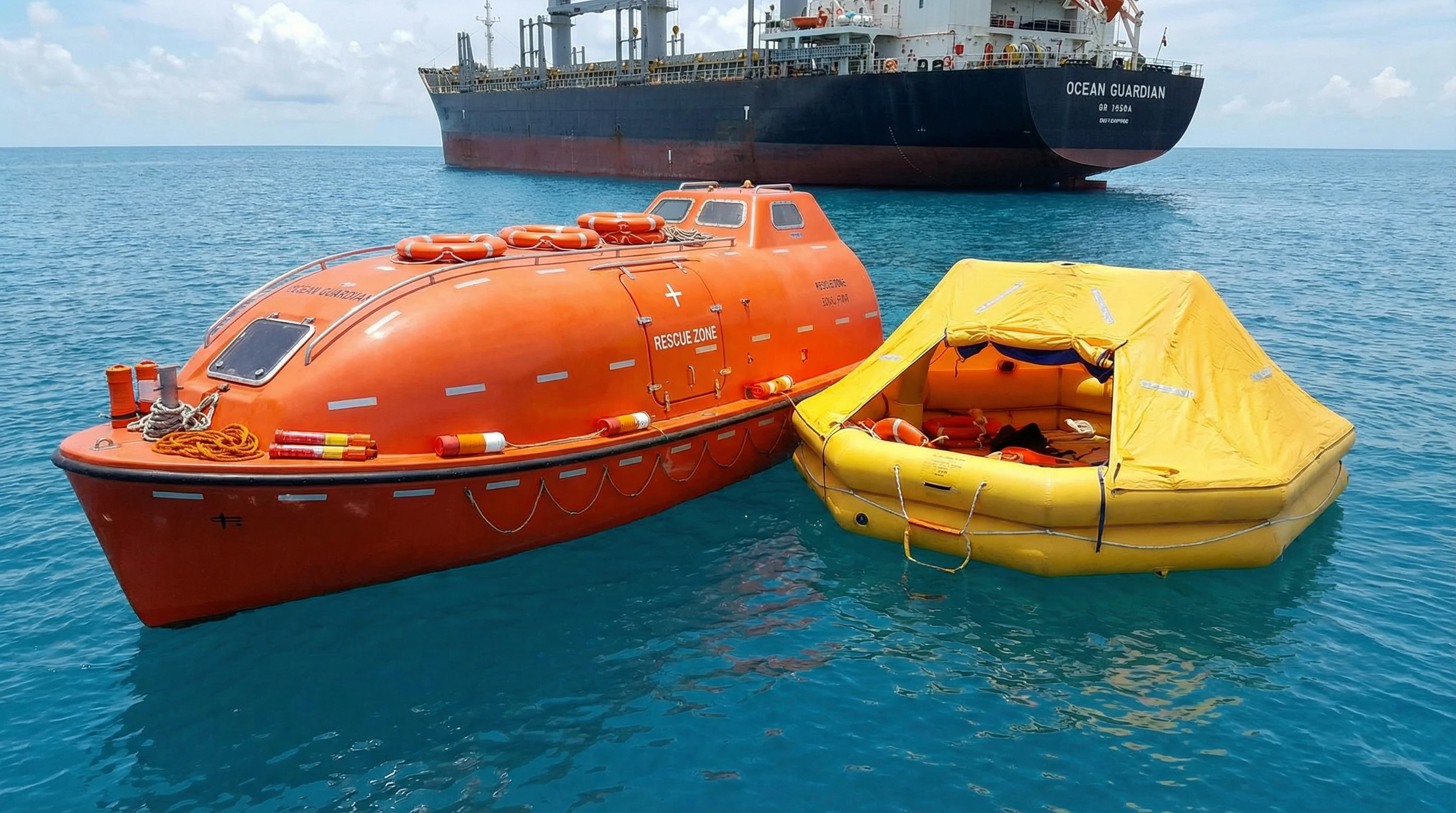
Understanding Lifeboat and Life Raft Basics
Lifeboats and life rafts offer different types of protection and use in emergencies. Both are built for survival, but each works in its own way. Lifeboats are solid, rigid boats often attached to ships with launch mechanisms. They can be propelled by oars or engines and come with hard covers for protection. Life rafts, on the other hand, are inflatable and packed into canisters. When needed, they’re thrown overboard or automatically released if a ship sinks.
I’ve learned that being familiar with each system, and knowing where they’re stored, how they’re launched, and how many people they fit, gives you a real advantage if an emergency ever happens. While they share the goal of keeping people safe, the steps involved in using them differ quite a bit.
Lifeboat Safety Procedures: The Core Steps
Getting the basics down for lifeboat safety procedures is really important for anyone on board, crew or passenger alike. These steps include finding your assigned lifeboat, checking the boat for readiness, and knowing the launch sequence. Here’s how I approach it:
- Locate and Muster: Get to your assigned muster station when the alarm sounds or when instructed.
- Wear a Life Jacket: Put on your life jacket properly and check that it’s secure.
- Check Lifeboat Equipment: Before launching, confirm with a checklist that equipment is present and undamaged.
- Enter the Lifeboat Safely: Board in an orderly way, listening to crew directions. Avoid rushing.
- Secure the Hatch and Prepare to Launch: Once full, close the hatch and get ready for lowering.
- Lower and Release: Lower the lifeboat smoothly using the davit system, then release it from the ship as quickly and safely as possible.
This sequence is practiced during emergency lifeboat drills. Repeated drilling helps crew and regular passengers develop muscle memory. These simple, familiar movements have helped people react calmly even when things get tense.
Life Raft Training Programs and Drills
Life raft training programs teach you exactly how to deploy and board an inflatable raft in tough circumstances. The first time I practiced deploying a life raft, I was surprised how physical it can be. Manual launching usually requires pulling a painter line with force, after which the raft inflates instantly.
Training often covers topics like:
- How to deploy a life raft safely, including manual and automatic launching
- The best ways to board the raft quickly, especially in bad weather or high waves
- How to help injured or weaker passengers get inside
- Positioning and securing the raft next to the ship before cutting it loose
These programs use mock drills and scenario based practice, so you get used to acting fast even with distractions. I always found that these hands on sessions are the best way to build real confidence.
Lifeboat Equipment Checklist
I never skip the equipment check before a drill or voyage. Having everything in working order is as important as knowing what to do. Lifeboat and life raft equipment checklists usually cover:
- Oars or paddles
- Engine with enough fuel (for powered lifeboats)
- Life jackets and thermal blankets
- Flares and signaling devices
- Emergency rations and drinking water
- First aid kit
- Fishing lines and hooks
- Bailing bucket and repair kit
During drills, I always double check that emergency radios, searchlights, and navigation aids are present. Anything missing or broken gets reported and replaced right away. Skipping these checks can cause serious problems later on, so it’s one habit I really recommend.
How to Deploy a Life Raft: Step by Step Guide
Learning how to deploy a life raft under real conditions is a key skill. Here’s the straightforward process that’s drilled into my mind after lots of practice:
- Bring the Raft to the Deck: Remove the container from its rack if it’s not already on the embarkation deck.
- Secure the Painter Line: Tie the painter line to a strong point on the ship first; this prevents the raft from drifting away once it inflates.
- Throw the Canister Overboard: Use both hands to throw the raft container into the water, keeping a good grip on the painter line.
- Pull the Painter Hard: Give the painter line a strong tug to trigger the compressed air inside. The raft will inflate almost instantly.
- Board the Raft: Enter calmly but quickly. Help others in, keeping weight spread evenly.
- Cut the Painter: When everyone is aboard and it’s safe, use the raft knife to cut loose from the ship, unless tethered for a rescue.
This sequence is at the heart of most life raft emergency procedures used on merchant ships, fishing vessels, and yachts. Practicing these steps regularly makes a huge difference.
Emergency Lifeboat Drills: Practicing for the Real Thing
Emergency lifeboat drills are routine practice sessions carried out on ships before departing or at set intervals during voyages. These drills bring the lifeboat safety procedures to life and let everyone rehearse their specific duties. During my own drills, I get to practice:
- Hearing the alarm and heading straight to my muster station
- Donning my life jacket quickly and helping others who need assistance
- Completing a rapid equipment check
- Boarding the lifeboat calmly, even with a crowd
- Lowering the boat using both manual and powered systems
Some drills even include launching the lifeboat into the water, so you experience the sensation of the actual descent. Even though drills can seem repetitive, the repetition works wonders. After a few sessions, most people I’ve trained with feel a real sense of calm and readiness, even those new to sailing.
Lifeboat Survival Techniques
Surviving in a lifeboat or life raft after evacuation brings its own set of challenges. Lifeboat survival techniques revolve around staying warm, signaling for rescue, rationing supplies, treating injuries, and keeping calm. Over the years, I’ve collected some personal tips that work well in both training and real scenarios:
- Maintain Warmth: Huddle together and use thermal blankets to fight hypothermia. Keep clothing dry.
- Share and Ration Supplies: Agree on a plan for food and water rations early on. Avoid eating or drinking everything at once.
- Signal for Help: Use flares, mirrors, or radios at intervals to save power and supplies. Set up night and day signals.
- Stay Organized: Assign roles; lookout, signal person, medic, to keep everyone engaged and efficient.
- Treat Minor Injuries Promptly: Cleaning cuts and keeping wounds covered reduces the risk of infection.
Staying mentally strong really matters, too. I’ve seen even simple group routines, like regular checks or organized watches, help boost morale and keep panic at bay during long waits for rescue.
Lifeboat Safety Regulations and Compliance
Lifeboat safety regulations are set by international conventions, like SOLAS (Safety of Life at Sea), and are enforced by flag states and port authorities. These rules state that enough lifesaving appliances must be available for everyone on board, and they spell out everything from minimum equipment to training requirements. For example, the rules say each lifeboat should carry:
- A minimum supply of water and food rations
- Proper navigation and signaling gear
- Means of bailing, repair, and first aid
- Extra thermal protection for cold climates
Ships are inspected regularly to make sure gear is maintained and crews are qualified. These checks are not just paperwork; they’re there to save lives. I stay up to date by reviewing bulletins from credible marine authorities and keeping my own training current. Trusting the system is easier when you see the effort that goes into compliance.
Common Challenges and How to Handle Them
No lifeboat or life raft system is perfect. Common problems include tough weather, limited supplies, and the risk of panic. Based on what I’ve experienced, some helpful strategies include:
- Weather: Assign passengers to keep watch on raft edges or hatches. Use available covers and balers to stay dry.
- Limited Supplies: Set strict rationing rules from the start. Make collecting rainwater a top priority if stranded.
- Panic or Confusion: Appoint a leader or use a buddy system to keep spirits up and jobs organized.
- Injuries: Get treatment going as soon as possible. Use available resources creatively if you run low on supplies.
The real secret is sticking together and communicating. I find that most problems shrink when the group feels like a team.
Best Practices: Getting Ready in Advance
Preparation starts before any emergency ever happens. Here’s what I pay close attention to before a voyage:
- Read up on the ship’s safety plan, and walk to the lifeboat stations to practice the route
- Attend every scheduled drill, even if you’ve done them before
- Double-check your personal safety gear, such as your life jacket and whistle
- Talk through responsibilities with your assigned group or coworkers
- Ask questions about things you don’t understand
Experience shows that staying proactive makes a real difference. You’ll feel more confident that you can help yourself and others if the time ever comes.
Frequently Asked Questions
Question: How do I know which lifeboat or life raft I’m assigned to on a ship?
Answer: Ships usually post lifeboat station assignments on muster lists displayed in common areas. Your assigned location is also often printed on your cabin door card or shown during the ship’s safety briefing.
Question: What’s the biggest difference between a lifeboat and a life raft?
Answer: Lifeboats are rigid, solid vessels attached to ships with launching davits, while life rafts are inflatable and stored in compact canisters. Lifeboats can be powered; life rafts usually drift or are rowed with paddles.
Question: How often are emergency lifeboat drills required for crew and passengers?
Answer: Most international safety standards require at least one drill before each voyage for new passengers, and weekly or monthly for crew, depending on the type of vessel and its flag state requirements.
Question: Can life rafts be used in any weather?
Answer: Life rafts are designed for rough conditions, but launching can be difficult in extreme wind or high seas. Training programs teach you the safest methods possible for these situations.
Question: What should I do if someone in the lifeboat or life raft is injured?
Answer: Use the onboard first aid kit to treat injuries. Assign someone to monitor their condition. Instruct others to stay calm and maintain order so everyone stays as safe as possible until rescue comes.
Putting Lifeboat and Life Raft Procedures into Practice
Understanding lifeboat and life raft procedures, plus taking part in regular training and emergency drills, really helps boost your overall safety at sea. Relying on clear checklists, sticking to drills, following equipment maintenance schedules, and keeping communication open make dealing with emergencies more manageable.
Building confidence takes time and practice, but every drill or safety session adds to your overall ability to protect yourself and your shipmates. Stay proactive, stay informed, and keep your safety knowledge fresh for any adventure at sea.







This article offers a clear, practical discussion of lifeboat and life raft procedures, emphasising how preparation, training, and repetition directly impact safety at sea. It does a great job connecting real-world drills with confidence-building, showing that knowing the steps ahead of time helps reduce panic during emergencies. The focus on teamwork, equipment checks, and survival techniques reinforces that maritime safety isn’t just about rules; it’s about readiness, communication, and staying calm when it matters most.
Thank you for your thoughtful feedback. We’re glad the article’s emphasis on preparation, training, and repetition resonated with you. As you highlighted, effective drills and clear procedures are key to building confidence and reducing panic in real emergencies. Maritime safety truly depends on teamwork, communication, and a calm, well prepared response, and we appreciate you recognising how these elements come together in practice.