
Ships and cargoes move across oceans every day, but maritime piracy and security threats still put people and goods at risk.
I have seen firsthand how the response to these threats keeps getting more advanced every year, thanks to technology and tighter global cooperation. Taking you through the key topics, I will explain how the industry is working to reduce piracy risks and how shipping companies are strengthening their security at sea.
Understanding Maritime Piracy and the Current Situation
Maritime piracy involves armed attacks, hijacking, and theft targeting ships. The main motives are usually kidnapping crew or stealing valuable cargo. These incidents happen in tricky regions, especially near the Gulf of Guinea, Southeast Asia, and even the coast of South America. Every year, I follow the numbers to keep up with risks. According to the latest maritime piracy statistics from organizations like the International Maritime Bureau, there were about 120 reported incidents globally in 2023. The Gulf of Guinea remains a hot spot, but some Asian waters have also witnessed a noticeable increase in piracy and similar attacks, adding to industry concerns.
Shipping lanes work like highways with few patrols by authorities, making them tempting targets. When attacks happen, not only is property stolen or damaged, but crew safety becomes uncertain. In addition, insurance costs rise for everyone involved. This is why shipping companies and governments pay close attention to keeping maritime routes secure and invest in new approaches to address both old and emerging threats.
Why Responding to Maritime Piracy Is Really Important
Dealing quickly and effectively with maritime piracy threats protects lives, valuable shipments, shipping schedules, and the reputation of shipping lines. Many companies I work with make maritime security training and planning a daily priority. Failing to respond can lead to nasty financial fallout and serious harm to crews. Even incidents that don’t make global headlines create stress, delays, and costs that ripple down the supply chain to consumers. The effects of even minor interruptions can lead to late deliveries, product shortages, and challenges for businesses relying on global shipping.
The international response has encouraged regional navies to join forces and share intelligence. For example, joint patrols and escort services by naval forces in piracy hotspots have reduced some risks, but pirates always look for weaknesses. Staying on alert is super important as criminal tactics continually change.
Main Causes and Patterns in Modern Maritime Piracy
A few things contribute to piracy risk. Some hotspots have weak law enforcement or political instability, and pirates use fast boats, heavy weapons, and even GPS spoofing devices to confuse ship crews. Most attacks nowadays aim for taking hostages or hijacking entire vessels instead of simple loot and run. I’ve seen how recent attacks target container ships and tankers carrying oil, chemicals, or electronics, as these make favorable targets for ransom and resale.
Pirates often use small, fast boats, approaching ships at night or during poor weather. When I check out incident reports, crew staying sharp, often combined with strong onboard security makes a real difference in deterring or stopping these attacks. Patterns show that pirates choose periods of low visibility, exploiting shifts in crew routines or gaps in patrol coverage. Understanding these patterns helps shipping lines adapt their security plans accordingly.
The Role of Technology in Maritime Security
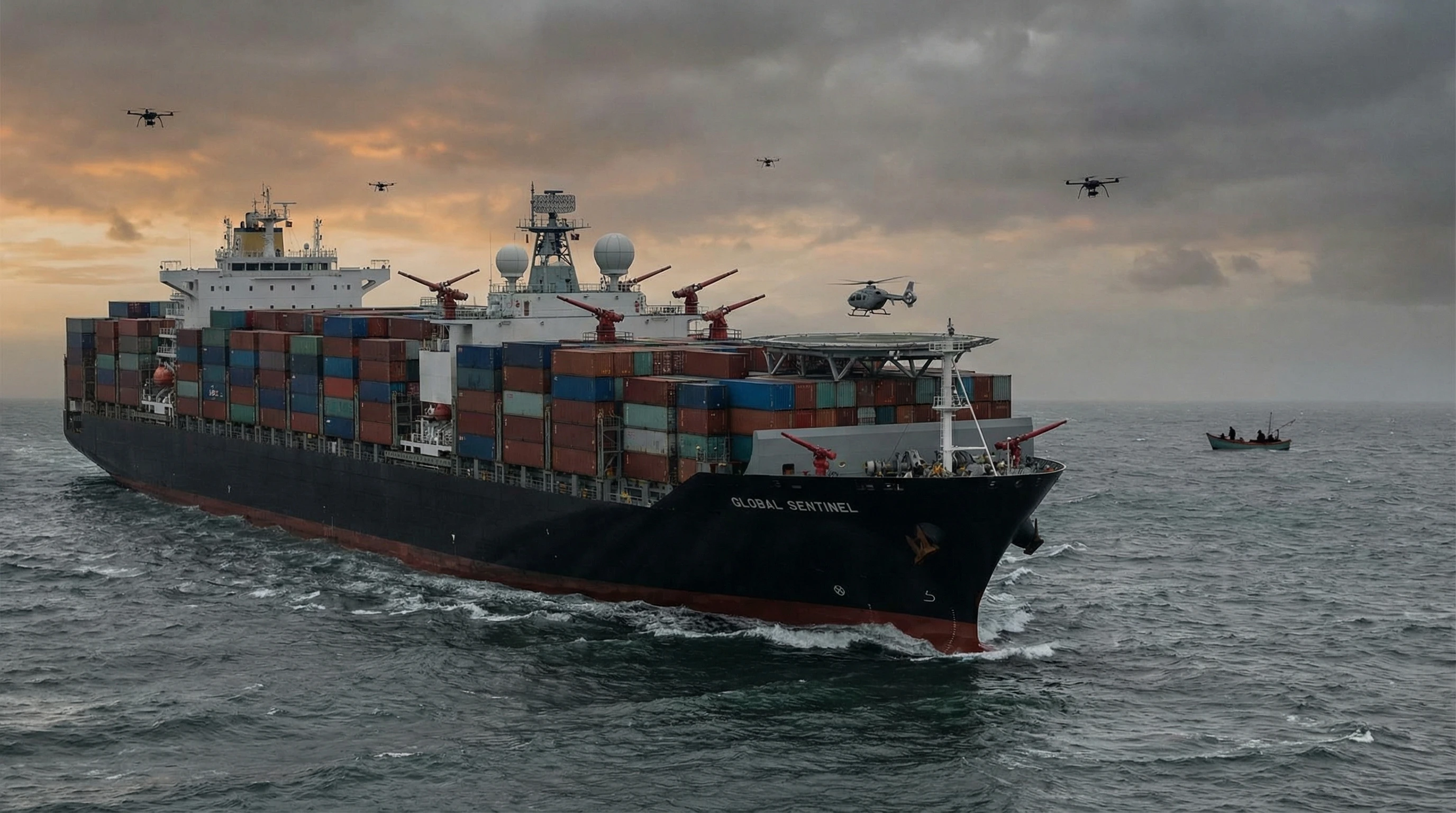
Technology now plays a huge role in how ships handle piracy threats. The impact of technology on maritime security has led to noticeable advances. Ships now use radar, automatic identification systems (AIS), drone surveillance, and nonlethal defensive tools to spot and counter threats before attacks get serious.
- Best Anti Piracy Technologies 2026: Next-generation radar powered by artificial intelligence can spot suspicious behavior earlier. Some ships use high definition video feeds to monitor their surroundings all the time.
- Water Cannons and LRADs: Long Range Acoustic Devices (LRADs) can blast ear-piercing sounds to deter or slow down attackers, without endangering the crew or neighboring vessels.
- Drones and Night Vision: Unmanned aerial vehicles (drones) with night vision cameras fly ahead of ships, giving the bridge crew a big advantage to track down approaching boats before they come too close.
- Electronic Fencing: Sensor triggered alarms and electrified barriers slow or shock boarding attempts. This buys valuable time to mount an emergency response.
With my active involvement in the shipping business, I have witnessed shipowners and captains turn to these systems to give a boost to safety. Criminals adapt constantly, searching for new loopholes. Regular technology updates help keep defenses tight, plugging gaps before pirates can exploit them. Ship operators also check for software updates and hardware maintenance to ensure their devices work at sea for extended voyages.
Strategies for Maritime Piracy Response
From my work in the shipping industry, I’ve learned that successful maritime piracy response blends preparation, technology, training, and support from national governments. Applying layered defenses and following strong maritime security strategies for shipping pays off, especially in hotspot areas. Recent years have seen a trend towards adopting flexible response systems, customized according to crew composition, trading routes, and cargo types.
- Hardening the Vessel: Securing openings, installing razor wire, and using locked doors create extra barriers during an attack. Every entry point is reviewed for weak spots.
- Route Planning: Mapping out alternate paths, monitoring piracy alerts, and traveling in a convoy when possible limits exposure. Well thought-out routes avoid hotspot regions, sometimes even if this means extra travel time.
- Emergency Drills: Practicing lockdown, muster, and calling for help should be a routine for each journey. Continuous training ensures everyone can move quickly if danger appears.
- Safe Muster Areas (Citadels): Designated secure areas allow crew members to shelter, lock themselves in, and keep up communication with authorities.
- Communication: Using satellite communication, ships stay in touch with authorities and company headquarters to report suspicious activity the moment it’s detected.
Having solid plans, rehearsing drills, and making sure everyone onboard knows their responsibilities during an attack are proven strategies that work. Early detection and swift reaction matter. Speed often determines whether crew remain safe or if the ship faces a larger emergency.
Challenges in Preventing Maritime Piracy
Even with all the progress, some challenges remain. Risky regions cover huge areas that are difficult to patrol. Coastal states may not have enough naval presence or modern technology to monitor remote and busy waters. Limited funding means some ships skip out on best-practice security, especially smaller operators or vessels on tight budgets.
Language barriers further complicate coordination between multinational crews or working with foreign authorities. There may be delays between identifying threats and telling nearby coast guards or warships. Pirates switch things up by using “mother ships” to extend their reach, camouflaging as fishermen, or striking during bad weather when visibility is poor. Criminal networks organizing these acts have also grown more sophisticated, sometimes benefiting from local support or inside information on cargo schedules.
I’ve seen even well-prepared crews startled by surprise attacks. This just reaffirms why repeated drills and staying sharp about current warning bulletins are essential. Smart risk management goes a long way—heightened awareness, flexibility, and new tools can help prevent maritime piracy before it happens.
How to Prevent Maritime Piracy: Practical Measures
No single method works every time, so using a mix of approaches is best. From my experience and based on advice from groups like the International Maritime Organization (IMO), these steps have made a big difference:
- Stay Informed: Subscribe to the latest maritime piracy alerts, keep charts and safety briefings updated before every departure. Use international platforms for incident reports and risk assessments.
- Raise Awareness: Share news, statistics, and learnings from recent incidents on board. Realistic discussions help crew know what to look out for and how to respond in case of trouble, keeping security fresh in everyone’s mind.
- Keep a Low Profile: Cut down on visible lighting and switch radios or AIS transponders to silent mode in high-risk zones. Avoiding unnecessary attention can mean pirates overlook a ship entirely.
- Company Policies: Clear security guidelines must be included in every voyage plan. Owners should invest in the best anti-piracy technologies 2026 and regularly review them to match the evolving risk.
- Team Up with Authorities: Register your transit with regional navies and listen to their guidance. Use convoy escorts when recommended, and always report suspicious events to shared information centers to get the word out efficiently and protect others as well.
Adding more: Shipspotting and tracking technology have improved risk mapping. Some operators now use predictive analytics to foresee routes where attacks might happen and avoid them. Peer sharing among crews at ports, during training, or on social media has also made security habits spread fast throughout the industry, leading to stronger collective defense.
Case Example: Quick and Effective Crew Response
Recently, a container ship off West Africa followed these steps and avoided disaster. As a suspicious skiff approached, they rolled out water cannons, raised all alarms, and locked down key entry points. The whole crew gathered in the safe muster area and contacted naval forces via satellite communications. Because of the crew’s discipline, fast action, and use of anti-piracy tools, the pirates abandoned their approach rather than risk a drawn-out fight, showing how well-prepared plans protect lives and cargo.
Selecting the Right Technologies for Shipping Security
When I advise shipping companies, I always recommend mixing active and passive anti-piracy tools. The best anti piracy technologies 2026 offer a broad range, advanced radars, thermal cameras, acoustic deterrent devices, and armored citadels. Cybersecurity also matters more than ever since pirates, in some cases, try to access ship systems remotely. Strong firewalls, regular patching, and staff awareness keep ships safe from these evolving digital threats.
It’s also vital to check for future-ready upgrades. Equipment that seems advanced today could be basic in a few years. Crews need ongoing training to put new tech to work and handle them confidently in emergencies. Drills, scenario planning, and refresher courses guarantee that even as equipment changes, human readiness stays at the top level.
Real-World Examples of Technology in Action
- Thermal Cameras: Ships in the Singapore Strait track down small boats in the dark, when pirates most frequently try to get close unnoticed.
- GeoFencing Alarms: These systems trigger sirens whenever unknown boats enter a defined safety zone around a ship.
- Smart Locks: Remotely controlled locks seal bridge and engine room doors, keeping pirates from entering critical spaces for crucial extra minutes during an attack.
Selection should always depend on your trade route, your cargo, and the risks in each operating region. No system is a universal fit, and sometimes customizing makes all the difference for long-haul or regional operations.
Maritime Security Strategies for Shipping Companies
Each shipping line creates its own maritime security strategies, based on local laws, insurer demands, and government suggestions. From what I’ve experienced, successful strategies include detailed risk assessments before every trip, specialized training for all crew, and regular checks on security gear before departure and during the voyage itself.
Respected companies build links with naval authorities in their trading regions and actively take part in international monitoring programs. Teams from private maritime security contractors are sometimes hired for really dangerous zones. Companies constantly review plans and network intelligence to keep steps up to date, adjusting tactics as pirates change their game. Regular feedback from crew ensures these plans stay realistic instead of only existing on paper.
Ship owners, masters, and crew must all contribute, by working together, using careful planning, better technology, and strong team response, everyone sees less risk and smoother operations. Good communication and a strong community can mean the difference between safe arrival and a major loss.
Frequently Asked Questions
Here are questions I often get about piracy and security at sea, along with straight answers based on what I have seen in the field:
Question: What should crew do if pirates try to board the vessel?
Answer: Activate all alarm systems, inform authorities right away, retreat to the secure muster area, and avoid direct confrontation. When safe, use available anti piracy tools to slow down attackers. Stick exactly to your vessel’s own security plan.
Question: How do ships keep up with new piracy tactics?
Answer: Teams need to stay current on security briefings and adopt the latest updates to both technology and procedures. Regular coordinated drills, peer sharing, and reaching out to industry contacts make it easier to keep up with criminal trends and stay one step ahead.
Question: Is it too expensive for smaller operators to protect their ships?
Answer: While advanced gear can run costly, basic steps, like training, razor wire, durable alarms, and easy to follow plans, cost far less and offer effective results. Smaller vessels can join programs or coordinate for safety escorts, making comprehensive security viable even on limited budgets.
Question: How has technology changed shipping security in the last ten years?
Answer: The arrival of night vision, automated surveillance, and better communication gear has made crews far more aware and able to react. Ships now use many nonlethal tools to deter boarding, and faster support from shore based authorities has prevented more losses than ever before.
Question: Do pirates ever use cyberattacks to target vessels?
Answer: Yes, there have been rising attempts where criminals try to gain remote access to ship systems. That is why modern cybersecurity, strong passwords, firewall protection, network monitoring, and detailed crew training, plays a huge role in keeping all operational data and control systems protected while at sea.
Final Thoughts on Building Safer Seas
Staying ahead of piracy threats takes a daily effort for everyone involved in global shipping. Responding to security risks means planning, training, and updating technology as pirates figure out new tricks to catch crews off guard. My experience shows that smart research, nimble strategies, and repeated onboard drills protect lives and cargo. Whether you are running a shipping company or part of a crew, every investment in maritime security always pays off in smoother voyages and successful deliveries worldwide.


This article rightly places the primacy of crew safety and the ‘avoidance is best’ principle at the forefront. The psychological and procedural points about not attempting to be ‘heroic’ and the clear chains of command during an incident are as crucial as the physical hardening measures. It’s a sobering but necessary read that reinforces why our training is so vital.
Well said. The emphasis on avoidance and crew safety over heroics is a message that can’t be repeated enough. Incidents rarely reward improvisation under pressure, and the reminder about discipline, psychology, and clear command structures is just as important as any physical mitigation. Articles like this are uncomfortable for a reason, they reinforce why realistic training and adherence to procedure matter when it counts.