Learning ship terminology is one of the best ways to start if you want to understand how ships work or if you plan to spend time at sea. When I first began exploring nautical vocabulary, many of the words seemed confusing. Most ships share the same core terms, and getting familiar with this language can make any trip or conversation about boats much more enjoyable. This ship terminology guide will break down the basics and share tips for learning ship terms for beginners.
Why Understanding Ship Terminology Matters
Getting to grips with ship terms explained for beginners can help prevent misunderstandings and boost safety. When you know the correct language, you can communicate with crew members, instructors, or fellow sailors smoothly. In emergency situations, using the right words can make instructions clear and keep everyone calm. Nautical terms for sailors are often used in official documents, international regulations, and even in ship tours you might join for fun.
If you dream of working at sea as a mariner, or if you want to enjoy recreational boating, understanding maritime vocabulary sets you up for success from the start. Learn ship vocabulary online or through ship terminology tutorials to help give a boost to your confidence and let you participate more fully on board.
Basic Ship Structure: Parts of a Ship Explained
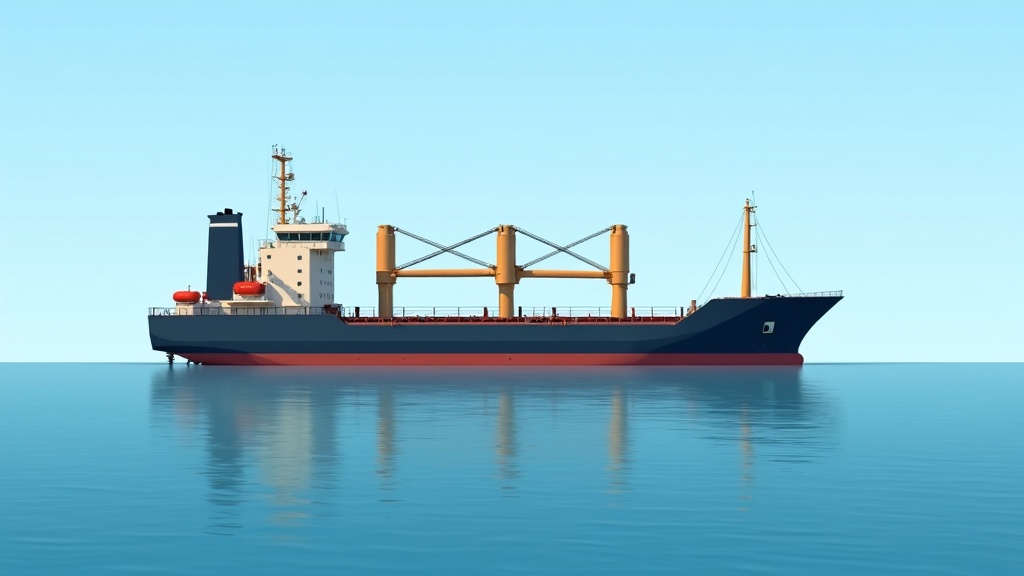
The shape and sections of a ship might look complicated at first, but most vessels share a similar blueprint. Here are some key components:
- Bow: The front end or nose of the ship. If you’re standing at the bow, you’re facing forward.
- Stern: The rear or back end of the vessel. When someone says “go aft,” they mean move toward the stern.
- Port: The left-hand side when facing forward, toward the bow.
- Starboard: The right-hand side when facing toward the bow.
- Deck: The flat surface or floor of a ship, similar to floors in a building. Most ships have several decks.
- Hull: The main body of the ship that floats in the water.
- Bridge: The control center where the ship is steered and guided.
Once I learned these simple ship terms for beginners, descriptions on ship tours started to make more sense. Even signboards and safety instructions became easier to follow.
Common Nautical Terms and Their Meanings
Ship terminology for mariners includes many unique words not often used on land. Here are some of the nautical glossary for beginners:
- Knot: A unit of speed equal to one nautical mile per hour. Ships and boats use knots instead of miles per hour.
- Mast: A tall vertical pole that supports sails (on sailing ships) or antennas and lights (on motor ships).
- Galley: The kitchen area of a ship.
- Cabin: A small, private room for passengers or crew, usually for sleeping.
- Bilge: The lowest compartment inside the hull where water collects.
- Anchor: A heavy device connected by chain or rope used to hold a ship in one place.
- Mooring: Securing a ship to a fixed point, like a dock or buoy.
- Helm: The steering wheel or tiller used to control the direction of the ship.
Using a ship terminology guide, books or a digital nautical glossary for beginners can really improve your understanding, especially when reading articles or watching documentaries on ships.
How to Learn Ship Vocabulary Online
I’ve found that the best way to master ship terminology for mariners is through a mix of online tutorials, mobile apps, and quizzes. Most platforms offer interactive resources, illustrations, and real-life examples. Some options include:
- Glossary apps designed for sailors
- Video ship terminology tutorials with animations
- Virtual tours of famous ships with labeled parts
- Online quizzes for reinforcing ship terms explained for beginners
- Printable word lists to use as flashcards
Whenever I learned a new term, I’d try to use it in real conversations or discussions about ships. Saying a word out loud or working it into a quick story helps your memory.
Ship Terms in Action: Practical Examples at Sea
Understanding ship jargon isn’t only useful for quizzes or classroom situations. During onboard drills or even simple activities like walking from one part of a ship to another, knowing which direction is port or starboard can keep you oriented.
If someone says, “Meet at the foredeck near the bow,” having a solid understanding of ship vocabulary online or through practical use makes you feel at home on almost any vessel. This came in handy when I joined a harbor tour. Crew members used proper ship language, and because I’d studied basic ship terminology, I felt included and safe.
Essential Safety-Related Ship Terms
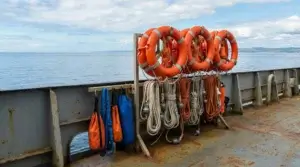
Safety at sea is a top priority, and special terms help keep communication clear. Emergency procedures or drills rely on everyone quickly recognizing and using the same words.
- Life raft: An inflatable boat used in emergencies if evacuation is necessary.
- Muster station: A designated gathering point for crew and passengers during drills or emergencies.
- Mayday: The international distress signal for radio communication.
- Man Overboard: A call made when someone falls into the water.
- Watertight door: A special door that stops water from spreading between sections of the ship.
Ship terminology for mariners covers more than technical or everyday shipboard tasks. Learning the safety language means I can respond quickly and calmly in unexpected situations.
Challenges Beginners Face When Learning Ship Jargon
Most newcomers struggle with abbreviations, unique pronunciation, or old-fashioned nautical words that rarely show up elsewhere. Seeing, hearing, or reading “amidships” or “abaft” can feel a bit overwhelming. Here’s what helped me through those challenges:
- Breaking long lists into small, themed groups (like directions, safety, or ship parts)
- Watching ship terminology tutorials to hear proper pronunciation
- Practicing by labeling a ship diagram or model
- Quizzing myself with flashcards or online puzzles
- Joining discussion forums or online groups for sailors and mariners
Regular practice makes the terms feel more natural, and you soon recognize them in movies, books, and news stories about shipping.
Advanced Ship Terminology and Their Uses
For anyone moving beyond the basics, understanding complex terminology lets you follow technical conversations or participate in navigation and maintenance discussions. A few advanced terms include:
- Bulkhead: A vertical wall within the ship, dividing compartments for structural strength and safety.
- Transom: The flat or slightly curved surface forming the stern of the vessel.
- Draft: The vertical distance between the waterline and the bottom of the hull.
- Ballast: Weight added to improve stability, usually water or solid material carried in the ship’s bottom.
- Freeboard: The height from the waterline to the upper deck level.
- Forecastle (Fo’c’sle): The forward part of the upper deck, typically used by crew for lodging or storage.
Ship terminology tutorials often explain these advanced words with diagrams and examples from real ships. Over time, I learned that combining practice with real-world observation, like watching a ship being loaded or touring a port, helped lock in new terms in my mind.
Tips for Remembering and Using Ship Vocabulary
- Keep a personal notebook or digital list of new words with definitions and sample sentences.
- Subscribe to maritime newsletters or watch related YouTube channels to see the vocabulary in use.
- Download and review interactive flashcards on your phone.
- Read classic sea stories, like “Moby Dick,” to spot repeating ship terms in context.
When I struggled to remember some tricky words, drawing simple sketches or making up short rhymes really helped. Consistent exposure, from visiting a local marina to watching documentaries, makes remembering words much easier over time.
Nautical Etiquette and Communication on Board
Knowing the right words isn’t just about reading manuals; it’s important for day-to-day communication. Crew members use clear, direct language to keep everyone safe and organized. Some tips for communication include:
- Repeat instructions back to confirm understanding.
- Use universally recognized maritime words, even with mixed-language crews.
- Stick to the standard terms for directions, locations, and equipment.
Practicing this approach helped me feel more confident during group activities and safety drills on ship tours and training exercises.
Ship Terminology FAQs
New learners often have similar questions when starting to check out maritime language. Here are a few common ones:
Question: Why do ships use “port” and “starboard” instead of left and right?
Answer: Port and starboard eliminate confusion. No matter which direction you’re facing, port always means the ship’s left side facing the bow, and starboard always means the right side. This keeps communication clear, especially during maneuvers.
Question: How do I know when to use ship terms rather than regular words?
Answer: When on a vessel, crew use the traditional terms to be specific and avoid mistakes. If you’re learning, use nautical terms for sailors as often as possible to get used to them.
Question: What’s the fastest way to learn new ship vocabulary online?
Answer: Combining ship terminology tutorials, flashcards, quizzes, and real-life practice, either with a model ship or during ship tours, helps you make progress quickly.
Question: Are there resources for learning ship terminology for mariners other than online?
Answer: Yes. Books, printed nautical glossaries, and local boating clubs often offer introductory lessons. Joining community events or volunteering for harbor clean-ups gives a chance to use new terms regularly.

Question: How is ship terminology important in emergencies?
Answer: Accurate language avoids confusion. Shouting “man overboard” or “fire in the galley” makes the problem and location clear, so immediate action can be taken.
Practical Uses and Next Steps
If you’re new to ships, setting aside a few minutes a day to review ship terms explained for beginners helps you build a strong foundation. Visiting local marinas, exploring ships through online virtual tours, and chatting with experienced mariners are enjoyable ways to reinforce what you learn.
I recommend keeping track of interesting or confusing words in one place so you can revisit them and see your improvement. This habit made my own learning much smoother and more rewarding. As you advance, continue to jump into ship terminology guides and challenge yourself with both basic and advanced vocabulary.
With regular practice and genuine curiosity, understanding shipping terminology soon feels natural. You’ll find that knowing the unique language of ships opens up a whole new world of discovery, both on shore and out at sea.


This is an incredibly helpful and clearly explained guide! As someone new to the maritime world, I’ve always found ship terminology a bit intimidating. This article breaks it down in a way that’s actually easy to digest and remember.
The simple definitions for terms like port, starboard, bow, and stern are perfect. I especially appreciated the clear distinction between the keel and the hull—that’s something I’ve often mixed up. This is an essential read for any beginner, making a complex subject feel much more approachable. Thanks for putting together such a valuable resource!
Thank you so much for your kind words! I’m really glad to hear the guide helped make maritime terminology feel more approachable. It can definitely seem overwhelming at first, but once the basics click—like port, starboard, bow, and stern—it all starts to make sense. I’m especially happy the distinction between the keel and hull stood out to you; that’s a common point of confusion for many beginners. I appreciate your thoughtful feedback and wish you smooth sailing as you continue exploring the maritime world!
This is a really helpful guide—thanks for breaking down those ship terms so clearly! I especially liked the sections explaining parts of the ship (bow, stern, hull) and how to learn the vocabulary through practical tools like diagrams, quizzes, and real-life observation. It makes what seemed like a complex subject feel much more approachable. I’m curious: when you practiced saying the new terms aloud, which technique did you find most effective—making up short stories, drawing sketches, or using flashcards—and why?
Thanks so much — I’m really glad you found the guide helpful! It’s great to hear that the explanations and learning tools made the ship terms feel more approachable.
When I was practising the terminology myself, I found that making quick sketches alongside saying the words aloud worked best. Something about connecting the visual layout of the ship to the spoken term really helped it stick — especially for parts like the bow, stern, and hull. I’d use flashcards later for review, but those simple drawings gave the vocabulary real context.
Hope that helps, and I appreciate you taking the time to share your thoughts!
Thank you for putting together such a comprehensive guide! I’ve always been fascinated by ships and maritime history, but the unique vocabulary often made reading articles or watching documentaries feel overwhelming. This post really breaks down the complexity and makes the information accessible for beginners.
The section on Basic Ship Structure was immediately helpful. I have often struggled to quickly distinguish between Bow/Stern and Port/Starboard. Your simple explanation that port refers to the ship’s left side when facing the bow clarifies this perfectly! It makes so much sense now that these terms exist specifically to eliminate confusion.
I’m curious if you could address a related topic in a future post: What is the primary difference between a “ship” and a “boat” in formal nautical terminology? I know it’s a common question for beginners, and I would love to read your expert perspective on it.