Emergency communication at sea is super important for safety. Being able to quickly and clearly share urgent information during a crisis can mean the difference between a safe outcome and disaster.
My experience with small boating and maritime training has shown me that even simple mistakes or confusion during emergencies can cause major delays in rescue or increase danger for everyone on board. So, I’m going to walk you through the main systems and protocols used for emergency communication, how ships and yachts handle urgent situations, and what best practices help keep everyone prepared and safe.
Why Emergency Communication Systems Matter at Sea
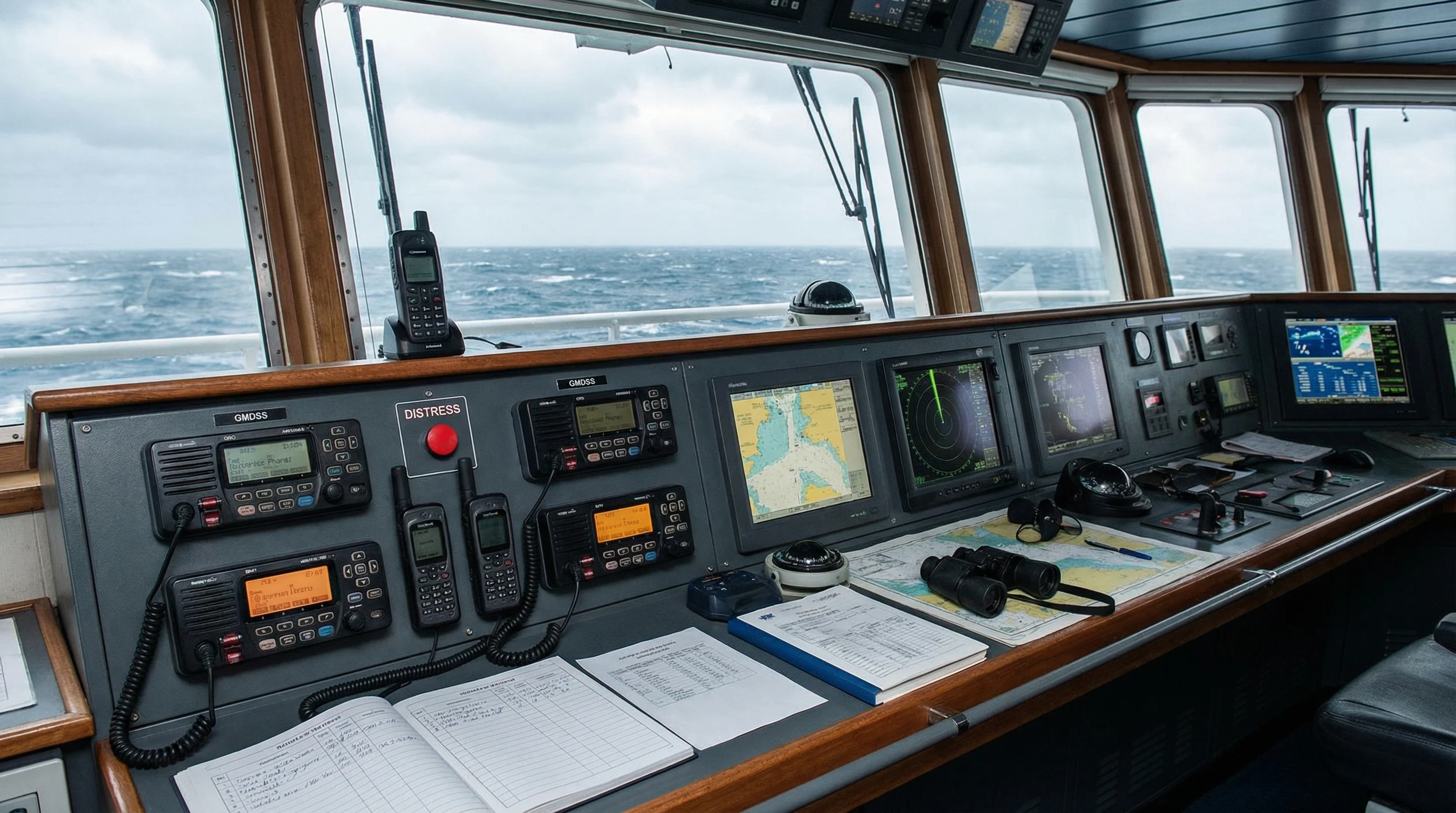
Out on open water, there’s a real sense of isolation. Unlike on land, I can’t just make a quick phone call or expect help to show up fast. Instead, I rely on specialized systems that let me reach out to other ships or rescue teams if I’m in trouble. These systems are designed for reliability even in rough weather or long distances. The International Maritime Organization (IMO) outlines the core standards for these tools, making sure all ships stick to certain safety levels and protocols. Without these tools and rules, even a small emergency could turn much worse.
For people on everything from cargo vessels and ferries to pleasure yachts, investing in reliable emergency communication systems is a key safety practice. These tools help not only with life threatening emergencies but also in less severe situations like equipment breakdowns or sudden illness. It’s also worth noting that modern technology has made these systems more accessible and userfriendly, even if you’re sailing solo or with a small group. As marine activity keeps growing, having up-to-date communications equipment isn’t just a best practice, it’s a smart move for every trip on the water.
How Emergency Protocols for Ships Work
Every ship needs to follow set emergency procedures. These are steps I’m trained to use in different types of urgent situations. Having clear emergency protocols for ships makes sure that everyone knows what to do and how to get help. Here’s an overview of the core actions that make up most protocols:
- Alert and Notify: Use sound signals (like alarms or bells) and radio calls to get everyone’s attention, and then contact rescue services or nearby ships.
- Accurate Situation Reporting: Share clear information about what has happened, such as the nature of the emergency, the ship’s exact position, and the number of people involved.
- Continuous Updates: Keep authorities updated on changing conditions until the situation is resolved.
- Role Assignments: Make sure crew or passengers know their emergency roles, like who will communicate with authorities or manage safety equipment.
On most commercial vessels, all crew members practice these procedures with drills carried out under international regulations like SOLAS (Safety of Life at Sea). Drills and refreshers help maintain quick response and reduce confusion if something real does happen. In addition, clear signage and designated muster points help crew and passengers get to safety efficiently.
The Best Maritime Communication Tools for Emergencies
I’ve come to trust a combination of both traditional and modern tools for handling emergencies at sea. Each tool has its strengths and is often selected based on vessel size, distance from shore, and risk level:
- VHF Radio: Still the most common way to communicate in emergencies. The dedicated Channel 16 lets ships send distress calls that can be heard by nearby vessels and coast guards.
- Satellite Phones: These allow voice calls far from shore, beyond VHF range. They’re mainly used for long-range vessels or when sailing in remote regions.
- EPIRB (Emergency Position Indicating Radio Beacon): Sends an automated distress signal via satellite when activated. EPIRBs let search and rescue services know my location even if I can’t communicate directly.
- SSAS (Ship Security Alert System): This system silently notifies authorities if a pirate attack or other security threat occurs without tipping off those causing the danger.
- GMDSS (Global Maritime Distress and Safety System): An international safety framework that uses radio and satellite tech, text alerts, automated alarms, and coordinated response channels.
Yachts and smaller recreational boats sometimes simplify things, but growing numbers now add personal locator beacons, waterproof walkie talkies, or even satellite messengers. I always recommend at least a VHF radio and an EPIRB for reliable safety. It’s also smart to keep backup batteries and spare antennas, malfunctions do happen, especially around saltwater and weather extremes. In recent years, new marine apps that send pre-scripted emergency messages have started to enter the market, adding another layer of security for tech minded mariners.
Emergency Response Procedures at Sea, What Actually Happens
When an emergency happens, the sequence of actions that follows is called the emergency response procedure. I’ve trained and taken part in simulated drills, and the basics come down to:
- Identify the emergency: Recognize what’s going wrong: fire, flooding, medical event, or collision.
- Raise the alarm and communicate: Alert everyone aboard and send a distress message using the best available tool.
- Assess and respond: Crew or passengers carry out their assigned tasks, like fighting a fire, preparing life rafts, or giving first aid, while continuous communication is maintained with rescue services.
- Evacuate if needed: If the ship can’t be saved, organize an orderly evacuation and keep communications going from life rafts or survival craft.
The actual steps come from both international standards and specific company policies. Regular practice helps everyone react quickly, even under pressure. Over time, good drills help weed out minor missteps or confusion, making the real action almost second nature when every second counts.
Best Practices for How to Communicate During Emergencies at Sea
Clear, calm communication saves lives. Over the radio, there are set words and phrases for urgency to prevent confusion. Here’s what I stick to and recommend to other mariners and yacht owners:
- Use the right priority call: “Mayday” is for immediate danger to life. “Pan Pan” is for urgent situations that aren’t immediately life threatening. “Securité” is for safety info like dangerous obstacles or weather.
- Speak slowly, repeat key information, and include ship name, location (latitude/longitude if possible), nature of distress, and number of people involved.
- Stick to Channel 16 on the VHF radio for distress calls or switch to any frequency directed by authorities.
- After the call, stay by the radio and update any changes.
Yachts, especially, can get into trouble if owners and guests aren’t aware of these priorities. Posting a visible radio communication guide in the cabin makes it easier for untrained people to act in a crisis. Simple, pictorial guides or laminated cards are helpful when nerves run high and quick reference is needed. Exchanging information in a calm, concise way not only helps rescuers but also reassures those onboard.
Emergency Communication Training for Mariners
Knowing how to use emergency communication systems doesn’t just come naturally, I’ve had to put in real practice and so do most sailors. Commercial crew must complete approved safety training and refresher courses, covering theory and hands-on drills for radio calls, distress signaling, and tool usage. Training usually covers:
- How to work the VHF radio, satellite phones, and EPIRBs
- When and how to send different types of distress calls, following current emergency communication standards for the maritime industry
- Familiarity with international signal codes, like Morse code or signal flags (which can back up radio calls if tech fails)
Private skippers or recreational yacht owners sometimes skip this training, but I’ve noticed that even an afternoon spent practicing with your own equipment makes a big difference in actual emergencies. Online tutorials, manuals, and local maritime schools all offer practical courses, often with certificates that are helpful for insurance purposes. If you get hands on time with your radio and safety gear, it helps remove panic when something goes sideways. When learning, ask questions and try to simulate real situations for a more realistic experience. Having a regular drill schedule, like before each big trip, keeps everyone on the same page and gives a boost to confidence.
Special Tips on Emergency Communication Systems for Yachts
Smaller boats and yachts tend to operate with fewer crew members, so selfreliance is key. Here’s what works for me and other yacht skippers I know:
- Install and test the VHF radio before every trip. Handheld models serve as backup if the main set loses power or gets submerged.
- Carry an up to date EPIRB, registered with your personal and vessel details, and keep it within reach.
- Add a personal locator beacon (PLB) or satellite messenger, especially when offshore or in remote regions.
- Laminated cheatsheets for distress calls help guests who aren’t familiar with procedures.
- Brief guests or lessexperienced crew on emergency roles and radio operation before you leave the dock.
Modern technology now allows even small vessels to have pretty effective communication setups. Many marine apps also pair phones with satellite messengers. Keeping all batteries charged and gear dry is basic but super important. A waterproof box for extra electronics and a backup power bank can save the day if the main gear stops working or gets wet. Investing in floating, waterproof radios and locators is smart since accidents can happen quickly on deck.
Understanding Emergency Communication Standards for Maritime Industry
The international maritime community maintains strong standards to reduce confusion and make sure help can always be reached. Here are a few main rules that I follow:
- GMDSS is required for most commercial vessels and covers everything from radio equipment to satellite beacons. Compliance is checked in surveys and drills.
- EPIRBs and VHF radios must be regularly tested and kept easily accessible.
- Training is not just encouraged but often required by law for captain and crew, even on small commercial vessels or charter yachts.
- Regular documentation, like communication logs and signal checklists, helps authorities audit safety performance and spot problem areas.
Recreational boaters are encouraged to voluntarily adopt many of these practices, even if not required by law. It’s a simple way to help rescue teams help you faster if trouble finds you. Following these standards also smooths the way for insurance claims and can reduce premium costs when your vessel is inspected. Staying up to date with periodic news from your local maritime authority guarantees you’re not missing new rules or improved gear options. For international voyages, double check that your equipment and paperwork meet the regulations of your destination country.
Common Challenges and Smart Solutions for Emergency Communication
Even with all the standards and technology available, I’ve seen emergencies where communication falls short. Here are the most common problems and some solutions:
- Dead Batteries or Broken Equipment: Always test devices before departure. Carry backup power sources like portable batteries and make sure all connections are dry and secure.
- Poor Signal or Interference: Plan routes inside VHF range if possible. For remote journeys, invest in satellite devices or dualband radios. Checking weather and solar activity helps too, since storms or sunspots can block signals.
- Untrained Crew: Hold regular drills, even with family or guests, so everyone can send a distress call and knows what information to include.
- Language Barriers: Most professional radios include preset signal codes or international symbols to help bridge gaps. Still, using simple, clear phrases in English is usually effective for rescue teams worldwide.
- Equipment Compatibility: When adding new tech, make sure all devices work together and check which frequencies are used in your area.
Solving these problems comes down to preparation, practice, and regular gear checks. Any shortcomings become much more serious when panic sets in during a real emergency. Having a protocol printed out and a checklist for each trip helps a lot. Developing a habit of double checking gear before you leave the dock is one of the easiest ways to avoid headaches at sea.
Frequently Asked Questions
Here are some questions I’ve been asked about emergency communication protocols at sea:
Question: What’s the first thing to do in a maritime emergency?
Answer: Stay calm and raise the alarm using your VHF radio on Channel 16 with the right priority call (“Mayday” or “Pan Pan”). State your position and the nature of your emergency, then follow up as your situation changes.
Question: How can yacht owners improve their emergency communication readiness?
Answer: Invest in tested and up to date VHF and EPIRB equipment. Hold regular, simple practice drills with everyone who sails with you. Print a radio cheatsheet and mount it near your main radio or emergency kit.
Question: Are mobile phones a good backup at sea?
Answer: Not really. Phones may work near shore but lose signal quickly off the coast. Always rely on marine communication tools first.
Question: Do all boats need the same emergency equipment?
Answer: No. Ship size, range, and sea conditions all play a part. Small pleasure boats still need VHF radios and flares, while bigger or oceangoing ships must meet international GMDSS rules with EPIRBs, satellite communicators, and more.
Question: Where can I learn to use emergency communication tools?
Answer: Local maritime schools, coast guard auxiliary classes, and even online resources. Many harbors and marinas offer short safety courses as well.
Wrapping Up
Building strong emergency communication protocols is a shared responsibility for everyone at sea. From commercial captains to occasional yacht owners, knowing your equipment, practicing procedures, and understanding the language of distress calls are the first steps to safer adventures. With solid emergency communication systems on board, help is always within reach, even hundreds of miles from shore. Whether you’re just starting your boating adventure or already a seasoned sailor, remember: a little preparation and attention to communication gear can make all the difference when things go wrong.




Emergency communication protocols at sea are essential for safety, helping mariners quickly alert others and coordinate rescue when emergencies occur. By using standardised distress calls, reliable tools like VHF radios and EPIRBs, and following international guidelines from the International Maritime Organisation, crews can reduce confusion and speed up response times. Regular training, drills, and well-maintained equipment ensure these systems work effectively when they are needed most.
Well said. Effective emergency communication can make the difference between a manageable incident and a major disaster at sea. Standardised procedures and equipment only work if crews are properly trained and confident in using them, so regular drills and maintenance are just as critical as the technology itself. Following IMO guidelines helps ensure a coordinated, timely response when every second counts.