Understanding maritime laws is really important for anyone involved in global shipping, fishing, or even recreation on the water.
These laws set the foundation for safe, orderly, and fair use of the world’s seas. If you’re new to the subject, getting familiar with the basics will help you avoid legal trouble and gain confidence finding your way on the water. In this article, I break down maritime laws affecting navigation and what they mean for shipping, trade, and safety in 2026 and beyond.
What Are Maritime Laws and Why Do They Matter for Navigation?
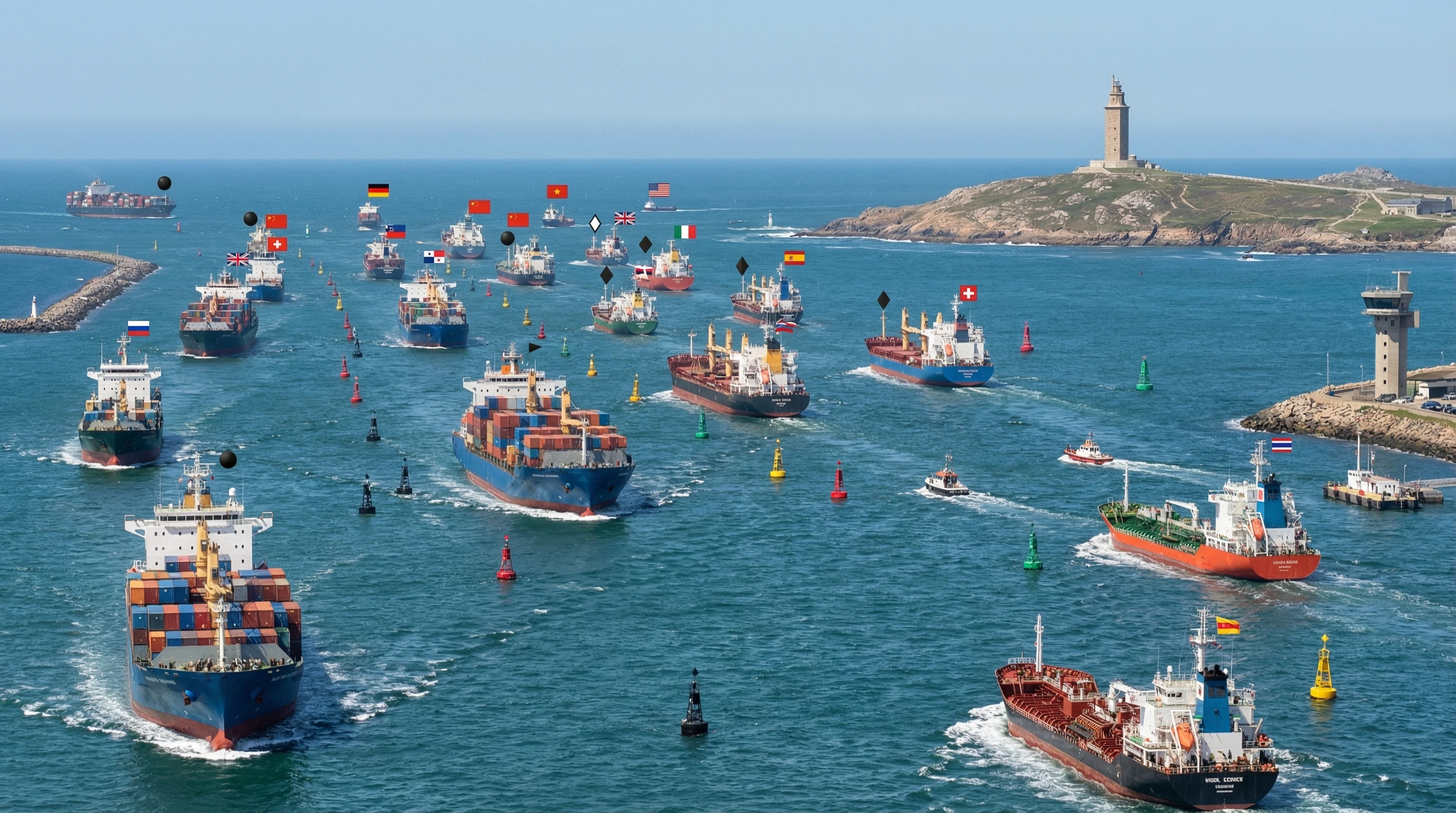
Maritime laws are a collection of international, national, and local rules that govern everything from ship movements to environmental protection at sea. These laws matter because the oceans do not belong to just one country, so having agreed rules is really important to prevent conflict and accidents. The international name for maritime law is admiralty law, and it covers things like commercial shipping, fishing rights, ship registration, and safety procedures on the water.
As someone interested in maritime navigation safety regulations, I’ve found that knowing the main laws and treaties sets a solid foundation for safe and efficient voyages. Whether you’re a shipping operator, a recreational sailor, or work in port management, understanding maritime laws helps avoid mistakes that can lead to fines, accidents, or environmental damage.
Key Rules and Treaties That Shape Maritime Laws Navigation 2026
International organizations, especially the International Maritime Organization (IMO), create and update many of the most important rules. These form the backbone of maritime laws affecting shipping and navigation. Here are some core agreements I always pay attention to:
- United Nations Convention on the Law of the Sea (UNCLOS): This agreement divides the ocean into different zones, including territorial waters, exclusive economic zones, and international waters. It spells out what countries can and cannot do in each area.
- International Regulations for Preventing Collisions at Sea (COLREGs): These rules are the traffic laws for ships. They specify how vessels should behave to avoid accidents, including things like right-of-way, use of lights, and sound signals. Every commercial vessel must follow these directions.
- Safety of Life at Sea (SOLAS): This treaty was created after the sinking of the Titanic. It sets important safety standards for equipment, drills, and communication on commercial ships.
- Maritime Labour Convention (MLC): This law sets standards for working conditions for crew members, covering contracts, health, and even food.
- International Convention for the Prevention of Pollution from Ships (MARPOL): This treaty restricts pollution from ships, making sure that oil, chemicals, and waste are handled correctly to protect the environment.
With these core treaties in mind, I always check for changes. For example, new requirements may come into force in 2026 that further target emissions or safety technology. Each year, rule changes reflect ongoing concerns about cargo safety, technology updates, or climate issues. Staying up-to-date improves safety and helps everyone avoid penalties.
Beyond these core international rules, each country often puts its own spin on enforcement. Some nations have stricter penalties for environmental violations, while others focus heavily on employment rights for seafarers. These local variations mean it’s crucial to understand not just what the IMO or United Nations mandate but how rules are applied by each port state. If you’re shipping to a new region, a quick call or letter to the local maritime authority can save plenty of time and paperwork upon arrival.
How Maritime Laws Affect Different Types of Shipping and Navigation
Maritime laws are not onesizefitsall. They apply differently depending on what a vessel is used for and where it’s operating. Here’s how various sectors are covered:
Commercial Shipping
Commercial cargo carriers, oil tankers, and cruise ships deal with the strictest rules since accidents or pollution can have huge impacts. Maritime law for commercial shipping covers:
- Ship registration and flag state duties
- International crew certifications and training
- Cargo documentation requirements
- Insurance and liability in case of damage, crashes, or oil spills
- Mandatory tracking and reporting of ship movements
These rules create a level playing field and keep the risks low. As an example, if I were managing a shipping company, I would need to ensure my fleet complied with SOLAS safety drills and MARPOL antipollution standards before every trip. It’s not just about ticking a box; failing a safety drill or inspection can lead to hefty fines and even a ban from certain sea routes. I encourage all operators to doublecheck procedures before embarking on voyages, especially when transporting hazardous materials.
Pleasure Craft and Recreational Boating
Small boats, yachts, and jet skis are still subject to key maritime navigation safety regulations, but often under local or national laws. Common rules include:
- Speed limits and designated navigation channels
- Required safety equipment (life jackets, flares, radios)
- Alcohol limits and operator certification
- Right-of-way rules when interacting with commercial or fishing vessels
It’s easy to forget these basics when out for a joyride, but authorities routinely conduct random safety inspections, especially near busy harbors or during tourist seasons. I always recommend recreational boaters check in with local harbor masters for up-to-date rules and any seasonal restrictions on access or operating hours.
Fishing Vessels
Fishing boats need to follow additional regulations aimed at protecting marine life and sustainable resource use. For example, in 2026, there may be tighter restrictions on bycatch (accidental capture of nontarget species) and reporting requirements for catch data. Many regional fishing agreements add more rules on top of international basics for certain sea areas. Recent efforts include real-time electronic monitoring of catch, compulsory logbooks, and satellite tracking programs. These are designed to ensure fish populations are maintained for generations to come.
Main Navigation Rules and What They Mean for Safety
Navigation rules are at the heart of safe maritime operations. I always follow the International Regulations for Preventing Collisions at Sea (COLREGs) because they set out exactly who should give way in specific situations, how to identify vessels at night by their lights, and what sound signals mean in fog or crowded harbors.
Some of the most helpful rules for everyday navigation include:
- Safe Speed: Boats must always travel at a speed that lets them stop or turn in time to avoid danger. This depends on the weather, visibility, nearby traffic, and vessel type.
- Look-Out: Every vessel must keep a proper lookout using all available means, including radar and radio when possible.
- Right of Way: There are clear rules for who must yield when two boats cross, overtake, or approach head-on. For example, power-driven vessels usually give way to sailing boats.
- Navigation Lights: The color and arrangement of lights on a boat at night or in poor visibility identifies its type and direction, which helps avoid confusion.
- Signals: Ships use horns or bells to communicate their actions, like maneuvering in a channel or warning of their presence.
Accident reports show that most collisions happen because someone ignored or did not understand these basic rules. So, following navigation laws is not just about avoiding fines, but about keeping people and ships safe every day.
How Technology Is Shaping Maritime Law and Navigation in 2026
Maritime laws must keep pace with changes in technology. In 2026, many ships use satellite tracking, electronic charts, and even elements of automation. This affects both the rules and how they are enforced.
- Automatic Identification Systems (AIS): Most commercial vessels use AIS to broadcast their location, speed, and direction. This helps prevent collisions and allows authorities to monitor ship traffic.
- Electronic Navigation Charts: Paper charts are still important, but digital navigation is faster and more flexible. New rules require regular software updates and secure backups on board.
- Remote and Autonomous Vessels: Pilot projects for unmanned cargo ships are growing. Maritime law for commercial shipping is starting to adjust, dealing with questions about remote control, liability for accidents, and technical standards.
- Cybersecurity: Ship systems are more connected than ever, so protecting navigation and communication from hacking is increasingly important. For 2026, new IMO guidelines aim to address these risks for every ship over a certain size.
As someone who works with navigation technology, I’ve seen firsthand how falling behind on software or hardware updates can trigger legal problems. When a ship gets inspected, missing the latest required system can lead to expensive delays or penalties. Ship operators should keep detailed records of update schedules and conduct regular checks on equipment status.
Environmental Rules and Green Shipping
Environmental protection is now a major focus of maritime regulation. Maritime laws affecting shipping now tackle:
- Air pollution (Sulphur limits): New global rules set strict sulphur limits for marine fuels, with big penalties for violations. Ships need to use cleaner fuel or install scrubber technology.
- Ballast Water Management: Ships use ballast water to balance loads, but this can transport invasive species between ocean regions. The IMO’s Ballast Water Management Convention has rules for how this water is treated before discharge.
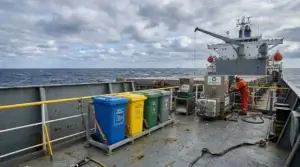
- Garbage and Plastics: Strict rules cover dumping of solid waste and plastics at sea.
- Ship Recycling: Old ships need to be dismantled safely and without polluting local environments. The Hong Kong Convention sets international standards in this area, which are getting more attention by 2026.
Tougher environmental rules mean ships must be updated frequently. If I managed a fleet, I would need to plan regular audits and staff training to keep up with these new standards. Additional requirements may include biofouling management—making sure ships don’t unintentionally spread plant or animal species stuck to their hulls. Shipowners are now encouraged to keep anti-fouling records and show evidence of hull cleaning at inspections.
Common Challenges and Practical Tips for Following Maritime Laws Navigation 2026
While the rules are clear on paper, following them in real life can be challenging. Here are some practical issues I regularly watch for:
- Changing Regulations: Laws and guidelines change frequently, and updates are often announced during international meetings. Subscribing to official notices and working with knowledgeable shipping agents helps me keep up.
- Documentation: Missing paperwork causes many port delays. I make checklists to be sure everything from crew certifications to cargo manifests is on hand and up-to-date.
- Local Rules: Even if you are compliant internationally, each port or state may have extra requirements. In my experience, checking in with local authorities before entering new waters saves a lot of hassle.
- Training: Crew members need regular training on new equipment and emergency procedures. I set up monthly drills and training sessions to keep everyone sharp and confident if the unexpected happens.
Ship operators should keep backups of all critical documents both in print and digitally, and have an easily accessible compliance manual for quick reference. New entrants to the field might consider taking an introductory course on international maritime law and safety as a first step. Ongoing education is a must, not just for captains but for all crew in an age of rapid rule changes.
Insurance and Liability
Accidents and shipping disputes do happen. That’s where maritime insurance and structured liability rules come in. Depending on your activity—cargo, passengers, or fishing—different requirements apply. All-in-one insurance not only meets legal requirements but can also cover a wide range of risks, from collision to pollution. More insurers are now offering specialized add-ons for cyberattack incidents or environmental claims, responding to the growing complexity of maritime operations.
Looking Ahead: The Future of Maritime Law for Commercial and Recreational Shipping
Emerging trends show maritime laws affecting shipping and navigation will keep growing through 2026 and beyond. Here are some areas I keep an eye on:
- I expect more rules about reducing greenhouse gas emissions as climate change drives stricter international targets. These will likely affect both engine design and fuel choices.
- The move toward remote and automated vessels is picking up speed. New liability and certification rules are coming to make sure both old and new tech can share sea lanes safely.
- Increased use of digital documentation, with blockchain and secure databases, speeds up cargo transfers and reduces the risk of fraud. These systems are being built into law in many places.
- Expanded safety rules for smaller craft could mean annual training or inspection requirements for recreational boaters.
Following maritime navigation safety regulations gives everyone confidence to operate safely and legally, whether on a large tanker or a family sailboat. For organizations and individuals, careful research helps buyers and crews make informed decisions about new technologies and compliance management. Environmental awareness, digital literacy, and global cooperation are essential for success in this evolving space. Keep up-to-date with the latest guidance and always review voyage plans against both international and local rules.
Maritime Law FAQs 2025
Every year I get many questions about maritime laws. Here are some of the most common I see, with practical answers that apply for 2025 and beyond:
Question: Are there new navigation rules in 2026 I should know about?
Answer: Each year, the International Maritime Organization updates different rules, often about safety technology or emissions control. AIS tracking and digital chart rules are changing in 2026 for many shipping categories, so I always check IMO announcements for the latest changes.
Question: Do small/pleasure boats need to follow the same laws as cargo ships?
Answer: Most core safety and navigation rules apply to all vessels, but there are usually lighter requirements for vessel registration and training. However, in crowded or commercial waterways, strict compliance is expected from everyone to reduce accident risks.
Question: What happens if my ship breaks an environmental regulation?
Answer: Regulators can impose heavy fines, detain vessels, or even ban ships from operating in certain regions. Insurance policies often require up-to-date compliance, so I make it a habit to stay current on environmental law changes.
Question: Where can I learn more or get updates about maritime laws affecting shipping?
Answer: The IMO website, national maritime authority webpages, and reputable maritime news services are good sources. I also talk regularly with local port officials and join professional organizations to get updates and meet others tackling similar challenges.
Practical Takeaways for Safe and Legal Maritime Navigation
Knowing and following the right maritime laws is super important for safe, efficient, and reputable operations on the water. From SOLAS safety basics to the latest digital navigation rules, I make compliance a daily habit. I update my knowledge, train my team, and review equipment and paperwork before every trip. Staying informed not only reduces risks and costs, but also makes finding your way on the world’s oceans a smoother and more confident experience. By making safety, compliance, and learning top priorities, you’ll build a resilient maritime operation that stands out for reliability and responsibility in 2026 and years to come.

I’ve visited this site several times now and always come away with useful insights, and this post is no exception. The section on the key rules and treaties shaping maritime navigation in 2026 really stood out to me. UNCLOS, COLREGs, SOLAS, MLC, and MARPOL form such a strong backbone for safe and fair use of the seas, and I appreciate how clearly you explained their relevance.
I can relate to the importance of staying updated; rules around emissions and safety technology seem to evolve quickly, and it’s easy to fall behind if you’re not paying attention. Do you think upcoming changes in 2026 will focus more on environmental concerns like pollution control, or on crew welfare and safety standards?
Thanks so much for sharing your thoughts! I’m glad the breakdown of the major maritime rules and treaties felt clear and useful — they really do form the foundation for how the global maritime industry operates. And you’re absolutely right: with the pace of change in emissions regulations and safety technologies, staying current isn’t just helpful, it’s essential.
As for what 2026 may bring, it will likely be a blend of both environmental measures and crew-focused standards, but the momentum right now seems to lean slightly more toward environmental initiatives. With pressures from the IMO, regional regulators, and even consumer expectations, we’ll probably see tighter controls on emissions, waste management, and fuel efficiency. At the same time, crew welfare is gaining more visibility, especially after the challenges highlighted in recent years, so enhancements to training, mental health support, and safety protocols should continue evolving in parallel.
In short, both areas are moving forward — but environmental regulation may take the front seat while crew welfare continues to strengthen alongside it.
This was a really interesting read! Maritime laws always sounded kind of dry to me but seeing how they actually affect navigation made it way easier to understand. It’s one thing to know how to read charts or use instruments but another thing to understand the rules everyone on the water is expected to follow. Do these laws start to feel automatic once you have enough time on the water or do you still have to consciously think through them? Solid article. I learned a lot from this one.
Thanks so much! I’m really glad it helped make maritime laws feel more practical and relevant, that’s exactly what I was hoping for. To your question, a lot of the rules do become more automatic with time on the water, especially the common ones you encounter regularly, like right of way situations. That said, there are definitely moments where you still have to slow down and consciously think things through, particularly in complex or unfamiliar situations. Even experienced mariners rely on continual review and situational awareness. I appreciate you taking the time to read and share your thoughts!