
Maritime law keeps changing, and 2026 is shaping up to be an eye-catching year for anyone following the latest maritime law trends.
Between tightening regulations, fresh technologies, and the growing impact of climate change, there’s a lot happening across the global shipping, cruise, and offshore energy sectors. In this article, I’m breaking down the big picture changes in emerging maritime regulations for 2026 and showing you what these maritime law updates mean for businesses, shipowners, legal professionals, and anyone making a living on the water.
The Global Landscape of Maritime Law in 2026
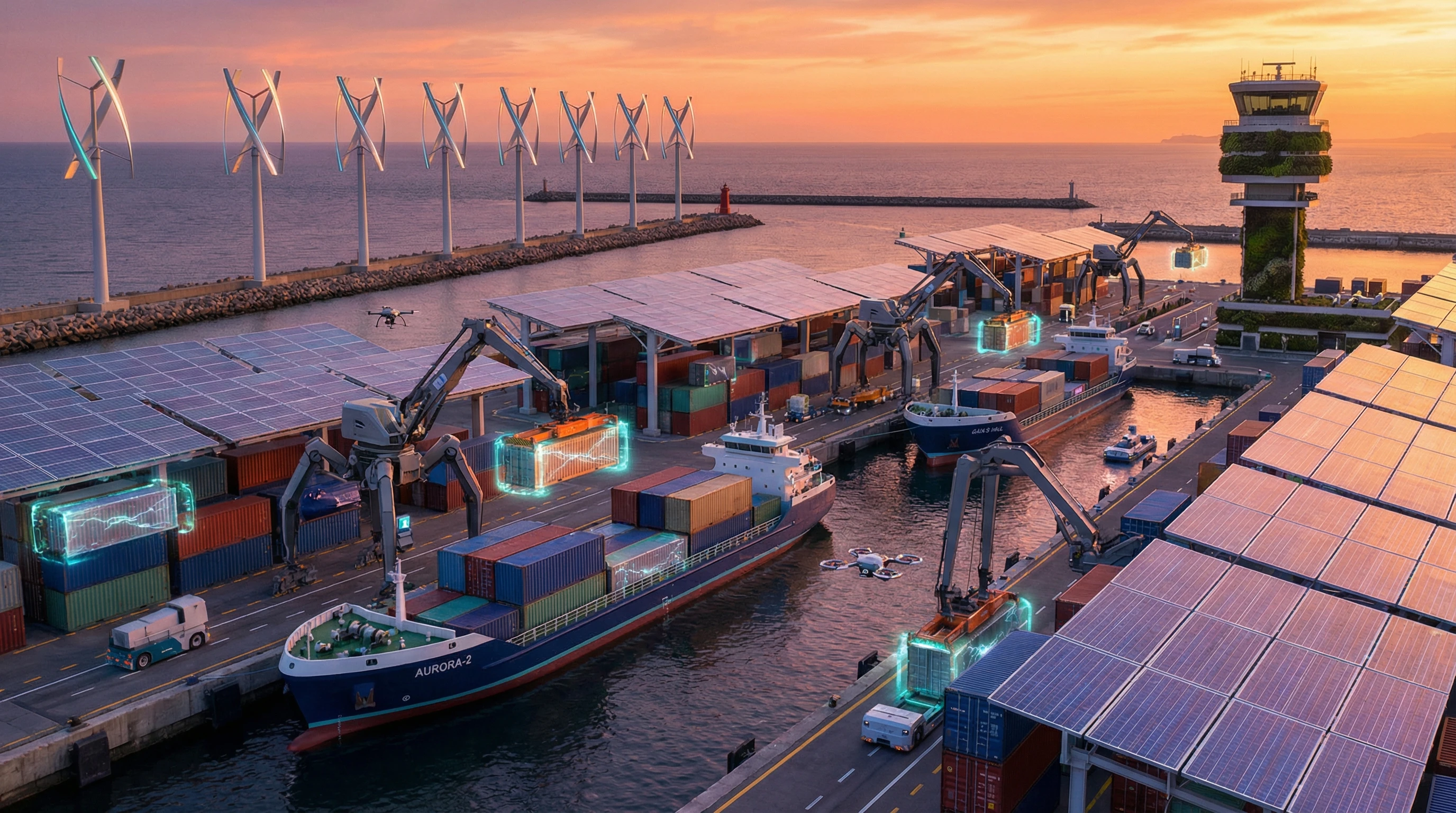
I’ve been keeping a close eye on how rapid changes in technology, shipping demands, and environmental rules are coming together to make 2026 a real turning point for maritime law. These evolving global conditions mean that countries and international agencies, like the International Maritime Organization (IMO), are rolling out the most popular maritime law changes that touch every part of the industry.
This year, there’s more attention than ever on how international law manages commercial shipping, offshore drilling, vessel emissions, and digital recordkeeping. With the global shipping fleet growing and ports getting busier in every region, clear, up to date rules are vitally important. For many businesses, getting familiar with maritime law compliance is crucial to keeping operations running smoothly and legally.
The United Nations Convention on the Law of the Sea (UNCLOS) and other regional pacts still shape the basics, but most of the buzz is now about the recent rules coming into effect and how cross border disputes get solved in practice. Legal teams are now, more than ever, expected to keep up with frequent guideline refreshes and shifting standards in the field.
Key Developments, What’s New in Maritime Law for 2026
Big changes are underway in maritime regulations right now. Here’s a rundown of what’s at the top of the agenda for lawmakers and industry leaders as the year progresses:
- Green Shipping Moves: There’s a more intense push to minimize carbon emissions at sea. The IMO’s latest goals for carbon neutral shipping are now active, changing how vessels are powered and how ports manage fuel and waste streams.
- Digital Shipping Records: More countries and companies are putting blockchain-based systems to work to track cargo, manage documents, and strengthen security. Businesses now need to make sure their workflows meet digital compliance standards.
- Cybersecurity Requirements: Maritime cyber threats are a significant issue for shipping and port operations. New global frameworks require shipowners and operators to patch digital security risks and lower the chance of cyberattacks.
- New Rules for Autonomous Vessels: The first set of guidelines for “smart ships” and remote controlled vessels has arrived. These rules spell out safety, liability, and insurance for automated shipping operations.
- Human Rights at Sea: There’s greater legal support for the rights and working conditions of seafarers. Countries are taking action to improve crew welfare and fair treatment in line with international standards.
With all these changes, the regulatory playbook for global shipping, ports, and offshore platforms has changed a lot in just a few years. Even seasoned professionals are finding they need to brush up on the latest rules and compliance expectations as new updates continue to roll out throughout 2026.
How Climate Change Is Shaping Maritime Law
Climate change is driving some of the most talked about maritime law updates of 2026. Ports are getting ready for rising sea levels, vessels are up against stricter pollution and invasive species limits, and changing shipping lanes due to polar ice melt, especially in the Arctic, pose brand new legal challenges about sovereignty and environmental risk.
Key climate driven legal requirements grabbing headlines include:
- Emission Control Zones (ECZs): Stricter ECZs in the Mediterranean and parts of Asia now cover larger ocean areas. Ships have to use cleaner fuels or fit emission cutting tech when entering these zones.
- Ballast Water Rules: Authorities are cracking down hard on untreated ballast water. Advanced treatment systems and digital logs are now a must to keep invasive species at bay.
- Climate Adaptation for Ports: New construction and upgrades need to pass climate risk reviews and include features for storm surges and rising sea levels. Some governments now require ports to submit resilience plans for annual approval.
- Reporting Requirements: Shipping companies and port authorities face updated obligations for reporting carbon emissions and climate-exposed assets. These new rules apply to both public and private players in the global shipping sector.
Shipoperators, charterers, and logistics firms have to keep up with these updates to avoid expensive penalties, shipment slowdowns, or even disruption of contracts. Ports are busily upgrading their infrastructure to match new climate policies, while industry associations provide ongoing guidance and legal workshops for their members.
Digitalization and Cybersecurity, The New Frontier
The shipping industry’s digital glow-up brings a whole new batch of legal questions. Some of the most noticeable changes are happening with electronic bills of lading, digital reporting, and built in compliance monitoring.
What does this tech transformation mean for maritime law compliance in 2026?
- Electronic Documentation Is Required: Digital bills of lading and electronic certificates are now standard on major trade routes. Legal recognition is widespread, but companies need to guard against data fraud and be ready to handle disputes with digital records as evidence.
- Cybersecurity Audits: International rules now make regular cybersecurity checks mandatory for larger ships and major port equipment. Ports can refuse entry to vessels failing data and digital safety standards.
- Remote Inspections and E-Certificates: More regulatory inspections are happening online, and e-certificates now carry the same legal weight as their paper version. All data must match new global privacy and authenticity requirements.
With so much money and reputation at stake, companies are investing in IT teams and legal counsel who specialize in maritime tech and cyber risk management. Ensuring every system meets or exceeds the latest requirements can mean the difference between smooth sailing and costly setbacks.
Maritime Arbitration and Dispute Resolution in 2026
Disputes about contracts, cargo loss, and collisions are still common, but how companies solve them is changing fast. Maritime arbitration trends include more online hearings, contract clauses updated for blockchain records, and new international panels for climate claims.
A few highlights in the world of dispute resolution:
- Virtual Hearings: Panels in London, Singapore, and Dubai are holding video hearings regularly, making maritime arbitration speedier and less expensive than before.
- Tech-Based Evidence: Digital records, satellite feeds, and smart sensor logs often replace paper based evidence, especially in routing or technical failure arguments.
- Climate Claims: There are more cases involving losses from extreme weather or environmental issues, so climate data shows up constantly in legal arguments.
Shipping firms that work closely with specialized arbitrators and keep legal teams trained on digital evidence sets themselves up for faster and more favorable outcomes in cross border disputes. The demand for technology literate maritime lawyers is growing rapidly because of these trends.
Business Compliance, What Operators Should Be Doing In 2026
If you operate a shipping company, run port operations, or manage logistics, adapting to the latest maritime law updates for 2026 has become a central focus. I recommend splitting compliance into three core areas: environment, digital systems, and crew welfare.
- Handle Environmental Rules: Review how your ships operate, your emissions, and your port services to make sure you’re on top of new pollution and low carbon rules. Waste management, including plastics, sewage, and oil residues, faces greater scrutiny this year.
- Upgrade Digital Security and Records: Update software, boost encryption, and get regular digital audits. This is essential for managing international trade securely and for passing required port inspections.
- Look After Crew and Subcontractors: Labor laws are tightening, so check that hours, pay, and crew healthcare meet new international standards. Crew digital safety and legal compliance training should be regular, not optional.
Bringing in a dedicated compliance manager or working directly with maritime legal pros can help make the complex world of new rules much more manageable. The financial and reputational risks for operators who ignore these legal mandates are simply too high to overlook.
Frequently Asked Questions About Latest Trends In Maritime Law in 2026
I’m often asked what these changes truly mean in routine business. Here’s what you need to know, these Q&As shed light on the confusion and help keep things practical.
Question: Do all ships have to switch to low sulfur or alternative fuels now?
Answer: If you travel through an emission control area, you absolutely do, strict new rules are in place. Elsewhere, it depends on your flag state and destination, but cleaner fuels are quickly becoming a global default. Always double check local rules before sailing.
Question: Is digital documentation really required for cargo and shipping in 2026?
Answer: Yes, for the bulk of major routes. Most now require digital bills of lading and safety documents, which reduces fraud and makes port clearance faster. Not switching to digital puts you at risk for fines and serious delays.
Question: How are disputes between shipping companies usually resolved now?
Answer: Maritime arbitration is favored since it’s both quicker and more confidential than court. Nearly all contracts now include special clauses for arbitration, and most panels handle digital evidence and remote testimony without issue.
Question: Are there new laws for unmanned or autonomous ships?
Answer: Yes, the first global rules for autonomous and remote ships kick in this year. Safety, accident reporting, insurance, and operational rules now exist, so stay updated with the latest from the IMO and national bodies.
Practical Tips for Finding Your Way Through Latest Maritime Law Trends
If you want to keep up with maritime law compliance or are tracking emerging maritime regulations for 2026, these hands on steps will help you cover your bases:
- Subscribe to updates from sources like the IMO, BIMCO, or your country’s maritime administration.
- You should create digital compliance checklists so everything important gets tracked and nothing falls through the cracks.
- Make crew training a priority, especially around environmental and digital safety standards that are new this year.
- Consult directly with legal experts who know the ins and outs of the latest maritime rule changes for 2026.
- Align your documentation and cybersecurity protocols with the sharpest global guidelines to avoid nasty surprises at inspection.
Staying at the forefront of changes isn’t just about protecting your business. You’ll also be prepared for opportunities in new shipping channels, cruise expansions, offshore renewables, and fast growing international markets.
The Big Picture, Why Staying Current Matters in Maritime Law
When trade and environmental regulations can mix things up so fast, the latest maritime law trends can have a direct impact on your business and career. Keeping up with shifts in arbitration, security, and green shipping isn’t just about ticking boxes, it’s also about making sure your operations run safely and stay efficient in a globally interconnected market.
Latest trends in maritime Law in 2026 is practical, fueled by cutting edge tech, and closely tied to pressing climate challenges. Keeping a sharp, adaptive legal strategy means you’ll be ready for the next rule update, be it for digital compliance or a new low emission target. Stick to these principles, and your business will be better prepared for any challenges just around the corner in the world of shipping and the ocean economy.
