Marine engineering caught my attention when I first learned how much it shapes the way people travel, trade, and explore our oceans. If you like the idea of big ships, advanced machinery, and working on projects that keep the world connected, this field offers a lot to stumble upon. I’m going to walk you through what marine engineering is, the core skills it requires, where it can take your career, the kinds of jobs you might find, and how you can get started. Along the way, I’ll share my own thoughts on what makes this path worth considering.
Understanding Marine Engineering, What Does It Really Mean?
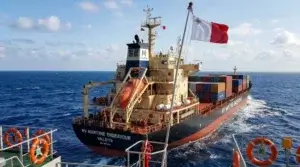
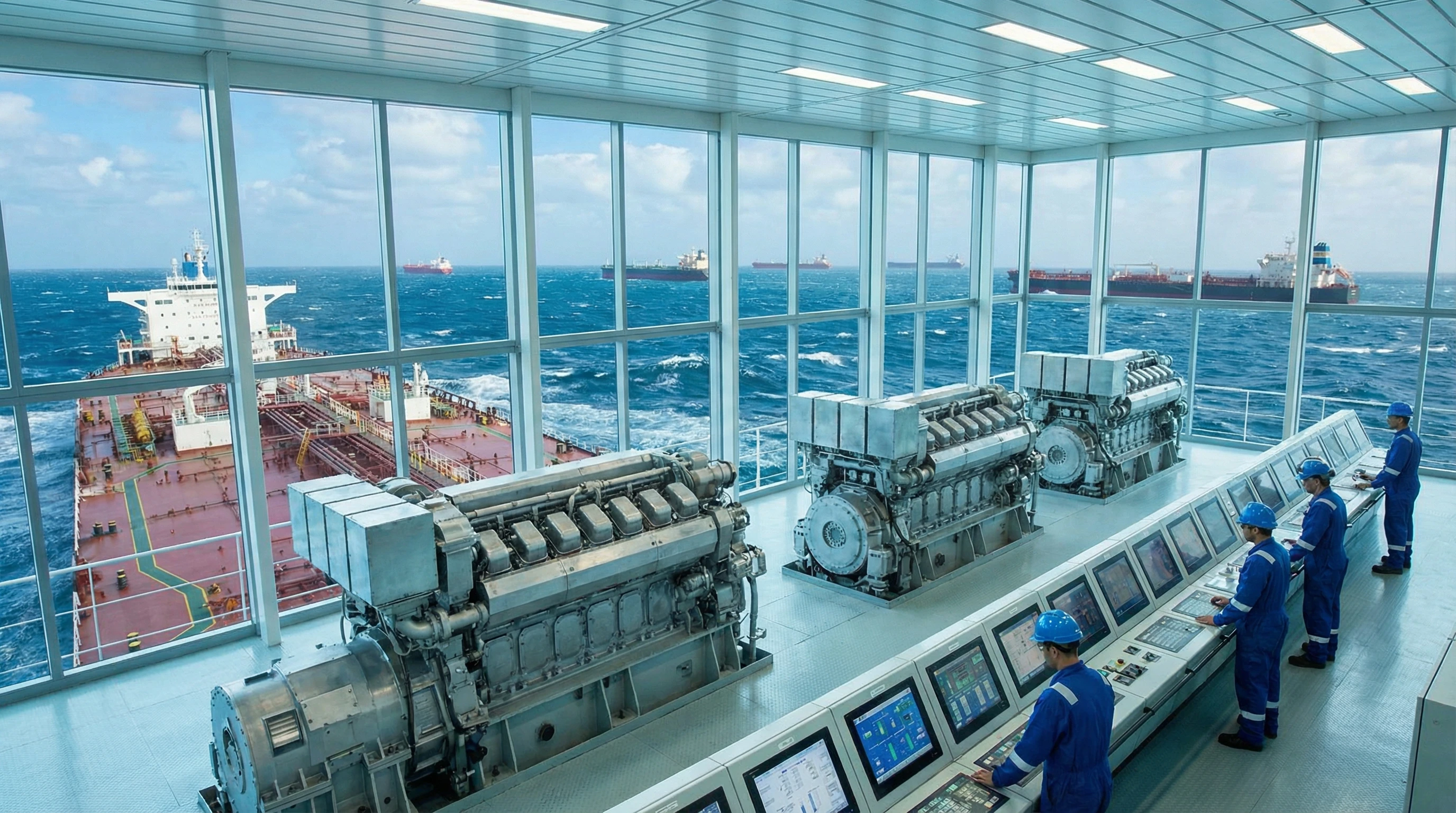
Marine engineering focuses on the design, construction, operation, and maintenance of ships, boats, and most other watercraft. I’ve learned that this career reaches far beyond just keeping ships running. It includes working with advanced systems for power, propulsion, navigation, and even environmental controls. From giant cargo ships to modern cruise liners and military vessels, marine engineers handle the technology that drives the maritime industry.
Most marine engineers work on mechanical systems such as engines, pumps, turbines, and propulsion systems. They also have to solve technical challenges like energy efficiency, safety, and environmental protection. The reach of marine engineering even stretches out to offshore oil and gas platforms, underwater research vehicles, and renewable energy projects like tidal and wave power, making it key to the ocean economy as a whole.
Key Skills and Technology in Marine Engineering
People who succeed in marine engineering usually have a natural curiosity about how things work, coupled with strong problem solving skills and the ability to work in teams. I’ve noticed these are some of the really important areas if you’re thinking about this career:
- Mechanical Expertise: Understanding diesel engines, turbines, and hydraulics is central. Maintaining these systems on a ship is very different from a landbased setting because access can be limited and repairs often need to be done at sea.
- Electrical and Electronic Systems: Ships rely on complex wiring, control computers, and communication equipment. Knowing how these parts interact is just as important as mechanical knowhow.
- Environmental and Safety Regulations: Changes in environmental laws mean marine engineers now work on reducing emissions and fuel consumption, adopting new technologies for cleaner propulsion, and making sure ships follow international standards for safety and waste management.
- Software and Automation: Many modern vessels are packed with sensors and automated systems. Getting comfortable with these tools is really helpful.
In addition to these skills, being a good communicator helps marine engineers coordinate with ship crews, designers, port authorities, and regulatory agencies. The work often involves international travel and exposure to different cultures, giving every project a unique flavor.
How to Become a Marine Engineer, My Step-by-Step Breakdown
The path to becoming a marine engineer usually starts with a degree in marine engineering, mechanical engineering, or a closely related subject. I’ve seen firsthand how programs often mix classroom theory with practical training at sea. Here’s how I’d suggest moving forward if you’re interested in learning how to be a marine engineer:
- Education: Most roles require a bachelor’s degree in marine engineering, naval architecture, or mechanical engineering. Some universities offer specialized marine engineering degrees with courses in ship design, thermodynamics, hydraulics, and maritime safety.
- Internships and Sea Training: Many programs offer hands on experience through internships with shipping companies, shipyards, or maritime equipment suppliers. Some even provide time aboard training vessels, which helps you see how classroom theory fits real-world problems.
- Certification: After graduating, you’ll likely need certification, which will depend on your country and job type. Certifications usually require passing exams on ship operations, safety protocols, and regulations. These marine engineering certification programs help show your competence and commitment to employers.
- Specialization: If certain aspects of marine engineering interest you, like offshore platforms, renewable energy, or military vessels, you can choose advanced courses or job placements that go along with your goals.
Even after getting started, learning never really stops in this field. Technology changes fast, and ships are always getting upgrades to meet new standards and needs. Many engineers go back for extra certifications or short courses on automation, environmental management, or even leadership in maritime operations.
Marine Engineering Jobs, What Are the Options?
When I first checked out marine engineering jobs, I was surprised at all the different paths people can take. Shipyards, shipping companies, government agencies, equipment manufacturers, and energy companies all need marine engineers. Here’s what I’ve found about the main categories of work available:
- Shipboard Marine Engineers: These engineers maintain and troubleshoot machinery on working ships. This can be exciting if you like travel and don’t mind being at sea for weeks or months at a time.
- Design and Project Engineers: If you prefer offices or shipyards, you can work on new ship designs, upgrades, and major repairs. These roles often involve working with 3D models, testing new equipment, and managing large multiyear projects.
- Port Engineers and Surveyors: These professionals inspect ships for compliance, coordinate repairs, and help manage fleets. They often work with government or insurance groups, traveling between ports instead of going to sea.
- Equipment Suppliers and Service Providers: Some jobs focus on designing or selling engines, pumps, navigation systems, or automation packages.
- Emerging Sectors: Growth in offshore wind energy and underwater robotics is opening doors for marine engineers with specialized skills in mechatronics, renewable energy, and remote operations.
This variety means you can choose the work environment that best fits your lifestyle. Whether you crave adventure or prefer staying close to home, there’s probably a path that works for you.
Marine Engineering Salary Trends: What Can You Expect?
When considering any career, I always look at salary trends to get a sense of the rewards and growth over time. In marine engineering, pay depends on experience, education, location, and job type. Recent surveys suggest that entry level marine engineers make as much as $65,000 to $75,000 per year in the United States, with experienced professionals or those in specialized roles earning over $100,000 annually.
Salaries tend to be higher if you work for large international shipping companies, oil and gas firms, or hightech manufacturing businesses. Marine engineering jobs that require long sea tours may also offer bonuses, hazard pay, or extra allowances. Those who move into leadership roles, like chief engineer or technical superintendent, often see steady pay increases as they gain more responsibility.
Outside the U.S., salary patterns may vary, but marine engineers in Canada, the UK, Australia, and Singapore also report steady career growth. The global nature of this field means skills easily transfer to different regions, which can help if you’re interested in working abroad. It’s helpful to do some research and check on local conditions, as demand in certain ports or regions can drive up pay even more.
The Challenges, What You Should Know Before Pursuing Marine Engineering
Every career has its challenges, and I think it’s really important to know them in advance. These are things I’d encourage anyone considering marine engineering to keep in mind:
- Time at Sea: Shipboard roles might mean being away from family and friends for weeks or months. Not everyone is comfortable with this schedule.
- Physical Demands: Shipboard engineers often work in noisy, confined spaces with heavy machinery. There’s sometimes a need for shift work and emergency repairs during odd hours.
- Keeping Up with Changes: New rules on emissions, automation, and safety keep this field interesting but require constant learning. Training and exams don’t really stop after graduation.
- Environmental Pressures: Ships face rising expectations to reduce carbon footprints and operate more sustainably. As a marine engineer, you may need to learn about alternative fuels, energysaving equipment, or new hull designs that cut emissions.
Dealing with Certification Requirements
Marine engineering certification programs play a big role in career progression. I’ve seen how working without up to date credentials can block promotions or limit your job choices. Licenses usually need renewal every few years and may require refresher courses, practical work, and skills assessments, so it pays to stay organized.
Understanding Industry Changes
New technology brings both opportunity and pressure. Autonomous ships, smart sensors, and AIpowered systems are already starting to change what marine engineers do every day. Being open to these changes and willing to adapt can make a big difference in how satisfied you feel over the long run.
Advanced Tips for Those Interested in Marine Engineering
Getting into this field, I’ve found a few ways to get ahead or specialize that can make your profile stand out:
- Pursue Dual Qualifications: Many marine engineers add certifications in electrical engineering, project management, or environmental science. This extra training can make you more flexible in the job market.
- Develop Communication and Leadership Skills: Teams on ships or in ports need leaders who can explain problems clearly and rally people during pressured situations.
- Network with Industry Groups: Joining maritime societies and attending conferences can help you keep up with trends and connect with employers. Social media groups and online forums might also offer helpful advice from those further along the path.
- Stay Curious: Read industry publications and watch for new technologies like hybrid propulsion, alternative fuels, or underwater drones. Getting comfortable with new ideas can help you move into specialized or future driven roles.
Building a wide skill set early makes it easier to game plan your future. Try taking on side projects or internships that stretch your abilities, as these will help you spot where your interests really line up within this all in one discipline.
Real World Applications, Marine Engineering Across Different Sectors
The impact of marine engineering shows up in almost every corner of the ocean economy. I’ve seen how marine engineers work not just on commercial ships, but in energy projects, research, and even marine environmental protection efforts.
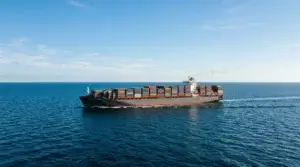
- Cargo Ships and Tankers: Marine engineers keep the engines running smoothly, oversee repairs while at sea, and help their vessels meet new pollution standards.
- Cruise Liners and Ferries: These engineers play a role in passenger comfort and safety, working on air conditioning, stabilization, waste management, and emergency systems.
- Offshore Oil and Gas: Marine engineers design and maintain floating platforms, subsea pipelines, and drilling vessels where reliability is everything.
- Renewable Energy: New jobs are emerging in offshore wind farms and wave energy, where marine engineers help design and install turbines and moorings.
- Defense and Research: Submarines, coast guard cutters, and ocean research ships all need engineers with specialized skills, for example, working with sonar systems or deepsea robotics.
Frequently Asked Questions
Here are some of the most common questions people ask me when they’re thinking about becoming a marine engineer:
Question: What kind of work schedule do marine engineers have?
Answer: Marine engineering jobs vary. Shipboard marine engineers often follow rotations: weeks or months at sea, then long periods off. Those working onshore or in offices usually have more predictable, standard hours.
Question: Are there entry-level jobs for marine engineering graduates?
Answer: Yes. Most large shipping companies and shipyards recruit graduates as junior engineers or assistants. These roles offer a mix of handson work and study, with the chance to move up after gaining experience and certification.
Question: Is a marine engineering degree required for all jobs in the sector?
Answer: Many core roles require a marine engineering or related engineering degree, but some support roles, like marine technician, may accept diplomas or trade training, especially with some practical experience.
Question: What are the advantages of marine engineering certification programs?
Answer: Certification helps double check your skills, improves your job prospects, and is often necessary to work on certain ships. Most employers see certified engineers as more reliable and ready for complex tasks.
Looking Ahead: Is Marine Engineering Right for You?
Choosing marine engineering means committing to a rewarding but demanding career. I think it’s a great fit if you enjoy hands-on technical work, solving puzzles, and learning every day. You’ll find solid job security, the chance to travel, and opportunities to help build and operate the vessels that keep our global economy moving. If you want to learn more or get connected to programs and industry news, checking out resources from the Society of Naval Architects and Marine Engineers or the Institute of Marine Engineering, Science and Technology can help get you started. I’ve always found that the more I learn about the field, the more I appreciate just how much it shapes the lives of people around the world.