Certificates and documentation are absolutely crucial when working as a seafarer.
Having the right paperwork not only proves my skills, knowledge, and qualifications, but also makes it possible for me to work on ships across the globe. With strict global rules in place, ship owners, port authorities, and employers always expect specific documents to be provided. In my personal experience, being organized and staying updated with required certificates has saved me a lot of stress, prevented delays, and helped me avoid getting stuck at port for missing paperwork. If you’re planning to enter or move up in the maritime industry, knowing which documents you need, as well as how to get them, will keep your career moving smoothly.
Why Certificates and Documentation are Essential for Seafarers
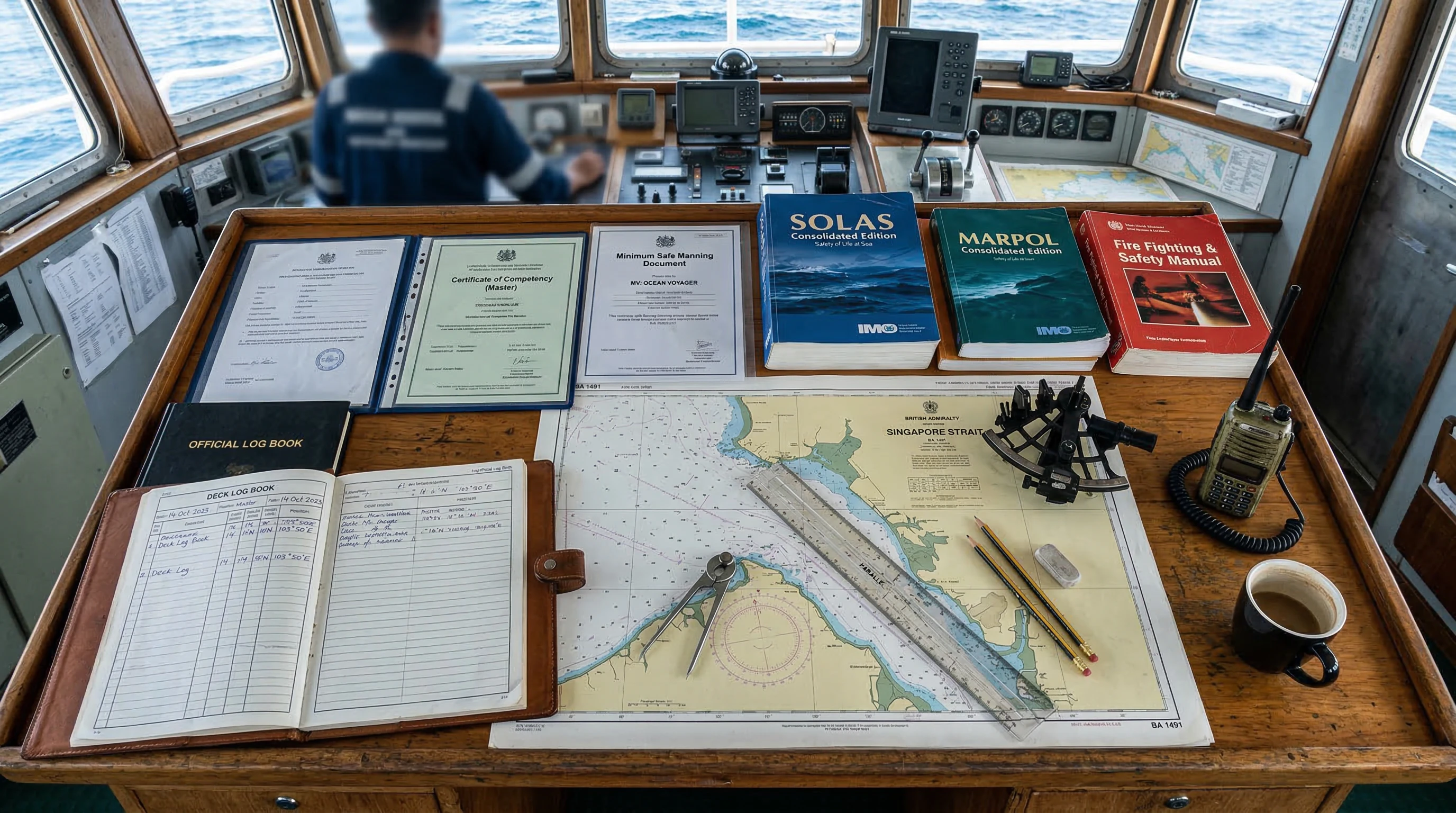
Working at sea brings unique responsibilities. I often find my maritime career depends on my ability to show I meet all the seafarer certification requirements. These certificates prove I’m trained, competent, and legally allowed to carry out my job on board. They back up my knowledge in safety, navigation, firefighting, and environmental practices, protecting both my life and the lives of others at sea.
The importance of maritime documentation goes beyond simply following laws or meeting employer demands. Many countries, along with organizations like the International Maritime Organization (IMO), require seafarers to hold certain certificates. Without these, I might not even get to join a crew or sign onto a ship. Up to date documentation also shields me during inspections and port state control checks, reducing the risk of hefty fines or delays.
Understanding Seafarer Certification Requirements
I have to keep track of different certificates depending on my rank, the type of ship I’m working on, and the trade area. The Standards of Training, Certification and Watchkeeping (STCW) Convention forms the backbone of these requirements worldwide. Here’s a practical explanation of what this usually means for sailors like me:
- Basic Training Certificate: Confirms I’ve been trained in personal survival, firefighting, first aid, and safety responsibilities.
- Certificate of Competency (CoC): Shows I’m qualified (by exam and experience) to work as an officer or engineering role on board.
- GMDSS (Global Maritime Distress and Safety System) Certificate: Needed for those involved with radio communications and safety at sea.
- Medical Fitness Certificate: Demonstrates I meet health standards for life at sea and can safely do my duties.
- Specialized Training Certificates: Working with tanks, cargo, passenger ships or highspeed craft may call for extra documentation.
- Seafarer’s Identification and Record Book (SIRB): Acts as a log of my sea service and proof I’m an active seafarer.
From my experience, seafarer certification requirements can change due to updates to international law or the type of ship. Staying sharp for any changes is key.
Maritime Training Certification Overview
The path to a maritime career starts with training and exams. My own process was demanding yet rewarding. Maritime training certification overview usually covers core topics: firefighting, sea survival, first aid, and ship security awareness. Besides basic courses, I had to complete advanced or specialized training tailored to my job. This may include crowd management for passenger vessels or advanced tankerman training for oil and chemical tankers.
Every training course ends with an exam and practical skills check. After passing, the training center or approved body gives out the certificate. If my documents expire or if I switch ship types, retraining and re certification are often needed to keep things current.
Top Maritime Certifications for Sailors
If you want to open more opportunities in maritime jobs, having the most in-demand certificates is very helpful. Here’s what I consider the top maritime certifications for sailors, based on my point of view and discussions with others at sea:
- STCW Basic Training: The entry certificate required for nearly every crew post.
- Certificate of Competency (CoC): Needed for officers, engineers, and senior positions.
- Advanced Firefighting: Mandated for officers and those in charge of firefighting leadership.
- Medical Care and First Aid: Essential for crew who take charge during emergencies.
- Bridge Resource Management: For deck officers to manage navigation and team communication.
- Tankerman and Specialized Cargo Certificates: Needed for those on tankers, gas carriers, or vessels with dangerous goods.
- Security Awareness and Duties Certificate: Required by the International Ship and Port Facility Security (ISPS) Code.
- Radar and ARPA Training: For watch officers managing radar plotting gear.
These certificates are the ones most requested by ship owners and manning agencies. Holding several of these opens more job options globally.
Seafarer Documentation Checklist
To prepare for boarding a vessel, I stick to a personal seafarer documentation checklist. Companies may have their own lists, but here’s a practical sample drawn from my sea service and industry tips:
- Valid Passport (with plenty of pages/expiry surpasses your contract period)
- Seafarer’s Identification and Record Book (SIRB)
- STCW Certificates (both basic and advanced, depending on position)
- Certificate of Competency (CoC)
- Medical Fitness Certificate (usually not older than 12 months)
- Vaccination Records (yellow fever, and new requirements as needed)
- GMDSS Certificate
- Special endorsements for tankers, highspeed craft, or passenger ships, if required
- Employment contract copies and joining letters from your shipping company
- Visa/work permits (as needed for destinations or ports)
- Travel insurance and crew accident coverage (sometimes a company must have)
- Next of kin/emergency contact documentation
Keeping digital copies stored safely, either in the cloud or on a memory stick, helps me dodge problems if my bags get lost or papers are ruined at sea. You never know when you’ll need to quickly prove your qualifications.
How to Obtain Maritime Certificates
When I first started out, earning my maritime certificates felt complicated, but it’s really straightforward if you break things down. Here’s my process for obtaining new certificates:
- Contact an approved maritime training center for the course I need (always double-check they’re recognized by my flag state or the right authority).
- Finish the required training and join in on the practical learning, some courses are classroom-based, while others demand simulator or at-sea experience.
- Pass both written and hands-on exams (each certificate has its own standards).
- Check that all health and medical checks are current, as these are needed for many courses or certificate applications.
- Apply for the certificate by submitting proof of completed training, identity, and sea service to the maritime authority.
- Keep an eye on expiry dates, and sign up for refresher courses or renewals as necessary.
A tip I’ve found crucial: always check a certificate’s validity before heading to a ship. Open ended certificates are rare; medicals and specific skill certificates can expire within a year, whereas some last up to five. Using calendar reminders prevents last-minute headaches.
Maritime Certification Process Broken Down
The maritime certification process, in essence, covers application, review, and approval of my papers by maritime authorities. Although paperwork varies by country, my general experience includes:
- Pre-requisites: Meet age, schooling, and health standards. Some documents require certain sea service or work background too.
- Training and Assessment: Attend approved training and complete both written and practical evaluations.
- Application Submission: Gather up forms, supporting documents, training proofs, and proof of sea service, then send to the maritime office.
- Document Review: The authority checks everything for accuracy and may reach out to former employers for confirmation.
- Getting the Certificate: When everything checks out, the certificate will be sent either digitally, on paper, or both.
- Renewal and Progression: Many documents need to be renewed after a set term; climbing the career ladder usually means fresh tests and courses before moving to a new role.
This can take time, but staying proactive about every step and starting early will keep things moving. If you’re new to the sea, connecting with your maritime authority at the start of your career is smart and can ease your way later down the line.
The Role of Digital and Electronic Certificates
Recently, digital and electronic certificates have become more popular in the maritime sphere. I’ve witnessed some shipping businesses and flag states switch to secure online systems for certificate updates and renewals. This switch reduces paperwork, makes it easy to refresh credentials, and allows authorities to check qualifications swiftly during inspections.
However, I always maintain paper backups since not every port turns digital only documents. It’s a good move to check with my employer or agent regarding the type of documentation needed for each journey or country.
What Happens if Documentation Is Incomplete or Outdated?
I’ve noticed various crewmates face trouble for lacking certificates. Multiple ports refuse entry for those with outdated or suspect paperwork, sometimes detaining vessels for days and causing big losses for owners. Sailors risk fines and even losing contracts if they can’t produce the right papers during inspections.
I once watched a friend miss a well earned promotion, all because a vital certificate had expired the month before. Being organized and monitoring expiry dates can really make a huge difference. It’s a detail that’s easy to overlook but crucial for keeping my record spotless.
Tips for Staying Organized with Seafarer Documentation
Paperwork management got much easier when I developed a method. Here are my go to steps for staying organized:
- Use a folder or binder for originals and keep a digital backup.
- Track expiration dates and training renewals with a digital calendar or phone reminders.
- Update a log of all training: course location, certificate numbers, and dates.
- Let agencies or employers know about upcoming expiries so they can coordinate planning needs.
- Regularly review international and local regulations since these can change quickly.
This simple organization has kept last-minute headaches away and made me adaptable for new shipboard opportunities anytime.
The Future of Seafarer Certifications
With new tech and the shipping world always changing, the future of seafarer certifications is trending toward being more digital and efficient. I’ve seen some pilot projects featuring blockchain-secured documents and all digital certificates, making it far easier for sailors and employers to verify records at a moment’s notice.
There’s also a growing need for training in green skills, cybersecurity, and smart ship operations. As ships take on advanced navigation and automation, I expect additional certificates to arise alongside those we’ve always used. Staying updated with new tech, welcoming digital changes, and staying focused on continuous learning will keep me competitive in the business.
Common Questions About Seafarer Certificates and Documentation
Question: What are the most important certificates I need as a new seafarer?
Answer: The STCW Basic Safety Training, an official Seafarer’s Identification Book, medical certificate, and a valid passport are the must-haves to get started. Depending on the role, extra certificates for certain ship duties may be needed.
Question: How long are seafarer certificates valid?
Answer: Validity varies; medical certificates usually last a year, STCW refresher courses are needed about every five years, and specialized certificates may differ. Always check your local authority’s requirements.
Question: Can I get maritime certificates online?
Answer: Some centers offer blended learning (online and in person), especially for theory, but practicals and exams generally occur face-to-face or in a simulator. Many authorities offer digital certificates, but paper copies are often still a must.
Question: What should I do if I lose a certificate?
Answer: Contact the certificate provider or maritime authority as soon as possible. They might want an official report, proof of identity, and a fee for replacement. Having those digital backups always comes in handy.
Final Notes on Building a Secure Maritime Career
My maritime experience taught me that staying on top of paperwork and certificates is among the most effective ways to protect my career and stay open to new seafaring adventures. A full, valid set of documents makes job searches, ship joining, and inspections go much more smoothly. Understanding and preparing for certification requirements, plus a solid organization system, takes much of the stress out of life on board.
If you’re hoping to move up in your seafaring career, sticking with these habits is one of the smartest moves you can make.