Understanding shipboard electrical systems is really important for anyone working in marine environments, from engineers and electricians to yacht owners and crew members.
The electrical network on a ship keeps everything running, including power for lights, navigation equipment, machinery, and comfort systems. I’m going to walk you through what makes up electrical systems on ships, how they are designed, how to keep them safe, and what trends to watch for in the future.
The Role of Electrical Systems on Ships
Every ship needs a reliable source of electricity to power its essential functions. These systems deliver energy for propulsion, steering, safety gear, communication tools, galley appliances, and passenger comforts. Large commercial vessels, cargo ships, and cruise liners often use complex electrical grids. Electrical systems on yachts and smaller boats usually offer simplified versions but follow the same basic principles.
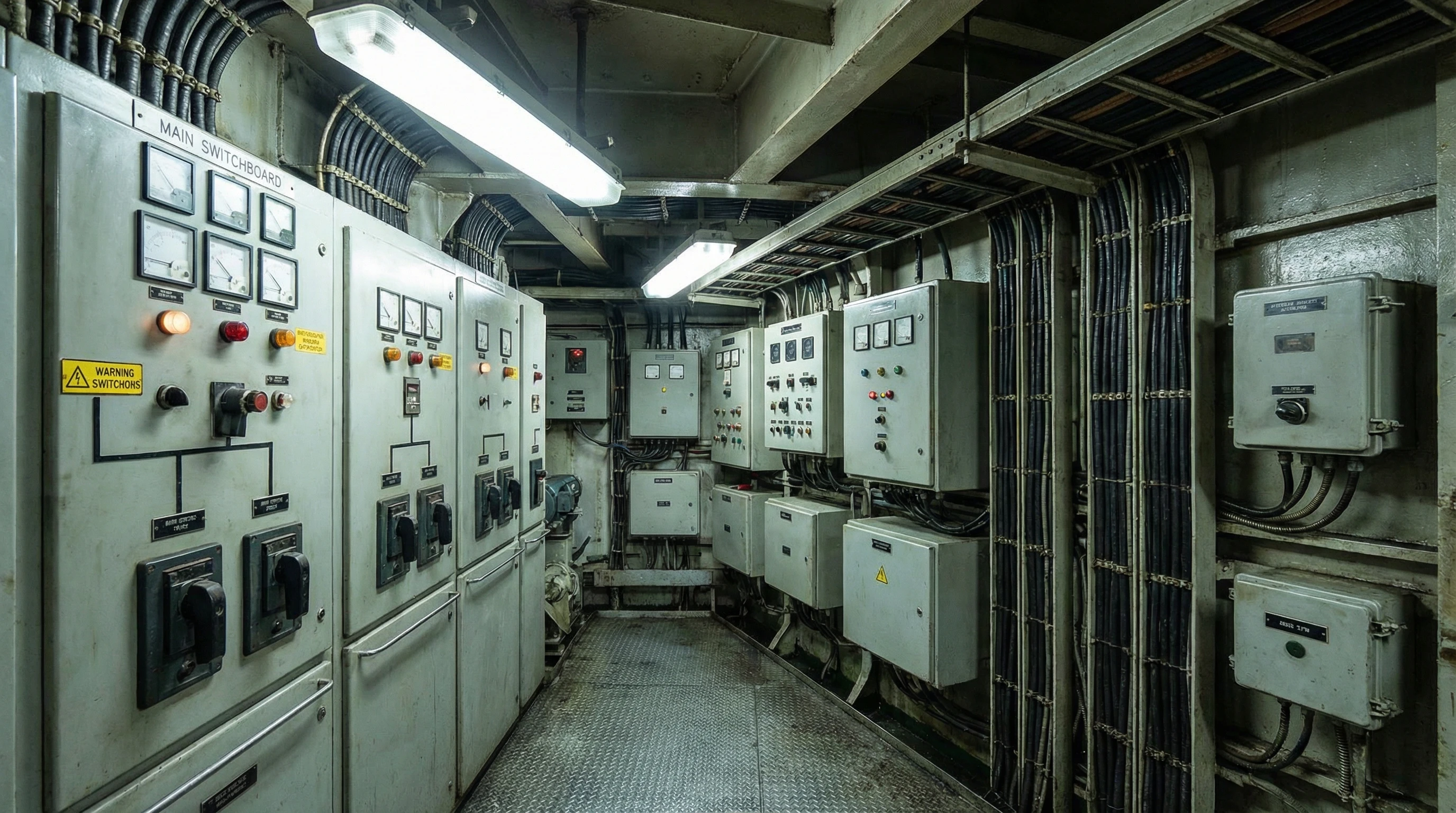
On larger ships, separate networks are installed for different voltage levels. Main switchboards route power from generators to heavy machinery, while auxiliary panels supply lighting and electronics. Both AC (alternating current) and DC (direct current) systems may be present, depending on the age and design of the vessel. Understanding ship electrical systems helps keep operations smooth, prevent equipment failure, and keep everyone safe at sea.
Fundamentals of Ship Electrical Power Generation and Distribution
Ships produce electricity using onboard power plants. Most vessels rely on diesel generators. Some larger ships use steam turbines or gas turbines. On modern vessels, greener energy sources like batteries and fuel cells are being developed to supplement or replace diesel.
Power generation starts in the engine room, where engines spin generators or alternators. Generated electricity then flows to main switchboards, which route power around the vessel. Distribution systems divide voltage into different circuits for propulsion, navigation, lighting, communications, HVAC, and other users. Circuit breakers and fuses protect the circuits from overloads and short circuits.
Some cargo ships and tankers run with a single main generator on routine trips; they switch to backups if the main source fails. Yachts often have multiple small generators and energy storage batteries to keep systems powered even when engines are off.
Key Components You’ll Find in Marine Electrical Systems
- Generators/Alternators: Turn fuel (usually diesel) into electricity. These are the ship’s main powerhouses.
- Main Switchboards: Divide and control electrical supply throughout the ship.
- Distribution Boards: Provide power to different zones, decks, or machinery spaces.
- Circuit Breakers and Fuses: Protect individual circuits from faults.
- Transformers: Step voltage up or down as needed for different types of equipment.
- Batteries: Store energy for use during emergencies or when the main generators are off.
- Cabling and Busbars: Carry electrical current between equipment and panels.
Understanding Electrical Systems on Yachts vs. Larger Commercial Ships
While the underlying principles of marine electrical systems are similar across boats, significant differences exist between large ships and yachts. Electrical systems on yachts are often designed for simplicity, efficiency, and comfort with lots of redundancy built in for safety. Owners and crews focus on low power draws when possible and often install solar panels or wind generators as supplemental sources.
Large commercial ships need to meet strict international standards for safety and redundancy. Power demand is much higher, so more generators and complex automation are used. Systems may include centralized alarms, fire detection, remote control for switches, and backup emergency power to navigation lights and radios. Learning both approaches can really help if you’re considering a career in marine engineering or want to take care of your own boat.
Basic Principles of Safe Design in Ship Electrical Systems
Marine environments introduce risks that land-based electrical systems don’t face. Water, vibration, heat, salt, and movement can all affect wires and controls. That’s why electrical systems on ships require careful design and maintenance.
Cables are run through waterproof conduits or cable trays, often in double layers for added protection. Equipment is mounted on vibrationproof supports. Materials are chosen for their resistance to corrosion. Equipment must meet recognized shipboard standards for safety and reliability, like those set by the International Maritime Organization (IMO) and classification societies such as the American Bureau of Shipping (ABS) or Lloyd’s Register.
Another focus is on safety in the event of a fire or flooding. Key systems, like navigation lights, fire pumps, and communications equipment, get direct feeds from emergency power sources. Escape and fire alarms are always wired for redundancy and robustness. As someone working in these areas, I always pay special attention to how cables are routed and labeled, so that quick maintenance can happen even in an emergency.
Best Practices for Ship Electrical Safety
Working with electricity on a moving platform means you’ve got to take extra steps to keep yourself and your crew safe. I follow some core practices that reduce risks and keep the system reliable:
- Keep all panels locked and labeled with up to date, waterproof signs.
- Isolate circuits and lock out power before starting repairs.
- Physically inspect cables, connectors, and equipment on a routine schedule.
- Never operate electrical equipment with wet hands or in damp conditions without safety gear.
- Train crew to handle minor electrical faults and how to use firefighting gear on electrical fires.
- Always use certified marine grade components and follow manufacturer installation instructions.
Having clear safety procedures helps prevent accidents, equipment failures, and electrical fires. These are all major concerns on a ship. I always remind new crew to wear insulated gloves and check their tools before working in any energized panel.
How to Maintain Ship Electrical Systems
Regular inspections, cleaning, and testing keep marine electrical systems dependable. I keep a detailed service log that tracks all routine checks, repairs, and upgrades. Even a small fault in an electrical connection can escalate if left unchecked, especially at sea where spare parts may be limited.
- Check all batteries and generators weekly for output, load, and wear.
- Clean panels and exposed terminals of salt and moisture buildup.
- Test alarms, emergency lighting, and backup systems monthly.
- Look for discoloration or heat in cabling and around circuit breakers; it could mean overloaded circuits or impending failure.
- Lubricate moving electrical contacts as recommended by the manufacturer.
On yachts, where systems are smaller but exposed to the elements, I put special effort into keeping battery posts clean and checking for voltage leaks that can drain systems over time. Preventive maintenance keeps both simple and advanced setups running and avoids bigger repairs later.
Common Problems and Solutions (Marine Electrical Systems Troubleshooting Guide)
Even the best designed system encounters problems, especially in saltwater and moving environments. Knowing how to troubleshoot is a key skill. Some common issues I’ve seen include:
- Loss of Power: Check the generator and batteries for output. Inspect connections for corrosion or looseness. Replace fuses or reset breakers as needed.
- Circuit Breaker Keeps Tripping: This may signal a short circuit, water ingress, or a failing device. Isolate parts of the circuit until you find the source. Dry and clean all affected parts before restoring power.
- Lights Flicker or Dim: Voltage drop is often due to loose connections or wires exposed to moisture. Tighten terminals, replace damaged cable, and seal all points against water.
- Corrosion or Rust: Salt air attacks exposed metals. Regular cleaning and application of anticorrosion sprays can help prevent corrosion on busbars and terminals.
- Electrical Shock or Tingle: This is a red flag. Isolate the circuit and perform insulation resistance tests before restarting the system.
I always rely on a good quality multimeter for electrical testing and keep spare fuses and breakers onboard. Careful, step by step checks usually pinpoint the issue without needing to replace entire units.
Best Practices for Upgrades and Modernization
Technology changes fast in the marine industry. Modern navigation equipment, entertainment systems, and new machinery all add demands to the ship’s electrical network. When upgrading equipment, I make sure:
- Existing wiring and panels can handle new loads. Upgrading to higher capacity cables may be necessary.
- All additions are marine certified and compatible with the ship’s supply voltage and frequency.
- Shutdown and disconnect procedures are followed before starting any installation.
- Software updates for control systems are done using trusted sources to avoid malware or faulty updates.
- Supervision is provided by qualified engineers, especially when working on main switchboards or propulsion circuits.
These steps keep both new and old systems working together and help avoid complications that can come from rushed or incomplete upgrades.
Future Trends in Marine Electrical Systems
Ships today are adopting greener and more efficient technologies. Some cruise ships are using batteries and hybrid systems to supplement diesel engines and cut emissions in ports. Power management automation is becoming more common, letting ship operators balance loads and monitor systems from a unified control center.
Electric propulsion is another growing area, with ferries and some luxury yachts moving towards fully electric operation. Innovations like shore power hookups let ships switch to local electrical grids when docked, reducing onboard emissions. Enhanced monitoring with sensors and smart controls make troubleshooting and maintenance easier, even allowing remote diagnostics by experts onshore.
If you’re interested in a marine career, learning about electrical systems on ships and future trends in marine electrical systems keeps you ahead of the curve. Also, being aware of future developments such as increased use of energy storage and smart grids will give you a distinct advantage in a rapidly changing industry. Staying up to date with new industry regulations and green shipping initiatives not only helps with compliance but can even open new career opportunities as sustainable marine technology becomes more popular.
Frequently Asked Questions
Here are some questions people often ask about marine electrical systems:
Question: What voltage does a typical ship electrical system run at?
Answer: Most large commercial ships use 440V or 690V AC for machinery and 220V or 110V AC for lighting and outlets. Yachts and smaller vessels usually operate at 12V or 24V DC for basic needs and 120V or 230V AC for appliances.
Question: How often should ship electrical systems be inspected?
Answer: Routine inspections are recommended weekly for critical systems and monthly for less critical circuits. Officially, annual surveys are required by most authorities and insurance providers.
Question: What is the main difference between land-based and marine electrical wiring?
Answer: Marine wiring is designed for resistance to vibration, corrosion, and water ingress, using double insulation and tinned copper for better durability at sea.
Question: Are there specialized certifications for marine electricians?
Answer: Yes. Certifications like STCW, ABYC, and training from classification societies help electricians prove their competence in marine electrical safety and maintenance.
Why Learning About Ship Electrical Basics Matters
Keeping the electrical systems on ships healthy is really important for safety and reliable operation. Engineers, electricians, and vessel owners who understand the basics can quickly spot and solve problems before they grow bigger. If you’re considering work at sea or planning to upgrade your own yacht, investing time in learning these fundamentals pays off right away. Plus, a strong understanding of how safe electrical systems function on the water can make the difference between a smooth ride and a costly breakdown.
Marine electrical systems have their own challenges, but with routine care and awareness of new technologies, you can keep your ship’s lights on, engines moving, and everyone safe on board. Whether you work with large cargo vessels, manage a passenger ship, or enjoy weekends on a yacht, a solid grasp of these concepts will serve you well for years to come.