
AIS systems have become a core technology for collision avoidance at sea.
These tools have changed the way I keep my vessel and crew safe, giving me valuable information that helps prevent accidents. My experience using AIS technology for safe navigation has shown me how practical this system can be, whether I’m navigating busy shipping lanes or approaching crowded harbors. Here, I’ll share how to use AIS for collision avoidance, what makes it work so well, and the best practices that keep me confident on every voyage.
AIS Systems: How They Help with Collision Avoidance
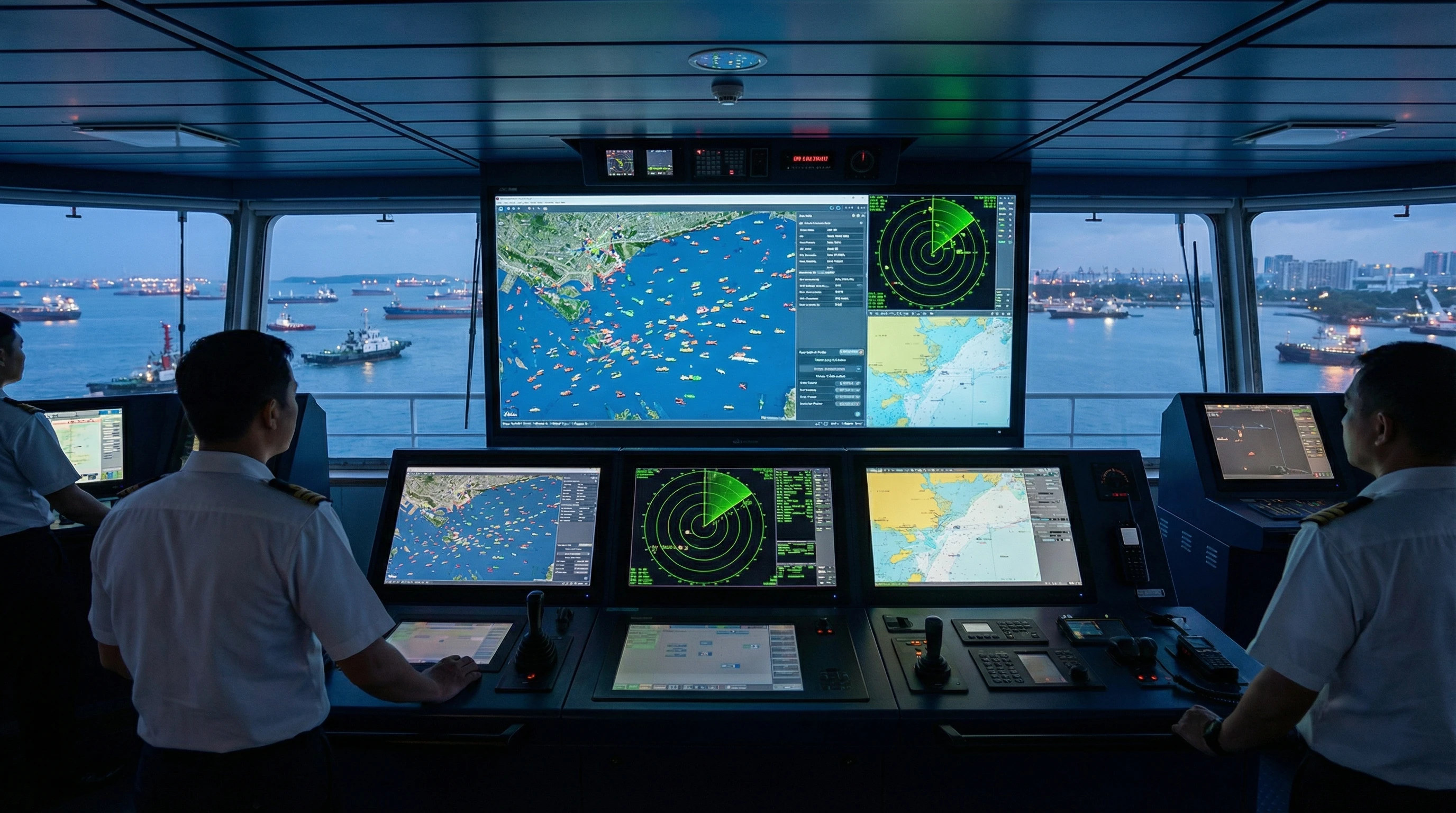
The Automatic Identification System, or AIS, sends and receives live information about vessels and their movements. It works by broadcasting details like a ship’s position, speed, course, and identity. This information shows up on electronic charts or radar displays, helping me make smarter choices to avoid collisions.
Ships use AIS to share data automatically, even in low visibility conditions. My AIS unit updates every few seconds, letting me track other vessels long before I’d see them with my eyes. This early warning makes a big difference, especially in crowded or dangerous waters.
AIS is especially valuable for accident prevention where visual checks and radar alone might miss small or fastmoving vessels. It gives quicker and more accurate insights, making it a favorite among many mariners for both commercial and leisure navigation. The International Maritime Organization (IMO) now requires all larger ships and many passenger vessels to have AIS on board, which has driven its widespread use across global shipping.
Understanding AIS Technology for Safe Navigation
Using AIS systems effectively starts with understanding what information the system provides and how to read it. My display shows not only moving ships, but also static objects like buoys and some offshore platforms that carry AIS transponders. Each contact shows on the display with its vessel name, MMSI number, speed, destination, and sometimes more.
- Position: Shows exactly where each ship is relative to my own vessel.
- Course Over Ground (COG): Displays the ship’s forward movement in relation to true north.
- Speed Over Ground (SOG): Indicates its current speed, a crucial detail for judging crossing or overtaking risks.
- Heading: Reveals which way the bow is pointing, which helps me understand a ship’s likely next move.
- Rate of Turn: Shows how quickly a ship changes direction, especially useful for ferries and tankers.
- Closest Point of Approach (CPA) and Time to CPA (TCPA): Alerts me to ships that could become a problem, these warnings have prevented many close calls in my experience.
AIS screens often let me set filters or alarms based on CPA and TCPA values. This way, if any ship looks set to come uncomfortably close, I get a warning early enough to act. It’s also easy to filter out distant contacts or those that don’t pose a risk, helping me focus on what really matters.
Getting Started with AIS Systems for Accident Prevention
Installing an AIS system is usually straightforward, and most modern chartplotters or radar units support direct integration. Some recreational boats and all commercial ships above certain sizes now use Class A or Class B transponders. Here’s how I started using AIS for collision avoidance in my routine:
- Check Installation: Correct setup is really important. I checked that my antenna was mounted high, clear of obstructions, and the wiring was secure to reduce interference.
- Familiarize with Controls: I took time to understand my display’s options, filtering, alert settings, and target lists all improve reaction time.
- Connect to Other Systems: Linking AIS output to the autopilot or radar overlay adds another layer of awareness.
- Keep Software Up to Date: Firmware updates help avoid glitches and keep features current with the latest AIS technology for collision avoidance.
For anyone new, practice reading targets and interpreting CPA and TCPA values in clear weather when visibility is good. This builds confidence before relying on AIS during fog, heavy rain, or at night when visual spotting is less reliable.
Best Practices for AIS Collision Avoidance
Having AIS data doesn’t replace other watchkeeping duties, but it boosts the information I have for smart navigation. To get the most out of this technology, I stick to a few routines every time I take the helm:
- Continuous Watch: I keep my AIS active and monitor it constantly, but I still do regular visual scans and radar sweeps.
- Set Alerts: I program CPA and TCPA alarms conservatively, so I get notified well before a situation needs urgent action.
- Validate with Radar/Visuals: If AIS and radar disagree, or if I see a ship that doesn’t show up, I doublecheck positions and keep my options open.
- Broadcast My Data: Transmitting my own position helps others avoid me, especially if I’m moving slowly or anchored in a busy spot.
- Update My Journey Details: Making sure my destination, vessel name, and other static info are current helps rescue teams and traffic services identify me quickly if problems arise.
Resisting the urge to rely solely on AIS is a habit worth nurturing. It’s good to trust the system, but crosschecking prevents dangerous assumptions. There are still boats without AIS, especially small fishing vessels or older pleasure boats. These risks don’t go away, and traditional rules of the road continue to apply.
Limitations and Challenges: Know Before You Trust
While AIS systems are incredibly useful, they’re not perfect. I’ve seen a few situations where signals dropped out suddenly due to radio interference or range limits. Boats with faulty or outdated AIS units might send inaccurate information, and smaller craft may not carry AIS at all. Some common limitations to know about:
- Signal Range: AIS uses VHF radio frequencies that only reach about 20–40 nautical miles, sometimes less if hills or other ships block the signal.
- Transmission Delays: For very fast vessels, the few seconds of data delay can mean a ship is already closer than the screen shows.
- False Targets: Sometimes duplicate or ghost targets appear, usually from reflections or technical glitches.
- Privacy Mode: Some recreational vessels might not transmit their identity if they want to remain private, which can make them invisible to AIS receivers.
- Reliance on Power: AIS needs electricity. A power failure or battery problem means losing coverage when it may matter most.
Learning how to spot and work around these limitations is just as important as learning how to use AIS for collision avoidance. I stay in the habit of watching for targets that don’t quite match their reported speed or course, and I’m always ready to fall back to radar or visual bearings when needed.
Real-Life Scenarios: How I Use AIS to Prevent Accidents
In busy shipping channels, it’s common to have around twenty vessels on my display at once. In those moments, AIS gives me the best shot at planning early. For example, if I’m sailing at night and notice a fastmoving cargo ship heading my way with a CPA of less than one mile, I get time to radio the other ship, alter my course, or speed up to avoid a close call. My vessel’s details show on their AIS as well, making mutual avoidance far easier than relying on lights or radar alone.
More than once, I’ve seen fishing boats pop onto my screen with course changes that would be almost impossible to predict otherwise. This has saved me from making risky maneuvers in reduced visibility, since the other crew and I could sort out our intentions early by talking over VHF after confirming each other’s details from the AIS screen.
Latest AIS Technology for Collision Avoidance
Improvements in AIS technology have made collision avoidance even more reliable and accessible. These are some newer features I’ve found really useful in the latest systems:
- Satellite-Aided AIS (SAIS): Expands coverage to open oceans, letting me track other vessels far beyond the normal VHF range.
- AIS MOB Devices: Personal Man Overboard transmitters now link directly into my AIS display, offering instant location data if someone falls overboard.
- Alarm Integration: Newer AIS units can sound loud alarms or even link with autopilot systems if danger approaches and I don’t react quickly enough.
- Enhanced Touchscreen Displays: Modern AIS displays have clearer graphics, touchscreen controls, and easy overlay features that help me pick out risky targets quickly.
- Information Sharing Apps: Smartphone and tablet apps now pull in AIS data, so I can monitor vessel traffic from almost anywhere on my boat.
Manufacturers like Garmin, Raymarine, and Furuno continue updating their systems to fit the latest international requirements, supporting even wider use of AIS for safety and regulatory compliance. The glowup of this tech means the systems are more affordable and userfriendly, so even small boats can get real collision avoidance support without a big upfront cost.
How to Use AIS for Collision Avoidance: Step-by-Step Guide
I find that the most effective way to stay safe with AIS technology for safe navigation is to follow a consistent process every time. Here’s a basic guide that helps me and other skippers keep control in busy waters:
- Start with a Clean Display: Clear previous voyage logs or targets for a fresh view on each new trip.
- Adjust Filtering: Set the display to highlight vessels that will come within 2–3 miles over the next 10 to 30 minutes.
- Monitor Alarms: Respond to CPA/TCPA alarms early. Even if the situation looks safe, it’s smart to take another look and plan an action.
- Cross-Check with Visual Bearings: Pick out the most concerning targets on the horizon and confirm their AIS data matches what I see outside.
- Communicate Early: If I see a potential collision course developing, I don’t wait. I call the other vessel using the MMSI or ship name listed on their AIS transmission and agree on next steps with the other skipper.
- Log Changes and Events: I record any course alterations or close calls, just in case there’s a need to clarify actions later for insurance or investigations.
These steps have made my navigation smoother, and they help new crew members build confidence as they learn the value of combining AIS with oldschool watchkeeping habits.
Additional Tips: Getting the Most from AIS
- Educate the Crew: Everyone who stands watch should know how to read the AIS display and respond to alarms. Practice helps everyone react calmly during surprises.
- Check Antenna Placement: Good height and minimal obstruction help your range. I regularly check for corrosion or loose connections that can cut coverage short.
- Update Static Data: I change the voyage or vessel info each trip so the system stays accurate for all local authorities and nearby ships.
- Use Redundancy: Backup displays and power supplies reduce downtime if the main unit fails at a bad moment.
Additionally, I always recommend running drills to simulate AIS system failures, so everyone onboard knows how to react if we lose this vital tool. Keeping paper charts and a hand compass can be invaluable when technology falters. In some cases, investing in portable AIS receivers can provide a basic level of traffic awareness even if the main system goes down. These habits ensure that the safety net provided by AIS is strong, but not the only layer of protection during a voyage.
Frequently Asked Questions
Here are several questions that come up often for mariners learning about AIS systems for collision avoidance:
What’s the main advantage of AIS over radar?
Answer: AIS gives me direct information about a vessel’s name, speed, dimensions, and intentions, which radar can’t provide. Radar is better for spotting objects not fitted with AIS, especially in poor conditions, but AIS fills in many gaps for traffic awareness and decision making.
Is AIS required on all boats?
Answer: Most commercial ships over 300 gross tons and all passenger vessels are required by law to have AIS. Recreational boats often carry Class B AIS, which is voluntary but highly recommended for safety, especially at night or in busy waterways.
What happens if my AIS fails?
Answer: I fall back on radar, visual lookout, and sound signals, just like before AIS became common. Having backup power and a handheld VHF increases my safety net if the system shuts down unexpectedly.
Can I use marine traffic websites or smartphone apps instead of AIS hardware?
Answer: Websites and apps get data from landbased receivers, which can have time delays or gaps in remote areas. For accurate, realtime avoidance, onboard AIS units are much more reliable.
Does AIS work in every type of weather?
Answer: AIS works through fog, rain, and dark just as well as in sunshine because it uses radio waves, but heavy electrical storms or high terrain can occasionally reduce its range.
Common Use Cases: Real Benefits of AIS Systems for Accident Prevention
In my experience, these are a few practical ways AIS technology has helped keep my adventures safe:
- Harbor Entry: Watching tugs and ferries zigzag around me becomes much less stressful with realtime position updates.
- Coastal Cruising: When fishing boats or pleasure craft don’t transmit AIS data, the gaps are easy to spot, reminding me to rely on the lookout and radar as well.
- Night Crossings: Tracking faster ships in darkness, especially when their lights blend with shore or city backgrounds, helps reduce nerves and confusion.
- Emergency Response: If I transmit distress data, coastguards and nearby ships can pinpoint my location quickly, which is a lifesaver in real trouble.
Getting comfortable with these situations helps me use AIS not just for routine avoidance, but as a backbone for all my navigation planning and accident prevention tactics. For longer passages, AIS has allowed me to spot and adjust course around vessel traffic hours before a close encounter, giving me total peace of mind and added flexibility in my voyage planning.
Future Trends: Where AIS Collision Avoidance Is Heading
Modern AIS systems keep getting smarter, and updates come out every year that improve how I watch for danger. Integration with new digital charts, more detailed automatic alerts, and realtime sharing of weather or hazard info are all directions that promise even more safety. Researchers and manufacturers are talking about adding AI that can predict developing risks and recommend maneuvers automatically. As these upgrades roll out, more skippers will be able to focus on judgment and decision making instead of managing constant screen alerts.
Marine navigation is changing quickly, and I believe keeping up with the latest AIS technology for collision avoidance is one of the smartest investments any sailor or captain can make. The peace of mind I get from seeing live, trustworthy data on every crossing makes the small learning curve well worth it. The system doesn’t replace experience, but it improves every watch and takes away a lot of guesswork, so I can spend more time enjoying the adventure and less time worrying about what’s over the horizon.
