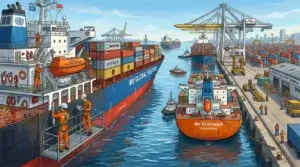
Ship Emergency Navigation is a skill every mariner needs to take seriously.
When something unexpected happens at sea, from losing power to heavy fog or electronic failures, knowing how to handle emergency navigation keeps everyone onboard safer and helps protect the cargo and ship. I’ve spent years reading accident reports and talking with captains, and there’s a clear theme. Proper preparation and practice make all the difference. In this guide, I’m sharing what I’ve learned about how to prepare for maritime emergencies, the basics of emergency navigation procedures, and details about equipment and training that help steer through maritime emergencies effectively.
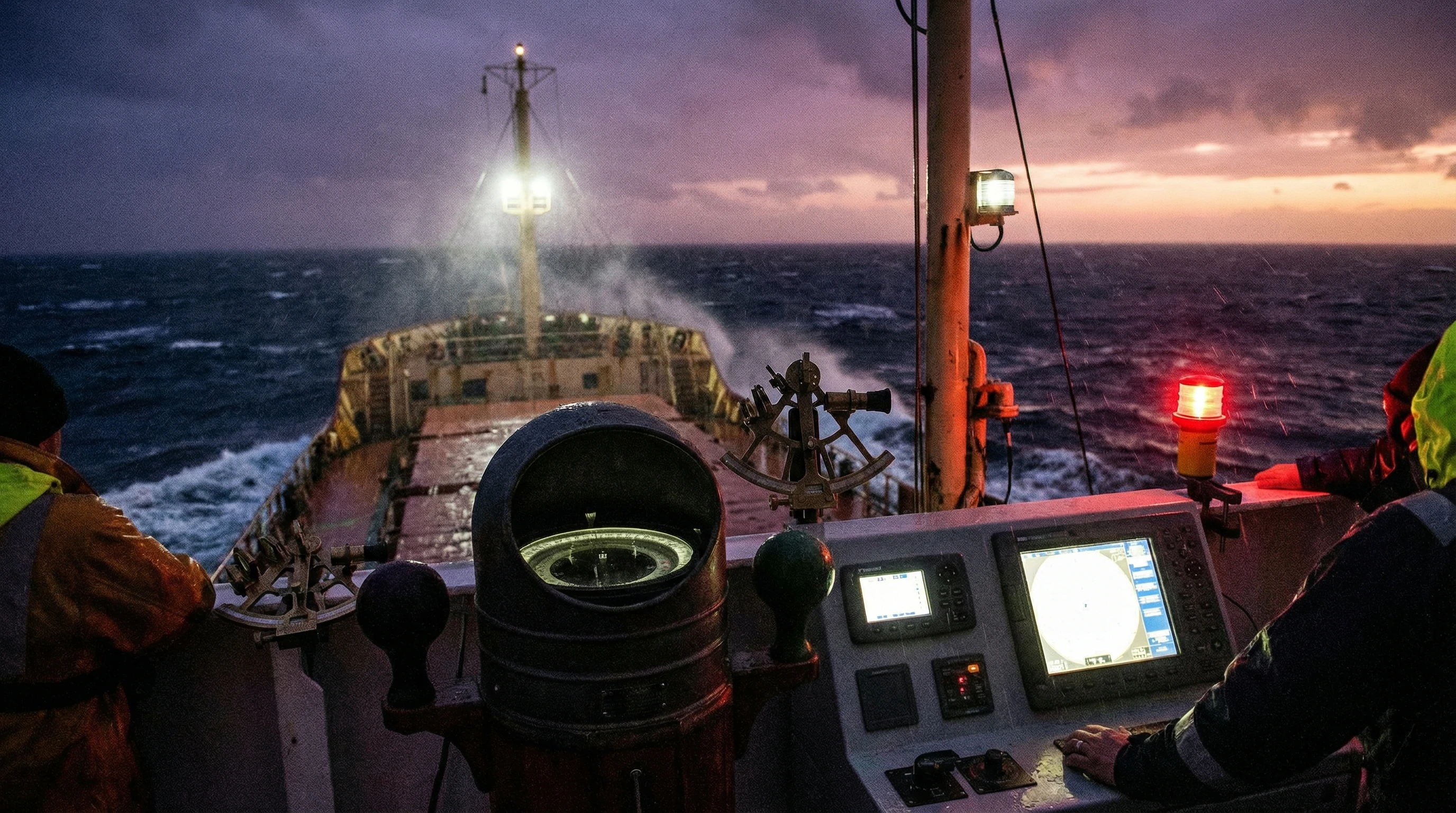
Why Ship Emergency Navigation Procedures Matter
Even the best planned voyages can run into trouble. Mechanical failure, collisions, fires, bad weather, and electronic outages can put a crew in real danger fast. Following clear emergency navigation procedures helps crews react quickly and make smart decisions under pressure.
Shipping accidents make headlines for good reason. The financial, human, and environmental impact can be huge. According to the International Maritime Organization, most maritime incidents involve some form of navigational error or equipment failure. Making sure that you and your crew can implement effective ship emergency protocols, especially during navigation emergencies, becomes more than just a box to check. It’s a real responsibility to everyone onboard and to the wider industry.
Basic Principles of Emergency Navigation
When normal navigation systems are unavailable or unreliable, I rely on a set of core principles:
- Stay Calm and Communicate: Regular updates between bridge crew, engineers, and officers ensure the right information reaches the right people. Good communication helps stop errors before they start.
- Assess the Situation: Identify what has failed and what’s still working. Is the ship adrift? Have you lost GPS, radar, or both? Are you near hazards? Quick assessment saves precious minutes in emergencies.
- Use Redundant Systems: Switching to paper charts, plotting positions by hand, and using backup compass systems keep you on track if electronics fail you.
- Safe Speed and Maneuvering: Reduce speed and assign extra lookouts during lowvisibility or equipment failure. This gives you more reaction time and helps avoid collisions or groundings.
- Notify Authorities and Get Help: If the situation is very serious, the captain should give notice to nearby vessels and coastal stations using VHF, satellite phones, or other available means. Quickly seeking help is never a sign of weakness in a dangerous situation.
How to Prepare for Maritime Emergencies
I always start with preparation. The more you plan ahead for worstcase situations, the more confidently you can handle them. Here’s my go-to checklist for preparing for maritime emergencies:
- Regular Drills: Practice abandon ship, fire, collision, blackout, and man overboard procedures with the entire crew. Consistent practice helps everyone remember their role even under stress.
- Familiarize With Equipment: Make sure everyone knows exactly where paper charts, backup compasses, emergency lights, and signaling devices are stowed. In an emergency, searching for gear wastes valuable time.
- PreVoyage Briefing: Discuss special risks on each trip, like areas of high traffic, shallow waters, or rough weather forecasts. This prepares the crew for possible challenges ahead of time.
- Assign Roles: Confirm each crew member’s responsibility if the main navigation system fails, including who handles signaling, steering, and making log entries. Knowing your job ahead of time reduces panic.
- Keep Manuals Accessible: All emergency navigation equipment should have clear, easy to find instructions onboard. Laminated copies help during dark or wet situations.
Strong preparation helps the crew spring into action faster and more effectively, especially when time is tight. Seasoned mariners know that preparation often makes the difference between routine and disaster.
Emergency Navigation Procedures in Action
When things go wrong, I follow a step by step emergency navigation process that’s saved many crews from bigger trouble:
- Detect the Emergency: This might be a total power failure, steering gear issue, GPS blackout, or loss of radar in bad weather.
- Switch to Emergency Lights and Power: Many ships carry portable emergency lights and batteries for electronic gear. Turn these on to maintain control and visibility.
- Activate Redundant Navigation Aids: Grab backup magnetic compasses and paper charts. Calculate your last known position and plot it manually.
- Take Fixes by Visual or Manual Means: Use coastal landmarks, buoys, or visible stars (if trained). Mark your new position at regular intervals to avoid drifting into danger.
- Reduce Speed and Assign Extra Lookouts: Lower your ship’s speed, post extra crew on the bridge wings, and keep a sharp lookout for other vessels or obstacles. Slower speed means more reaction time.
- Communicate and Log Everything: Record your position, time, weather, and actions in the ship’s log. Update shore and nearby ships if necessary, following your ship emergency protocols guide for clear communication.
- Seek Assistance if Needed: Use VHF radio (Channel 16), satellite communications, or flares to request help if the risk grows higher. Clear distress calls are lifesaving when things truly go sideways.
The quicker you apply these steps in a real emergency, the better your outcome will be. Seconds matter, especially at sea where the situation can change rapidly.
Emergency Navigation Equipment: Essentials and Recent Reviews
Being familiar with the right equipment really pays off during emergencies. Here’s what I keep track of in my routine checks and what I’ve learned from emergency navigation equipment reviews:
- Paper Nautical Charts: Still the gold standard for backup route planning. Keep them dry, current, and at hand for immediate use.
- Magnetic Compasses: Reliable when electronics fail. Know your deviation and how to use them for quick course adjustments in emergencies.
- Handheld GPS Units: Batteryoperated models work independently from ship power, offering valuable location data when the power goes out.
- Signal Lamps and Flares: Used to communicate with nearby ships if there is a total radio blackout or during night emergencies.
- Battery Powered Navigation Lights: Ensure your ship stays visible in any situation, especially if the main systems go down.
- Portable AIS Transponders: Let you broadcast your position even if main systems go down. Being seen by other ships can prevent collisions or aid in rescue.
- Emergency Steering Gear: Understand your ship’s backup steering system and keep it in working order. A well-maintained system saves you in a pinch.
Recent emergency navigation equipment reviews by groups like the UK Maritime and Coastguard Agency spotlight gear such as the Furuno Handheld GNSS, Plastimo Iris 100 compasses, and Solas compliant LED emergency lanterns for their reliability during blackouts or lowlight scenarios. Keeping up with new developments means you can quickly track down the best tools for your vessel.
Top Emergency Navigation Technologies to Know
Technology keeps improving every year. Some top emergency navigation technologies making waves in the last few years include:
- LongLife Emergency GPS Beacons: EPIRBs (Emergency Position Indicating Radio Beacons) now have extended battery life and water-activation features. When manual location fixes are impossible, these transmit your location automatically to rescue services, significantly improving outcomes.
- SelfContained Electronic Nav Kits: Compact, grabandgo kits with handheld GPS, compass, LED lantern, emergency batteries, and VHF radios stored together. Easy to grab and put to work even in stressful moments, these kits are recommended in recent industry reviews.
- Autonomous Navigation Units: Small, selfpowered GPS and compass displays can be set up on the bridge to maintain basic navigation even when central ship power is lost. They are becoming increasingly popular for new builds and retrofits.
- Voice Activated Emergency Systems: Some units now recognize verbal commands, such as activating distress calls or switching to specified channels. This helps speed up response when hands are full or priorities quickly shift during emergencies.
These technologies offer more reliable options for handling maritime emergencies, however, old fashioned paper and compass knowledge are still just as valuable. Remember, equipment only helps if you know how to put it to use.
Emergency Navigation Training Courses
No gear will work if you don’t know how to use it. Emergency navigation training courses are available through maritime academies, training companies, and online providers. I’ve seen firsthand how quality hands-on drilling helps even experienced crews stay sharp. These courses usually include:
- Backup navigation with charts and compass
- Simulated equipment failures in bridge simulators
- Communication protocols in emergencies
- Practical exercises with emergency beacons, VHF, and signaling equipment
- Lessons about common causes of accidents and case study reviews
The International Maritime Organization (IMO) and many national authorities encourage regular recertification. Refreshers every few years keep your skills sharp for real emergencies. Investing in your team’s training gives a huge boost to confidence and overall maritime safety.
Practical Tips for Navigating Maritime Emergencies Effectively
Here are tips from my own voyages and lessons learned from others about handling emergencies with confidence:
- Keep Backups on the Bridge: Spare flashlights, paper charts, a battery GPS, and a simple compass should always be within arm’s reach during watchkeeping. Don’t lock away the essentials.
- Practice Blind Scenarios: Run drills where the crew can’t use electronic aids. Plot positions by hand and issue steering using compass bearings only. Blind navigation practice prepares you for true emergencies.
- Train Multiple Crew Members: Don’t put all critical knowledge on one officer. Cross-train bridge, engine, and even some deck crew on the basics of emergency protocol and navigation. When more people know what to do, you reduce risk.
- Prepare a ‘Go Bag’: Assemble a waterproof bag with critical items (charts, notepad, flashlight, hand radio, and batteries). It’s a lifesaver during fires or rapid evacuations, and every crew should know where it is kept.
- Chart Familiar Routes: Keep the latest charts for all likely alternative ports and routes. If your main route gets blocked or weather changes suddenly, you’ll be prepared to replot and keep moving safely.
Putting these habits into routine makes a real difference in response time and crew confidence. If you make preparedness a culture onboard, you build genuine sea safety for all.
Challenges and Considerations During Emergency Navigation
Every situation brings unique hurdles. Some common trouble spots to watch for:
- Remote or Hazardous Waters: When near reefs, rocks, or in ice, losing electronic aids can be riskier. Extra attention to landmarks, soundings, and ship’s draft are key for avoiding disaster. Some areas require double-checking every fix by hand for best safety.
- Fatigue: Stress and long watches can lead to mistakes. Rotate duties often and don’t hesitate to ask for help from nearby ships or shore when you feel overloaded—the ocean is no place for pride.
- Language Barriers: If you have multinational crews or nearby ships speak different languages, keep signal cards and standard communication phrases ready for bridge watch or emergencies.
- Equipment Maintenance: Old batteries, worn paper charts, or corroded connectors undermine emergency readiness. Regular checks prevent surprises when things get tough. Build equipment checks into your safety routine without fail.
- Weather Surprises: Fog, rain squalls, or storms may appear quickly. As soon as you spot a drop in visibility, slow down and use lowvisibility protocols. Don’t wait for conditions to worsen.
Handling these issues comes down to good preparation, regular practice, and keeping routines simple enough to follow even under strong pressure. Teams that rehearse together always show better results in real emergencies.
Frequently Asked Questions About Ship Emergency Navigation
Here are questions I hear most often from trainees and new crew members about ship emergency protocols and navigation during tough situations:
Question: How can I best prepare for navigation equipment failures?
Answer: Practice manual navigation with charts and compass before you need it. Take time to read emergency navigation equipment reviews and choose backup gear you trust. Run drills routinely so the steps feel familiar in your mind and hands.
Question: What should I do if all electronics fail during a storm?
Answer: First, slow to a safe speed, post extra lookouts, and switch to paper charts and a magnetic compass. Use dead reckoning—estimating where you are based on last known speed and course—and visual bearings to keep track of your position. If needed, use flares or VHF to alert others in the area.
Question: Are there Emergency Navigation Training Courses for crew at all experience levels?
Answer: Yes. Many maritime schools and online platforms offer hands-on and simulator-based courses, from entry level to advanced refreshers. These training courses are really important for building confidence and keeping skills current, no matter how much sea time you have.
Question: How do I choose reliable emergency navigation equipment?
Answer: Look for equipment compliant with SOLAS (Safety of Life at Sea) standards and read up-to-date reviews from maritime safety agencies. Choose proven designs that are simple to operate under stress, and add user reviews into your decision for practical feedback.
Question: What are the first actions when an emergency navigation situation happens?
Answer: Stay calm, quickly assess what’s working, switch to backup gear, post lookouts, and log each action and observation. Keeping track of time, position, and bearing is super important for safety and coordination with rescue teams if needed. Never underestimate the value of a clear log, especially in confusing conditions.
Recap and Moving Forward
Maritime safety navigation requires more than technical skill. It’s about understanding your ship, crew, and equipment so you can respond quickly to surprises and protect everyone onboard. Emergency navigation is not just for old ships or rough seas. Any vessel, no matter how hightech, can face sudden challenges when you least expect them. Keeping backup systems checked, treating drills seriously, and reviewing lessons learned after incidents help keep everyone safer. If you’re new to ship emergency navigation, start small. Practice plotting on paper, learn your compass, and build up to more complex scenarios. The confidence and readiness you gain will benefit both you and everyone you work with at sea.
Staying sharp with regular review, joining emergency navigation training courses, and investing in the bestproven equipment puts you and your crew in a much stronger position for whatever the sea throws your way. That’s the real spirit behind maritime safety navigation, and it’s something I always keep at the top of my mind as a mariner committed to safe seas.