Managing audits and inspections at sea can seem daunting, but understanding what’s expected and being well prepared in advance makes the process much more manageable.
Based on my experience, smooth audits spring from regular habit and a clear understanding of requirements, not just last minute scrambling. Handling maritime inspections and audits correctly helps keep the ship, crew, and company compliant with regulations while maintaining safety and operational standards. Here, I’m sharing an all-in-one guide to help seafarers handle audits and inspections with more confidence and less stress.
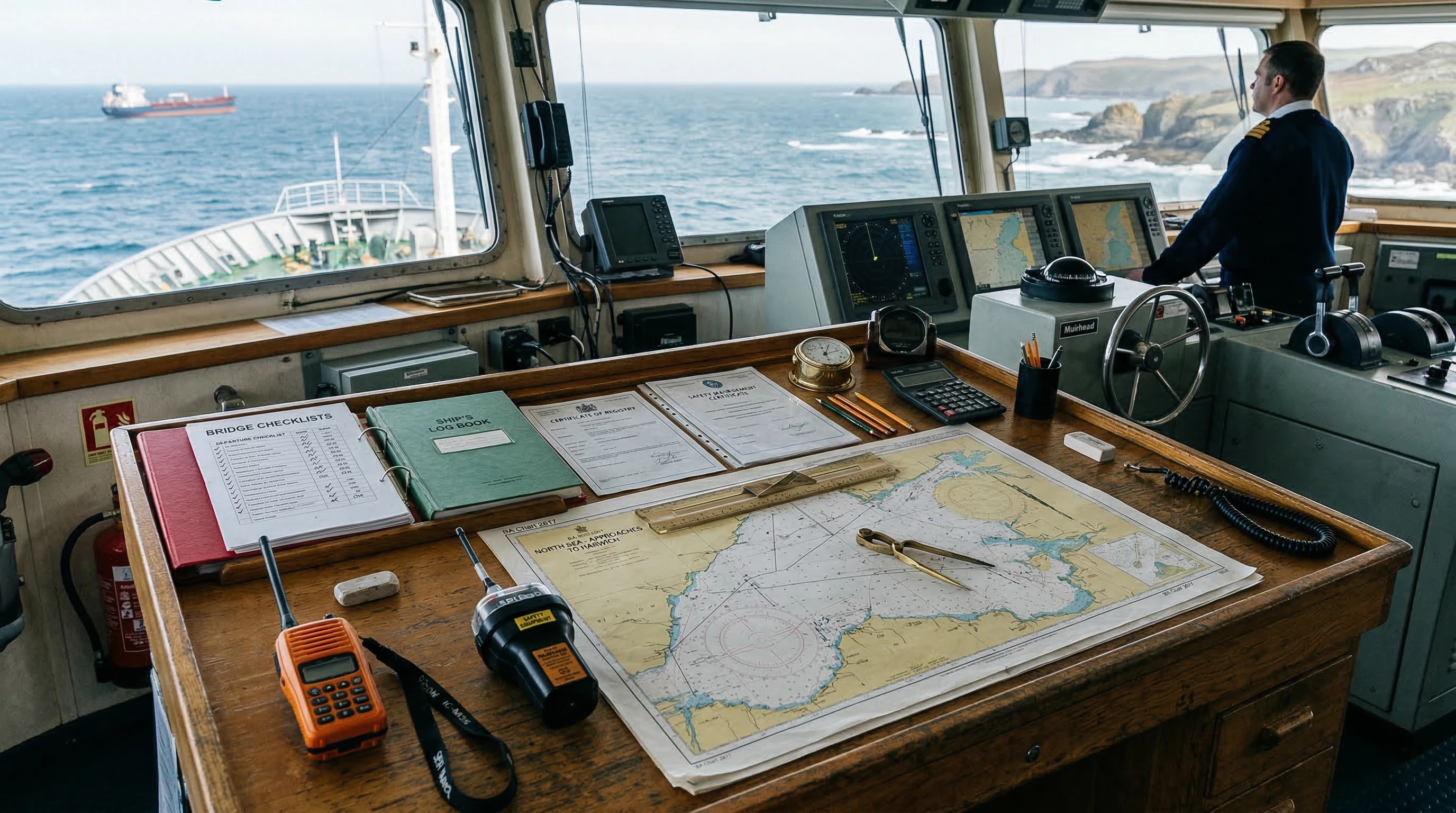
Understanding Maritime Inspections and Audits
Every seafarer will experience several types of inspections and audits during their time at sea. These checks aim to make sure ships meet legal and industry requirements for safety, environmental protection, and crew well being. Common types include Port State Control (PSC) inspections, flag state audits, internal ISM (International Safety Management) audits, and external audits by classification societies. Knowing the difference between each type can save a lot of confusion on board.
For instance, ISM audits focus on the safety management system and how well the crew follows procedures. Port State Control has a broader focus on compliance with international conventions such as SOLAS (Safety of Life at Sea) and MARPOL (Marine Pollution). I always suggest that crew get to know both the regulations and the paperwork expected for each type so there are no unexpected surprises.
Seafarers audit checklists, often provided by shipping companies or regulatory bodies, are incredibly useful. Using these ahead of time helps spot what needs attention before inspectors arrive. I’ve found that understanding standards and using official checklists can help solve any minor nonconformities before they become bigger problems.
Key Regulations Shaping Seafarer Audit Compliance
Most inspections focus on compliance with international conventions and codes. The most important ones you’ll encounter include:
- SOLAS: Sets standards for the construction, equipment, and operation of ships to keep safety at sea a priority.
- MARPOL: Focuses on preventing pollution from ships, with rules about oil, sewage, and garbage management.
- STCW: Lays out minimum training and certification for seafarers.
- ISM Code: Requires shipping companies and crew to follow a documented safety management system.
These rules form the foundation of seafarer inspections and regulations. Inspectors and auditors use them to size up your vessel’s compliance. Staying up to date with requirements and making sure all documentation and certificates are valid and current is vital. I like to stay organized with a digital or hardcopy folder for each main area: crew certifications, ship certificates, maintenance records, and safety drills.
Common Inspection and Audit Triggers
Inspections and audits can be scheduled, random, or triggered by specific events. Here are common situations when they might occur:
- Routine audits by flag state or shipping company
- Entering a new port (Port State Control)
- Changing the ship’s flag or ownership
- Incident or near miss investigation onboard
If there’s been a recent spillage, injury, or machinery breakdown, you can expect inspectors to pay closer attention. Being transparent and ready to explain exactly what happened builds trust. When I’ve made a mistake or missed something, being upfront has always worked better than trying to cover anything up.
What To Expect During Maritime Audits
Most auditors follow a structured plan. Inspections usually start with introductions, a request for key documents, and a walkthrough of the vessel. Expect questions about your role, daily routines onboard, recent drills, and safety procedures, with special attention to fire safety, pollution prevention, machinery spaces, bridge operations, or accommodation areas.
Typically, during an audit, you’ll encounter:
- Requests for important logbooks (oil record book, engine log, garbage record book, etc.)
- Verification of seafarers certifications and audits evidence (course certificates, training records)
- Random checks of safety equipment, alarms, and escape routes
- Observation of emergency drills and checking crew familiarity with procedures
- Examination of living conditions and welfare
Inspectors often ask direct questions. Preparing honest, clear answers and demonstrating good daily routines helps show a positive attitude toward compliance and safety. I recommend practicing responses to common audit questions as a crew to build confidence and foster teamwork.
Maritime Audit Preparation Guide: Steps to Get Ready
Good preparation starts long before the inspector sets foot on board. From my experience, steady daily discipline pays off more than any last minute efforts. Here are the primary steps I follow to prepare for maritime audits and inspections:
- Keep All Documentation Organized: Maintain certificates, records, and manuals in places that are easy for everyone to access. Create a system that all know.
- Stick to Maintenance Routines: Carry out scheduled drills, equipment checks, and repairs. Document every activity, even the minor jobs.
- Use Seafarers Audit Checklists: Complete both official and company checklists in advance. Checking these helps spot issues early.
- Run Internal Reviews: Hold mock audits involving various crew members, reviewing major areas together.
- Make Sure Crew Knowledge Is Solid: Train everyone, especially newcomers, on emergency procedures, muster lists, and their responsibilities.
- Review and Update Certifications: Ensure all seafarers certifications and related records are up to date and accessible, including medical certificates and training logs.
Updating and reviewing procedures and training regularly makes a noticeable difference in audit results. I always encourage crew to give open feedback to make it easier to spot issues early, instead of sweeping them under the rug.
Seafarers Inspections Best Practices
I’ve learned that the best way to always be ready for an audit is to fold compliance into daily routines. That means sticking to procedures all the time, not just before inspections. Here are some practical habits I use:
- Hold regular safety meetings where everyone can ask questions or talk about concerns.
- Keep safety equipment clean, in working order, and accessible, not just “on paper.”
- Rotate leaders for drills so each crew member gains real experience in fire, man overboard, and abandon ship exercises.
- Store all necessary documentation in shared spaces so any crew member can find what’s needed.
- Promote honest reporting of hazards, no matter how small, without blame.
Good communication between crew and officers keeps everyone involved and alert about compliance, a point that shows up in nearly every successful audit. Regular reminders about certificate expiration dates and upcoming training also help avoid the stress of last minute fixes.
Addressing Common Challenges
I’ve faced my fair share of obstacles during both scheduled and surprise audits. Here are some common challenges and how I handle them:
Documentation Gaps
Missing or expired documents are among the most frequent issues. I beat this by keeping a master list with expiry dates and staying on top of updates. Assigning someone in the crew to help keep records current lightens the load.
Language Barriers
On crews with multiple nationalities, language can be a hurdle. I run short training sessions in simple English and use clear diagrams, making sure everyone knows key safety phrases and where critical gear is located.
Regulation Changes
Maritime laws often change. I keep up to date by subscribing to bulletins and sharing updates in safety meetings so that the whole crew is informed.
Complacency From Routine
Doing the same drills gets repetitive and can make people tune out. Mixing up scenarios and switching roles helps keep everyone sharp.
The Role of Seafarer Certifications in Audit Success
Auditors pay close attention to seafarers certifications and evidence of training. Missing or outdated certificates cause trouble for both the crew member and the ship. I habitually check my certifications and remind fellow crew members to keep theirs current.
Documents and certificates usually required include:
- STCW Certificates (such as Basic Safety Training and Advanced Firefighting)
- Medical certificates
- Watchkeeping diaries and logs
- Records of onboard training sessions and drills
Seafarers with up to date and well organized documentation make a good impression and help the inspection or audit process go smoother.
Using Seafarers Audit Checklists
Seafarers audit checklists are invaluable when prepping for inspections. I make it a habit to complete company-issued and industry standard checklists, typically about a week before the audit. These lists help highlight things like:
- Location and accuracy of the muster list
- Condition of life saving appliances and firefighting gear
- Readiness of pollution prevention equipment
- Crew understanding of procedures
Incorporating these checks into daily or weekly routines instead of scrambling at the last minute makes life easier when audit time arrives.
Learning from Common Audit Findings
Many audit findings are repeated across ships in the industry. Learning from these helps avoid common pitfalls. Examples include:
- Poorly kept logbooks or incomplete entries
- Obstructed or hard to access escape routes
- Unmaintained or untested fire extinguishers, alarms, or related equipment
- Safety management procedures that are out of date
- Missing, unreadable, or poorly displayed signage
I see every audit feedback as a good learning opportunity and make it a point to discuss lessons and improvements with the entire crew after inspections.
How to Build a Positive Inspection Culture Onboard
Treating audits and inspections as regular parts of ship life, rather than rare disruptions, is key to a smoother process. I work on this by:
- Encouraging everyone to ask questions or report issues without worry
- Holding regular short talks about recent inspection results and possible improvements
- Promoting shared responsibility over public areas and safety equipment
- Recognizing and appreciating proactive compliance, such as early detection of issues
By turning preparation into a group effort, everyone gets more involved, inspections feel less intimidating, and the crew naturally operates at a higher standard.
Case Study Example: Successful Handling of a Port State Inspection
During our last Port State Control inspection, we made sure all logbooks were up to date, the crew was clear on emergency procedures, and that repairs highlighted in a previous internal review were wrapped up. Inspectors focused on pollution prevention gear, checked oil record books, and tested emergency alarms. Since regular drills and equipment upkeep were routine for us, the inspection finished swiftly, and inspectors complimented our readiness and team attitude. This showed me that clear communication and steady preparation make inspections much smoother.
Practical Tips for Ongoing Compliance
- Organize certificates and logbooks into accessible folders, whether digital or physical
- Renew seafarers certifications before any deadlines and keep a calendar of due dates
- Conduct mock audits every few months to spot and solve potential problems early
- Switch up roles in drills, building confidence and experience across the crew
- Keep abreast of regulatory changes and inform everyone during safety briefings
Frequently Asked Questions
Question: What is the difference between an inspection and an audit onboard ships?
Answer: Inspections usually zoom in on specific safety or operational elements and tend to be carried out by port or flag state officials. Audits, on the other hand, take a wider view and examine how well the safety management system is running, focusing on documentation and procedures overall.
Question: Which documents do inspectors usually request during a maritime audit?
Answer: Inspectors often ask to see logbooks (like oil, garbage, engine logs), crew certificates, ISM manuals, maintenance records, and evidence of recent drills or crew training.
Question: How can I prepare for an unannounced maritime inspection?
Answer: Regularly organizing records, maintaining routines, and using seafarer audit checklists daily, along with regular crew training, sets the team up for audit readiness at any time.
Question: What should I do if my certification is about to expire during a contract?
Answer: Get in touch with your management and arrange to renew your certification through approved training providers. Many companies help with scheduling renewals to make sure all crew certificates remain valid and up to date.
Final Thoughts
Audits and inspections at sea become simpler and less stressful with steady preparation and active crew involvement. I’ve found that keeping up with training, communicating openly, and diligently maintaining documentation helps the entire team stay calm and confident during audits.
Keeping the ship audit ready not only ensures compliance but also boosts the safety and effectiveness of the whole crew.