Dealing with maritime accidents goes far beyond the physical and emotional toll. There are also numerous legal steps involved, which can quickly become overwhelming if you’re unsure where to start. Seeking maritime accident legal advice can help you navigate the process with greater clarity and confidence.
Over the years, I have found that understanding the basics of maritime law and what to expect from a legal process after a maritime injury can make a huge difference. This article will give you clear, practical direction on how to handle the legal side of maritime accidents, focusing on legal advice, the claim process, understanding liability, choosing attorneys, and getting compensation for maritime injuries. Plus, I’ll give you extra detail and practical tips from my experience to make this your go-to resource for everything related to maritime accident claims.
Understanding Maritime Accidents and Legal Framework
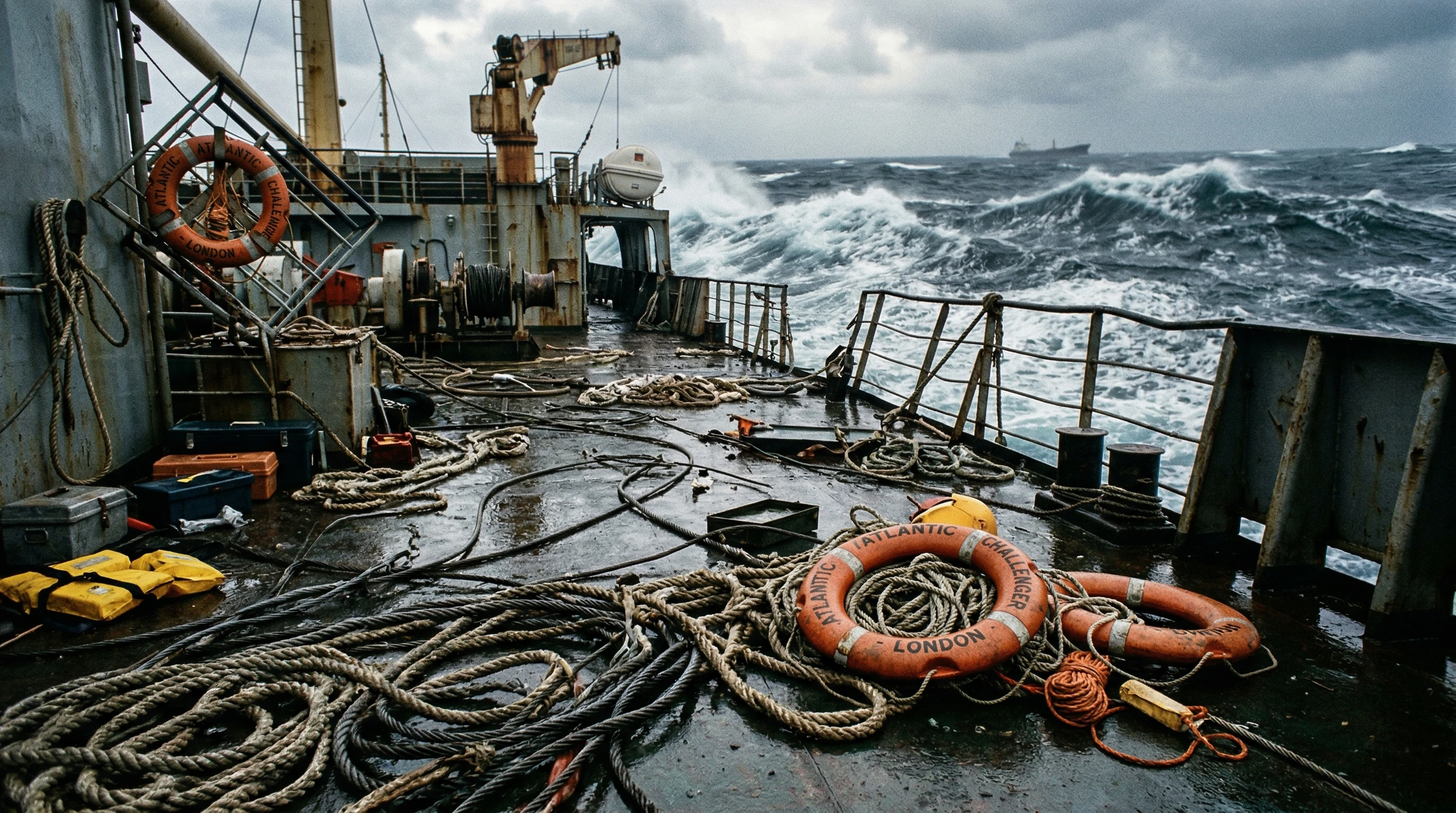
A maritime accident usually involves injuries or property loss that happens on navigable waters, including oceans, rivers, and lakes. These accidents can cover ship collisions, slips and falls on decks, equipment failures, and incidents between vessels. The legal system treats maritime situations differently compared to accidents on land, since special rules apply, such as the Jones Act, the Longshore and Harbor Workers’ Compensation Act, and general maritime law. Knowing these rules sets the stage for what rights you have if you’re hurt or lose property in this environment.
Getting clear maritime accident legal advice early sets you up to make good decisions from the beginning. A legal consultation helps you recognize if your accident qualifies under maritime law and what steps are available next, from medical care through to reporting and evidence gathering. Many people are unsure which act applies, so talking with a professional right away is the best way to figure out which law protects you personally. For example, while the Jones Act is geared for seamen, dockworkers might have protection under the Longshore Act. Knowing which applies can greatly affect your compensation options and strategy.
Immediate Steps After a Maritime Accident
The actions you take in the minutes and hours after a maritime accident impact your safety and your legal rights. I typically focus on the following steps when I help people who are unsure how to handle maritime injuries right after they occur:
- Get Medical Help: Always seek medical help first, even if your injuries seem minor. Some injuries only become noticeable later.
- Report the Accident: Notify your supervisor, captain, or the owner of the vessel officially as soon as possible. This should be documented in an accident report log.
- Preserve Evidence: Take photos of your injuries, dangerous conditions, and the accident scene. Collect witness statements from other crewmembers or passengers if possible.
- Do Not Sign Agreements: Avoid signing any statements or settlements from your employer or insurance without consulting an attorney.
Following these steps helps protect both your health and any legal claim you may want to make later. Additionally, always try to write your own notes on what happened as soon as you can. Even small details about weather, the sequence of events, or the names of witnesses may become important later.
The Maritime Accident Claim Process Explained
Filing a maritime accident compensation claim is not always straightforward. I have sat down with many people who feel overwhelmed by the paperwork, deadlines, and unique maritime claim processes. Usually, these consist of:
- Notifying Responsible Parties: Inform the vessel owner or employer about the incident formally. This step is critical, as prompt notice often determines your ability to pursue a claim. Keep a record of any notices you send or receive in writing.
- Documentation: Gather and keep all medical records, accident reports, correspondence, and photographic evidence. Create organized digital folders if possible to avoid losing such information.
- Legal Consultation: Meet with a maritime accident legal consultation specialist to understand your options. Most attorneys in this field offer a free or low-cost first meeting. Ask lots of questions and make sure you understand the process before moving forward.
- Investigating Liability: Your attorney will start working out who is responsible for your injuries. Maritime accident liability issues can get complex and might involve multiple parties, including the crew, the vessel owner, maintenance contractors, and manufacturers.
- Filing a Claim: Your lawyer will help you file either a formal claim with your employer or an insurance provider, or begin legal proceedings in court if a settlement is not reached.
- Negotiation or Litigation: A majority of maritime personal injury claims resolve through negotiations. If an agreement cannot be reached, your claim may go to trial. The court process is more involved and may last longer, but sometimes it is necessary to get fair compensation.
Specific deadlines apply, and they vary based on what type of law covers your accident. Missing one can mean losing your right to compensation, which is why advice early on is really important. Attorneys know the statutes of limitations for each maritime law and can keep you on track so you do not lose your opportunity to seek justice.
How to Handle Maritime Injuries, Common Examples and My Experience
People often reach out to me after injuries such as falls, equipment accidents, back injuries, burns, and toxic exposure. Maritime injuries can range from obvious trauma to long-term conditions like repetitive stress syndromes. Once, I helped a dockworker who had slipped on an oily deck and suffered a fractured arm. Because he reported the accident right away, collected pictures, and kept every medical bill, we were able to build a strong case for his compensation claim. Quick, organized action always makes things easier later.
Maritime personal injury claims can also cover emotional trauma and occupational illnesses. Documenting symptoms, getting regular medical checkups, and keeping written communication with your employer all help support your case if you need to prove the long-term effects of your injury. In addition, some maritime environments can expose workers to hazardous chemicals or repetitive heavy lifting, causing complications years later. Always ask for regular medical tests if you are exposed to toxic substances, and retain those records. Employers are required to provide protective equipment and safety protocols; if they fail to do so, it may be considered negligence.
Another common scenario is hearing loss from long-term exposure to engine noise, or respiratory concerns from inhaling shipboard fumes. These may be harder to connect directly to a single incident, but with the right documentation and medical reports, compensation can still be claimed. If you develop symptoms later, let your employer know as soon as you suspect a link to your previous maritime work. The earlier you act, the stronger your claim will be.
Key Maritime Accident Legal Advice
Getting professional legal guidance can mean the difference between a smooth process and losing out on compensation. Here are tips I believe matter most when dealing with maritime accident legal issues:
- Act Quickly: Start the claim process as soon as possible to secure your rights and collect accurate evidence. Procrastination can weaken your claim and make it harder to back up your story.
- Be Honest: Always be honest in your accident report, medical assessments, and whenever you communicate with legal, insurance, or regulatory personnel. Any inconsistencies could be used to undermine your credibility later.
- Do Not Communicate Alone: Let your lawyer handle communication with the employer and their insurance company. This avoids being misquoted or pressured into unfair statements. Insurance companies may contact you to get a recorded statement. Politely decline and say your lawyer will be in touch.
- Know the Laws: Different laws may apply, such as the Jones Act (for seamen), Longshore and Harbor Workers’ Compensation Act (for dockworkers), and general maritime law (for passengers and others). Your lawyer will help explain which protects your case. Attending a brief legal seminar or workshop, if available, can give you extra confidence about your rights and responsibilities.
Each of these areas requires attention to detail and good recordkeeping. I find that keeping a notebook or digital folder helps me or my clients keep every detail organized from day one. Documenting everything also speeds things up if your attorney or insurance adjuster needs to review your case quickly. For those who work at sea regularly, consider setting up a routine: update your health log, incident notes, and photograph anything that looks unsafe on a regular basis. It may save you time and stress if an accident ever happens.
Understanding Maritime Accident Liability Issues
Liability in maritime accidents often depends on proving negligence or unseaworthiness. For example, if a ship was not properly maintained or if a supervisor failed to enforce safety procedures, they could be held legally responsible for injuries. Knowing how liability works is a big step in preparing your claim.
In many cases, more than one party can share responsibility. The owner, captain, crew, equipment manufacturer, or outside contractor may all be involved. The law often uses concepts like “comparative fault,” where your percentage of fault might reduce compensation. That means if you were 20% responsible for what happened, your compensation gets reduced by that amount. Your attorney’s job is to make sure the correct percentage is assigned and the blame does not unfairly fall on you alone.
Evidence such as maintenance records, safety training logs, and witness testimony all help establish or defend liability. I always make a point to document these details early in the process so nothing is missed if your case ends up in court. In some cases, expert witnesses (like maritime accident reconstruction specialists) can break down complex machinery failures or explain why specific safety protocols were not followed.
It is also vital to understand that seaworthiness is not just about the ship being able to float. It includes having trained staff, safe procedures, proper gear, and an environment that does not put crew or passengers at risk. Weakness in any one of these areas opens the door for legal liability. Make sure you gather any crew training certificates, maintenance logs, or inspection records if you suspect your accident was caused by neglect or unsafe conditions.
Cost of Hiring Maritime Attorneys and How Fees Work
Many people worry about the cost of hiring maritime attorneys. In my experience, most maritime personal injury lawyers work on what is called a contingency fee basis. This means you pay nothing upfront. Instead, the lawyer gets a percentage (usually between 30% and 40%) of whatever money you win in a settlement or court judgment.
During your first maritime accident legal consultation, ask about all fees and costs. Some law firms cover the costs of investigation, court filings, and expert witnesses, and then get repaid from your compensation. Be sure to understand this arrangement before you sign an agreement. It helps to compare several attorneys and fee structures before choosing the right one for your needs. Many times, firms that focus on maritime cases will have nuanced strategies to get you the best results. Do not be afraid to ask about their recent cases, success rates, and experience with situations like yours.
What Can Be Claimed in Maritime Accident Compensation?
Compensation in maritime accident claims is not just about covering medical bills. What you qualify for depends on the nature of the accident and how badly you are hurt, but often includes:
- Medical expenses (current and future, including specialist treatments, therapy, and medical equipment)
- Lost wages and future reduced earning capacity (including lost overtime pay and career advancement opportunities)
- Pain and suffering
- Disability and rehabilitation costs
- Emotional distress (including anxiety, depression, or post traumatic stress disorder from the accident)
- Loss of enjoyment of life (if your injury stops you from doing activities you previously loved)
- Possible punitive damages for severe negligence
The maritime accident claim process also allows for claiming “maintenance and cure,” which covers living costs and medical treatment until recovery. The Jones Act opens the door for damages when your employer is even a little at fault. Some unique laws, such as the Death on the High Seas Act, offer compensation for families of those lost at sea. If your case involves long-term effects, be sure to include future costs in your evidence, for instance, ongoing physical therapy or home care. Your lawyer can help you calculate these expenses so you do not accept a low settlement that leaves you underfunded in the years ahead.
Challenges and Common Hurdles in Maritime Claims
Some of the hurdles I have seen include:
- Complex Jurisdiction Issues: Different courts handle maritime law, so you need to file your claim in the right place. Sometimes, whether the accident occurred a mile offshore or at a faraway port affects which laws apply.
- Proving Negligence: It is not always easy to show that another person’s carelessness or unsafe practice caused your injury. You may need to track down old maintenance records or get statements from reluctant witnesses. Persistence and organization are key here.
- Getting Evidence from Employers: Sometimes shipowners or managers resist sharing records needed to prove your claim. Your attorney may file requests through the court to force them to release these documents. Do not let delays or pushback scare you off from pressing for what you need.
- Pressure to Settle Fast: Employers or their insurers may push for quick, low offers. Do not accept any settlements before your attorney reviews them. Quick offers can be tempting, especially if you are struggling with bills, but they often do not reflect the real value of your claim.
Being aware of these issues helps reduce stress and makes for a much smoother process, especially when you have legal help looking out for your interests. Sticking with the process and not giving in to pressure can lead to more favorable outcomes down the line, even if your claim takes longer than you had hoped.
Frequently Asked Questions About Maritime Accident Legal Issues
My background as a legal advisor means I get a steady stream of questions from workers, passengers, and families affected by maritime accidents. Let’s go through some of the most common questions and answers to help clear up confusion:
Q: What is the first thing I should do if I get hurt on a ship or dock?
A: Get immediate medical attention, and make a written report to your supervisor or employer as soon as you can. Keep a copy of all written communications and medical evaluations. If you can, take photos of your injuries and the scene while the details are fresh.
Q: Who is responsible for paying compensation?
A: Liability depends on who caused the accident. It might be your employer, the vessel owner, a manufacturer, or a third party, depending on the facts. Your attorney can say it clearly which laws apply and who should be held financially responsible. Responsibility may also be split, so do not make assumptions based on rumors or hearsay from coworkers.
Q: How long do I have to make a claim?
A: Time limits vary. Some claims need to be filed within one year, others may allow up to three years. The earlier you get advice, the better your chances of meeting all the deadlines and building a good case. Courts rarely grant exceptions for late claims, so do not wait until you “feel up to it.” Start paperwork and consultations as soon as possible, even if you are recovering from your injuries.
Q: How do I know if my injury qualifies for a maritime personal injury claim?
A: If your accident happened on navigable waters in connection with maritime work or travel, you likely have a valid claim. Legal advice helps confirm what law applies to your specific case. Even passengers on cruise ships or ferries can have rights, not just crew members or dockworkers. Always consult a lawyer for your particular situation.
Q: Do I need a maritime lawyer, or can I use a general personal injury attorney?
A: Experience with maritime law is really important in these cases because the rules are different from standard injury cases. A lawyer familiar with admiralty and maritime law can guide you better and help avoid common mistakes. Maritime statutes and procedures are often more technical than land-based personal injury law. Choosing a specialist increases your chances of success and ensures that you do not miss out on vital compensation due to inexperience.
Wrapping Up, Final Thoughts on Handling Maritime Accidents Legally
Dealing with maritime accidents is never easy, but understanding your rights, the legal advice available, and the claim process makes a real difference. Whether you are a seafarer, dockworker, passenger, or cruise ship employee, seeking support from a maritime attorney and staying organized from the start puts you in a stronger position. Document everything, act fast, and be patient with the process. While maritime law is unique, with the right information and legal guidance you can make it through with your rights protected and a fair shot at compensation. Remember, it is better to be persistent and thorough now than regret missing important details down the road. Keep copies of all documentation, talk openly with your attorney, and do not let legal complexities stop you from pursuing the compensation and justice you deserve.




Hi Andrejs,
I like how it doesn’t just throw legal terms around but breaks things down in a way that’s easy to follow, especially for someone who’s never dealt with maritime law before. The concept about acting quickly and documenting everything really amazing so many people overlook that until it’s too late. It also helps that you included real-world examples, because it makes the whole process feel less abstract and more relatable. I feel like this is an advice coming from experience, not just theory. Thank you for writing this valuable content.
Hi Shafna,
Thank you, I really appreciate you taking the time to share that.
That was exactly my goal when putting it together, to make something that’s actually useful and easy to understand, not just a wall of legal jargon. Maritime law can feel overwhelming if you’re new to it, so breaking it down into practical steps felt important.
You’re absolutely right about acting quickly and documenting everything, those are the kinds of things people often realize only after the fact, and by then it can make things much harder.
I’m glad the real world examples helped bring it to life a bit. A lot of this does come from seeing how situations actually play out, not just reading about them.
Thanks again for the thoughtful feedback, it really means a lot.