Managing ballast water management systems (BWMS) is a critical responsibility for modern ships. Ballast water management ensures vessel stability while preventing the spread of invasive marine species and protecting global ecosystems.
With stricter regulations from the International Maritime Organization, ships must now use approved ballast water treatment systems and maintain full compliance. This guide explains how ballast water management works, the technologies involved, and how to stay compliant in 2026 and beyond.
Why Ballast Water Management Matters
Ballast water plays a vital role in maintaining ship stability, but it also carries environmental risks.
Ships take on ballast water in one region and discharge it in another, often thousands of miles away. This process can introduce invasive species, bacteria, and microorganisms into ecosystems that are not equipped to handle them.
The International Maritime Organization identifies ballast water as one of the biggest threats to marine biodiversity.
Key impacts include:
- Disruption of local ecosystems
- Damage to fisheries and aquaculture
- Spread of harmful aquatic organisms
- Increased maintenance costs for marine infrastructure
Responsible ballast water management protects both the environment and the long-term sustainability of global shipping.
What Is Ballast Water and How Do Systems Work
Ballast water is stored in tanks to stabilize ships during loading, unloading, and transit.
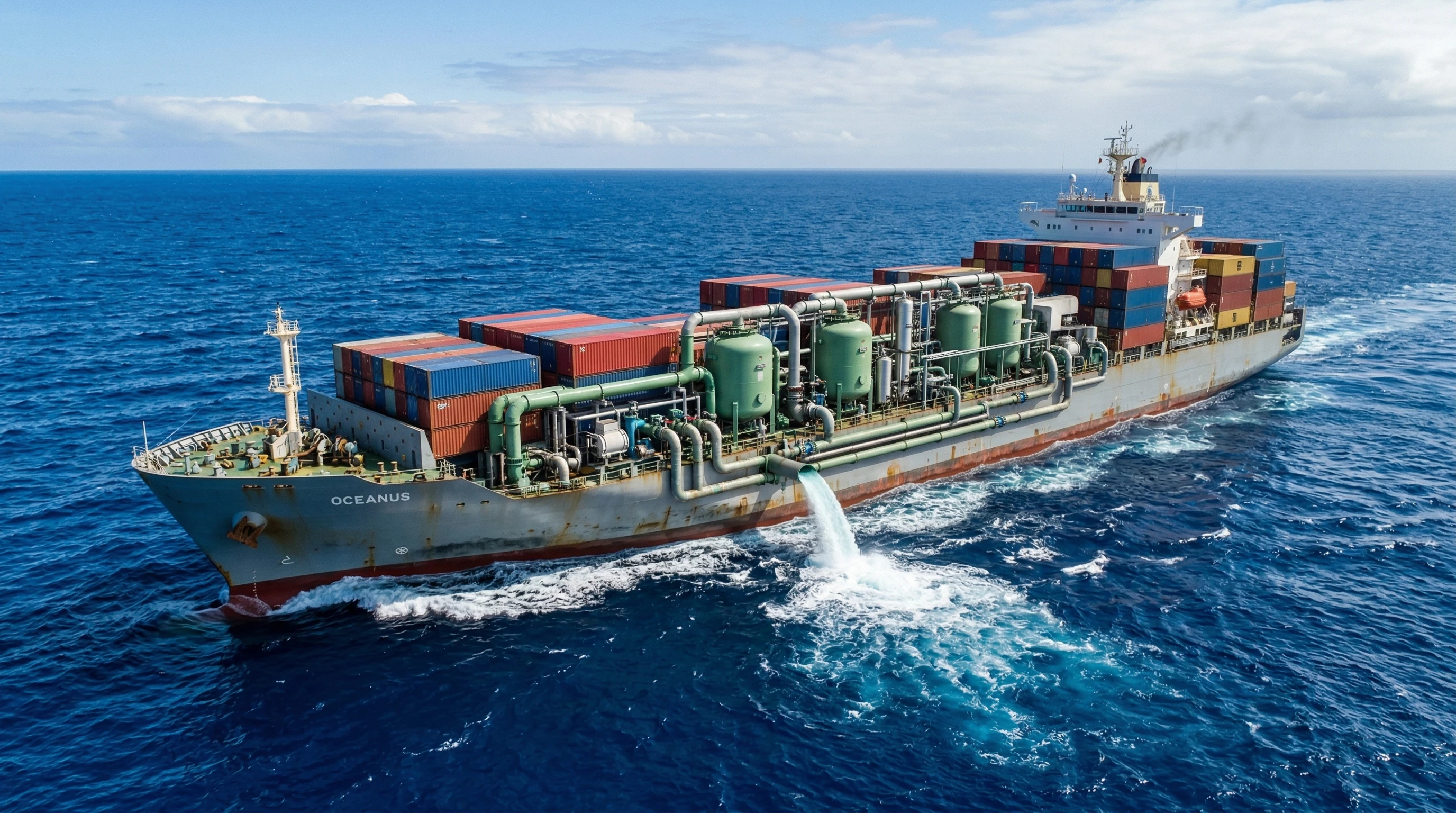
A ballast water management system (BWMS) controls:
- Intake of water
- Storage in ballast tanks
- Treatment before discharge
Core components include:
- Ballast pumps
- Pipelines and valves
- Treatment units
- Monitoring and control systems
Modern systems treat water before discharge to meet strict environmental standards and regulatory requirements.
Types of Ballast Water Treatment Systems
Different ships require different ballast water treatment technologies depending on size, routes, and operational needs.
Mechanical Filtration Systems
These systems remove larger particles and organisms using filters or hydrocyclones before water enters the tank.
UV Ballast Water Treatment
Ultraviolet (UV) systems neutralize microorganisms without chemicals, making them one of the most ecofriendly options.
Chemical Treatment Methods
Chemicals such as chlorine or ozone are used to disinfect ballast water. These systems are highly effective but require careful handling.
Electrochlorination Systems
This method generates disinfectants directly from seawater, reducing the need to store hazardous chemicals onboard.
Hybrid Ballast Water Systems
Modern vessels often use hybrid systems combining filtration + UV or chemical treatment for maximum efficiency and compliance.
Ballast Water Regulations and IMO Requirements
Global ballast water regulations are primarily governed by the International Maritime Organization through the Ballast Water Management (BWM) Convention.
Key Requirements:
- Ships must install approved ballast water treatment systems
- Discharge must meet strict biological standards
- Detailed recordkeeping is mandatory
- Regular inspections and certification are required
Additional U.S. Regulations
The United States Coast Guard enforces separate ballast water rules, often stricter than IMO standards.
Failure to comply can result in:
- Heavy fines
- Port delays
- Vessel detention
Ballast Water Compliance Checklist for Ships
Staying compliant is easier with a structured process.
Use this ballast water compliance checklist:
- Maintain updated ballast water logs
- Verify system certification and approvals
- Conduct routine maintenance and inspections
- Train crew on system operation and safety
- Monitor and record discharge quality
- Stay updated on regional regulations
Consistency is key, missing even one step can lead to compliance issues.
Common Challenges in Ballast Water Management
Even with modern systems, challenges still arise.
Retrofitting Older Ships
Installing systems on older vessels can be complex due to space and compatibility constraints.
Maintenance Issues
Filters and sensors require regular cleaning and calibration to function properly.
Power Demand
Some treatment systems require significant electrical power, especially during peak operations.
Crew Training
Improper use of systems is a common cause of compliance failure.
Latest Ballast Water Treatment Technologies (2026)
The industry is rapidly evolving with smarter and more efficient solutions.
Key trends include:
- Smart ballast water monitoring systems
- Real time compliance tracking software
- Energy efficient UV systems
- Advanced membrane filtration
- Remote diagnostics and automation
These innovations reduce manual workload and improve inspection readiness.
Best Practices for Ballast Water Treatment
From real world experience, these practices make a big difference:
- Perform regular system maintenance
- Use treatment systems during every ballast operation
- Keep digital and physical records accessible
- Provide ongoing crew training
- Stay updated with manufacturer guidelines
Good habits prevent costly delays and ensure smooth inspections.
FAQs About Ballast Water Management
What is ballast water management?
Ballast water management involves treating and controlling ballast water to prevent environmental damage and comply with regulations.
Do all ships need ballast water treatment systems?
Most commercial vessels operating internationally must install approved systems unless exempt.
How often should ballast water systems be serviced?
Typically monthly to quarterly, with annual inspections and calibration checks.
How does ballast water treatment work?
It uses filtration, UV light, or chemicals to remove or neutralize harmful organisms before discharge.
Real World Impact of Proper Ballast Water Management
Ships that upgrade to modern ballast water treatment systems often see:
- Faster inspections
- Reduced compliance risks
- Lower environmental impact
- Improved operational efficiency
Digital monitoring tools also simplify reporting and reduce administrative workload.
How to Choose the Right Ballast Water Management System
When selecting a system, consider:
- Vessel size and type
- Trade routes and regulatory zones
- Power availability onboard
- Installation space
- Maintenance requirements
Reading ballast water treatment system reviews and consulting with suppliers can help you make the best decision.
Final Thoughts
Ballast water management is no longer optional, it’s a critical part of modern shipping operations.
By investing in the right ballast water treatment system, staying compliant with global regulations, and following best practices, ship operators can protect marine ecosystems while ensuring smooth and efficient voyages.
Adopting advanced technologies and maintaining strong operational discipline turns compliance into a competitive advantage—keeping your vessel ready for the future of maritime operations.
This article was created with AI assistance and reviewed by a human editor.