Preventing oil spills from ships is crucial for protecting the marine environment, local economies, and human health.
Oil spills can cause lasting damage, but with the right preparation, crew training, and smart technology, shipping companies can reduce the risk and handle incidents much more effectively. From my experience, a clear understanding of best practices truly makes a big difference. In this article, I’ll walk through what works best for preventing oil spills and sharing hands on advice for managing them when they do happen.
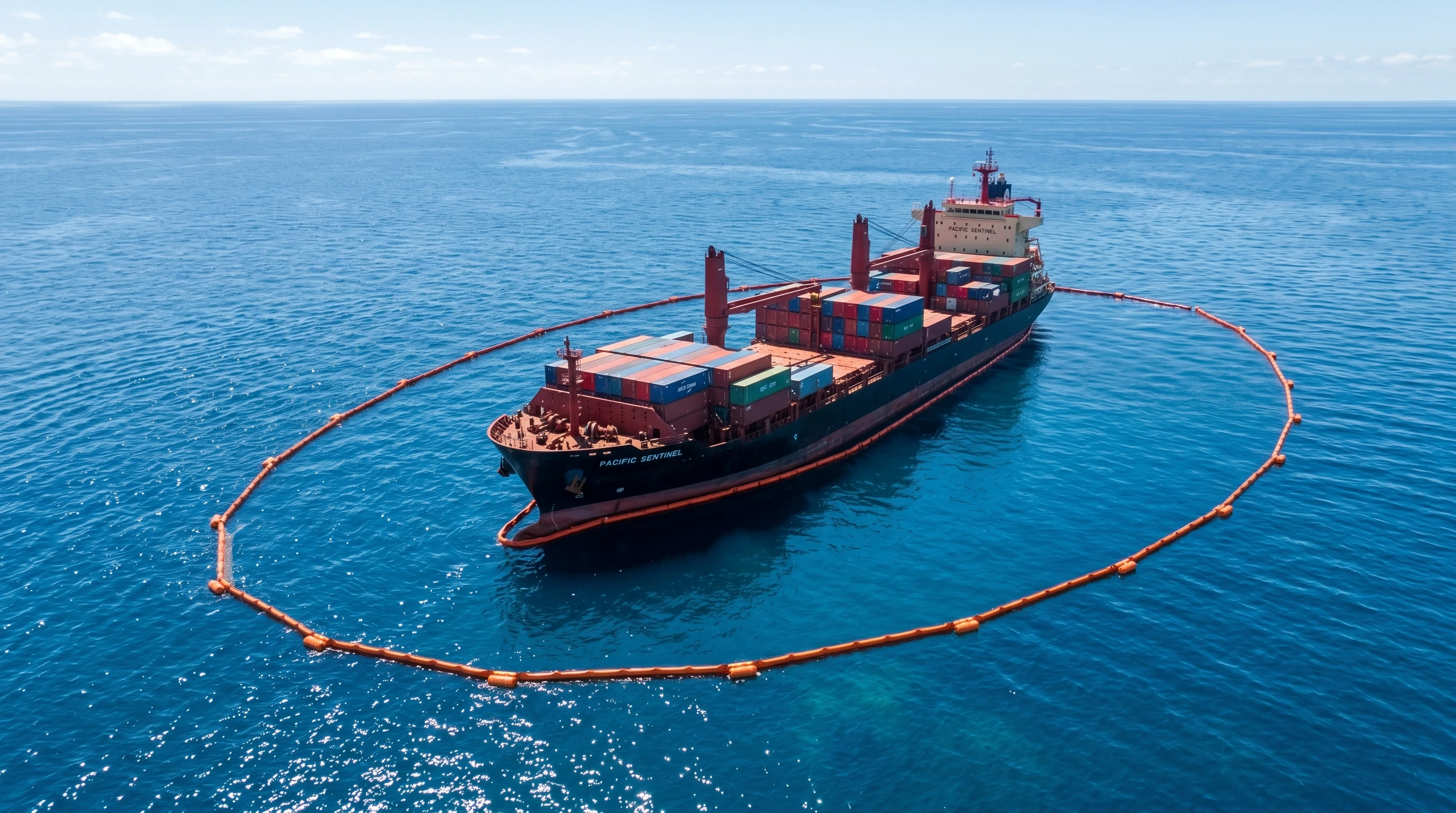
Why Oil Spill Prevention Matters
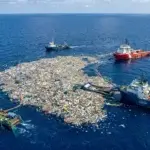
Shipping routes cross oceans, rivers, and coasts worldwide, transporting everything from crude oil to manufactured goods. Even a small oil spill can cause major environmental damage. Ecosystems suffer, wildlife is harmed, and the effects can last long after cleanup is done. Local fishing industries, tourism, and drinking water supplies may also take a hit. I’ve always believed that investing in prevention not only protects the environment but also avoids high costs, time-consuming cleanups, and negative publicity. Fines and reputational losses can follow, so prevention matters for far more than just ticking off legal requirements. If you want more background, ITOPF has great resources on environmental impacts.
Key Best Practices for Oil Spill Management
The best practices for oil spill management start with strict daily routines on board. Accurate records, regular equipment inspections, and solid communication across the crew all count. Here’s what I’ve found keeps risks low:
- Maintain Ship Equipment: Daily checks on piping, pumps, hoses, and storage tanks keep leaks from forming. Anything worn or faulty should get repaired right away.
- Use Pollution Prevention Gear: Oilwater separators, double hulls, and spill containment kits catch leaks before they escape into the sea.
- Follow Standard Operating Procedures: Written checklists, logs, and defined roles for every crew member make for quick, organized action if something goes wrong.
- Ensure Clear Communication: Regular safety briefings and a simple reporting method make sure the whole crew spots early signs of trouble.
Mixing these steps together makes it much easier to spot and stop problems early, nipping spills in the bud before real harm is done.
Ecofriendly Oil Spill Solutions
When spills happen, ecofriendly solutions help the cleanup without further harming the environment. Biodegradable sorbents, nontoxic dispersants, and oil-eating microbes are now widely used. From what I’ve seen, using natural materials like straw or peat moss helps absorb oil without introducing new pollutants. While mechanical collection using booms and skimmers is still the norm, pairing these with nature based solutions makes a noticeable impact. Read more on green response tactics from the U.S. EPA.
Next Level Technologies for Oil Spill Prevention
Shipping companies are now rolling out technology to prevent spills even before ships leave the dock. There are sensors that watch tank levels, flow meters to pick up on leaks, and satellite tracking that sends alerts if a ship strays off its planned route or enters risky waters. Tools like automatic shutdown valves and remote monitoring let crews act fast. Advanced hull materials and real time data crunching also help lower both the chance and the size of a spill. Predictive maintenance, powered by data from sensors, helps crews spot early signs of wear so repairs get done before anything leaks. I’ve noticed these upgrades not only give a boost to safety, but also offer peace of mind for all involved.
Importance of Oil Spill Crew Training
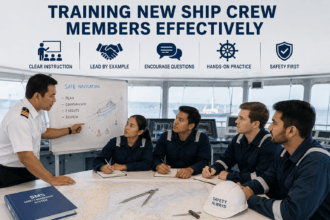
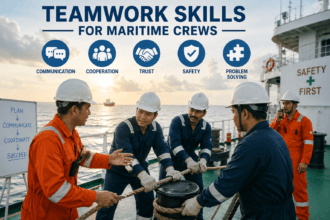
A trained crew always responds faster when every second counts. Regular oil spill drills and hands-on exercises build confidence and make sure everyone is comfortable using spill kits and gear. My advice, crews should train together until fast and safe decision-making is second nature. Realistic drills should include live equipment setups, reporting steps, and run throughs of scenarios for spills of all sizes. Training helps build teamwork and create a culture where everyone feels responsible for prevention and keeping the ship’s record spotless. For more resources, check out training guides from the International Maritime Organization.
Oil Spill Impact Assessment, Best Approaches
If a spill does happen, fast and thorough impact assessment is key to a strong response. Here’s how an effective assessment should go:
- Document exactly what and how much oil was spilled
- Estimate how quickly and how far the oil will spread
- Check nearby sensitive habitats, coastlines, and at risk spots
- Quickly communicate findings to authorities and cleanup teams
Drones, satellite images, and on scene surveys let teams understand where oil is heading. Environmental techs take water and soil samples, while response teams use the findings to send out booms, skimmers, or extra hands where they’re needed most. Best practices in assessment help keep cleanup focused and reduce the odds of hidden oil escaping notice.
Oil Spill Prevention Checklist
Following a clear checklist keeps ship crews focused on prevention every day. Here are the daily or trip specific tasks I always stand by:
- Inspect and test all oilhandling equipment before and after every use
- Look over gaskets, hoses, and connections for wear and leaks
- Go over cargo and fuel transfer plans and keep solid records
- Set up drip pans and containment booms for risky transfers
- Make sure spill kits are fully stocked and easy to reach
- Write every maintenance check and fixup in the log book
- Teach new crew members about spill risk and gear
- Stay on top of local rules before entering new waters or ports
A solid checklist can mean the difference between smooth sailing and a costly, damaging incident.
Challenges to Preventing Oil Spills
Even with top notch plans, shipping teams still face hurdles. Rough seas, crowded ports, and sudden weather all bump up spill risks. One big issue is human error, like forgetting to close a valve or skipping steps in a transfer. Language barriers and tiredness also make miscommunication a threat, which is why strong safety culture and constant awareness are vital. Broken machinery and aging equipment need steady attention and frequent checks. Staying focused and updating procedures regularly keeps everyone sharp and proactive.
Weather and Changing Ocean Conditions
Bad weather instantly raises the chance of an oil spill. Storms and big waves can push equipment to the breaking point; this is why planning and constant monitoring matter. Crews must be ready to react fast if conditions slip downhill.
Communication Barriers
With international crews, different languages and experiences sometimes cause confusion. Using simple routines and visual checklists can help smooth out these risks, making sure everyone’s on the same page.
Real World Examples and Lessons Learned
Much of what we know about oil spill prevention has grown from real-life incidents. For example, the Exxon Valdez spill in Alaska forced global changes, double hulls on tankers and stricter rules. Even minor leaks in port can reveal problem spots and spark improvements. Analyzing the root cause, whether it’s a mistake, equipment failure, or storm, helps crews fix gaps and make prevention a habit. Regular debriefs after incidents allow teams to learn honest lessons and up their safety game for future trips.
Frequently Asked Questions
What is the best way to prevent oil spills on ships?
The winning combo is regular equipment checks, clear safety routines, up to date crew training, and ecofriendly response tech. Crew action and good records give extra protection, too.
What should I do first if an oil spill is detected?
Alert the full crew and authorities fast. Deploy spill gear right away, then kick in the emergency plan. Log the details and launch impact assessment early.
Are there legal requirements for oil spill prevention?
Yes, both global and local rules require spill prevention plans, the right equipment, trained staff, and reporting systems. Always check the rules before heading into each region.
Looking Ahead, Building a Safer Shipping Industry
Preventing ship oil spills depends on following best practices, putting ecofriendly solutions to work, and keeping crew training front and center. Upgraded tech makes stopping problems before they start far easier. Staying informed, using smart prevention checklists, and learning from experience all help keep our oceans and coasts safe.
For me, keeping these points in mind is key to responsible shipping, one that takes care of the sea, people, and our shared future.
This article was created with AI assistance and reviewed by a human editor.